Are Paint Fumes Toxic?
Yes, paint fumes can be toxic—especially if you breathe them in for a long time or in a closed space. Some paint chemicals can cause health problems right away, while others can create issues over time. Even “low-odor” or “eco-friendly” paints are not always completely safe if you do not use them carefully.
Breathing paint fumes is dangerous to your health. Fumes from oil-based paints, spray paints, and even some water-based paints can cause headaches, dizziness, breathing problems, or worse. Short-term effects are usually mild, but long-term or heavy exposure can lead to serious health risks.
What Makes Paint Fumes Toxic?
Paints release volatile organic compounds (VOCs) and other chemicals into the air as they dry. These VOCs are the main reason paint fumes can harm you. Some common VOCs include formaldehyde, toluene, and xylene. When you breathe these in, your body absorbs them quickly, which can make you feel sick or damage your organs over time.
Spray paints and oil-based paints often have more VOCs than water-based paints. Even paints labeled “low-VOC” still release some fumes, just less than others.
Short-term Health Effects
Many people feel the effects of paint fumes soon after painting. Some common short-term problems are:
- Headaches and dizziness
- Eye, nose, or throat irritation
- Nausea or vomiting
- Coughing or trouble breathing
Most of these go away if you get fresh air, but some people—especially children, pregnant women, or those with asthma—can have stronger reactions.
Long-term Health Risks
If you keep breathing paint fumes for weeks or months, the risks are much higher. Long-term exposure can lead to:
- Liver and kidney damage
- Nervous system problems
- Memory loss or concentration problems
- Increased risk of cancer (from chemicals like benzene or formaldehyde)
Workers in factories, painters, or people who paint often are more likely to develop these problems. It’s important to use paint in a safe way to avoid these long-term risks.

Types Of Paint And Their Toxicity
Not all paints are equally dangerous. Here’s a look at common types:
| Type of Paint | VOC Level | Main Health Risks |
|---|---|---|
| Oil-based | High | Strong fumes, headaches, organ damage |
| Water-based (Latex) | Low to moderate | Mild irritation, sometimes headaches |
| Spray paint | High | Inhalation risk, nervous system effects |
| Low-VOC | Low | Usually mild, but not zero risk |
Oil-based and spray paints are usually the most toxic. Low-VOC and water-based paints are safer but can still cause problems in a closed space.
Groups Most At Risk
Some people get sick from paint fumes more easily:
- Children and babies – Their lungs are still growing, so they absorb more chemicals.
- Pregnant women – Fumes can affect the unborn baby.
- Elderly people – Their bodies are less able to handle toxins.
- People with asthma or allergies – Fumes can trigger attacks or make breathing problems worse.
If you belong to one of these groups, it’s best to avoid painting or stay away from freshly painted areas for a few days.
How Much Exposure Is Dangerous?
There’s no safe level for some paint chemicals, but the danger depends on:
- How long you breathe the fumes
- How much fresh air is in the room
- The type of paint you use
- Your own health
For example, painting a small wall in a big room with open windows is less risky than spray-painting a car in a small garage with no air flow.
Symptoms Of Paint Fume Poisoning
If you breathe in too many paint fumes, you might notice:
- Feeling lightheaded or faint
- Strong headache
- Burning eyes or throat
- Stomach pain or vomiting
- Trouble breathing
In rare cases, people can pass out or need emergency care. Always listen to your body. If you feel sick, stop painting and get fresh air right away.

Can Paint Fumes Kill You?
While rare, very high levels of paint fumes can be fatal. This usually happens if someone paints in a closed space with no air flow for many hours, or if they intentionally inhale large amounts (paint “sniffing”). Most people do not die from normal painting, but serious accidents have happened.
Safe Painting Practices
You can paint your home safely if you use smart habits:
- Open windows and doors – Always let in fresh air.
- Use fans – Point them out of the room to push fumes outside.
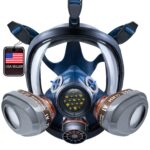
- Wear a mask – Especially with spray paint or oil-based paint.
- Take breaks – Leave the area often.
- Store paint safely – Keep lids tight and store away from kids.
These simple steps make a big difference. Even with “safe” paints, always keep air moving.
Best Respirator for Paint Fumes: These 5 Respirators Are the Only Ones That Work
How Long Do Paint Fumes Last?
Paint fumes are strongest while you paint and as the paint dries. For most water-based paints, the smell fades within 1–3 days. Oil-based or spray paints can take up to a week or more to fully clear out, especially in cold or closed rooms.
Here’s a quick look at how long different paints give off fumes:
| Type of Paint | Fume Duration (approx.) |
|---|---|
| Water-based (Latex) | 1–3 days |
| Oil-based | 2–7 days |
| Spray paint | 1–5 days |
| Low-VOC | 1–2 days |
You can speed up the process by keeping windows open and using fans.
Myths About Paint Fumes
Many people believe that water-based paints are “non-toxic” or that the smell means the paint is harmful. Here are some facts:
- Myth: “If you can’t smell it, it’s safe.”
Fact: Some harmful chemicals have no odor.
- Myth: “Low-VOC paint means no fumes.”
Fact: Low-VOC paints still release some fumes.
- Myth: “Once the paint dries, it’s safe.”
Fact: Paint can keep releasing chemicals for days or weeks.
Always treat all paints with care, even if they claim to be safe.
Practical Tips For Reducing Paint Fume Risks
Staying safe is about smart habits, not just buying “safe” paint. Here’s what works best:
- Paint when the weather is good – Open windows if possible.
- Keep kids and pets away – Until the smell is gone.
- Seal leftover paint – Don’t leave cans open.
- Clean up spills fast – Wet paint gives off more fumes.
- Use professional help – For large jobs or special paints (like industrial or automotive).
A tip most beginners miss: Don’t forget about closets, cabinets, or basements. These small areas trap fumes easily. Always air them out longer.
Comparing Paint Fume Levels
Not all paint jobs are equal. Here’s how a few common tasks compare for fume risk:
| Painting Task | Fume Exposure Risk | Recommended Precautions |
|---|---|---|
| Painting one room (water-based) | Low | Ventilation, short break |
| Painting whole house (oil-based) | High | Ventilation, mask, breaks |
| Spray-painting furniture inside | Very High | Respirator, open windows, leave area |
| Touch-up with low-VOC paint | Very Low | Open window, no special steps |

What To Do If You’ve Breathed Paint Fumes
If you feel sick after painting:
- Go outside for fresh air right away.
- Drink water to help your body flush out chemicals.
- Rest and watch for signs like chest pain or confusion.
- Get medical help if you can’t breathe, faint, or feel very sick.
Most mild symptoms go away quickly, but don’t ignore any serious signs.
Paint Fumes And Your Home’s Air Quality
Paint fumes can lower the indoor air quality of your home. Poor air quality leads to more allergies, tiredness, or even long-term illness. If you paint often or have many new items in your home (like new carpets or furniture), you may have higher VOCs in your air.
Using air purifiers with carbon filters can help reduce these chemicals, but they do not remove all risks. Always focus on ventilation first.
Alternatives To Toxic Paints
If you want to avoid risks, look for:
- Zero-VOC paints – These have almost no fumes.
- Natural or mineral paints – Made from clay, chalk, or lime.
- Milk paint – A very old type, made from milk protein.
These paints cost more but are much safer for health, especially in bedrooms or nurseries.
When To Call A Professional
If you need to paint a large area, use industrial paint, or work in a space with poor airflow, it’s best to hire a professional. They use special tools and know how to handle dangerous fumes safely.
Supporting Research And Further Reading
Many studies show the risks of paint fumes. The US Environmental Protection Agency (EPA) gives clear advice on indoor air quality and paint safety. For more details, see the EPA’s guide to VOCs and indoor air quality.
Frequently Asked Questions
What Are Vocs In Paint?
VOCs are “volatile organic compounds”—chemicals that easily turn into gases at room temperature. They give paint its smell and can harm your health.
Is Water-based Paint Completely Safe?
Water-based paints are safer than oil-based paints but can still release some chemicals. Always use them with good ventilation.
How Long Should I Wait Before Sleeping In A Freshly Painted Room?
Wait at least 24–48 hours for water-based paint and up to 7 days for oil-based paint. Make sure the smell is gone before sleeping there.
Can Opening Windows Remove All Paint Fumes?
Opening windows helps a lot, but some fumes can stay for days. Use fans and keep windows open as long as you smell paint.
Are “eco-friendly” Or “green” Paints Always Non-toxic?
No. These paints have fewer harmful chemicals but are not always totally safe. Always check the label and use safe painting habits.
Painting your home can be safe if you know the risks and use smart habits. Always choose the lowest-fume paint you can find, keep your space well-ventilated, and never ignore warning signs from your body. Your health is worth the extra care.