
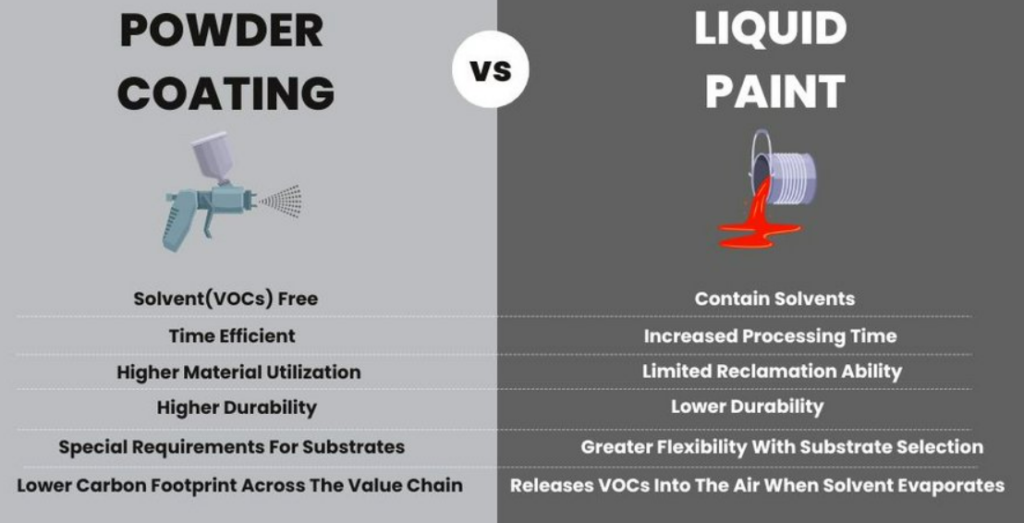
Coating vs Liquid Painting – Expert Guide to Choosing the Best Finish
Confused between coating vs liquid painting? Coatings are protective layers, often thicker and more durable, applied to prevent corrosion, wear,

Confused between coating vs liquid painting? Coatings are protective layers, often thicker and more durable, applied to prevent corrosion, wear,
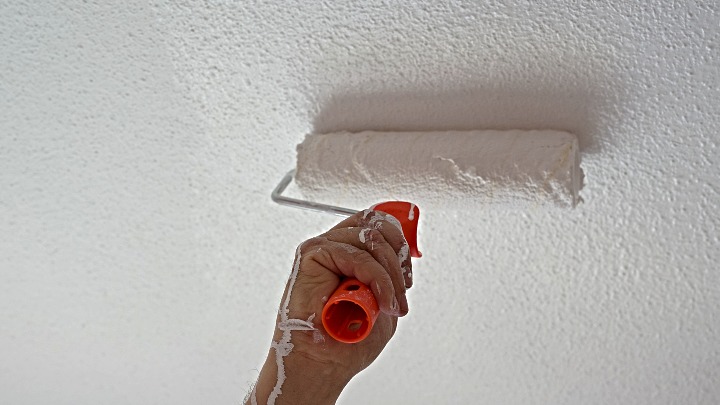
To get a slight texture with just a roller nap, choose a roller with a medium to thick nap (¾”–1″).
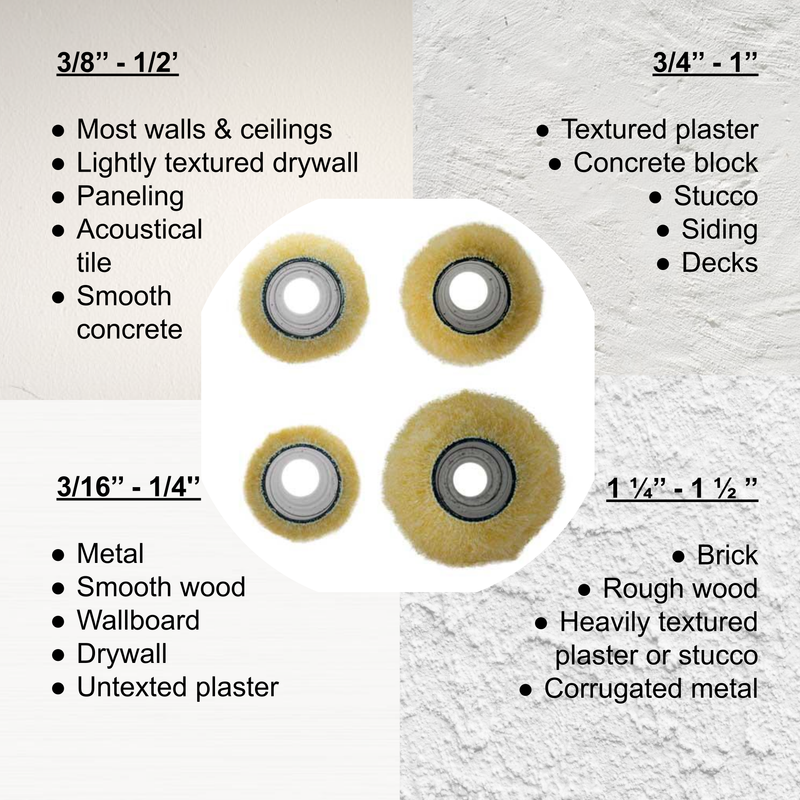
When painting walls, choosing the right roller nap is key. For smooth walls, use a ¼” to ⅜” nap for
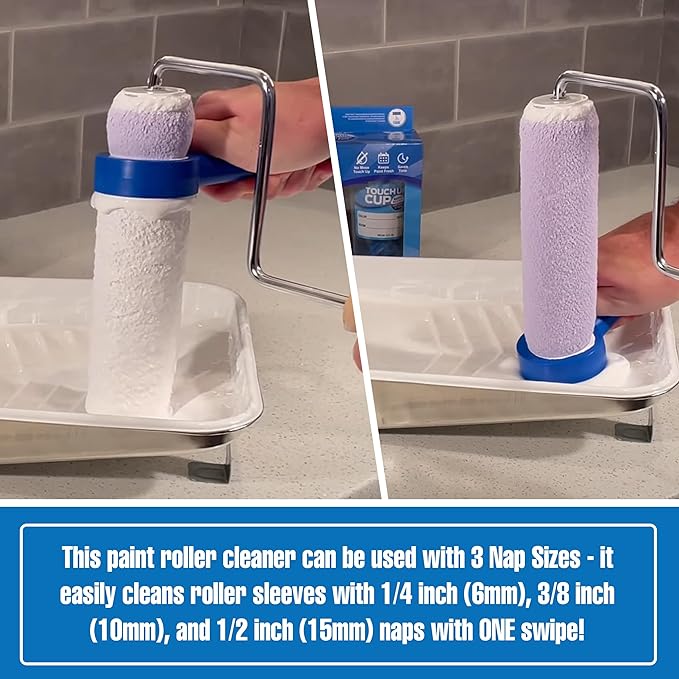
If you’re wondering what is the difference between 10mm and 15mm paint rollers, it mainly comes down to surface texture
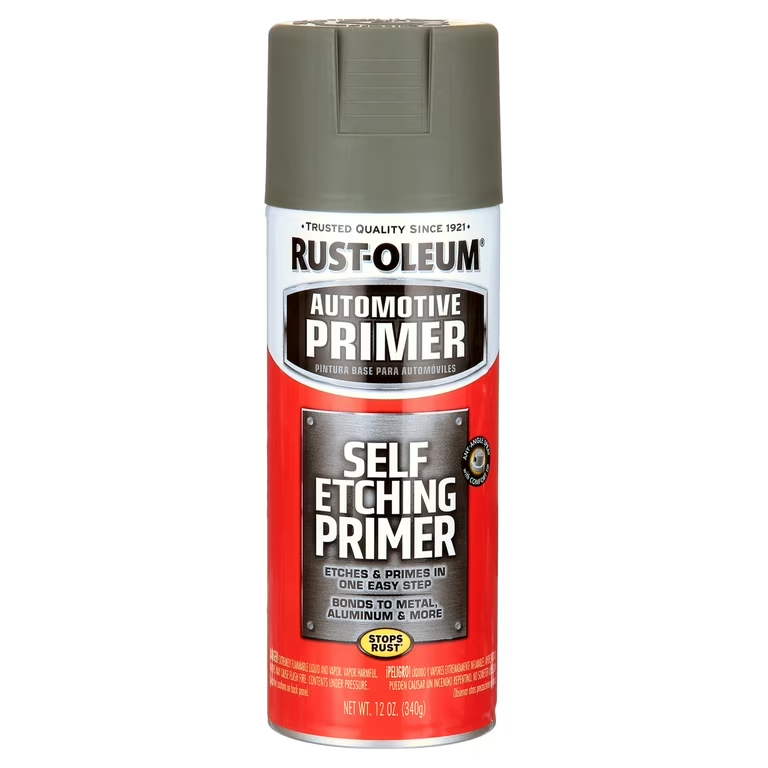
Yes, you can spray paint an auto bare part with Rust-Oleum, but proper preparation is key. First, clean the part
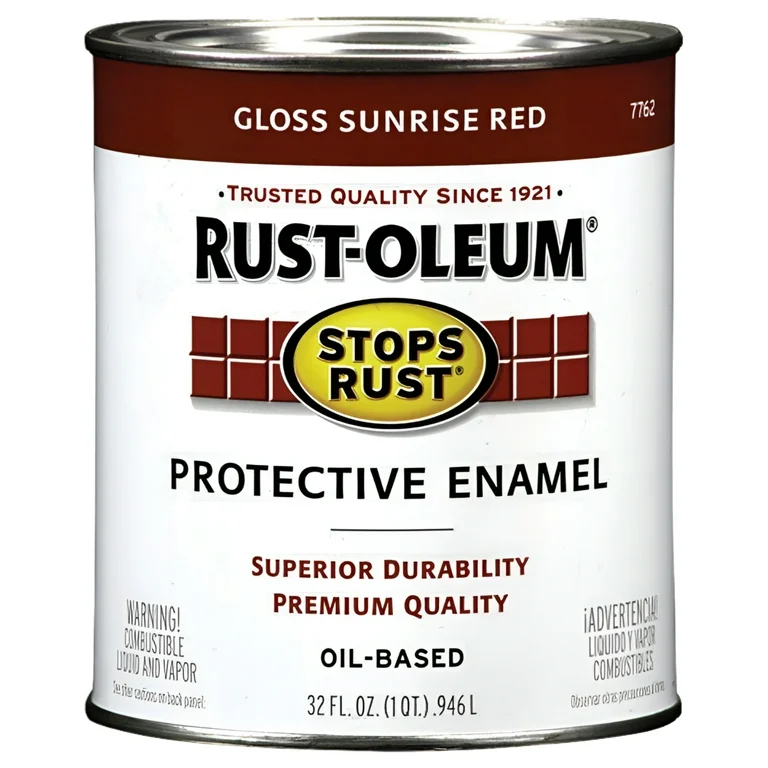
Is Rust-Oleum oil based? Many Rust-Oleum paints are oil-based, especially their protective enamel products designed for metal, wood, and outdoor
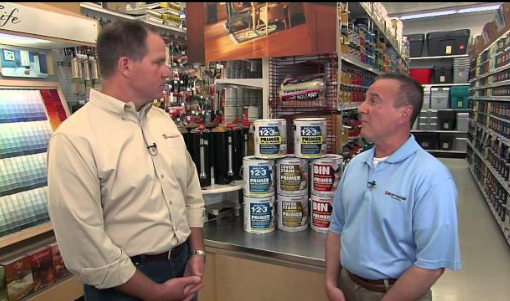
When comparing Zinsser vs Rust-Oleum primer, both brands offer reliable products for preparing surfaces before painting, but they serve slightly
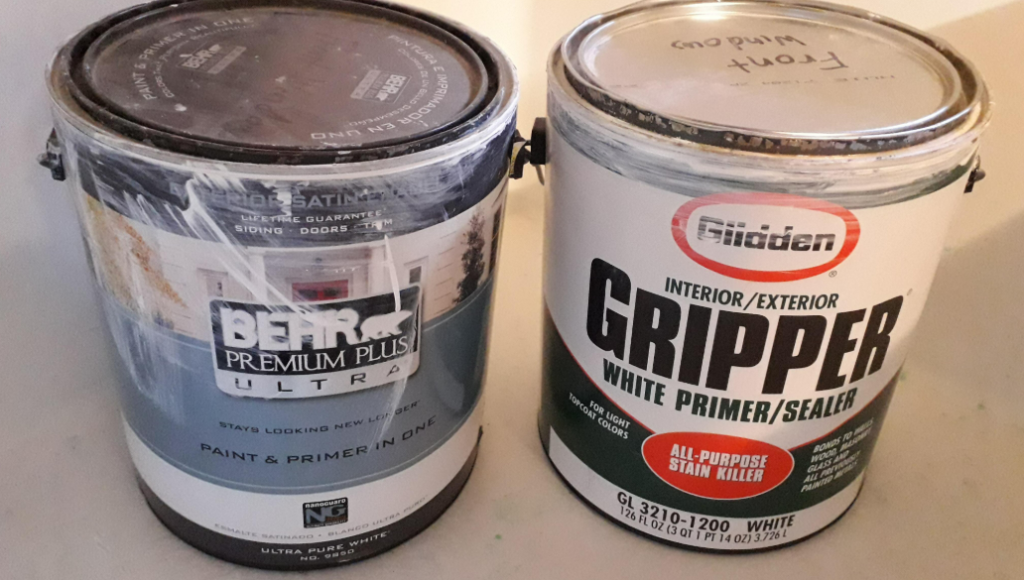
Zinsser vs PPG Gripper Primer: Both primers are designed to improve paint adhesion, but they serve slightly different needs. Zinsser
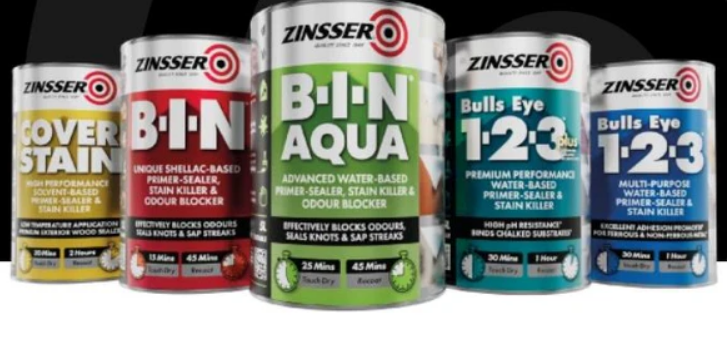
If you’re comparing Zinsser vs Benjamin Moore primer, both brands offer high-quality products designed to improve paint adhesion and surface
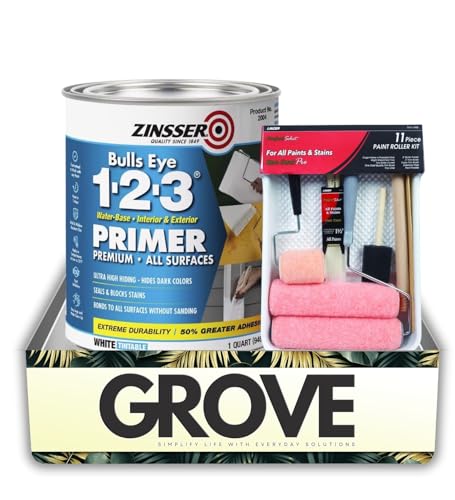
Zinsser Bulls Eye 1-2-3 Water-Based Primer is a versatile, fast-drying primer that seals surfaces, blocks stains, and ensures smooth paint