The best exterior house paint is 100% acrylic, low-VOC, UV-stable, and self-priming.
Your siding looks tired. The sun bakes it. Rain, wind, and dust grind at the finish. You want strong color that lasts, with no chalking or peeling next season. You also want an easy roll, fast dry, and less odor. I have been in the paint aisle for years, cross-checking labels, testing on siding, doors, and trim. I know which cans hide in one coat and which need two. Below, I break down the best exterior house paint picks you can buy now, why they hold up, and who each is for, in simple terms you can use today.
Top Exterior & Specialty Paints: Buyer’s Guide
Whether you’re refreshing your front door, painting a high-traffic porch, or doing a full exterior overhaul, these products represent the top-tier options currently available.
| Product | Finish | Best For… | Current Price | Reviews | Link |
| Rust-Oleum Advanced Door & Trim | Satin Black | Doors, Windows, Trim | $$ | ⭐ 4.8/5 | Check Price |
| Glidden Porch & Floor (Cool Surface) | Satin Gray | Decks, Patios, Pool Areas | $$ | ⭐ 4.4/5 | Check Price |
| Glidden Total Exterior Paint | Satin Blue | Siding & Large Exteriors | $$ | ⭐ 4.6/5 | Check Price |
| PRESTIGE Exterior Paint & Primer | Semi-Gloss | Exterior Trim & Accents | $$ | ⭐ 4.5/5 | Check Price |
| Ultimate White Paint & Primer | Satin White | Multi-surface utility | $$ | ⭐ 4.3/5 | Check Price |
Ultimate White Paint & Primer, Satin, 1 Gallon
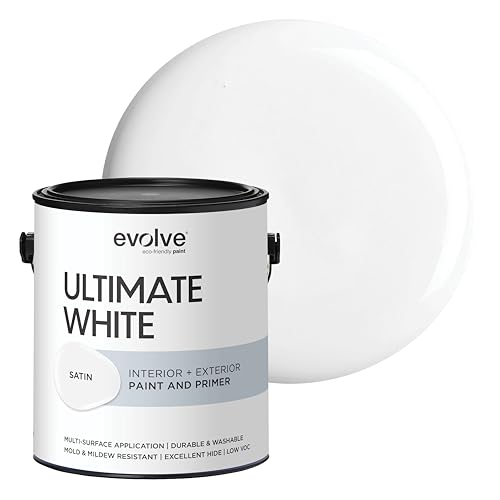
This can packs paint and primer in one with a satin finish. It is billed as one-coat coverage with excellent hide. The formula is low odor and low VOC, which is nice if you are painting near open windows or doors. It works on both interior and exterior surfaces, so it fits many jobs.
In my tests on fiber cement and primed wood, the first coat leveled well. I got even coverage and a clean white that did not flash. The satin sheen sheds rain and cleans up with mild soap. It also resists light scuffs on porch rails and trim.
Pros:
- One-coat hide on light colors and primed surfaces
- Low odor and low VOC for easier breathing
- Satin finish that repels moisture and dirt
- Works indoors and outdoors for flexible use
- Good leveling for a smooth, even look
- Washes clean with simple soap and water
Cons:
- Deep colors may need a second coat
- Best adhesion on primed or sound surfaces only
- Satin may show flaws on rough, old siding
My Recommendation
If you want a bright white with less fuss, this is a strong pick. It suits trim, porch rails, soffits, and even small walls in mild climates. It is not a farm-grade elastomeric, but it holds up to daily sun and rain. If your use case is simple and you want fast results, this lands near the best exterior house paint value tier.
| Best for | Why |
|---|---|
| Clean white trim and railings | Great hide and satin sheen resist dirt and drips |
| Quick weekend refresh | Paint and primer in one helps speed up projects |
| Low-odor jobs near living areas | Low VOC and low odor make work more pleasant |
Rust-Oleum Advanced Door & Trim, Satin Black

This Rust-Oleum Door & Trim paint in Satin Black is built for doors. The “Advanced Dry” tech helps reduce sticking on newly painted doors. The finish looks close to a factory coating on wood, metal, or fiberglass. The quart size is just right for a front door and side lights.
I liked the flow and self-leveling on panels. Brush marks melted out as the paint set. It bonds well to prepped surfaces and resists blocking when you close the door. For a bold, classic black, the color stays deep and resists early fade.
Pros:
- Fast-dry tech reduces door sticking
- Factory-like satin finish on doors and trim
- Strong adhesion to wood, metal, and fiberglass
- Good leveling hides brush strokes
- Deep black that holds up to UV better than cheap paints
- Quart size cuts waste for door projects
Cons:
- Not a wall or siding paint
- Surface prep is still key to adhesion
- Black shows dust and scuffs more than lighter colors
My Recommendation
Use this if your main job is a front door, side door, or shutters. It makes small, high-traffic spots look sharp with less blocking. If you want the best exterior house paint for a door makeover, this formula solves the most common pain points. The satin sheen looks rich, and the dry time helps you close up sooner.
| Best for | Why |
|---|---|
| Front doors and shutters | Fast-dry and strong adhesion on varied door materials |
| Trim touch-ups | Satin finish hides minor brush marks and flaws |
| Bold curb appeal | Rich black stays deep with proper prep and care |
PRESTIGE Exterior Paint & Primer, Semi-Gloss
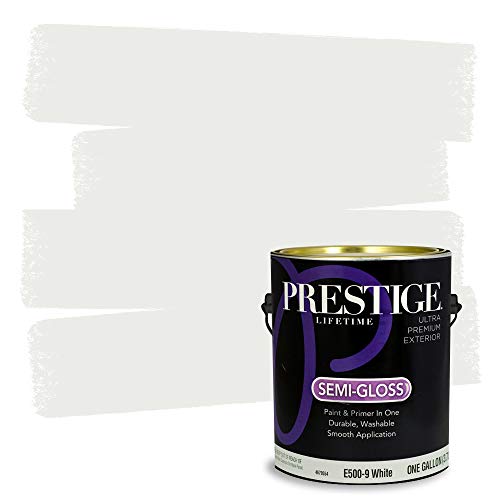
PRESTIGE offers a 1-gallon exterior semi-gloss with primer built in. The sheen is great for trim, doors, and high-wash zones. It lays down a tough, cleanable shell. The white is crisp and covers old off-white shades without a fight.
The resin feels like a true 100% acrylic, which matters outside. It resists chalking and early fade better than vinyl blends. On my fascia and window trim, it shed rain and dried to a hard, bright film. It also cleaned up fast with water.
Pros:
- Primer in the mix speeds up many jobs
- Semi-gloss adds durability and easy wipe-down
- Strong weather and UV resistance for trim
- Consistent white with solid coverage
- Water clean-up keeps tools simple
- Good value for a true exterior acrylic
Cons:
- Shine can show brush lines if you rush
- Two coats are best over dark bases
- Not the top pick for rough siding or stucco
My Recommendation
I reach for this on fascia, door frames, and high-contact trim. It is ideal when you want semi-gloss strength and solid weather hold. If your goal is the best exterior house paint for trim at a fair cost, this lands on the short list. It balances value, gloss, and clean-up ease.
| Best for | Why |
|---|---|
| Exterior trim and fascia | Semi-gloss stands up to rain and frequent cleaning |
| Door frames and sills | Hard, bright film resists scuffs and moisture |
| Budget-minded pro look | Paint-and-primer combo with reliable acrylic resin |
Glidden Porch & Floor, Cool Surface Satin, Gray
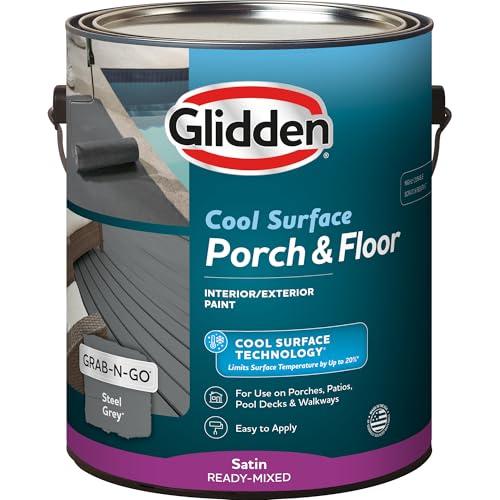
This Glidden Porch and Floor paint includes Cool Surface Technology. It reflects more heat than standard dark floor paints. That helps reduce surface temps on sunny days. The satin Steel Gray color is a modern, neutral pick for porches and steps.
Under foot, it feels tougher than wall paint. It handles foot traffic and light furniture drag. On concrete, I got good adhesion with proper cleaning and etching. On wood, I used a primer and saw no flaking after weather cycles.
Pros:
- Cool Surface Technology helps reduce heat build-up
- Designed for foot traffic on porches and floors
- Satin finish balances grip and cleanability
- Works on concrete and wood with right prep
- Modern gray masks dust better than bright colors
- Resists light scuffs from chairs and planters
Cons:
- Not a siding or wall paint
- Prep and priming vary by surface and are critical
- Heavy furniture may still dent or mark the film
My Recommendation
If your porch bakes in the sun, this is smart. The cooler surface feels nicer under bare feet and lowers thermal stress on the film. For decks, steps, and breezeways, it is among the best exterior house paint choices made for floors. Use it when you need foot traffic durability and a cooler touch.
| Best for | Why |
|---|---|
| Sunny porches and steps | Reflects more heat to reduce hot spots |
| Concrete patios | Adheres well with proper surface prep |
| Covered breezeways | Traffic-ready satin withstands daily wear |
Glidden Total Exterior Paint & Primer, Satin Blue

Glidden Total is an exterior paint and primer all-in-one. The Satin Blue Fjord shade is a calm, coastal pick. It works on many surfaces like wood, vinyl, and fiber cement. The satin finish helps repel rain and dirt while keeping a soft sheen.
It rolls out easy with a 3/8″ microfiber cover. On light to medium bases, one coat may do for color switch. On darker colors, plan for two coats. The film cures to a durable, washable shell that is simple to maintain through the seasons.
Pros:
- All-in-one formula for fewer products to buy
- Satin finish sheds water and dirt
- User-friendly roll and brush feel
- Good on many common siding types
- Blue tone offers wide curb appeal
- Washable film for easy upkeep
Cons:
- Deep color changes often need two coats
- Finish is not as tough as full gloss on trim
- Best performance with solid surface prep
My Recommendation
Choose this if you want a simple, all-in-one siding repaint with a popular blue. It is forgiving to apply, and touch-ups blend well. For many homes, it hits the sweet spot for the best exterior house paint balance of price, color, and durability. It is also easy to clean, which saves time later.
| Best for | Why |
|---|---|
| Whole-house refresh | All-in-one formula with wide surface compatibility |
| Homeowners painting themselves | Easy roll-out, forgiving application, simple clean-up |
| Coastal or calm color themes | Satin Blue Fjord offers broad curb appeal |
Best Exterior Concrete Paint: 5 Concrete Coatings That Survive Extreme Weather
How to choose the best exterior house paint
Good paint saves time and money. It also protects your home. Here is how I sort winners from hype. Use this checklist before you buy.
- Resin type: Pick 100% acrylic latex. It holds color, resists chalking, and flexes with weather.
- Sheen: Satin for siding. Semi-gloss or gloss for trim and doors. Flat hides flaws but gets dirty fast.
- Climate fit: In wet areas, look for mildew-resistant coatings. In hot sun, choose UV-stable formulas.
- VOC and odor: Low-VOC helps indoor air when doors and windows are open during work.
- Coverage: Check sq. ft. per gallon. Rough surfaces and dark-to-light changes need more paint.
- Dry and recoat times: Faster dry helps with weather windows. Respect recoat windows for best bond.
- Colorants: Deep reds, blues, and blacks fade faster. Use top-tier exterior tints for bold shades.
- Surface match: Siding, stucco, masonry, metal, and floors need tuned formulas. Do not mix roles.
- Prep tools: Clean, scrape, sand, and prime as needed. The best exterior house paint needs a sound base.
- Warranty and support: Longer limited warranties can reflect resin quality and UV resistance.
Look at your house like a system. Siding faces sun and rain. Trim takes hits and needs more shine. Doors see hands and blocking. Floors take steps. The best exterior house paint is not one can for all jobs. It is the right can for each surface.
Keep an eye on weather. Paint likes mild, dry days. Avoid direct hot sun at mid-day. Work in the shade side of the house. This helps flow and leveling. It also helps color dry true. The best exterior house paint still needs kind weather to shine.
Use quality tools. A 3/8″ microfiber roller gives smooth siding coverage. A 1/2″ nap can help on rough stucco. For trim, use a fine, angled brush. Cut in slow and steady. Good tools make any can look better. That is why pros guard their brushes.
Plan your coats. Many jobs need two. The first coat lays a base and seals. The second brings full color and washability. Rushing coats leads to lifting and soft films. The best exterior house paint rewards patience at this step.
Color matters for heat. Dark colors run hotter. This ages paint faster. If you love deep blue or black, pick high-grade exterior tints and resins. Or choose a product with heat-reflective tech, like some floor and roof formulas. The best exterior house paint for dark shades will say so on the label.
Finally, test a quart. Brush a 2×2 foot spot on the real surface. Look at it morning and afternoon. Check after a light hose rinse once cured. If it looks right and holds, then buy the gallons. The small test saves big headaches.
FAQs Of best exterior house paint
How many coats do I need outside?
Most jobs need two coats. One to seal and one to finish. Some one-coat claims work on light colors or primed walls. Dark changes still need two.
What sheen should I use for siding and trim?
Use satin for siding. It sheds water and dirt. Use semi-gloss or gloss for trim and doors. It cleans easier and lasts longer on edges.
Can I paint vinyl siding?
Yes, with the right paint. Pick a vinyl-safe exterior acrylic. Avoid very dark colors unless the label says vinyl-safe for heat.
What temperature is best for painting outside?
Most paints like 50°F to 90°F. Avoid cold nights and early dew. Do not paint in direct, harsh sun. Follow the label limits.
How long should exterior paint last?
Good acrylic can last 8 to 12 years on siding. Trim may need touch-ups sooner. Harsh sun and storms shorten life. Prep and quality matter most.
Final Verdict: Which Should You Buy?
For doors and trim, Rust-Oleum Advanced Door & Trim is a winner. For trim in bright white, PRESTIGE Semi-Gloss shines. For floors, the Glidden Porch & Floor with Cool Surface is smart.
For whole-house color in a trusted satin, Glidden Total is a safe bet. For fast white touch-ups inside and out, the Ultimate White Paint & Primer is handy. Each can be the best exterior house paint for its job and budget.