
Rust-Oleum Advanced Dry in Alpine Gray is my top pick. It dries fast, resists sticking, and looks rich.
You want a front door that looks sharp, hides fingerprints, and stands up to sun, rain, and daily use. Picking the best gray paint for front door projects should feel simple, not scary. I’ve painted dozens of entry doors on wood, steel, and fiberglass. I know which grays stay true, level well, and cure strong. In this guide, I compare proven Rust-Oleum options in popular gray shades. I’ll explain finishes, dry times, and what works best for your door type and climate. You’ll leave with a color and formula that fits your style, budget, and timeline.
Rust-Oleum Advanced Dry Door & Trim, Satin Alpine Gray

This water-based, door-and-trim formula is built for speed and a smooth look. The Satin Alpine Gray sits right between cool and warm. It works with black hardware, bronze locks, and chrome knockers. It levels well and gives a soft glow without a plastic shine.
I like it for busy homes since it dries fast and resists sticking. That is key when you close the door at night. The coating holds up to hand oils and scuffs. It is low odor and simple to clean up with soap and water.
Pros:
- Fast dry and block-resistant, so doors will not stick to weatherstripping
- Satin finish hides fingerprints yet looks rich on panels and glass lites
- Excellent leveling for fewer brush marks and a pro look
- Low odor and water cleanup make projects easier indoors
- Balanced gray that suits brick, siding, and stone without clashing
Cons:
- Not ideal for unprimed bare metal; a bonding or rust-inhibiting primer helps
- Satin sheen may appear flatter than expected under low light
- Quart size covers a standard door, but two coats may need a second can
My Recommendation
If you want the best gray paint for front door projects with quick turn time, start here. It is perfect for wood, fiberglass, or primed steel doors. The satin sheen looks upscale but practical. It dries fast, resists blocking, and handles daily use.
Choose this if you plan to paint by hand with a brush and foam roller. You will see fewer lap marks. It also works great if you live in a humid area and worry about sticking. As a value buy, it hits the sweet spot of price, color, and durability.
| Best for | Why |
|---|---|
| Fast weekend makeovers | Quick dry and block resistance let you close the door sooner |
| Wood or fiberglass doors | Water-based formula levels smooth and is easy to clean |
| Balanced gray tone | Satin Alpine Gray works with warm and cool exteriors |
Rust-Oleum Stops Rust Enamel, Gloss Smoke Gray

This oil-based enamel is a classic for metal doors. It resists rust and harsh weather. Gloss Smoke Gray gives a crisp, high-sheen look that pops against brick or stone. It self-levels well and forms a tough shell.
I reach for this when a steel door needs deep protection. It stands up to sun, rain, and snow. You will wait longer for it to dry, but the payoff is real. The gloss finish is easy to wipe down and keeps a fresh look.
Pros:
- Stops rust on metal doors with a hard, protective enamel
- High-gloss finish offers standout curb appeal and easy cleaning
- Excellent leveling and coverage for a smooth coat
- Holds color and sheen well in strong sun
- Great choice for coastal or wet climates
Cons:
- Longer dry and cure times; plan for extra ventilation
- Oil-based cleanup needs mineral spirits
- Gloss can highlight surface flaws if prep is rushed
My Recommendation
Pick this if you want the best gray paint for front door use on metal. It gives strong rust defense and a slick gloss look. It is ideal for a stylish, modern entry with a glass sidelite or bold hardware. The finish wipes clean fast.
Use a high-quality natural bristle brush for best flow. If your front door gets harsh weather, this enamel holds up. It costs time on dry-down but pays off with rich shine and long wear.
| Best for | Why |
|---|---|
| Steel or metal doors | Oil-based enamel resists rust and weather |
| High-gloss modern look | Gloss Smoke Gray adds shine and depth |
| Harsh climates | Durable shell stands up to sun, rain, and salt air |
Rust-Oleum Painter’s Touch 2X Spray, Gloss Dark Gray

This 2X Ultra Cover spray puts down a smooth gloss layer fast. Gloss Dark Gray looks bold and sharp. The can sprays wide for even coats. It is handy when you can remove the door or mask off well.
Spray is great for panel doors where brush marks show. It can reach deep grooves and trim edges. You must prep with light sanding and a clean, dry surface. For best hold on metal, pair with a matching primer.
Pros:
- Fast application with 2X coverage for fewer coats
- Gloss Dark Gray gives a sleek, modern entry look
- Even spray pattern reduces drips when applied correctly
- Great for detailed panels and intricate trim
- Works on wood, metal, and more with the right primer
Cons:
- Overspray risk; best if you can remove the door or mask carefully
- 12 oz can may require multiple cans for two coats
- Wind and dust can spoil the finish if you spray outdoors
My Recommendation
If you love a spray-smooth gloss, this is a smart pick. It’s the best gray paint for front door users who want a deep, glassy look. Use it if you can take the door off and spray flat. You will get a very clean finish on panels and edges.
Use thin passes. Let each coat flash before the next. Keep the can moving to avoid sags. When you want speed and a gloss pop, this one delivers.
| Best for | Why |
|---|---|
| Panel doors with detail | Spray reaches grooves with no brush marks |
| Gloss lovers | Dark gray gloss adds drama and depth |
| Quick refresh | 2X coverage speeds up the project |
Rust-Oleum Painter’s Touch Latex, Satin Stone Gray
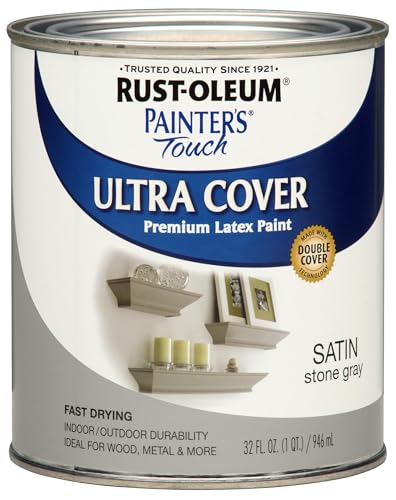
This acrylic latex is a great budget-friendly choice. Satin Stone Gray sits a touch warm and cozy. It pairs well with tan siding, beige stone, and warm brick. It goes on smooth and has a low odor.
Use a quality synthetic brush and foam roller. Light sanding between coats will help it look pro. Soap and water cleanup keeps it simple. Add a primer on glossy or bare surfaces for better grip.
Pros:
- Affordable and easy to apply with brush or roller
- Satin finish hides small flaws and smudges
- Low odor with water cleanup
- Friendly for DIY users with minimal mess
- Warm gray tone that flatters classic homes
Cons:
- Not as hard as oil enamel on heavy-use metal doors
- May need a primer for glossy or bare surfaces
- Two to three coats may be needed for deep color hold
My Recommendation
If you want the best gray paint for front door use on a budget, this is it. It is great for wood and fiberglass doors that see normal traffic. The satin sheen looks soft yet clean. It is easy to maintain and refresh later.
Choose this when you value low odor and easy cleanup. It suits weekend projects in homes with kids or pets. It is a simple, steady pick that still looks classy at the curb.
| Best for | Why |
|---|---|
| Budget-friendly projects | Great value without losing a smooth finish |
| Warm exterior palettes | Stone Gray complements tan, beige, and warm brick |
| Easy DIY cleanup | Low odor and water cleanup are stress-free |
Rust-Oleum Transformations Cabinet & Trim, Cadet Gray
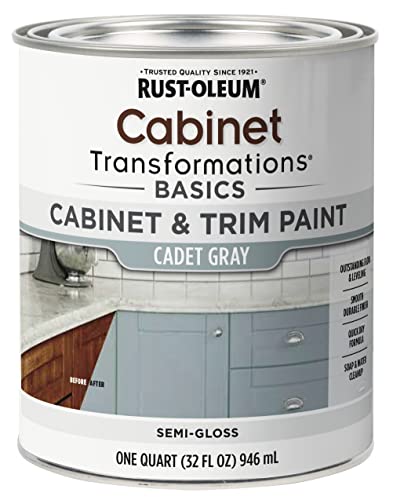
This cabinet-and-trim paint is a sleeper hit for doors. It is block-resistant and resists scuffs. Cadet Gray is a cool, modern shade with a designer feel. It levels like a charm, which helps doors look factory-finished.
The formula is made for high-touch spots. Think cabinets and baseboards. That is why it works on entry doors that see heavy hands and bags. Prep the door well, and it will reward you with a sleek skin.
Pros:
- Block-resistant finish reduces sticking in humid climates
- Scuff and stain resistance suits high-traffic entryways
- Excellent leveling for a near-spray look by brush
- Cool gray shade pairs well with black and silver hardware
- Water-based with low odor and easy cleanup
Cons:
- Cool tone may look stark on warm stone or brick
- Cost can be higher than basic latex options
- Best results need careful prep and thin coats
My Recommendation
Choose this if you want the best gray paint for front door jobs that mimic a factory finish. It is ideal for modern homes and cool color schemes. It stays smooth, resists scuffs, and keeps its edge. It feels premium without the spray rig.
If your door sticks in summer, the block resistance helps. It is great for families who slam doors, carry gear, and live full lives. Pay attention to the first coat. Keep it thin, then build to a deep, even gray.
| Best for | Why |
|---|---|
| High-traffic entries | Scuff and stain resistance protect the finish |
| Humid climates | Block-resistant film reduces sticking |
| Modern curb appeal | Cadet Gray offers a cool, designer tone |
How to Choose the Best Gray Paint for Your Front Door
Picking the best gray paint for front door projects comes down to three things. Start with your door material. Then think about finish and sheen. Finally, match the gray undertone to your home’s palette.
Wood doors like water-based or hybrid paints. Metal doors love oil enamel or latex over a proper primer. Fiberglass needs a bonding primer first for grip. Check your door maker’s care guide when you can.
For sheen, satin hides smudges and looks refined. Gloss pops and cleans fast but shows flaws. Semi-gloss is a safe middle ground. I like satin for wood and semi-gloss or gloss for steel.
Undertone matters. Warm grays suit tan siding and red brick. Cool grays flatter blue siding and black trim. Neutral grays work with almost anything. Always test a sample next to your hardware.
Pro Tips for a Flawless Gray Front Door
Prep is the secret to the best gray paint for front door results. Clean with a degreaser. Rinse and let dry. Sand lightly to dull the old sheen. Wipe off dust.
Prime glossy or bare spots. Caulk gaps. Remove hardware or mask it well. Use a brush for panels and a foam roller for flats. Keep coats thin.
Watch the weather. Aim for mild temps and low humidity. Follow the label for recoat times. Do not close the door until the paint is block-resistant.
Color Pairing Ideas with Gray Front Doors
Gray is flexible. That is why the best gray paint for front door updates fits many homes. Pair warm grays with brass or aged bronze. They feel cozy and classic.
Cool grays love chrome, nickel, and black. Add a crisp white trim for contrast. Try a soft gray with a bold welcome mat. Small accents pull the look together.
Durability, Maintenance, and Touch-Ups
Front doors take hits from sun, rain, and hands. Choose a paint that matches the stress. Oil enamel is very tough on steel. Water-based trim paints keep up on wood and fiberglass.
Clean with a damp cloth and mild soap. Avoid harsh scrub pads. Touch up chips fast to stop moisture creep. Keep a little paint sealed for quick fixes.
Safety and Environmental Notes
Open windows or work outdoors when you can. Wear a mask when sanding. Oil-based paints need mineral spirits for cleanup. Follow local rules for disposal.
If your home is older than 1978, be careful with old lead paint. Use safe sanding methods. Wipe dust well. Prime and seal before you repaint.
FAQs Of best gray paint for front door
What sheen is best for a gray front door?
Satin or semi-gloss is best. Satin hides prints well. Semi-gloss cleans a bit easier and pops more.
Do I need primer before painting a front door gray?
Prime bare wood, rusty metal, glossy paint, or fiberglass. Primer boosts adhesion and color hold.
How many coats should I apply?
Plan for two coats. A third may be needed over dark colors or if you use a light gray.
How long before I can close the door?
Follow the label. Block-resistant formulas help within hours. Oil enamel takes longer.
Which gray works with warm brick or tan siding?
Choose a warm or neutral gray. Satin Stone Gray or Alpine Gray fit well with warm exteriors.
Final Verdict: Which Should You Buy?
Rust-Oleum Advanced Dry in Satin Alpine Gray is the best gray paint for front door projects for most homes. It dries fast, resists sticking, and looks refined.
For steel doors and harsh weather, pick Stops Rust Gloss Smoke Gray. Want a near-factory look by brush? Choose Transformations Cadet Gray. On a budget, Painter’s Touch Satin Stone Gray is a smart, easy pick.
Hands-On Comparison and Real-World Scenarios
Let’s match needs to products. If you paint after work and must close the door by bedtime, block resistance is vital. The Advanced Dry and Transformations lines shine here. They help stop the “stuck-to-weatherstrip” issue that ruins fresh paint.
If your home faces strong sun or salt air, go tougher. The Stops Rust Enamel lays down a hard shell. It resists rust and chalking. It is slower to dry, but it guards the door for the long haul.
When you want a mirror-like gloss on panels, spray can be your friend. The Painter’s Touch 2X Spray lays even coats fast. Remove the door, set it flat, and spray in passes. The finish looks smooth and uniform.
For simple projects on a budget, latex is easy. Painter’s Touch Satin Stone Gray brushes on clean. It hides small flaws, has low odor, and cleans with water. It is a reliable pick for rentals and flips too.
Undertones: Picking the Right Gray for Your Exterior
The best gray paint for front door projects starts with undertones. Warm grays have a hint of brown or beige. They look calm with clay roofs, tan siding, and red brick. Cool grays have blue notes. They match black trim and blue siding.
Neutral grays sit in the middle. They blend with many palettes. Hold a swatch up at different times of day. Morning light is cool. Sunset is warm. This helps you see the true tone.
Hardware matters. Bronze warms a cool gray. Chrome cools a warm gray. Match or contrast on purpose, not by chance.
Application Steps for a Pro-Level Front Door Finish
Step 1: Remove hardware or tape it off well. Take the door off if you plan to spray. Lay it flat on padded sawhorses.
Step 2: Clean with a degreaser. Rinse and dry. Sand lightly with 220-grit. Wipe dust with a tack cloth.
Step 3: Prime as needed. Spot-prime bare wood, rust, or fiberglass. Let it dry as directed.
Step 4: Cut in panels with a brush. Roll the flats with a foam roller. Keep coats thin. Watch for sags and drips.
Step 5: Let it dry per the label. Check for block resistance before closing. Add a second coat for full color and build.
Weather and Timing Tips
Choose a dry day with mild temps. Avoid direct sun on the door while painting. Paint in the shade if you can. High heat can flash-dry and cause lap marks.
Humidity slows dry time. Use fans and airflow. If rain is due, wait. Even the best gray paint for front door projects needs time to cure.
Common Mistakes to Avoid
Do not skip sanding. New paint sticks better to a scuffed surface. Do not apply too thick. Thick coats sag and cure slow.
Do not ignore the edges. Paint the top and sides to seal out moisture. Do not rush recoat times. Respect the label for a strong bond.
Cost, Coverage, and Value
A quart often covers a front door with two coats, around 80–120 square feet in total across coats. If your door is large or very dark, buy two quarts to be safe. Sprays may need multiple cans, especially for two full coats.
Value is not just price. It is time saved and finish quality. The best gray paint for front door use helps you avoid do-overs. A smooth, strong coat saves money long term.
Matching Grays to Your Home Style
Modern homes love cool, deep grays with gloss or satin. Farmhouse or craftsman styles look nice with warm, soft grays in satin. Traditional brick pairs well with balanced grays that do not skew blue.
Add contrast with trim. A white frame makes the door pop. Black hardware works with most grays. Keep the mailbox, numbers, and light in the same metal finish if you can.
Maintenance Plan After You Paint
Clean the door twice a year. Use mild soap and water. Rinse and dry with a soft cloth. Touch up chips before winter and summer.
Oil hinges after paint cures to reduce squeaks. Tighten screws on the handle set. Keep weatherstripping clean to reduce sticking.
Why I Trust These Picks
I select paints that I have used on real doors. I look at drying, leveling, and block resistance. I also watch how the color reads in sun and shade. I test how it cleans and touches up.
Manufacturer data helps with prep and compatibility. Painters’ best practices still rule. Clean, sand, prime as needed, and apply thin coats. The right gray and formula will reward your prep.
The Bottom Line on Shade Selection
If you are torn between tones, start neutral. The best gray paint for front door updates should match your home, not fight it. Alpine Gray and Stone Gray are safe picks.
For modern drama, try Gloss Dark Gray or Cadet Gray. For metal doors in rough weather, Stops Rust Smoke Gray is strong. Let your light, hardware, and siding guide the choice.
Quick Decision Guide
- Need fast dry and no sticking? Choose Advanced Dry Satin Alpine Gray.
- Painting a steel door near the coast? Pick Stops Rust Gloss Smoke Gray.
- Want glassy gloss with spray? Go with Painter’s Touch 2X Gloss Dark Gray.
- On a budget with kids and pets? Try Painter’s Touch Satin Stone Gray.
- Chasing a factory-smooth brush finish? Use Transformations Cadet Gray.
Final Prep Checklist
- Clean, sand, and dust off the surface
- Prime glossy, bare, or rusty spots
- Choose satin, semi-gloss, or gloss as needed
- Plan for two coats and proper dry times
- Confirm block resistance before closing the door
Key Takeaways
The best gray paint for front door projects gives you more than a color. It gives you time saved, fewer marks, and stronger wear. It should match your door material and climate.
Choose the sheen for beauty and cleaning ease. Use thin coats. Respect recoat times. Test your gray in your real light before you commit.
My Personal Favorite and Why
Rust-Oleum Advanced Dry Satin Alpine Gray is my go-to. It makes door jobs calm and quick. The satin finish looks high-end but hides smudges. The color pairs with so many homes.
It is the best gray paint for front door projects when you want speed, style, and sanity. It levels well, resists sticking, and cures strong. It is easy to recommend to first-time and seasoned DIYers alike.
Related posts:
 Best Color To Paint Front Door With Red Brick: These 5 Front Door Colors Never Fail
5 Best Red Paint Color For Front Door: Door Colors for Instant Curb Appeal
Best Color To Paint Front Door With Red Brick: These 5 Front Door Colors Never Fail
5 Best Red Paint Color For Front Door: Door Colors for Instant Curb Appeal
 12 Best Colors to Paint a Front Door That Make Any Home Look More Expensive
 Best Paint Brush for Front Door: Tested This 5 Brush for a Smooth Finish