
The best paint primer depends on the surface and type of paint. For wood and drywall, a high-quality acrylic or latex primer provides excellent adhesion and stain-blocking. For metal or rust-prone surfaces, use a rust-inhibiting or epoxy primer to prevent corrosion. For glossy or hard-to-paint surfaces, a bonding primer ensures the topcoat sticks properly. Choosing the right primer improves paint coverage, durability, and finish quality, making it an essential step before painting any surface.
You have a wall with shiny paint that keeps peeling. Or a ceiling with a yellow water ring that bleeds through every new coat. Maybe it is a slick PVC trim that laughs at regular paint. This is where the right primer saves the day. The best paint primer grips hard-to-paint surfaces, locks in stains, and gives you a smooth base. It helps the topcoat look even and last longer. I have seen cheap paint fail because the primer step got skipped. Pick right once, and your finish looks pro for years.
Zinsser Bulls Eye 1-2-3 Primer, Quart

This classic water-based primer is a go-to choice for mixed surfaces. It sticks to glossy paint, vinyl, and even metal with light rust. It blocks mild stains and gives paint a strong, even base. I reach for it when I want one simple can that solves many tasks.
Dry time is quick, which keeps jobs moving. It sands smooth and has low odor. It works indoors and outdoors, which adds value. If you want the primer for everyday use, this one is high on my short list.
Pros:
- Excellent adhesion to glossy and hard surfaces
- Blocks light to moderate stains and tannins
- Low odor and water clean-up
- Quick dry helps with same-day topcoat
- Works on drywall, wood, metal, and masonry
- Mildew-resistant finish for damp areas
Cons:
- Not ideal for heavy smoke or severe water stains
- May need two coats on deep colors or knots
- Can raise grain on raw softwood without sanding
My Recommendation
If you want one can to handle most home projects, pick this. It is the best paint primer for mixed rooms, rentals, and repaints. It shines when you need strong stick and a clean base fast. Use it on trim, drywall patches, or old glossy walls without a headache.
| Best for | Why |
|---|---|
| General interior/exterior priming | Great adhesion and stain blocking in one |
| Glossy repaint jobs | Bites onto slick old paint with minimal sanding |
| Quick weekend projects | Fast dry and easy water clean-up |
Zinsser Bulls Eye Water-Base Primer, Quart
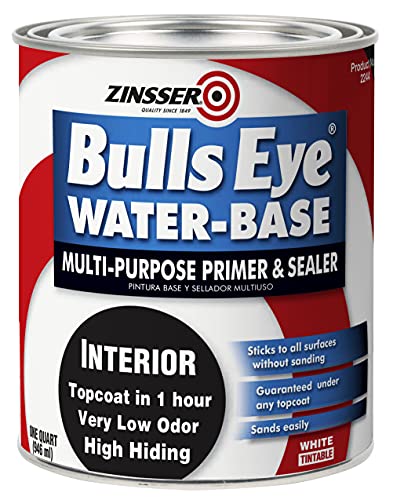
This water-base primer and sealer is built for smooth, even coverage. It seals porous surfaces like drywall and plaster well. It also lays down a uniform film that helps topcoats level out. I like it for fresh drywall or patch-heavy rooms.
It is forgiving and easy to brush or roll. Odor is low and clean-up is simple. It is a steady pick when you aim for a clean, bright base coat.
Pros:
- Great sealer for new drywall and joint compound
- Low odor and quick drying for tight timelines
- Helps topcoats cover better with fewer laps
- Works on wood, plaster, and lightly glossy paint
- Easy application for DIY or pros
Cons:
- Not ideal for heavy stains or smoke damage
- Adhesion on hard plastics is limited
- May need an extra coat under deep reds or blues
My Recommendation
Use this on new drywall, bright kitchens, or kid rooms. It seals and evens the surface, so color coats pop. If you want the primer for fresh walls without strong fumes, this is it. Your topcoat will love the uniform base.
| Best for | Why |
|---|---|
| New drywall and patches | Seals pores and evens out texture fast |
| Plaster and matte surfaces | Creates a smooth, consistent base coat |
| Low-odor indoor projects | Comfortable to use with simple cleanup |
Zinsser Mold Killing Primer, Quart
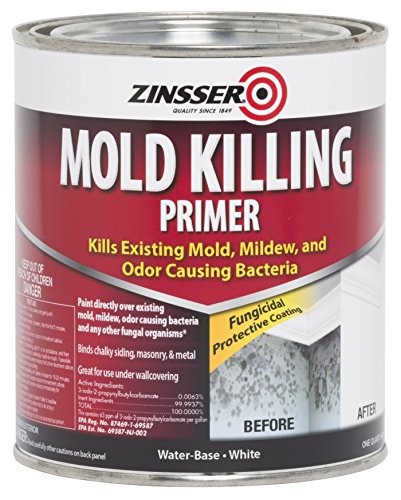
This water-based primer is designed for problem areas hit by moisture. It contains an EPA-registered mildewcide to help resist mold and mildew on the dried paint film. It seals stains from past growth after proper cleaning. I use it in bathrooms, basements, and laundry rooms.
It goes on white and covers tan water marks well. Odor is modest, and it dries fast. It is not a fix for leaks, but it helps a lot after you fix the source. As the primer for damp zones, it earns a spot in my kit.
Pros:
- Formula includes mildewcide for mold and mildew resistance
- Good stain blocking for past moisture issues
- Low odor and water clean-up
- Ideal for baths, basements, and kitchens
- Helps control musty odors when topcoated
Cons:
- Not a substitute for removing active mold and fixing leaks
- White-only; may need tinting for deep colors
- Severe stains can still need a second coat
My Recommendation
Use it after you dry out and clean the area. Then this primer helps keep the finish clean. If your space gets steamy or damp, this is the best paint primer to build your paint system on. It adds defense and a solid seal in one step.
| Best for | Why |
|---|---|
| Bathrooms and showers | Resists mildew on the paint film |
| Basements and laundry areas | Blocks prior water stains and musty odors |
| Remodels after leaks | Seals cleaned surfaces before repainting |
Liquitex BASICS Gesso, 16 oz
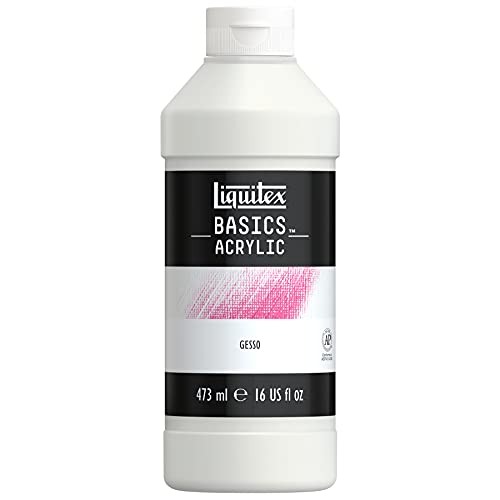
This is an artist gesso, not a house primer. I include it because many ask about priming furniture or canvas decor. It creates a flexible, toothy surface for acrylic or oil paint. On canvas, wood panels, or paper, it helps paint grab and last.
It dries fast and sands smooth. You can tint it a bit if you want a toned ground. It is not made for exterior or for wall paint systems. For art and craft, it can be the best primer you reach for.
Pros:
- Ideal tooth for acrylic and oil on canvas and wood
- Quick dry and easy to sand for smooth art grounds
- Flexible film that resists cracking on canvas
- Can be layered for more opacity
- Water-based and low odor
Cons:
- Not a substitute for wall or trim primers
- Not for exterior or high-wear furniture tops
- Often needs 2–3 coats for solid coverage
My Recommendation
Choose this for art panels, DIY signs, and canvas crafts. It gives paint grip and an even white ground. If your project is art, this can be the best primer for a clean, bright base. Keep it in the studio, not the garage wall shelf.
| Best for | Why |
|---|---|
| Canvas and panels | Provides proper tooth and flexibility |
| Craft and sign projects | Fast, smooth prep that accepts many paints |
| Practice boards | Cost-effective ground for studies and tests |
Best Zinsser Primer for Wood (2026) – Top Picks for Sealing & Stain Blocking
Zinsser B-I-N Advanced Synthetic Shellac, Quart

When stains are brutal, shellac technology rules. This synthetic shellac blocks smoke, heavy tannins, knots, markers, and pet odors. It dries fast and sands to a fine, glassy base. I rely on it for cabinets, doors, and trim with rich wood bleed.
It adheres to glossy varnish and many slick surfaces. It also locks in odor from old musty pieces. Cleanup is simpler than classic shellac systems. If you need the best paint primer for extreme stain block, this is top tier.
Pros:
- Elite stain block for smoke, knots, and marker
- Seals odors in furniture, cabinets, and trim
- Fast dry; sands ultra-smooth
- Adheres to many slick or sealed surfaces
- Lower odor and easier cleanup than traditional shellac
Cons:
- Higher price than standard water-based primers
- Use good ventilation during application
- Not flexible; avoid on surfaces that move a lot
My Recommendation
Reach for this when other primers fail to hide stains. It makes tough jobs simple. If you want the primer for cabinets or smoke-damaged rooms, start here. Your topcoat will look clean, and bleed-through will stop.
| Best for | Why |
|---|---|
| Knots and tannin-heavy wood | Superior block prevents yellow or brown bleed |
| Smoke and pet odor areas | Locks odors so finish smells clean |
| Cabinets and trim | Sands smooth for a pro-grade topcoat |
Rust-Oleum Painter’s Touch 2X Primer Spray

This spray primer is a time saver for small projects. It lays down a quick, even coat on wood, metal, and plastic. The comfort tip helps reduce finger fatigue. I like it for chairs, frames, vents, and grills.
It dries fast, so you can recoat soon. The film helps topcoats cover better and last. It is handy to reach odd angles and tight spots. For small items, this may be the best paint primer format you can use.
Pros:
- Fast spray application with even coverage
- Works on wood, metal, and many plastics
- Quick dry for rapid project turnaround
- Comfort tip reduces finger strain
- Great for detailed or hard-to-brush areas
Cons:
- Aerosol overspray requires masking and ventilation
- 12 oz can covers smaller areas only
- Noisy or windy conditions make spraying hard
My Recommendation
Use it for chairs, hardware covers, and décor. It is fast and clean for simple items. If small projects are your focus, this is the best paint primer to keep on the shelf. It saves time and boosts finish quality.
| Best for | Why |
|---|---|
| Small furniture and décor | Spray reaches angles and spindles with ease |
| Metal and plastic parts | Adhesion and coverage in a quick coat |
| Fast weekend touch-ups | Dries quick for same-day finish |
INSL-X Stix Bonding Primer, Quart
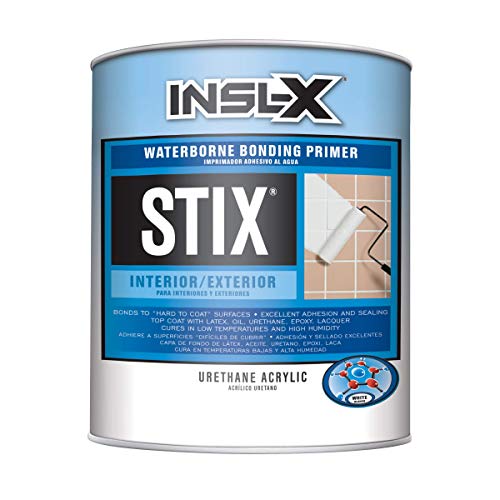
This acrylic bonding primer sticks where others fail. It grabs PVC, glossy tile, glass, galvanized metal, and even fiberglass. It levels well and accepts most topcoats. I use it when adhesion is the main risk.
It can be applied in cooler temps, which is helpful in a garage or basement. It is water-based and low odor. Let it cure well before heavy use. If grip is the goal, this can be your best paint primer choice.
Pros:
- Superb adhesion to hard, slick, or glossy materials
- Works in lower temperatures compared to many primers
- Water-based with simple clean-up
- Smooth film that sands and topcoats nicely
- Ideal base for cabinets, tile, and PVC trim
Cons:
- Not a strong stain blocker
- Full cure takes time; avoid early abuse
- Higher cost than standard drywall primers
My Recommendation
Pick this for glossy tile surrounds, PVC trim, and laminate cabinets. It locks in your topcoat. If adhesion failure worries you, this is the best paint primer to trust. It makes slick surfaces paintable with less sanding.
| Best for | Why |
|---|---|
| Glossy tile or glass | Engineered for extreme adhesion |
| PVC and composites | Paint sticks without harsh etching |
| Cabinets and laminates | Creates a durable base for finish coats |
Glidden Interior Drywall Primer, Gallon
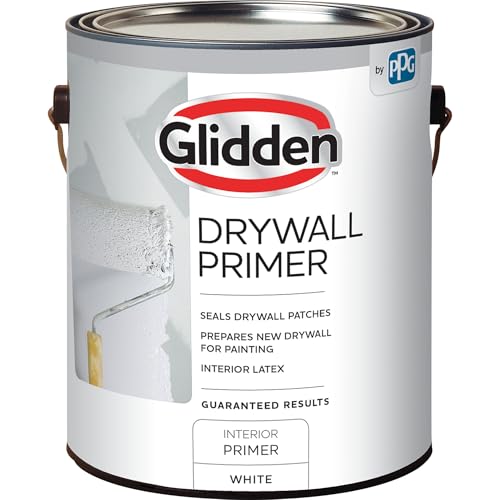
This interior drywall primer is made to seal new gypsum board. It evens out the porosity of paper and joint compound. It lays a uniform base so topcoats do not flash or look blotchy. I choose it when I am finishing a new room.
It rolls on easy and dries in a couple of hours. Odor is low and cleanup is simple. It is budget-friendly in gallon size, which suits larger jobs. For fresh walls, it is often the best paint primer value.
Pros:
- Seals porous drywall and joint compound
- Helps prevent flashing and patch telegraphing
- Low odor and easy rolling
- Great value in gallon format
- Good base for matte or eggshell topcoats
Cons:
- Not for heavy stains or smoke
- Limited grip on glossy or hard surfaces
- May need two coats on rough or highly sanded mud
My Recommendation
Use it for new homes, basement finish-outs, and remodel patches. It makes color coats look even and bright. If your job is mostly new board, this is the best paint primer to start with. It locks in the surface so you get pro results.
| Best for | Why |
|---|---|
| New drywall | Balances porosity for a uniform finish |
| Patch-heavy walls | Reduces flashing and texture mismatch |
| Budget large jobs | Gallon value with solid performance |
Zinsser Peel Stop Triple Thick Primer

This high-build binding primer glues down edges of old, failing paint. It fills hairline cracks and creates a smoother base. It is a lifesaver on exteriors with chalk or peel. I use it when a full strip is not in the cards.
It goes on thick and dries to a hard, flexible film. It makes scraping and feather sanding more forgiving. It is not a cure for rotten wood or deep failure. But as a rescue step, it can be the best paint primer in your tool set.
Pros:
- Binds peeling and chalky paint to a stable surface
- High-build formula bridges small cracks
- Helps avoid complete paint removal in spot repairs
- Improves topcoat adhesion and appearance
- Useful on aging siding and trim
Cons:
- Not a fix for rot or severe substrate damage
- Heavier film can extend dry time in cool or humid air
- May need more product per square foot
My Recommendation
Pick this for old houses with peeling trim and siding. It stabilizes what is left. If you need to save time and still do it right, this can be the best paint primer for binding and build. Prep well, then lock it down.
| Best for | Why |
|---|---|
| Exterior rescue jobs | Stabilizes peeling edges and chalk |
| Cracked trim and fascia | High build bridges hairline checks |
| Spot repairs | Improves adhesion without full strip |
FAQs Of best paint primer
Do I always need primer before painting?
No, not always. If a wall is clean, dull, and sound, paint can stick. But primer is smart for stains, color changes, new drywall, or slick surfaces. It helps the topcoat last.
What is the best paint primer for water stains or smoke?
Use shellac or synthetic shellac for severe stains. It locks in smoke, tannins, and marker fast. For lighter stains, a top acrylic bonding primer can work.
How long should I wait to paint over primer?
Most water-based primers are ready in 1–4 hours. Shellac-based options can be ready even faster. Check the label and mind temperature and humidity.
Can primer replace sanding on glossy surfaces?
Primer helps, but scuffing still boosts grip. Use a bonding primer and a light sand for best results. Clean dust and oils before you prime.
What is the difference between a primer and a sealer?
Many primers also seal. But a sealer focuses on blocking porosity and stains. A primer focuses on adhesion and creating a paintable base. Many products do both.
Final Verdict: Which Should You Buy?
If you want one-can versatility, Zinsser Bulls Eye 1-2-3 is my easy pick. For extreme stains and odors, choose B-I-N Advanced Synthetic Shellac as the best paint primer to stop bleed.
For slick surfaces, INSL-X Stix wins. New drywall? Grab Glidden’s drywaller. Target your problem, and you will land the best paint primer for a smooth, durable finish.
Related posts:
 Best mm Roller for Painting Walls – Expert‑Recommended Rollers for Smooth Coverage
 How to Test Emulsion Paint for Compatibility With Your Surface: Expert Tips
 Recommended Moisture Level for Paint – Ideal Percentages for Wood, Walls & Concrete
 How to Paint Varnished Wood Successfully: Best Paints, Primers, and Tips