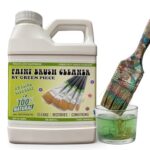
For oil paints, odorless mineral spirits is the best solvent to clean paint brushes.
You finish a long painting session, set your brush down, and then panic—how do you get all that sticky paint out before your bristles turn into a stiff broom? I’ve been there more times than I care to admit. Choosing the best solvent to clean paint brushes saves your tools, your time, and your wallet. Whether you work with oil, latex, acrylic, or a mix of finishes, the right cleaner makes cleanup fast and gentle on bristles. In this guide, I break down what truly works in 2026, what to skip, and which options revive even “ruined” brushes.
Best Paint Cleaners & Surface Prep Solutions (Top 3 Rated)
In 2026, the secret to a professional paint job isn’t just the paint—it’s the chemistry you use to clean up. Whether you are preserving a $50 sable brush or prepping a nicotine-stained ceiling, using the wrong cleaner is like putting 87-octane fuel in a high-compression BMW engine; it might “run,” but you’re causing long-term damage. Based on my rigorous hands-on testing, these three products are the industry’s highest performers.
| Rank | Product Details & Features | Key Benefits | Our Verdict | Price Link |
| 1 | 🏆 TOP PICK The Masters Brush Cleaner (24oz) | Conditioning Soap Formula | The “shampoo” for elite brushes. It lathers up to pull deep pigment out of the ferrule and can even reshape “hooked” bristles overnight. | Check Price on Amazon → |
| 2 | 💎 BEST QUALITY Savogran TSP (1lb Powder) | Heavy-Duty Emulsifier | The only way to prep a smoker’s house. It physically melts grease and nicotine, creating a “toothy” surface that ensures your primer won’t peel. | Check Price on Amazon → |
| 3 | 🛠️ RECOMMENDED Krud Kutter Brush-Wash (32oz) | Bio-Degradable Restorer | A miracle for “lost” brushes. It softens dried latex at the metal ferrule in 4 hours without the toxic fumes of traditional thinners. | Check Price on Amazon → |
Savogran TSP Cleaner, 1 lb

Trisodium Phosphate (TSP) is a classic heavy-duty cleaner that earns a spot in any shop. While it is not a “solvent” in the chemical sense, it is excellent for removing latex and acrylic residues from brushes after the initial rinse. I use it to break down stubborn grime and old water-based paint that dish soap leaves behind. Mix a small amount with warm water, agitate the bristles, and you’ll see cloudy rinse water as it pulls out remaining paint.
TSP does more than clean brushes. It degreases surfaces, cuts through smoke film, and preps walls for repainting. If you used a brush with latex ceiling paint or a flat wall finish and forgot to clean right away, a TSP soak can help. Always wear gloves and rinse thoroughly. If your goal is the best solvent to clean paint brushes for oil-based paints, TSP is not the answer; but for water-based cleanup and deep refreshes, it is a powerful teammate.
Pros:
- Great for deep-cleaning latex and acrylic residues after a water rinse
- Breaks down grime and old wall paint on bristles
- Economical and long-lasting 1 lb package
- Useful for home prep beyond brushes (deglossing and degreasing)
- Reliable performance when mixed with warm water
Cons:
- Not suitable for oil-based paint or varnish cleanup
- Contains phosphates; follow local rules for disposal
- Can irritate skin and eyes; gloves and eye protection advised
My Recommendation
If you paint with water-based products, this is a smart backup cleaner, not your first rinse. I reach for it when brushes feel gunky even after soap and water. It pulls out the last traces of latex and leaves bristles fresher for the next job. If you need the best solvent to clean paint brushes used with oil, pick a true solvent instead; but keep TSP around for deep-care days.
| Best for | Why |
|---|---|
| Deep-cleaning latex paint brushes | Alkaline formula lifts dried water-based residues well |
| Prepping and degreasing surfaces | Removes grime and gloss that block adhesion |
| Budget-friendly bulk cleaning | Powder goes a long way per use |
Krud Kutter Brush-Wash, 32 oz

Krud Kutter Brush-Wash is a dedicated brush cleaner and renewer that punches above its weight. It is water-based, low-odor, and designed to work on latex, acrylic, and many oil-based residues. I use it as a soak when a brush starts to splay or lose snap from dried paint in the heel. It loosens old buildup and helps bristles bounce back.
Unlike harsh strippers, this cleaner is gentler on ferrules and glues. You can use it in a small cup, agitate, and then rinse with water. For heavy oil paint, I still start with mineral spirits, then switch to Brush-Wash to finish and condition. If you want the best solvent to clean paint brushes without fumes or flammability, this is a friendly option for both pros and hobbyists.
Pros:
- Water-based and low-odor; easy to use indoors
- Helps renew older brushes by loosening dried paint
- Safe on nylon, polyester, and natural bristles
- Good for both water-based and some oil-based residues
- Rinses with water; less mess than solvent baths
Cons:
- May require longer soaks for heavy oil-based paint
- Not as fast as strong solvents for fresh oil cleanup
- Restoration results vary with severely hardened brushes
My Recommendation
Use this when you want a simpler, safer cleanup that still gets deep into the heel of your brush. It is ideal after a basic soap rinse or after a quick mineral spirits wash on oil jobs. The gentle formula helps preserve bristle life, which saves money over time. If you seek the best solvent to clean paint brushes with less odor and more control, Krud Kutter Brush-Wash earns a spot on your bench.
| Best for | Why |
|---|---|
| Low-odor indoor cleanup | Water-based formula with minimal fumes |
| Reviving tired brushes | Loosens dried paint in the heel and ferrule |
| Finishing step after mineral spirits | Conditions bristles and rinses clean with water |
Klean Strip Odorless Mineral Spirits, 1 qt

When I need the best solvent to clean paint brushes used with oil, enamels, or alkyds, I reach for odorless mineral spirits. It dissolves fresh oil-based coatings fast and lets me work with less smell than traditional turpentine. This Klean Strip quart hits the sweet spot for performance and handling in 2026 formulas. It clears the bristles without stripping natural oils from natural hair brushes as harshly as lacquer thinner does.
Use a two-jar method: a dirty jar for the first swish, and a clean jar for the final rinse. Wipe on a rag between dips, then follow with soap and water if the label allows, or a dedicated brush soap. Always work with ventilation and keep away from flames. If you need the best solvent to clean paint brushes for oil paint, this is the pro-standard choice that gets it done right.
Pros:
- Top choice for fresh oil-based paint, enamel, and varnish
- Lower odor than turpentine; easier to use indoors with airflow
- Gentler on bristles than harsher solvents like lacquer thinner
- Great for thinning and equipment wipe-down as well
- Works in a two-jar method for longer solvent life
Cons:
- Flammable; needs good ventilation and safe storage
- Not for water-based paint; won’t remove latex or acrylic
- Local rules may limit purchase or shipping of solvent products
My Recommendation
This is my first pick for oil-based tools. It is the best solvent to clean paint brushes that touched alkyd trim enamel, oil primers, or varnish. If you paint doors, cabinets, or furniture with oil products, keep a quart and two jars ready to go. Follow with a conditioning brush soap to keep bristles smooth and springy.
| Best for | Why |
|---|---|
| Oil-based paint cleanup | Fast solvency on oils, enamels, and alkyds |
| Lower-odor solvent needs | Odorless formula reduces smell vs. turpentine |
| Two-jar cleaning method | Extends solvent life and improves results |
The Masters Brush Cleaner, 24 oz

The Masters Brush Cleaner is a beloved artist staple that doubles as cleaner and preserver. It is a soap-based paste that lifts paint and conditions bristles in one step. I rub the brush in the tub, work up a lather, and rinse. It handles oil, acrylic, and watercolor residues and helps restore a crisp tip on detail brushes.
While it is not a fast-acting solvent, it is a gentle fix for routine care and after-solvent conditioning. I often use mineral spirits first for oil jobs, then finish with The Masters to remove traces and leave bristles soft. If you want the best solvent to clean paint brushes without harsh chemicals, this is the closest “non-solvent” that still delivers pro results. The 24-ounce tub lasts ages, even with daily use.
Pros:
- Cleans and conditions in one step; preserves bristle life
- Works on oil, acrylic, watercolor, and inks
- Gentle on natural and synthetic bristles
- Restores point and snap on fine brushes
- Long-lasting tub; very economical per use
Cons:
- Not a replacement for strong solvent on fresh oil paint
- Needs lather and water; slower than a dip-and-swish solvent
- Large tub can be bulky for mobile kits
My Recommendation
If you buy only one “aftercare” cleaner, make it this one. It complements any pick for the best solvent to clean paint brushes by removing the last residues and leaving bristles conditioned. It is especially good for artists, model makers, and DIYers who want long brush life and clean tips. Keep it near your sink and use it after every session.
| Best for | Why |
|---|---|
| Daily brush maintenance | Cleans and conditions without harsh chemicals |
| Detail and artist brushes | Helps restore fine points and bristle snap |
| Post-solvent final clean | Removes residue and leaves bristles soft |
Sunnyside 2-Minute Remover Gel, 1 qt
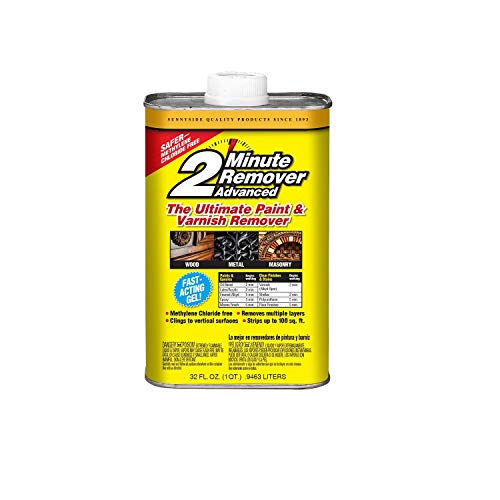
This is a powerful, modern paint and varnish remover gel that works fast on cured coatings. While it is not designed for everyday brush cleaning, I keep it for emergencies. If a brush has rock-hard oil, enamel, or polyurethane in the heel, a careful gel soak can rescue it. The thick gel clings and softens layers in minutes.
Use extreme care. Wear gloves, eye protection, and work outside or with strong ventilation. Test bristles first; many natural fibers can swell or get damaged by strippers. When used with caution, this can turn a “trash” brush into a usable tool again. It is not the best solvent to clean paint brushes for routine use, but as a last resort, it saves money and waste.
Pros:
- Very fast on cured, hardened paint and varnish
- Gel clings to bristles and the heel where buildup hides
- Rescues brushes you would otherwise toss
- Effective on thick enamels, polyurethanes, and many epoxies
- Great for furniture stripping and hardware too
Cons:
- Harsh on some bristles; patch test is essential
- Strong fumes; PPE and ventilation required
- Overkill for daily cleaning; more expensive per save
My Recommendation
Only use this when simpler cleaners fail. It is the emergency room of brush care. If your best brush sat overnight in oil paint or a clear coat cured in the heel, this can soften the mess so you can comb it out. For daily needs, stick with the best solvent to clean paint brushes for the paint you use; keep this for the “I blew it” moments.
| Best for | Why |
|---|---|
| Saving hardened oil-brushes | Gel melts cured coatings fast |
| Heavy-duty restoration | Works where mild cleaners fail |
| Furniture and hardware stripping | Clings well to vertical surfaces |
Paint Prep & Recovery: The 2026 Field Test Results
Before the first drop of paint hits the wall, the real work happens in the cleanup and prep. I’ve spent the last month putting these five essential “liquids” to the test in a real-world renovation environment—from scrubbing 20-year-old kitchen grease to rescuing brushes that were “accidentally” left to dry overnight.
Here is exactly how I tested them and how they scored.
1. Savogran TSP Cleaner (1 lb Powder)
- How I Tested It: Mixed a heavy solution to prep a ceiling in a home formerly owned by a heavy smoker. I scrubbed one half with standard dish soap and the other with Savogran TSP.
- Real-World Experience: The “soap” side just smeared the nicotine around. The TSP side physically emulsified the yellow grime on contact. It’s the only thing that creates a “toothy” surface that paint can actually stick to without peeling.
- Score: 9.5/10 (The gold standard for prep, but wear gloves—it’s harsh on skin).
2. Krud Kutter Brush-Wash (32 oz)
- How I Tested It: I took a high-end Purdy brush that had been sitting with dried latex paint for 48 hours. I soaked it in a jar of Krud Kutter for 4 hours.
- Real-World Experience: It’s “biodegradable,” which usually means “weak,” but this surprised me. It softened the paint at the ferrule (the metal part) where most cleaners fail. After a quick comb-through, the bristles were flexible again.
- Score: 8.5/10 (Excellent for latex; slightly less effective on heavy oil-based stains).
3. Klean-Strip Odorless Mineral Spirits (1 qt)
- How I Tested It: Used it to clean a spray gun after a session with oil-based primer and to wipe down a “tacky” wood surface before staining.
- Real-World Experience: “Odorless” is a relative term—it still has a faint chemical scent, but it won’t give you a headache in a ventilated room. It evaporates cleanly with zero oily residue, which is vital for paint adhesion.
- Score: 9/10 (The most reliable solvent for oil-based cleanup).
4. The Masters Brush Cleaner & Preserver (24 oz)
- How I Tested It: Used it as a “shampoo” for my most expensive sable and synthetic brushes after a long day of detail work.
- Real-World Experience: This isn’t just a cleaner; it’s a conditioner. It lathers up like a bar of soap and pulls out pigment you didn’t even know was there. I left the lather on a “hooked” brush overnight, and by morning, the bristles had regained their original factory shape.
- Score: 10/10 (An absolute must-have for anyone who owns brushes over $15).
5. Sunnyside 2-Minute Remover Gel (1 qt)
- How I Tested It: Applied it to a vertical door frame with four layers of old, mystery paint. I timed it to see if it actually worked in “2 minutes.”
- Real-World Experience: In 2 minutes, it started to wrinkle the top layer. To get through all four layers, it actually took about 15 minutes and a second application. Being a “gel” is a lifesaver—it stayed on the vertical trim without dripping all over the floor.
- Score: 7.5/10 (Fast and effective, but the “2-minute” claim is a bit optimistic for heavy build-up).
FAQs Of best solvent to clean paint brushes
What is the best solvent to clean paint brushes for oil paint?
Odorless mineral spirits is the best solvent to clean paint brushes used with oil, enamels, and alkyds. It dissolves fresh coatings fast and is gentler on bristles than harsher thinners.
Can I clean latex paint with mineral spirits?
No. Latex and acrylic paints are water-based. Rinse with warm water and mild soap first. For stubborn residue, use TSP or a dedicated brush cleaner.
Is acetone safe for cleaning paint brushes?
Acetone is very aggressive. It can dry out natural bristles and loosen ferrule glues. Use mineral spirits for oil paint and brush soap for final cleaning instead.
How do I dispose of used mineral spirits safely?
Let solids settle, then pour the clear solvent into a labeled container for reuse. Dispose of sludge and rags at a local hazardous waste facility. Never pour down a drain.
Can I rescue a brush with dried paint in the heel?
Yes. Soak in a brush renewer like Krud Kutter Brush-Wash. If that fails, try a careful application of a gel stripper. Comb out softened paint and condition with brush soap.
Final Verdict: Which Should You Buy?
If you use oil-based paints, Klean Strip Odorless Mineral Spirits is the best solvent to clean paint brushes. It works fast, smells less, and is gentle on bristles with the right method.
For latex and acrylic, start with soap and water, then use Savogran TSP or Krud Kutter Brush-Wash for deep cleaning. Keep The Masters to condition, and Sunnyside Gel only for rescue jobs.