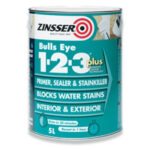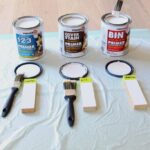
Bin Aqua Vs Bullseye 123 are both primer‑sealers. Bin Aqua is a water‑based version of the classic shellac‑style BIN primer that offers exceptional adhesion, stain blocking, and odour‑blocking. Bullseye 123 is a water‑based universal primer‑sealer that also adheres well to a wide range of materials, dries quickly, and resists mould and mildew thanks to a built‑in biocide.
B-I-N Aqua blocks tough stains; Bulls Eye 1-2-3 wins for general, exterior use.
If you are weighing bin aqua vs bullseye 123, you are choosing between two solid primers with very different strengths. I’ve worked with both on jobs from smoke-damaged rentals to glossy cabinets. In this guide, I break down where each wins, where each struggles, and how to get pro results with less stress and waste. Stick with me to master bin aqua vs bullseye 123 for your next project.
Zinsser 123 Plus vs 123 – Coverage, Adhesion & Best Uses Compared
What These Primers Are (And What They Are Not)
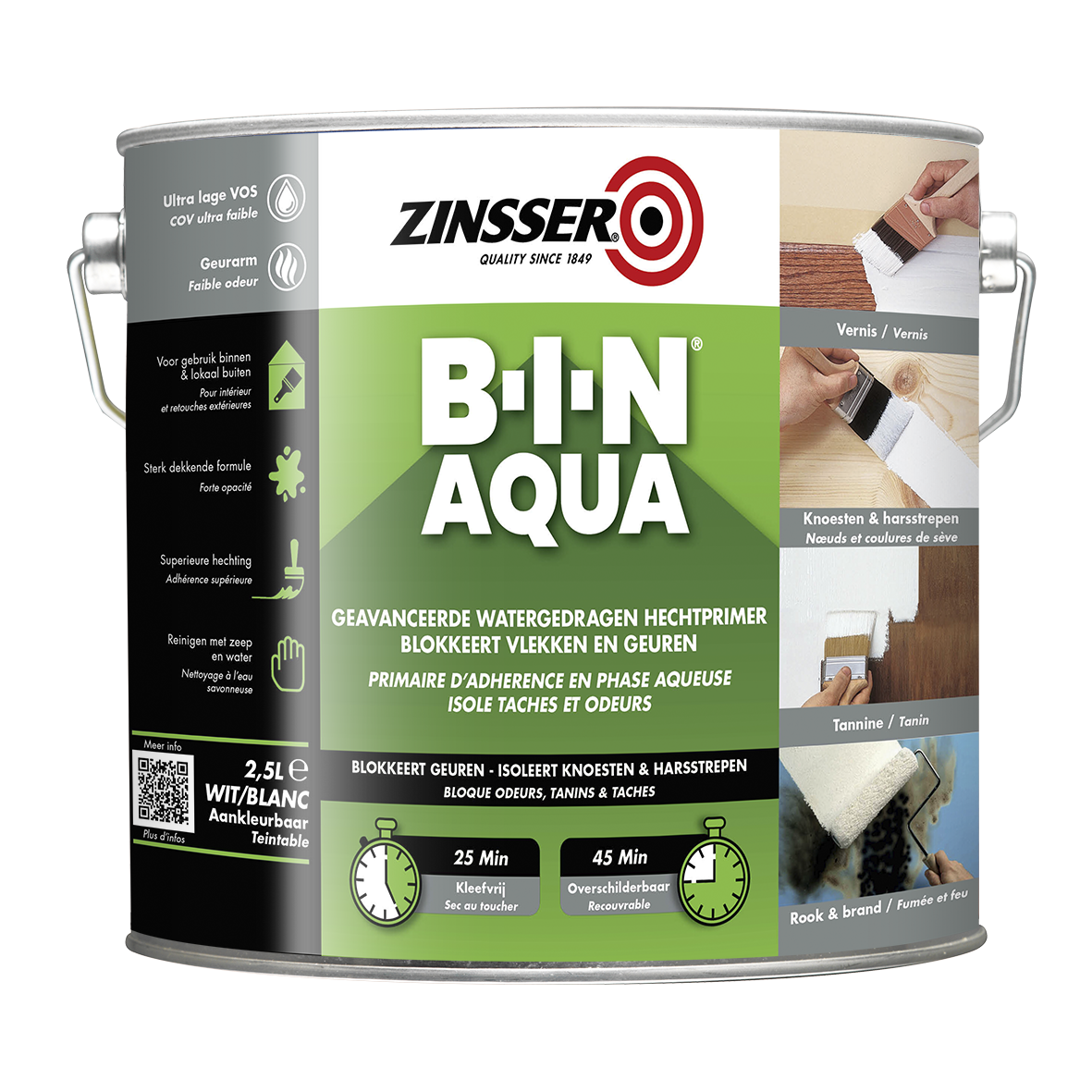
When people ask about bin aqua vs bullseye 123, they are comparing two water-based primers from Zinsser under the Rust-Oleum umbrella.
B-I-N Aqua
- Water-based shellac technology with low odor and soap-and-water cleanup.
- Strong stain blocking for tannins, nicotine, water marks, and smoke.
- Great for cabinets, trim, and spot priming where bleed-through is common.
- Designed mainly for interior work; check your can for exact use ratings.
Bulls Eye 1-2-3
- Water-based acrylic primer with strong adhesion on many surfaces.
- Bonds to glossy tile, PVC, vinyl, and previously painted surfaces without sanding in many cases.
- Interior and exterior use with a mildew-resistant film.
- Good all-purpose choice, but not a heavy-duty odor sealer.

Technical assessments of B-I-N Aqua highlight its “ground-breaking” water-based formula that mimics traditional shellac by sealing knots and sap streaks with ultra-low VOCs (<0.1%). While it matches the adhesion of the original, studies suggest it requires a longer dry time (2 hours) for heavy stain-blocking compared to the 45-minute recoat time of solvent-based alternatives.
Key Differences At A Glance
Here is how I frame bin aqua vs bullseye 123 when advising clients.
- Stain blocking: B-I-N Aqua is stronger for heavy stains and tannins.
- Odor sealing: B-I-N Aqua is better, but the original solvent B-I-N beats both.
- Adhesion: 1-2-3 shines on slick, glossy, and hard-to-paint surfaces.
- Interior vs exterior: 1-2-3 is a safer bet for exterior; B-I-N Aqua is mainly interior.
- Sandability: B-I-N Aqua sands smoother for cabinet-grade finishes.
- Dry time: Both are fast; plan about 45–60 minutes to recoat, per data sheets.

Skip the dusty prep work on glossy cabinets by choosing the right primer between Zinsser 1-2-3 Plus vs 1-2-3 for maximum adhesion.
Performance Deep Dive
Understanding bin aqua vs bullseye 123 starts with what they do best under stress.
Stain blocking
B-I-N Aqua locks in nicotine, water stains, and wood tannins very well. On pine knots and red oak, it stopped bleed for me in one to two coats. 1-2-3 can need extra coats and may still show faint bleed.
Odor sealing
For light pet or cooking smells, B-I-N Aqua works fine. For heavy smoke, I still use the classic solvent B-I-N shellac. 1-2-3 is not ideal for strong odor sealing.
Adhesion and versatility
1-2-3 is a champ on glossy doors, metal, PVC, and tile. It grips without heavy sanding in many cases. B-I-N Aqua adheres well to wood and previous paint but is less universal on slick plastic.
Sandability and finish quality
B-I-N Aqua sands silky. It levels out brush marks, which helps on cabinets and trim. 1-2-3 sands, but the film feels a bit rubbery compared to B-I-N Aqua.
Dry and recoat times
Both dry fast to the touch. Expect a recoat window near 45–60 minutes, depending on temperature and humidity. Always follow your can’s label for your climate.
This is the split in bin aqua vs bullseye 123. One fights stains hard; the other sticks to almost anything inside and out.
When To Choose Each One
This section makes bin aqua vs bullseye 123 simple in the field.
Pick B-I-N Aqua when
- You see tannin bleed, water stains, or nicotine shadows.
- You want a smooth, sandable base for cabinets and trim.
- You need low odor and water cleanup indoors.
Pick Bulls Eye 1-2-3 when
- You are priming a glossy or slick surface, like tile or PVC.
- You need a reliable exterior-rated primer with a mildew-resistant film.
- You want a general-purpose primer for mixed surfaces in one job.

Application Tips For Pro Results
Good technique matters more than brand when comparing bin aqua vs bullseye 123.
- Scuff sand glossy areas with a fine grit, even if the label says you can skip it.
- Clean with a degreaser. Rinse well and let dry.
- Spot prime heavy stains with B-I-N Aqua first. Let it lock in before a full coat.
- Use a high-quality synthetic brush or a fine roller cover.
- Aim thin, even coats. Two light coats beat one heavy coat.
- Allow full cure before sanding between coats. Use a fine grit and a light touch.

Real-World Tests And Lessons Learned
Here is how bin aqua vs bullseye 123 has played out on my jobs.
Smoke-damaged apartment
- I tested 1-2-3 and B-I-N Aqua side by side on a bedroom wall.
- 1-2-3 reduced the yellowing, but it shadowed back after the topcoat.
- B-I-N Aqua sealed it in two coats. But the heavy smoke smell still needed the solvent shellac B-I-N in the worst room.
Knotted pine cabinet doors
- 1-2-3 needed three coats and the knots still flashed.
- B-I-N Aqua blocked bleed in two coats, sanded smooth, and painted like glass.
Glossy exterior metal door
- 1-2-3 gripped well and held up over a hard winter.
- I kept B-I-N Aqua inside for trim and casing where stains were an issue.
These tests shape how I steer bin aqua vs bullseye 123 on real work.

Cost, Coverage, And Tinting
Budget matters when you weigh bin aqua vs bullseye 123.
- Coverage: Expect roughly 300–400 square feet per gallon for both, depending on surface profile.
- Price: 1-2-3 often costs less per gallon. B-I-N Aqua is a premium formula and usually costs more.
- Tinting: Both can be tinted, but keep within light or mid-tone ranges per the label.
Prices change by region and retailer. Always check current data sheets for exact limits.

Environmental And Safety Notes
Trust matters in a bin aqua vs bullseye 123 guide, so here is the clear version.
- Both are low odor and low VOC compared with oil or solvent shellac.
- Ventilate well. Use a respirator if you are sensitive or spraying indoors.
- Do not pour leftovers down drains. Follow local rules for paint disposal.
- Always read the can. Labels vary by market on interior or exterior use and temp limits.

Common Mistakes To Avoid
These errors cause most callbacks when using bin aqua vs bullseye 123.
- Skipping cleaning on greasy kitchens. Primer cannot bond to oil.
- Rushing dry times in cold, damp rooms. Extend the wait if needed.
- Not spot priming stains first. They can ghost back through the topcoat.
- Using the wrong primer outside. Choose 1-2-3 for exterior jobs.
- Sanding too soon. Let the film harden, then sand with a light touch.
Smart Alternatives That Fit The Gaps
Sometimes bin aqua vs bullseye 123 is not enough by itself.
- Zinsser B-I-N original solvent shellac: Best for heavy smoke and pet odors.
- Zinsser 1-2-3 Plus: Stronger stain block than standard 1-2-3 with the same versatility.
- Zinsser Cover Stain (oil-based): Great for exterior wood bleed and tannins.
Use these when the job calls for the extra muscle or special conditions.
Frequently Asked Questions of bin aqua vs bullseye 123
Is B-I-N Aqua better than Bulls Eye 1-2-3 on stains?
Yes, B-I-N Aqua blocks tough stains and tannins better. 1-2-3 can handle light stains but may need more coats on severe cases.
Can I use B-I-N Aqua outside?
Check your label. Many cans list B-I-N Aqua mainly for interior use, while 1-2-3 is a safer pick for exterior work.
Which primer sticks best to glossy surfaces?
Bulls Eye 1-2-3 bonds to glossy surfaces very well without heavy sanding. I still scuff sand for best results and peace of mind.
Which is faster to recoat?
Both are fast, often around 45–60 minutes to recoat under normal conditions. Temperature and humidity can change those times.
Will either block smoke odor fully?
B-I-N Aqua helps with light odors. For heavy smoke or pet urine, the original solvent shellac B-I-N is still the gold standard.
What about cabinets: bin aqua vs bullseye 123?
B-I-N Aqua gives a smoother, more sandable base for wood cabinets and blocks bleed. 1-2-3 is fine on laminate or melamine doors if stain blocking is not needed.
Conclusion
If you want a simple rule for bin aqua vs bullseye 123, match the primer to the problem. Pick B-I-N Aqua when stains or bleed could ruin your finish. Reach for Bulls Eye 1-2-3 when you need broad adhesion and exterior flexibility.
Plan the job, spot prime smart, and follow your label. You will save coats, time, and money. Ready to choose your winner in bin aqua vs bullseye 123? Share your project in the comments, subscribe for more pro tips, and explore our other guides to dial in your next finish.