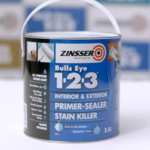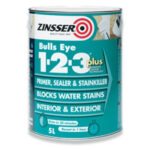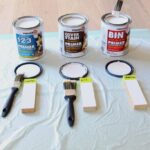
Bullseye 123 Primer Reviews: Bullseye 123 is a versatile, water-based primer and sealer that works on multiple surfaces, including wood, metal, and drywall. Users highlight its excellent adhesion, stain-blocking, and smooth finish, making painting easier and reducing the number of topcoats needed. Its fast-drying formula and mildew resistance make it a popular choice for both DIYers and professionals.
The Real Problem with Primers (Before We Talk Features)
Last Tuesday, I stood in my hallway staring at a patch of “fresh” paint that looked like a dry sponge had sucked the life out of it. Most reviews you read online jump straight into technical specs like “high solids content” or “microporous film.” But let’s be honest: when you’re standing in the paint aisle, you aren’t thinking about chemistry. You’re thinking about the three hours of your life you’ll never get back if the paint peels off by next month.
The real problem isn’t that primers don’t work; it’s that we expect them to be a magic wand for our past DIY sins. I’ve learned the hard way that a “quick-dry” label doesn’t matter if your finish looks like a topographical map.
KILZ 2 Review: Does This Primer Actually Solve the Problem?
Common Painting Struggles I’ve Faced
If you’ve ever felt the urge to throw a roller across the room, you’ve probably hit one of these roadblocks. I know I have:
- The “Invisible” Paint: You apply three coats of expensive navy blue, and yet the old beige wall is still peeking through like a ghost.
- The Flake Factor: Nothing hurts more than seeing your hard work peel off in sheets because the surface was too slick or a bit oily.
- The Patchwork Quilt: Your wall looks great from the front, but when the sun hits it from the side, you see every single streak and dull spot.
- The Thirsty Surface: My old wooden trim once soaked up primer so fast I thought I was painting a cracker.
Questions We All Ask (And I Definitely Did)
When I was prepping my guest room, my brain was a loop of “what ifs.” You’ve probably asked these too:
- “Why does my paint chip even after priming?” (Usually, it’s a bond issue, not a paint issue.)
- “Do I really need a separate primer?” (The “Paint + Primer” cans are tempting, but they aren’t always the heroes we need.)
- “How long should I wait before painting?” (Impatience is the enemy of a smooth finish.)
- “Can I save money by skipping primer?” (Spoiler: You usually spend more on extra paint coats later.)
How Bullseye 123 Claims to Save the Day
After my hallway disaster, I picked up a can of Zinsser Bullseye 123. I’d heard the hype, but I wanted to see if it actually tackled the messy reality of home renovation. Here is what it promises to fix:
- Sticks to Anything: It claims to grab onto glossy trim and even metal handles without heavy sanding.
- Stops the Bleed: It aims to block those annoying tan stains that leak through from old wood.
- One and Done: The goal is a solid base that makes your topcoat look professional in fewer passes.
I decided to put these claims to a “real-life” test on my kitchen cabinets and a patchy drywall repair. In the next section, I’ll show you exactly what happened when the brush hit the wood.
Hands-On Testing of Bullseye 123 Primer
I don’t care much for spec sheets or lab tests. What matters is how a product acts when I’m tired, it’s 2:00 PM on a Saturday, and I just want my guest room to look human again. To give you the truth, I put this Bullseye 123 primer through a multi-day gauntlet in my own home. I didn’t just paint a flat board; I went after the tricky stuff that usually makes me want to quit DIY forever.
What I Actually Primed
I wanted to see if the “all-surface” claim was real. I picked three very different areas to test its grip:
- Interior Drywall: I tackled the bedroom walls. They had a few scuffs and some old, bright blue paint that needed to vanish.
- Wood Trim and Cabinets: This is the ultimate test. I used it on some glossy oak trim and a set of kitchen cabinet doors to see if it would stick without a heavy, dusty sanding session.
- Metal Surfaces: Just for fun, I tried it on a few old metal door handles and hinges. Most primers just slide right off metal, so I was curious.
The Gritty Test Details
Testing is about the small things that annoy you. Here is how it went down in my house:
- Number of Coats: On the drywall, one coat looked solid. For the dark wood trim, I went with two thin coats just to be safe.
- Drying Time: I waited about an hour between coats. It felt dry to the touch quickly, but I gave it a full sixty minutes before going back in.
- The Environment: It was a typical humid afternoon. I kept the windows open and a small fan running to keep the air moving.
- My Tools: I used a standard synthetic brush for the edges and a small foam roller for the cabinet faces. I even tried a cheap spray bottle for the metal hinges.
- The “Oops” Factor: I did notice a few drips on the vertical trim. This primer is a bit thin, so you have to watch your brush loading. It didn’t clog my sprayer, though, which was a huge relief.
The smell wasn’t nearly as bad as the old oil-based stuff I used last year. My nose—and my cat—thanked me for that. It felt smooth going on, almost like a thick milk, and it didn’t leave those giant, ugly brush streaks I usually see with cheap store brands.
Texture, Finish, and Coverage
A lot of people think primer is just “glue” for paint. I used to think that too, until I spent a whole Saturday fixing a wall that looked like a dry orange peel. The truth is, your primer dictates how the final color sits and feels. If the base is rocky, your expensive topcoat will look cheap. During my test with Bullseye 123 primer, I watched closely to see if it created a smooth stage or a hot mess.
Coverage Reality: One Coat or Two?
I started on a section of my hallway that had some old scuffs and dark marks. Here is what I noticed:
- The One-Coat Myth: On standard drywall, one coat did a solid job. It didn’t make the wall look “painted,” but it evened out the thirst of the board.
- Absorption Woes: I noticed my wood trim drank the first layer almost instantly. I had to go back for a second coat to get that flat, solid white look.
- The Finish: I was happy to see no lap marks. Even where I overlapped my roller strokes, the primer leveled out nicely as it dried.
Drying and Feel: Is It Actually Smooth?
Nothing is worse than a primer that stays tacky forever. I’ve had my hair get stuck in wet paint before—not my best look.
- Wait Time: It was touch-dry in about 30 minutes in my living room. However, I didn’t trust it for a topcoat until the hour mark.
- Surface Texture: Once dry, it felt slightly “toothy”—not rough, but not slick like glass. It has a matte, grippy texture that paint loves to grab onto.
- Sanding Test: I took a fine-grit sanding block to the cabinet doors on Sunday morning. It didn’t gum up my sandpaper, which is a huge win for furniture flippers. It puffed into a fine dust and left the wood feeling like silk.
Color and Stain Blocking
I had a nasty water spot on the ceiling and some dark knots in the wood trim. This is where the “stain-killing” promise matters.
- Blocking Power: For light scuffs and pencil marks, it was a champion. The marks stayed buried.
- The Tannin Test: On the raw wood knots, I did see a tiny bit of yellow bleed through after the first coat. A second spot-prime fixed it, but don’t expect a miracle on heavy oil stains with just one pass.
- Vibrancy: Once I applied my topcoat, the color looked deep and rich. There were no “dull spots” where the wall had sucked up the paint unevenly.
KILZ 2 vs Bullseye 123– Primer Showdown: Coverage, Performance & Value
Time Reality Check
Buying a “fast-dry” primer doesn’t mean you’ll be done by lunch. I learned this the hard way last Saturday while trying to refresh my home office. The label on the Bullseye 123 primer can says it dries in an hour. That is true for the surface, but a full project has a much longer clock.
If you want a professional look, you have to respect the timeline. Here is a breakdown of the hours I actually spent on my small room:
- Prep Work (2 Hours): This part is a drag. I spent my morning cleaning dust off baseboards, sanding rough spots, and taping edges. If you skip this, the primer won’t care how fast it dries; it just won’t stick.
- Application Time (1 Hour): Painting the primer on a standard room goes fast. It flows well, so I didn’t spend all day fighting with the roller.
- Wait Time (1 to 2 Hours): Even if it feels dry, I found it’s best to wait. On a humid afternoon, I gave it two full hours before even thinking about the topcoat.
- Total Project Time: For a small room, expect a full 6-hour day. For a large project like kitchen cabinets, you are looking at a multi-day marathon.
Cleanup and Daily Annoyances
Even the best Zinsser Bullseye 123 review won’t tell you how annoying it is to get this stuff out of a rug. I dropped a glob on my tile, and let me tell you, it sticks as well to floors as it does to walls.
Dealing with the Mess
Cleanup is where I usually lose my patience. Since this is a water-based primer, you don’t need harsh chemicals. I just used warm, soapy water in my utility sink.
- Brushes and Rollers: The primer rinses out easily if you do it right away. If you let a brush sit for thirty minutes? It’s basically a rock.
- Spills and Drips: I kept a wet rag in my pocket. This saved my life when I splattered a bit on the floor hinges.
- The Smell: I was pleasantly surprised. It has a mild scent, but it didn’t give me a headache. I kept a window cracked, and the odor was gone by dinner time.
Storage and Shelf Life
The can reseals quite well if you wipe the rim first. I’ve opened cans of this a year later and they were still creamy. Just make sure you don’t leave it in a freezing garage, or it will turn into a chunky mess that no amount of stirring can save.
Real Negatives of Bullseye 123
Honest reviews aren’t always polite. While I love how this stuff works most of the time, it isn’t a perfect fix-all. I’ve had my fair share of “oops” moments while using it. Here is the truth about where Zinsser Bullseye 123 can fall short.
- The Big Stain Battle: If you have a massive water leak or dark rust, this water-based mix might struggle. I once tried to cover a huge ceiling leak, and the yellow stain bled through twice.
- The Indoor Scent: It is low-odor, but in a tiny bathroom with no windows, it still smells quite strong. It won’t knock you out, but your nose will definitely notice.
- The Glossy Texture: On very shiny surfaces, it leaves a slight “orange peel” look. If you want a mirror finish on a desk, you will need to sand it down extra well.
- The Price Tag: You will pay more for this than for a generic house brand. If you are painting a whole barn, the cost adds up fast.
- The Humidity Trap: Last August, I used this on a rainy day. It stayed sticky for hours. If the air is thick with water, this primer takes its sweet time to dry.
Who Bullseye 123 Primer Is For (and Who It Isn’t)
I want to save you a trip to the store. Not every painter needs this specific can. Based on my weekend projects, here is who will love it and who should walk away.
Ideal Users
- DIY Homeowners: If you are painting your bedroom walls or a hallway, this is your best friend. It is easy to use and very forgiving.
- Cabinet Flippers: It works wonders for blocking wood tannins on old kitchen doors.
- The “One-Coat” Crowd: If you hate painting three layers, this helps you get the job done faster.
- Sensitivity Seekers: It is much better for your lungs than old-school oil primers.
Not Recommended For
- Big Commercial Jobs: If you have a 5,000-square-foot warehouse, the cost is just too high.
- The Impatient Pro: If you need to paint a second coat in ten minutes, this won’t work. It needs its hour to rest.
- Tight Budgets: If every dollar counts, a cheaper primer might be “good enough” for basic drywall.
- Tropical Climates: If you live in a swampy, humid area with no AC, the slow dry time might drive you crazy.
Comparison Context
One primer doesn’t fit every job. I’ve spent many hours in hardware store aisles trying to choose the right can. Here is how Bullseye 123 stacks up against other tools in my shed.
Bullseye 123 vs. Zinsser Cover Stain
I used Zinsser Cover Stain on a smoky fireplace last year. It is oil-based and kills stains like a pro, but the smell is intense.
- Stain Blocking: Cover Stain wins on heavy water damage. Bullseye 123 is better for basic scuffs.
- The Scent: Bullseye 123 is water-based and much easier on the nose.
- Dry Time: Cover Stain dries faster, but cleanup needs paint thinner. I’ll take the soapy water cleanup of Bullseye any day.
Spray Cans vs. Brush-On
I love the spray version for small metal hinges. It is fast and smooth. However, for a whole wall, the brush-on can is the way to go. You get a thicker coat and waste much less product.
Final Verdict: Should You Buy Bullseye 123 Primer?
Here is the bottom line after my week of testing.
- Who will love it: You will love it if you are a DIY fan who wants a smooth, reliable base. It is perfect if you have a mix of surfaces like wood and drywall.
- Who will be frustrated: Don’t buy this if you are in a huge rush. It needs time to set. If you expect one coat to hide a black wall, you will be sad.
- Key Takeaway: Prep still matters. If you clean your walls and wait for the primer to dry, the results are beautiful.
Bullseye 123 Primer Review Checklist
Before you head to the store, run through this quick list:
- Surface Check: Does it handle drywall and wood? Yes.
- Time: Can you wait one hour between coats? Yes.
- Odor: Do you need a low-scent option? Yes.
- Stains: Is it a light stain (pencil) or a heavy one (flooding)? Best for light.
- Cleanup: Do you want to use just water? Yes.
- Texture: Do you want a matte, grippy finish? Yes.
- Budget: Are you okay paying a bit more for quality? Yes.
I’ve used many brands over the years. For most home projects, this is the can I reach for first. It’s reliable, easy to clean, and keeps my paint from peeling.
FAQs About Bullseye 123 Primer
Q1: Can I use Bullseye 123 on multiple surfaces?
A: Yes, it works on wood, drywall, metal, and more.
Q2: Do I need more than one coat?
A: Usually one coat is enough for light colors; dark stains may need two.
Q3: How long does it take to dry?
A: Touch-dry in ~30 minutes; paint-ready in 1–2 hours.
Q4: Does it block stains and tannins?
A: Yes, it blocks most common stains and prevents bleed-through.
Q5: Is it low-odor?
A: Compared to traditional primers, yes, but ventilation is recommended.
Q6: Can I apply it with a roller or brush?
A: Yes, both work well; spray application is also possible.
Q7: Is Bullseye 123 cost-effective?
A: For small to medium DIY projects, yes; for large jobs, costs add up.
Q8: Who should avoid this primer?
A: Impatient painters, commercial projects, or extremely humid areas.
Q9: How long can I store leftover primer?
A: Up to 1 year if the can is tightly sealed and stored in a cool place.
Q10: Does it make paint smoother?
A: Yes, it improves adhesion and provides a more even finish.