No, acetone should not be used instead of PVC primer because it does not properly prepare or chemically soften the pipe surface for a strong solvent weld. PVC primer is specifically formulated to clean, soften, and fuse PVC pipes and fittings so the cement bonds correctly. While acetone may clean the surface, it won’t create the same chemical reaction needed for a durable joint. For leak-free and code-compliant results, always use the recommended PVC primer and cement.
The Right Tools for a Leak-Proof Seal
To ensure your plumbing meets code and stays bone-dry, these are the industry-standard primers and cleaners that professionals actually use.
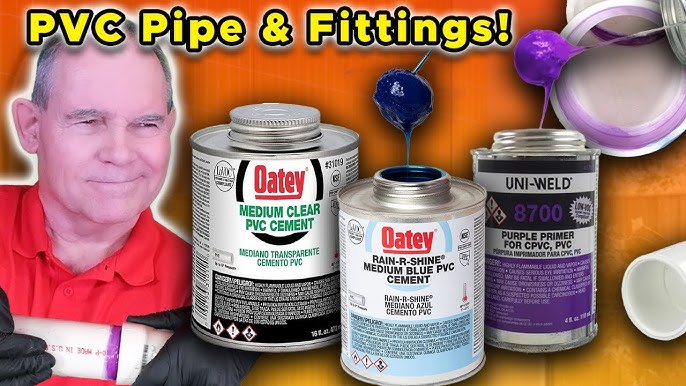
Product Why it’s the Best for PVC Key Feature Oatey Purple Primer Best for Inspections. Purple tint proves to inspectors that you primed the pipe. Aggressive softening for a permanent weld. Weld-On P-70 Clear Primer Best for Visible Pipes. Provides the same strength as purple primer without the mess. Professional-grade industrial strength. Oatey Handy Pack (Primer + Cement) Best Value for DIYers. Includes both the primer and the solvent cement in one kit. Matched formula for maximum bond strength.
No, acetone is not a PVC primer; rain can wash primer off and weaken joints.
If you have ever wondered can I use acetone instead of PVC primer or asked what happens if primer gets rained on, you are in the right place. I have glued miles of pipe in the field. In this guide, I break down how primers work, why acetone fails, and what to do when rain hits at the worst moment. You will get code-backed answers, practical steps, and fixes that actually hold pressure.
Should Primer Be Thick or Thin– What Works Best for Walls, Wood & Cabinets
How PVC primer actually works (and how acetone behaves differently)
PVC primer is not just a cleaner. It is a blend of powerful solvents designed to soften and etch PVC so the cement can fuse the parts into one piece. When used right, the primer opens the surface, the cement adds dissolved PVC, and the joint cures into a strong, monolithic weld.
What is inside primer:
- Solvents that bite. Common components include MEK, THF, cyclohexanone, and acetone in balanced ratios.
- Dyes for inspection. Purple primer helps inspectors see you did not skip the step.
- A formula tuned to soften PVC at a controlled rate.
Why acetone is different:
- Acetone flashes off too fast. It evaporates before it can soften PVC enough.
- It cleans, but it does not properly etch. The cement then rides on a slick surface.
- It is not code-listed as a primer. It will not pass many inspections and can void warranties.
In short, primer is made to prepare the pipe; acetone is made to dissolve oils and evaporate. They are not interchangeable if you care about a safe, durable, code-compliant joint.
Rust-Oleum 267313-Painters Touch Latex Paint: Is One Coat a Lie?
Can I use acetone instead of PVC primer?
Short answer: do not do it. Can I use acetone instead of PVC primer? No, because plumbing codes and standards call for a listed primer that meets ASTM F656 when using separate primer and cement. Most inspectors look for purple primer on PVC for that reason. Even if your area allows clear primer, it still must be a listed primer, not acetone.
What actually happens if you try acetone as a primer:
- Weak bond. The joint may feel tight at first, but it often fails under pressure or movement.
- Brittle interface. Without proper softening, the cement cannot knit the parts together.
- Inspection issues. You risk red tags, warranty denials, and call-backs.
Safer alternatives if you cannot use standard purple primer:
- Use a listed clear PVC primer where allowed. It still meets ASTM F656.
- Use a one-step cement only if the manufacturer and your local code allow it for that application. These products are limited. Many are for DWV and non-pressure systems, and still need dry, clean fits. Always read the data sheet.
- Choose a “rain-or-shine” or “wet-or-dry” PVC cement for damp conditions, but remember it still requires a real primer unless the product is specifically listed as primerless for your use.
Real-world note: On a commercial pool job, a subcontractor “cleaned” with acetone and skipped primer. The system held air for a short test, then we saw tiny bubbles under a long water test. We cut out several joints. Every acetone-only joint was brittle at the interface. The redo cost far more than the time saved.
Can I use acetone instead of PVC primer for small repairs? The answer is still no. Use the right primer. It is cheap insurance against leaks, callbacks, and code issues.

What happens if primer gets rained on?
Let’s break this into two moments: before assembly and after assembly.
Before assembly:
- If the pipe or fitting is primed and rain hits before cement, the primer can be diluted or washed off.
- Water can carry dirt into the socket, which ruins the weld.
- Fix: dry the parts, re-prime both surfaces until they stay uniformly wet for a few seconds, then cement and assemble.
After assembly:
- If rain hits during set or early cure, water can chill the joint and slow solvent evaporation.
- You may see blush, voids, or a dull surface bead. In the worst case, the cement can foam or wash out at the edge.
- Fix: shield the joint from water, extend cure times per the cement label, and pressure-test only after full cure.
Practical rule I use on site: if the primer gets rained on before you glue, treat it as unprimed and start over. If the glued joint gets wet during the first few minutes, protect it, wait longer, and test carefully. If you see a smeared bead, soft socket, or any spin after set, cut it out and redo.
What happens if primer gets rained on in cold weather? It is even worse. Cold slows evaporation, so water lingers and solvents stay trapped. Plan longer cure times and better shielding.
Is Primer Safe to Use Indoors?– How to Minimize Fumes & Risks
Step-by-step: Make strong PVC joints in wet or cold weather
When the sky looks grumpy and you still must move forward, follow this field-tested routine.
Prep
- Dry-fit parts to full socket depth. Mark the insertion line with a marker.
- Keep cans closed and warm. Store under cover at 60–80°F if you can.
- Wipe standing water with a clean, lint-free rag. Surfaces must be free of water drops and grit.
Prime
- Apply a heavy, even coat of listed PVC primer to the pipe and fitting socket.
- Give a second coat to the pipe end on larger sizes. Keep the surface wet for a few seconds.
- Avoid puddling inside the fitting. Excess trapped solvent can cause voids.
Cement
- While primer is still wet, apply the correct PVC cement evenly and quickly.
- Use more on the pipe end than the socket to push material into the joint.
- For rain, choose a “rain-or-shine” cement with your primer.
Assemble
- Push fully to the insertion mark. Quarter-turn and hold for 30–60 seconds.
- Wipe the bead. A full, even bead is a good sign.
Cure and protect
- Shield from rain for at least 15–30 minutes for small sizes; longer in cold or high humidity.
- Follow label cure times before testing or burying. Extend times when it is cold or wet.
Quick PAA-style checks:
- Can I use acetone instead of PVC primer when it is drizzling? No. Keep surfaces dry, use real primer, and shield the area.
- What happens if primer gets rained on just after I brush it? Dry, re-prime, then cement. Do not rely on a washed surface.
Inspection, testing, and cure times
Visual checks that I trust in the field:
- Continuous primer coverage. Purple ring at the socket edge with no gaps.
- Strong cement bead. Uniform, not foamy or streaked.
- No rotation after set. If it spins, it is a redo.
Typical cure guidance to discuss with your inspector and match your cement label:
- Handling strength in 15–30 minutes for small sizes at 60–100°F and low humidity.
- Pressure test often after 2–24 hours, depending on size, temperature, and pressure.
- Cold or wet weather can double or triple cure times. When in doubt, wait longer.
Standards and code notes that build trust:
- Primers should meet ASTM F656.
- PVC cements should meet ASTM D2564.
- Many codes (IPC/UPC) require primer for PVC pressure and DWV, and many inspectors expect purple primer unless you show a listed, clear primer or an approved one-step product for that specific application.
Safety, code, and warranty essentials
Safety first:
- Work with ventilation. Solvents are flammable and can irritate eyes and lungs.
- Wear gloves and eye protection. Primer and cement can burn skin.
- Keep away from flames, heaters, and sparks. Let rags dry outside before disposal.
Code and warranty:
- Can I use acetone instead of PVC primer and still pass inspection? Almost always no, because it is not a listed primer.
- Using acetone can void the cement and pipe manufacturer’s warranty.
- If you want to skip purple, ask your inspector about listed clear primer or approved one-step products for your exact job.
My lesson learned: the fastest way to lose time is to save seconds on priming. Proper primer is cheap, fast, and keeps you out of trouble.
Troubleshooting weak or leaky joints
Spotting trouble early saves walls, lawns, and sleep.
Common symptoms
- Joint spins or feels gummy after a few minutes. Likely under-primed or too wet.
- No bead or a foamy bead. Water or trapped solvent disturbed the cement.
- Slow weep under pressure. Often a cold, wet, or rushed joint.
Fixes I use
- Cut it out and redo with proper primer and cement. Do not smear extra cement on the outside.
- Dry, re-prime, and re-glue if you have not assembled yet and rain hit the primed parts.
- For underground, allow full cure and a long pressure test before backfill.
Pro tip: Take photos that show purple primer rings before covering work. It helps with inspections and protects you if questions come up later.
Frequently Asked Questions of Can I use acetone instead of PVC primer? what happens if primer gets rained on
Can I use acetone instead of PVC primer on non-pressure drains?
No. It still is not a listed primer and can lead to weak joints. Use a listed clear or purple primer that meets ASTM F656.
What happens if primer gets rained on and I already glued the joint?
Shield it and extend cure time per the label. If the bead looks smeared, foamy, or the joint rotates, cut it out and redo.
Is purple primer required by code, or can I use clear primer?
Many inspectors prefer purple for visual proof. Clear primer is allowed in some areas if it is listed, but always check with your local authority.
Will “wet-or-dry” cement let me skip primer?
No, unless the product is specifically listed as a true one-step system for your exact use. Most wet-or-dry cements still require proper primer.
How long should I wait to pressure test after a rainy install?
At least follow the cement label, then add extra time for cold or humidity. When unsure, wait 24 hours and perform a careful test.
Can I clean with acetone before using real primer?
You can wipe off oils and marker with a small amount, then allow it to evaporate. Still, you must use a listed primer before cementing.
What if I see water in the fitting socket before priming?
Wipe it dry and keep the area covered. Do not prime or glue over standing water or visible moisture.
Conclusion
Acetone is not a PVC primer, and using it invites weak bonds, failed inspections, and costly do-overs. Real primer softens PVC so the cement can fuse the parts into a single, durable piece. If primer gets rained on, dry, re-prime, and protect the joint, and always extend cure times before testing. Take the extra minute to do it right, and your joints will hold strong for years.
Put these steps into practice on your next project. If you found this helpful, subscribe for more field-tested plumbing guides, or drop a question in the comments so I can help with your specific setup.