Yes, you can paint many expanding foam tapes, but use the right prep and paint.
If you have asked can you paint expanding foam tape, you are in the right place. I have installed and painted foam tapes on windows, doors, siding, and interiors. I will show what works, what fails, and how to get a clean, lasting finish without hurting performance. Read on for a simple, tested guide that keeps your seal intact and your paint looking sharp.
What is expanding foam tape?
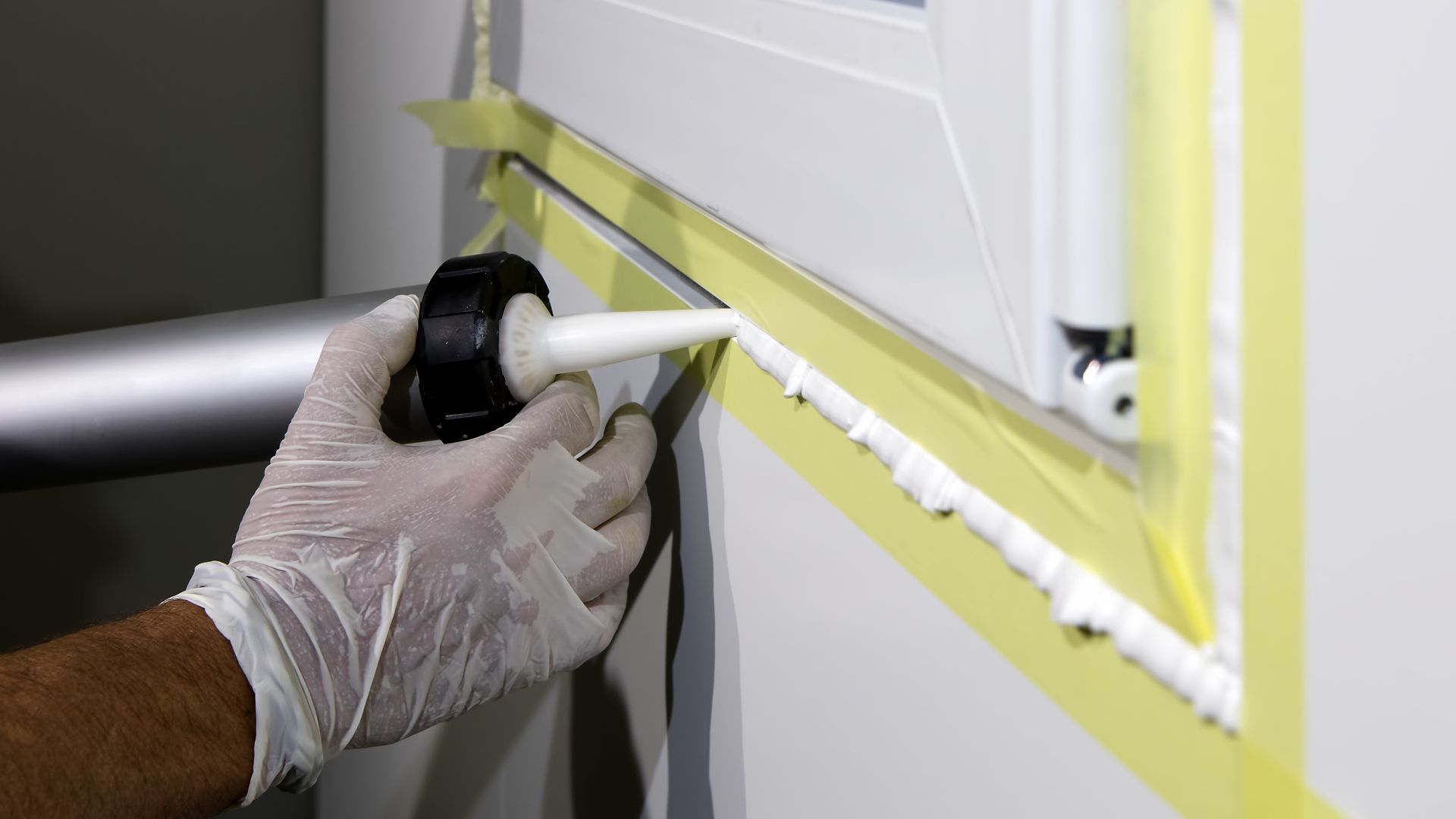
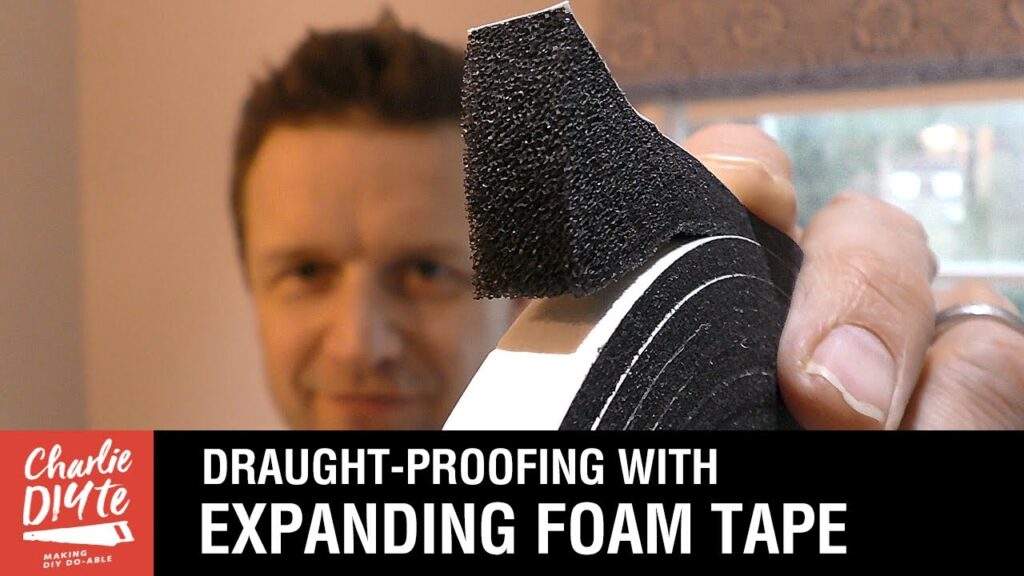
Expanding foam tape is a pre-compressed foam strip that expands after install. It seals gaps around windows, doors, panels, and joints. It blocks drafts, sheds rain, and lets buildings move.
Most tapes use polyurethane foam with a weather-resistant impregnation. Some have a film or fabric face. They come in ratings for joint size, wind-driven rain, and fire. Many are classed for exterior joints and are vapor open. That helps walls dry while staying airtight.
Can you paint expanding foam tape?
Short answer: yes, many products are paintable after full expansion and cure. But the paint must be flexible and water based. And you must follow the maker’s data sheet.
Here is what I see in the field. Impregnated polyurethane tapes are often paintable with acrylic or latex paints. Avoid solvent-heavy coatings. They can swell or soften the foam. If the tape has a slick film face, paint may not grab well. In that case, you need a bonding primer or you skip paint.
Always test a small area first. Wait for the tape to fully expand. Many brands say 24 to 72 hours. Some need longer in cool weather. When in doubt, check the technical data sheet.
If you are still asking can you paint expanding foam tape, remember this rule. Use water-based acrylics, apply thin coats, and keep the joint flexible.
What happens if you paint over varnish without sanding?
Why paint it or skip it?
Painting is not always needed. Here are the cases for both paths.
Benefits of painting
- Color match trim and siding for a clean look.
- Extra UV and dirt resistance on some tapes.
- Easier cleaning in high-touch areas.
Reasons to skip painting
- Some tapes stay hidden behind trim. No need to paint.
- A film-faced or silicone-surfaced tape may reject paint.
- Wrong paint can reduce movement and crack.
If you wonder can you paint expanding foam tape for exterior joints, weigh looks against risk. Often, a light acrylic topcoat is fine. Heavy, rigid paint is not.
Step-by-step: how to paint expanding foam tape
Follow this simple process. It is fast and safe for most jobs.
- Let it expand. Wait 24 to 72 hours so the tape reaches final size.
- Clean light dust. Use a soft brush or a dry cloth. Do not soak it.
- Mask edges. Tape off adjacent trim for a crisp line.
- Prime if needed. Use a water-based bonding primer on slick faces. Bare impregnated foam often needs no primer.
- Pick the right paint. Use high-quality acrylic or elastomeric paint. It should flex with the joint.
- Apply thin coats. Two to three light coats beat one heavy coat.
- Respect dry times. Follow the label. Allow full cure before movement or washing.
- Remove masking. Pull tape back at a 45-degree angle while paint is slightly tack free.
- Check the joint. Make sure the painted surface still compresses and rebounds.
If you ask can you paint expanding foam tape with a sprayer, you can. Use light passes. Keep solvents low.
Best paints and finishes for foam tape
Use paints that flex and breathe.
Good options
- 100% acrylic exterior latex.
- Elastomeric wall or masonry coatings.
- Flexible trim paints labeled for movement.
Use with care or avoid
- Oil-based or alkyd paints. They can get brittle.
- Solvent sprays with strong reducers. They can damage foam.
- Two-part epoxies or urethanes. Too hard for moving joints.
Choose matte or satin to hide texture. Gloss can show flaws. If you still think can you paint expanding foam tape with cabinet-grade enamel, skip it. It is too rigid for a moving joint.
Surface prep and primer tips
Good prep is simple.
- Dry the tape. Do not paint wet foam.
- Remove loose dust. Keep the pores clear for paint grip.
- For slick faces, use a water-based bonding primer. Apply a thin coat.
- Do a small test patch. Press the joint after cure. If the paint cracks, change the product.
If the question can you paint expanding foam tape over old paint comes up, you can. Clean it first. Scuff glossy areas with a fine pad.
Common mistakes to avoid
These errors cause most failures I see.
- Painting before full expansion. The finish will split as the tape grows.
- Heavy, single-coat coverage. Thick films crack on movement.
- Using hot solvents. They attack foam and binders.
- Trapping the joint. Paint that bridges from tape to trim stops movement.
- Ignoring the data sheet. Each brand has limits you must respect.
If you keep asking can you paint expanding foam tape without primer, you often can. But test first, and only use acrylic paint.
Durability and maintenance
A good acrylic finish on foam tape can last years. It depends on sun, rain, dust, and movement. Facades with strong sun need more care.
Simple upkeep
- Inspect once a year. Look for cracks or peeling.
- Clean gently with mild soap and water.
- Touch up thin areas with a light coat.
If you wonder can you paint expanding foam tape again later, yes. Clean, dry, and recoat thin.
How to Stop Wood Stain Coming Through Paint- Prevent Bleeding & Staining Issues
Safety, codes, and manufacturer guidance
Expanding foam tape can have fire and weather ratings. Paint does not raise those ratings. In some cases, heavy paint may change vapor flow or flexibility. Keep coats thin and follow the brand sheet.
Best practices
- Check the technical data sheet for “paintable” notes.
- Respect joint size and movement limits.
- Use low-VOC, water-based products for indoor work.
If you ask can you paint expanding foam tape in fire-rated joints, confirm with the maker first. Rules can be strict.
Real-world examples and pro tips
From my projects, a few patterns stand out.
- Windows and doors. I wait two days, then use a premium exterior acrylic. Thin coats. No issues after two winters.
- Siding transitions. Elastomeric paint hides texture and survives sun better.
- Interiors near baseboards. A satin acrylic blends with trim and cleans well.
Pro tips
- Keep the paint inside the joint line. Do not glue the tape to both sides with paint.
- Match porosity. If the tape soaks up paint fast, mist the first coat.
- Still asking can you paint expanding foam tape for high-movement joints? Pick elastomeric and keep coats very light.
When in doubt, do a mock-up on a short offcut. It tells the truth fast.
Frequently Asked Questions of can you paint expanding foam tape
Can you paint expanding foam tape right after install?
No. Let it expand and settle first. Most makers recommend 24 to 72 hours.
What paint sticks best to expanding foam tape?
High-quality acrylic latex or elastomeric paints work best. They flex and bond without harsh solvents.
Will paint stop the tape from expanding or breathing?
Thin acrylic coats will not stop expansion or vapor flow. Thick, rigid coats can limit movement and cause cracks.
Can you spray paint expanding foam tape?
Yes, if you use water-based acrylic and light passes. Avoid hot solvent sprays that can harm the foam.
Do you need a primer on expanding foam tape?
Often no, if the surface is porous. Use a water-based bonding primer on slick faces or if adhesion is weak.
Does painting void the tape warranty?
Some brands allow paint, others limit it. Check the technical data sheet and keep records of products used.
How long will painted foam tape last outdoors?
Two to five years is common before touch-ups, depending on sun and weather. In harsh sun, check yearly and recoat as needed.
Conclusion
You now have a clear plan to paint foam tape the right way. Choose flexible, water-based paint, let the tape fully expand, and apply thin coats. This keeps the seal working while giving you a neat, color-matched finish.
If you came here wondering can you paint expanding foam tape, the answer is yes, with the right steps. Test a small area first, follow the data sheet, and keep it light. Try it on your next window or trim upgrade, and share your results. Want more guides like this? Subscribe and leave your questions in the comments.