
Can You Paint Radiators With Emulsion?
Technically, you can paint radiators with emulsion paint, but it is not recommended. Emulsion is water-based and not designed to withstand high heat, so it may peel, crack, or blister when the radiator warms up. For the best results and long-lasting finish, use heat-resistant radiator paint, either oil-based or specially formulated water-based radiator paint, which adheres well and resists heat damage. Always clean and lightly sand the radiator surface before painting.
You can, but emulsion is a poor choice; use radiator paint instead.
You searched can you paint radiators with emulsion because you want a tidy, quick fix. I get it. I have painted dozens of heaters in rentals and family homes. I have tested emulsions, metal primers, and radiator paints side by side. Here is the straight talk. When you ask can you paint radiators with emulsion, the real answer is about heat, chemistry, and long-term wear. Stick with me and I will show what works, what fails, and how to get a smooth, hard-wearing finish that lasts.
Can You Paint Emulsion On Wood?-Finishes, durability, and Topcoats
Why emulsion struggles on hot metal
Heat changes paint. Radiators can reach 140 to 160°F. Most wall emulsion is made for plaster, not hot steel. It softens, chalks, and can yellow. It often peels near valves and edges where heat spikes.
Metal also expands and contracts. Thin emulsion cannot flex much on bare steel. You may see hairline cracks and chips after a few heat cycles. Humidity adds stress. Steam from showers condenses on the radiator. That mix of heat and moisture pushes emulsion to fail.
Here is the key point. When you wonder can you paint radiators with emulsion, know that it may look fine for a week or two. Then heat exposes the weak bond. You may face sticky patches, dust pickup, or a dull, patchy sheen. A radiator-safe paint is made to handle this load.
What to use instead for a durable finish
Choose paint built for hot metal. There are two main options.
- Water-based radiator paint. Low odor. Quick dry. Resists yellowing. Good for white or light colors. Plays well with water-based metal primers.
- Solvent-based radiator enamel. Very tough. Smooth flow. Can yellow over time, especially in low light rooms. Needs more ventilation.
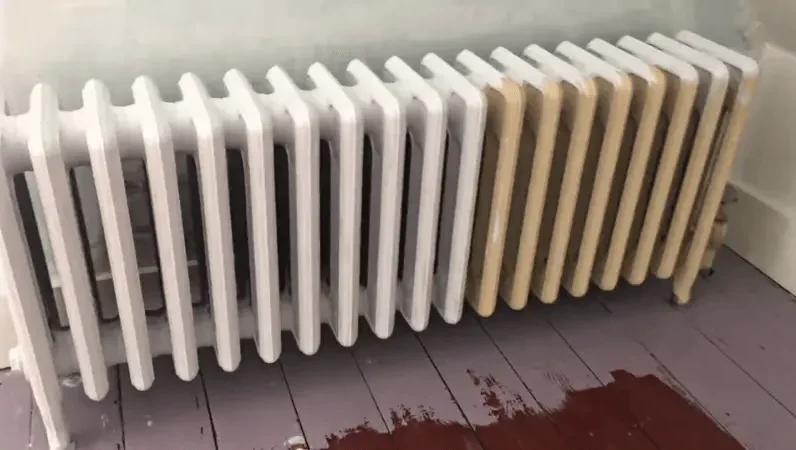
Pair your topcoat with the right primer. Use a rust-inhibiting metal primer rated for hot surfaces. Water-based primers work well on clean, previously painted radiators. Use a bonding primer on bare or glossy metal.
In my tests, a high-solids water-based radiator enamel over a stain-blocking metal primer gave the best balance. It stayed white, even in bathrooms. It also held up to constant heating with no tackiness. That is why the safest answer to can you paint radiators with emulsion is no, not if you want a pro result.
Can You Mix Acrylic Paint With Emulsion?– Pros, Cons & Safe Ratios
Step-by-step: how to paint a radiator the right way
You can get a smooth, factory-like finish with simple tools and care.
- Prep the area
- Turn off the heat and let the unit cool fully.
- Lay drop cloths. Remove dust with a soft brush and vacuum.
- Clean the surface
- Wash with sugar soap or a degreaser.
- Rinse and dry. Oils from hands can cause fish-eyes.
- Sand and degloss
- Lightly abrade with 180 to 240 grit.
- Feather any chips. Wipe dust with a tack cloth.
- Fix rust
- Spot-treat rust with a converter if needed.
- Prime those areas with a rust-inhibiting primer.
- Prime
- Use a metal primer rated for warm surfaces.
- Apply thin, even coats. Let it dry as per the data sheet.
- Paint
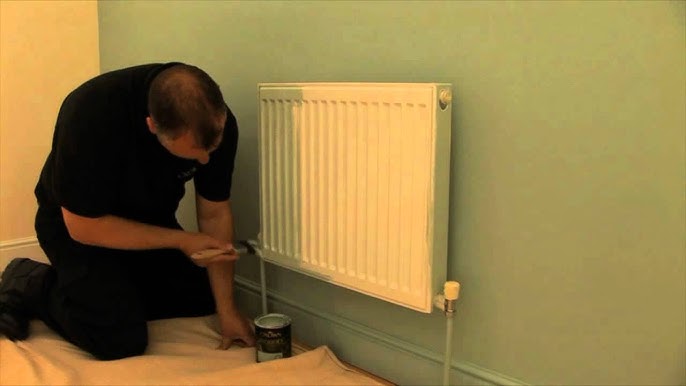
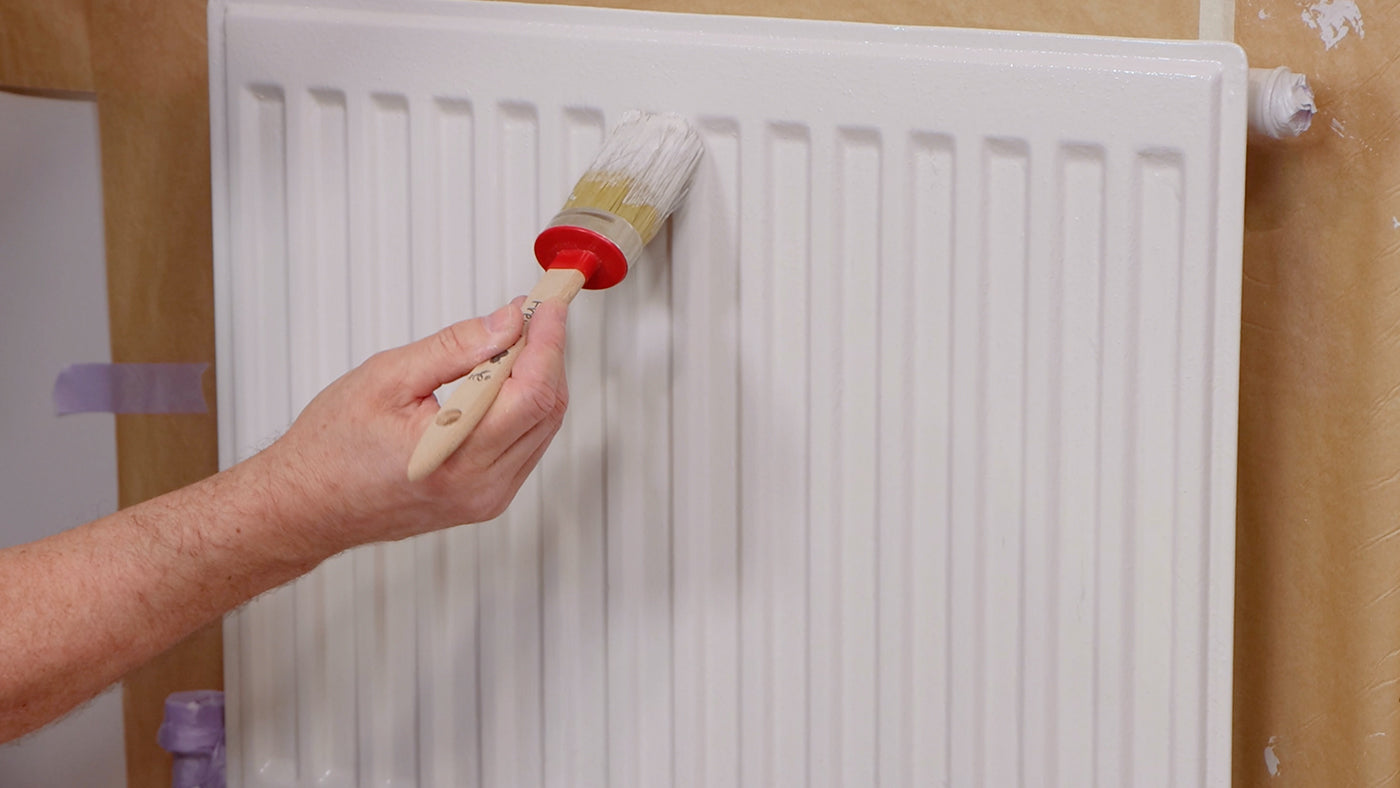
- Use a small foam roller for panels and a brush for edges and fins.
- Apply two thin coats of radiator enamel. Do not flood the edges.
- Cure gently
- Let paint dry fully. Then heat the radiator on low for an hour.
- Step up to medium heat for another hour. This helps harden the film.
Pro tip from the field. Remove the front grille if yours has one. Label screws. Painting off the wall gives the best finish, but you can also paint in place if you protect the floor and wall. If you still wonder can you paint radiators with emulsion, compare this method to emulsion touch-ups. The difference in feel and durability is clear.
Can You Thicken Emulsion Paint?- – Safe Methods
If you must: how to paint with emulsion and minimize risk
Sometimes you are in a pinch. A small cosmetic fix. A fast rental turn. Here is the least-bad route if you insist.
- Clean and sand as above.
- Prime with a high-bond, stain-blocking metal primer.
- Use a top-end acrylic eggshell emulsion, not vinyl matt.
- Apply very thin coats. Let it cure for at least 48 hours.
- Finish with a clear, water-based high-heat topcoat if rated for the temperature. Test a small patch. Some clears can yellow or haze.
Even with care, expect shorter life. Areas near valves and corners fail first. You may see softening when the heat comes on. This is why the question can you paint radiators with emulsion keeps coming up. You can, but you will likely repaint sooner.
Troubleshooting and fixes
- Paint feels sticky after heating
Cause: Wall emulsion or heavy coats.
Fix: Let it cool. Lightly sand. Switch to radiator enamel for the next coat. - Yellowing on white radiators
Cause: Solvent-based coats or nicotine exposure.
Fix: Clean, spot prime with stain blocker, then water-based radiator paint. - Peeling near edges and valves
Cause: Heat spikes, poor prep, or greasy residue.
Fix: Degrease, sand to a firm edge, spot prime, repaint. - Brush marks and sags
Cause: Thick coats or wrong brush.
Fix: Use a foam mini roller for flats and a good synthetic brush for edges. Go thin. - Rust spots returning
Cause: Missed rust below the surface.
Fix: Use a rust converter and a rust-inhibiting primer before topcoat.
When people ask can you paint radiators with emulsion, most of these problems show up after heat cycles. The right system prevents them.
Time, cost, and safety notes
Time
- Prep and prime: 1 to 2 hours for a typical radiator.
- Topcoats: 2 coats at 30 to 60 minutes each, plus dry time.
- Gentle heat cure: 2 to 3 hours.
Cost
- Primer: modest.
- Radiator enamel: moderate.
- Brushes, mini roller, tack cloths, and sheets: low.
Safety
- Turn off the radiator. Let it cool.
- Ventilate well, even with water-based paint.
- Wear gloves and a mask when sanding.
- On very old paint, test a small chip if you suspect lead. Use safe practices if present.
If budget is tight, do one room at a time. You get better as you go. And you will not need to ask can you paint radiators with emulsion once you see how durable the right paint feels to the touch.
Frequently Asked Questions of can you paint radiators with emulsion
Can you paint radiators with emulsion and get a long-lasting result?
You can apply it, but it does not last well under heat. A radiator-specific enamel outperforms emulsion by a wide margin.
Will emulsion paint smell when the radiator heats up?
It can off-gas when warm, especially if not fully cured. Let it cure for at least 48 hours and heat it slowly.
Is water-based radiator paint better than oil-based?
Water-based stays whiter and dries fast. Oil-based levels well but can yellow over time in low light rooms.
Do I need a primer if the radiator is already painted?
Yes, if the old paint is glossy or damaged. A light sand and a bonding metal primer improve grip and stop peeling.
How hot do radiators get and why does that matter?
Many reach 140 to 160°F. That heat stresses wall emulsion and can make it soften or crack.
Can I spray paint a radiator?
Yes, with a metal-safe, heat-resistant spray and careful masking. Spray in thin coats with good ventilation.
How long before I can turn the heat back on?
After the last coat is dry to the touch, wait the time on the label. Then warm it gently on low, step by step.
Conclusion
You came here asking can you paint radiators with emulsion. The truth is simple. You can, but you should not if you want a hard, clean, long-lasting finish. Use a metal primer and a radiator-safe enamel. Take thin coats. Cure with gentle heat. Your radiator will look new and stay that way.
Ready to start? Pick one radiator, gather your tools, and follow the steps. Share your before and after, ask questions, or subscribe for more practical home paint guides.
Related posts:
 Best Paint for Propane Tank – Weather-Resistant Coatings That Won’t Trap Heat | Safety Expert Guide
 Best Deck Stain for Pressure Treated Wood (2026) – Long-Lasting Protection & Colour Options
 Best Heat Gun For Removing Paint From Wood– Powerful, Safe & Expert‑Tested Models
 Best Paint Stripper for Wood (2026) – Top Options for Smooth, Clean Results