
Have you ever painted a room and wondered, “Is it okay to sleep in here tonight? ” You’re not alone. The fresh smell of paint can be strong, and many people—myself included—have faced this dilemma. Sometimes, you’re short on space and have nowhere else to go.
Other times, you’re just too tired after a long day of painting. But is it actually safe? Let’s talk about what really happens if you sleep in a room that smells like paint, what the risks are, and what you can do to stay safe.
Is It Safe To Sleep In A Room That Smells Like Paint?
Sleeping in a freshly painted room is not a good idea. Most paints release chemicals called volatile organic compounds (VOCs) that can be harmful, especially in high concentrations. These fumes can cause headaches, dizziness, nausea, and even long-term health problems if you’re exposed often. Children, pregnant women, and people with breathing problems are at even higher risk.
When I painted my own bedroom, I was tempted to move back in right away. But after reading about VOCs and how long they can linger, I decided to wait—and I’m glad I did. Let’s break down what’s really happening with that paint smell.
Best Respirator for Paint Fumes: These 5 Respirators Are the Only Ones That Work
What Are Paint Fumes Made Of?
Paint smell comes from VOCs—these are chemicals that quickly evaporate into the air. They’re what give paint its strong odor. Some common VOCs in paint include:
- Formaldehyde
- Benzene
- Toluene
- Xylene
These names might sound scary, and honestly, they are when you’re breathing them in all night. Not all paints are equal, though. Oil-based paints usually have more VOCs than water-based (latex) paints. Even “low-VOC” paints can still release some fumes.
Here’s a quick comparison of VOC levels in different types of paint:
| Paint Type | Average VOC Level (g/L) | Odor Strength |
|---|---|---|
| Oil-based | 350–500 | Very Strong |
| Regular Latex | 150–250 | Moderate |
| Low-VOC Latex | 5–50 | Mild |
| No-VOC | 0–5 | Very Mild |
The higher the VOC number, the stronger the smell—and the higher the risk.
Short-term Health Effects Of Sleeping In A Freshly Painted Room
Even one night in a room with paint fumes can make you feel unwell. The most common short-term effects include:
- Headaches: The most common complaint, especially with strong-smelling paints.
- Dizziness or lightheadedness: I’ve experienced this myself after painting with the windows closed.
- Irritated eyes, nose, or throat: Your body’s way of telling you something’s not right.
- Nausea or upset stomach: If you have a sensitive stomach, even mild fumes can cause issues.
- Trouble sleeping: That smell can keep you up or make your sleep less restful.
Children and pets are even more sensitive. I always make sure to keep my dog out of a painted room for at least a couple of days.
Long-term Risks Of Sleeping In Paint Fumes
Long-term exposure is where things get more serious. Some VOCs are linked to:
- Asthma and other breathing problems
- Liver and kidney damage
- Central nervous system issues
- Increased cancer risk (especially with high or regular exposure)
Of course, one night is unlikely to cause these issues, but repeated exposure—especially in a poorly ventilated room—can build up over time. This is why it’s so important to let paint dry fully and air out the room before sleeping in it.
How Long Should You Wait Before Sleeping In A Painted Room?
You should wait at least 24–72 hours before sleeping in a freshly painted room. The exact time depends on the type of paint, the room size, and how well you can air it out.
Here’s a quick guide:
| Paint Type | Recommended Wait Time (Hours) | Ventilation Needed |
|---|---|---|
| Oil-based | 48–72 | High |
| Regular Latex | 24–48 | Medium |
| Low-VOC/No-VOC | 12–24 | Medium |
If you can still smell paint after this time, it’s best to wait a bit longer. Trust your nose—it’s a great warning system.
5 Best Air Purifier For Chemical Fumes: These Air Purifiers Are Your Best Defense
How To Speed Up The Paint Drying And Air Out The Room
If you need to use your room soon, there are ways to get rid of paint fumes faster. I’ve tried these myself, and they really help.
- Open windows and doors: Cross-ventilation is key. Even in winter, a few hours of open windows can make a big difference.
- Use fans: Point one fan out the window to push fumes outside, and another to bring in fresh air.
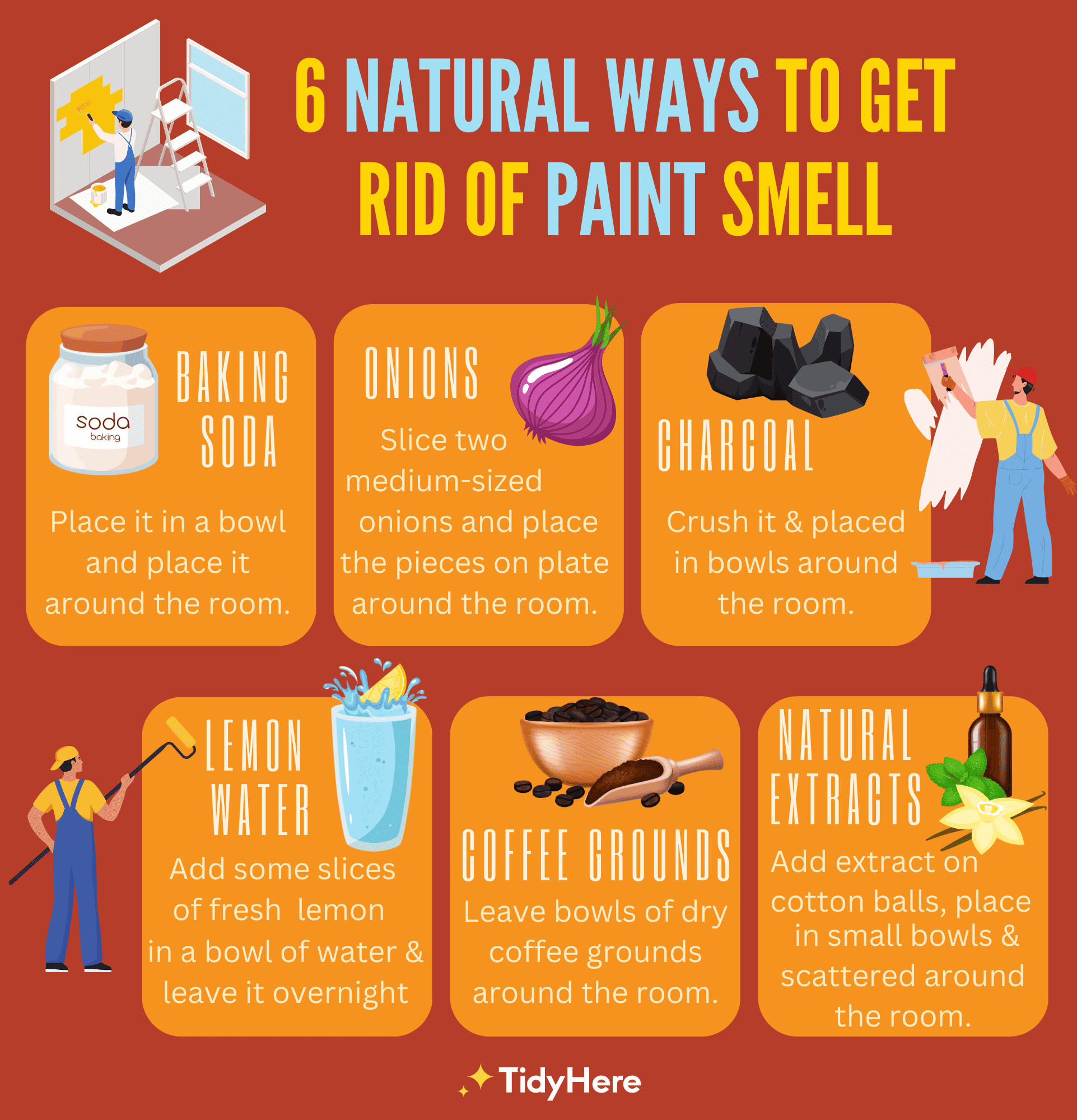
- Place bowls of baking soda or activated charcoal: They absorb odors naturally.
- Set up a dehumidifier: Paint dries faster in less humid air.
- Leave the room empty: Don’t bring in bedding or clothes until the smell is gone. Fabrics soak up fumes.
- Use air purifiers with carbon filters: They trap VOCs and clean the air.
One trick I learned: put a box fan in the window, facing out. It pulls the fumes right out of the room, and the smell drops much faster.
Special Situations: Babies, Pregnant Women, And People With Health Issues
If you have a baby, are pregnant, or suffer from asthma or allergies, you need to be extra careful. For these groups, even low levels of VOCs can be risky.
- Pregnant women: Some VOCs can affect fetal development. I always recommend avoiding freshly painted rooms completely during pregnancy.
- Babies and young children: Their lungs are still developing, so they’re much more sensitive.
- Asthma or allergies: Paint fumes can trigger attacks or flare-ups.
In these cases, it’s smart to wait even longer—at least 72 hours—and use only no-VOC paints. If possible, have someone else do the painting and stay somewhere else until the smell is gone.
Is The Smell Always Dangerous?
Not every paint smell means danger. Some “no-VOC” paints still have a mild odor, but it’s usually less harmful. The real issue is how strong the smell is and how long it lasts. The stronger and longer the odor, the higher the concentration of VOCs.
A simple test: if you walk into the room and it still smells strongly like paint, it’s not ready for sleeping. If you only notice a faint scent when you put your nose close to the wall, it’s probably okay.

Non-obvious Insights Most People Miss
Here are a few things I learned the hard way:
- Paint smells can linger in soft materials: I once brought my bedding in too early, and it kept the paint smell for days. Always wait until the smell is totally gone before moving in fabrics.
- Humidity slows down paint drying: If it’s humid or rainy, paint takes longer to dry, and fumes stick around. Use a dehumidifier or wait for a dry day if you can.
- Using scented candles or sprays doesn’t remove VOCs: They just mask the smell, but the chemicals are still there. Only ventilation truly works.
What If You Have No Choice But To Sleep In A Painted Room?
Sometimes, you simply have nowhere else to go. If you must sleep in a room that still smells like paint, take these steps to reduce the risk:
- Ventilate as much as possible: Even at night, keep a window open if it’s safe.
- Use a fan to move air: This prevents fumes from settling.
- Sleep as far from the painted walls as you can: The closer you are, the more you’ll breathe in.
- Cover your bedding during the day: This keeps it from absorbing fumes.
- Drink extra water: This helps your body flush out toxins.
Remember, these are emergency measures. It’s much safer to avoid sleeping in a freshly painted room if possible.
Paint Fumes Vs. Other Common Household Smells
Sometimes, people confuse paint fumes with other household odors, like cleaning products or new furniture. But paint fumes are unique because they can linger for days and come from chemicals designed to evaporate.
Here’s a quick comparison:
| Source | Main Chemicals | How Long Odor Lasts | Health Risk |
|---|---|---|---|
| Paint | VOCs (toluene, xylene, etc.) | 1–7 days | High |
| New Furniture | Formaldehyde, glues | 2–4 weeks | Medium |
| Cleaning Products | Ammonia, bleach | Hours | Medium |
| Cooking Odors | Food particles, oils | Hours | Low |
Paint fumes drop off quickly with good ventilation, but they’re more dangerous in the short term.
What To Do If You Feel Sick From Paint Fumes
If you wake up with a headache or feel dizzy after sleeping in a painted room, take it seriously. Get to fresh air right away, drink some water, and rest. If you have trouble breathing or your symptoms don’t go away, see a doctor.
Repeated or severe symptoms should not be ignored—chronic exposure is not healthy. The CDC has more info on VOCs and health.
Frequently Asked Questions
How Long Should I Wait Before Sleeping In A Painted Room?
Wait at least 24–72 hours, depending on the type of paint and ventilation. If you can still smell paint, wait longer.
Can Paint Fumes Harm My Pet?
Yes, pets are sensitive to VOCs. Keep them out of freshly painted rooms for at least 48–72 hours.
Is It Safe To Use Air Fresheners To Cover Up The Paint Smell?
No, air fresheners only mask the smell. They don’t remove the harmful chemicals. Always focus on ventilation.
Does Low-voc Paint Mean It’s Completely Safe?
Low-VOC paint is safer but not 100% risk-free. It still releases some chemicals, so allow time for airing out.
What Should I Do If I Feel Sick After Sleeping In A Room With Paint Smell?
Leave the room, get fresh air, and drink water. If symptoms are severe or last, see a doctor.
Sleeping in a room that smells like paint might seem harmless, but the risks are real—especially if you or your loved ones are sensitive or have health concerns. With some planning and patience, you can enjoy your freshly painted space without putting your health at risk.
Always listen to your body and your nose—they’re your best guides.
Related posts:
 5 key Difference between Painting And Stucco-Whether you prioritize appearance, longevity, or budget
 Best Eggshell Paint For Kids Room: Safe, Durable Picks 2026
 8 Best Eggshell Paint for Living Room – Designer-Recommended Choices
 Best Eggshell Paint for Dining Room – Durable, Washable & Low-Sheen Options