Can You Use Epoxy Paint On Wood?
Yes, you can use epoxy paint on wood, but proper preparation is essential for good results. Epoxy paint adheres best to clean, dry, and sealed wood, as bare or porous wood can absorb epoxy unevenly and cause peeling. It’s commonly used on floors, countertops, and high-wear surfaces because it creates a hard, moisture-resistant finish. For best durability, sand the wood, apply a suitable primer or sealer, and follow the manufacturer’s application instructions.
Stop the frustration of “paint gumming” and see our top pick for the most powerful wood stripper on the market.
Yes, you can use epoxy paint on wood if you prep and seal properly.
If you’ve wondered can you use epoxy paint on wood, you’re in the right place. I’ve used epoxy systems on furniture, floors, countertops, and outdoor signs. In this guide, I’ll break down what works, what fails, and the exact steps that help epoxy paint last on wood. You’ll get clear tips, real-world examples, and expert-backed advice to help you choose, prep, and apply it with confidence.
What is epoxy paint, and how does it behave on wood?
Epoxy paint is a two-part coating made of resin and hardener. It cures into a tough film that resists water, stains, and abrasion. On wood, it can deliver a smooth, high-build finish that seals the surface well.
But wood moves. It swells and shrinks with humidity. That is why many people ask, can you use epoxy paint on wood without cracks or peeling. You can, if you manage moisture, choose the right primer, and let each coat cure. A balanced system helps the film flex and stay stuck.
Here is how epoxy paint compares to other wood finishes:
- Compared to latex paint: Epoxy is harder and more chemical resistant.
- Compared to oil enamel: Epoxy is thicker and more durable, but less flexible.
- Compared to polyurethane: Epoxy resists chemicals better; polyurethane flexes and handles UV better.
If you want a glossy, tough, sealed surface, epoxy paint is a good pick. If you need a soft, warm, “wood-forward” look, consider clear coats.
Pros and cons of epoxy paint on wood
Before you try, it helps to see the trade-offs. Can you use epoxy paint on wood and get long life? Yes, if the pros match your project and you manage the cons.
Pros:
- Strong sealing. Blocks spills, oils, and water.
- High build. Fills small grain lines and gives a smooth surface.
- Great adhesion with the right primer and prep.
- Handles heavy wear on tabletops, workshop benches, and floors.
Cons:
- UV sensitivity. Many epoxies yellow in sunlight without a UV topcoat.
- Rigidity. It can crack on large, moving boards if prep is poor.
- Odor and VOCs. Needs good ventilation.
- Cure time. Full cure can take days.
In my shop, the best results came from sealing end grain, priming, and top coating with a UV-stable clear coat when needed. That combo answers the core question—can you use epoxy paint on wood outdoors or in bright rooms—and helps it last longer.
Best use cases and when to avoid it
Can you use epoxy paint on wood for all projects? Not quite. Some uses shine, others struggle.
Best use cases:
- Countertops, worktops, and bars that see spills and abrasion.
- Game tables, desks, and cabinets that need a smooth, durable finish.
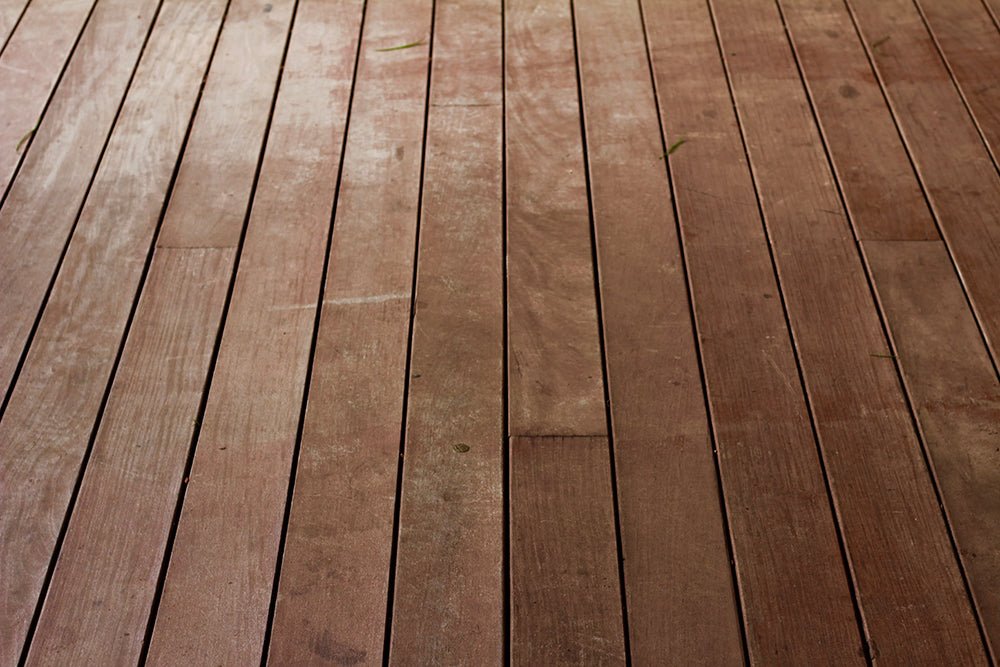
- Indoor floors in basements or shops with stable humidity.
- Cutting jigs and shop fixtures that need to resist glue and oil.
Use with caution or avoid:
- Wide exterior doors or gates with full sun and rain.
- Decking and flexible outdoor furniture that expand and contract a lot.
- Antique or movement-heavy pieces where a flexible finish is better.
If you still want the look outdoors, can you use epoxy paint on wood and protect it? Yes. Add a UV-stable topcoat and mind wood movement with good joinery and sealer coats.

Surface prep: the make-or-break step
Prep decides if the coating sticks or peels. When clients ask, can you use epoxy paint on wood and trust it, I always say: only if you prep like a pro.
Moisture and wood condition:
- Aim for wood moisture content near 8–12%.
- Fix loose fibers. Plane or sand to a sound surface.
- Clean off oil, wax, or silicone with a degreaser.
Sanding:
- Sand to 120–150 grit for better tooth.
- Vacuum dust. Wipe with a lint-free cloth. Avoid tack cloths with wax.
Sealing end grain:
- Brush on a thin epoxy sealer or compatible primer.
- End grain drinks finish; sealing evens absorption and reduces bubbles.
Priming:
- Use an epoxy-compatible primer for porous wood.
- Spot fill knots and checks.
These steps reduce outgassing, which can cause pinholes. They also slow moisture movement, which helps the film stay intact.
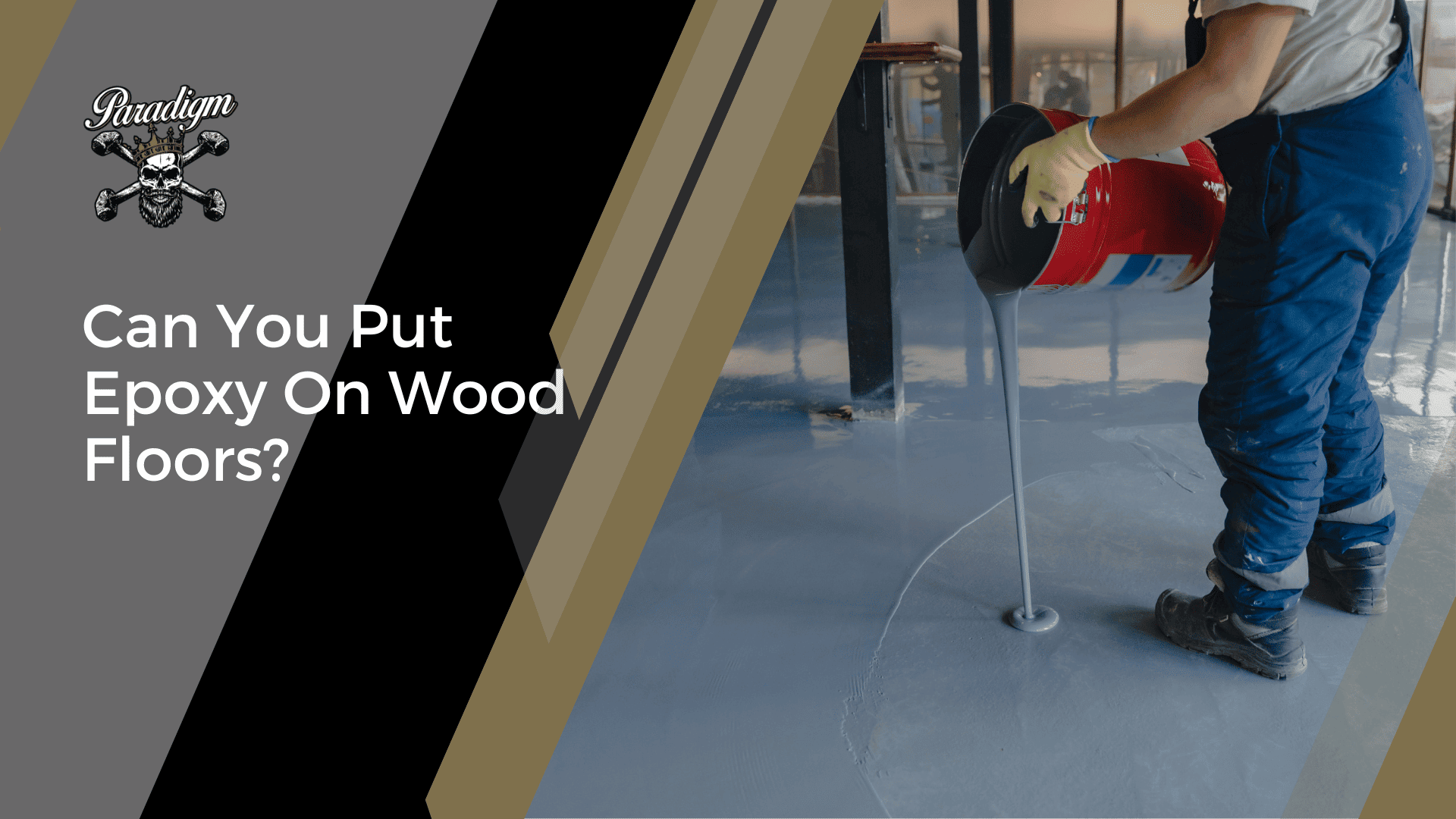
Step-by-step: how to apply epoxy paint on wood
This is the exact process I use when clients ask, can you use epoxy paint on wood for a smooth, strong finish?
- Choose the right product
Pick an epoxy paint or epoxy floor coating rated for wood. Check the tech data for pot life, recoat time, and cure time. - Test a small area
Do a sample board with your wood species. Check adhesion and color. - Mix accurately
Measure by volume or weight as instructed. Mix slowly to reduce bubbles. Let it rest a minute to release air. - Prime the surface
Use a thin, penetrating coat. Roll or brush it on. Tip off with a foam brush for a smooth film. - Apply base coats
Roll thin coats with a high-density foam roller. Back-brush to level. Do not flood the surface. - Observe recoat windows
Recoat while the prior coat is still slightly tacky or within the listed window. If you miss it, scuff sand with 220 grit for mechanical bond. - Level and watch edges
Catch runs early. Feather edges. Keep a wet edge to avoid lap marks. - Optional topcoat for UV and scratch resistance
If the piece sees sunlight or heavy abrasion, add a compatible polyurethane or UV-stable clear coat. - Cure and condition
Let it cure per the data sheet. Light use after initial cure. Full chemical resistance may take 5–7 days or more. - Final check
Look for dry spots or pinholes. Spot coat if needed.
This simple workflow answers the big question—can you use epoxy paint on wood at home—and gives you pro-grade results.

Curing, maintenance, and long-term care
Cure times vary with temperature and humidity. Most epoxies need warm, dry air to crosslink well. Keep dust down while it cures.
Maintenance tips:
- Clean with mild soap and water. Avoid harsh solvents.
- Use felt pads under items on tabletops.
- Refresh with a light scuff and topcoat as needed.
Can you use epoxy paint on wood and expect it to last for years? Yes, if you control sun, moisture, and wear, and you recoat before damage goes deep.

Safety, ventilation, and environmental notes
Epoxy systems can release odors and, in some cases, higher VOCs. Some hardeners may irritate skin.
Best practices:
- Wear gloves and eye protection.
- Use a respirator rated for organic vapors if ventilation is poor.
- Vent the room with fans and open windows.
- Keep mixes small to avoid heat buildup.
Can you use epoxy paint on wood safely in a garage or basement? Yes, with airflow, PPE, and careful mixing. Always follow the label.

Cost, product choices, and smart alternatives
Epoxy paint costs more than latex and many oils. You also need mixing cups, rollers, and PPE. For many shop or kitchen projects, the cost is worth the performance.
Good alternatives when epoxy is not ideal:
- Waterborne polyurethane: Clear, low odor, more flexible, good for furniture.
- Oil-based enamel: Tough and easy to touch up; not as chemical resistant.
- Alkyd-urethane hybrid paints: Better hardness than standard latex.
- Two-part waterborne epoxy-urethane: Strong and more UV-stable than straight epoxy.
Can you use epoxy paint on wood and still get a warm wood look? Use a tinted epoxy paint for color blocking, then top with a clear coat on natural wood parts to blend the styles.

Troubleshooting and pro tips
Here are the most common problems I see when people ask, can you use epoxy paint on wood and what can go wrong.
Common issues:
- Peeling: Caused by poor prep or missed recoat window. Fix by sanding to a firm edge, reprime, and recoat.
- Bubbles or pinholes: Due to outgassing or over-rolling. Warm the wood first, apply thin coats, or seal end grain.
- Amine blush (waxy film): Wash with warm water and a drop of soap, then scuff and recoat.
- Yellowing: Use a UV-stable topcoat in bright spaces.
Pro tips:
- Warm the room and wood, not the epoxy can. Warm wood outgasses less.
- Tint primer close to the finish color to hide wood grain faster.
- Label your cups with mix time and recoat time.
- Keep a test board next to your project to track cure and sheen.
If you follow these, the answer to can you use epoxy paint on wood becomes a clear yes, with pro results that last.
Frequently Asked Questions of can you use epoxy paint on wood
Is epoxy paint the same as epoxy resin?
No. Epoxy paint is a pigmented coating. Epoxy resin is usually clear and thicker, often used as a pour-on finish.
Can you use epoxy paint on wood floors?
Yes, with good prep and a compatible primer. Add a slip-resistant additive and a protective topcoat for high traffic.
Will epoxy paint stick to stained wood?
It can, if the stain is fully cured and not oily. Scuff sand and use a bonding primer for best adhesion.
Can you use epoxy paint on wood outdoors?
You can, but protect it from UV with a topcoat. Ensure the wood is sealed on all sides to limit movement.
How many coats do I need?
Often one primer coat and two thin finish coats. Add a clear topcoat if you need UV or extra scratch resistance.
How long does epoxy paint take to cure on wood?
Touch-dry can be hours, but full cure may take 5–7 days. Temperature and humidity affect the timeline.
Can I roll and brush epoxy paint?
Yes. Use a high-density foam roller and tip off with a brush. Work in thin, even coats.
Conclusion
Can you use epoxy paint on wood and get a durable, clean finish? Yes. With careful prep, the right primer, thin coats, and smart curing, epoxy paint can turn soft, porous wood into a hard-wearing surface that looks great and cleans easy. If sunlight or movement is a concern, add a UV-stable topcoat and seal all sides.
Pick one project this week—a small side table or shop jig—and try a test board first. You’ll learn fast and gain confidence. Want more guides like this? Subscribe and share your results so we can all build better projects together.