
Yes, you can use Rust-Oleum on wood. Rust-Oleum offers paints and primers designed for wood surfaces, providing a durable, smooth finish. For best results, lightly sand the wood, clean off dust, and apply a primer if needed before painting. This ensures better adhesion and a long-lasting finish.
Top 5 Best Rust Oleum Paint: – Expert‑Approved for Rust Protection & Durability
Top Rust-Oleum Products for Wood Projects
Product Best For… Why It’s Great Rust-Oleum 2X Ultra Cover Furniture & Decor This is the “gold standard” for wood. It is a paint-and-primer-in-one, which saves you time and provides excellent coverage in fewer coats. Rust-Oleum Chalked Paint Vintage/Matte Look Perfect for that popular “farmhouse” or distressed furniture look. It creates a smooth, ultra-matte finish that is very forgiving on older wood. Rust-Oleum Zinsser Bulls Eye 1-2-3 Surface Prep (Primer) If you are painting raw, porous wood or a dark color, using this primer first prevents the wood from soaking up your paint, ensuring a smoother finish. Rust-Oleum Clear Enamel Top Coat Added Protection Use this as a final layer over your colored paint to add scratch and chip resistance, especially for items like dining tables or chairs.
If you have ever asked can you use rust oleum on wood, you are not alone. I have used Rust-Oleum on furniture, trim, cabinets, and outdoor pieces for years. In this guide, I break down product choices, surface prep, and pro techniques. You will learn what works, what fails, and how to get a smooth, lasting finish without guesswork.
Rust-Oleum 267313-Painters Touch Latex Paint: Is One Coat a Lie?
What Rust-Oleum is and why it works on wood
Rust-Oleum makes coatings for many surfaces, not just metal. Many of their lines bond very well to wood when you prep and prime. The key is matching the product to the project. Oil-based paints offer great flow and durability. Water-based options dry fast and are low odor. Both can look great on wood with the right steps.
Common Rust-Oleum lines used on wood include:
- Stops Rust oil-based enamel for tough exterior trim and furniture
- Painter’s Touch 2X spray for fast coverage on small wood projects
- Universal spray for mixed materials like wood, metal, and plastic
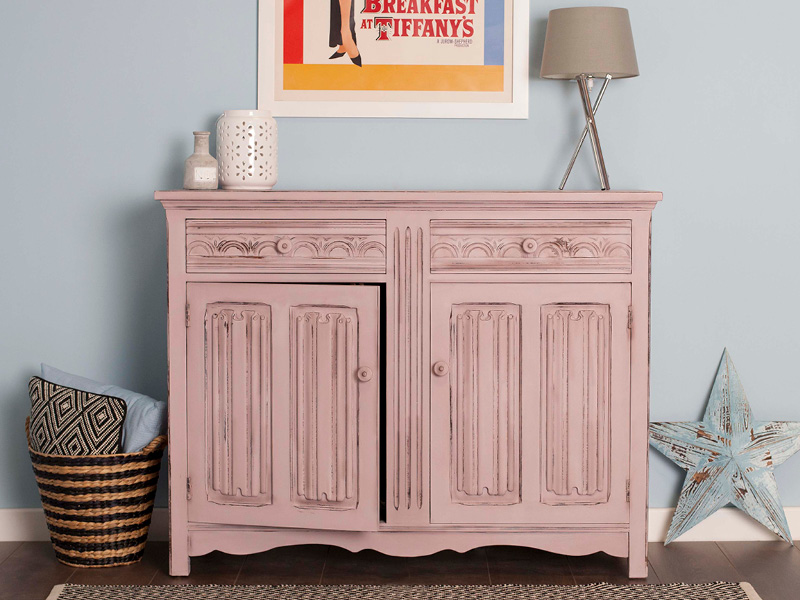
- Chalked for a matte, vintage look on furniture
- Varathane stains and clear coats for color and protection
- Spar Urethane for exterior wood protection against sun and moisture
People ask can you use rust oleum on wood because they worry about adhesion and bleed-through. With clean, sanded wood and a stain-blocking primer, you avoid most issues. Adhesion is strong. The finish holds up.
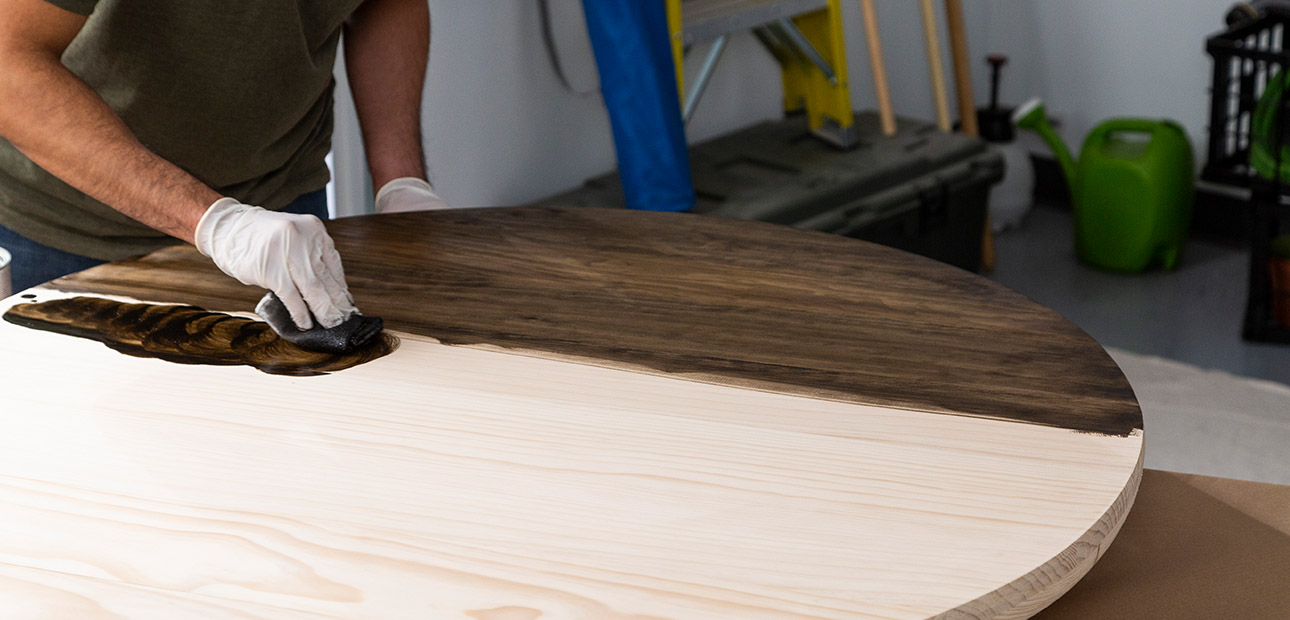
Benefits and limitations of using Rust-Oleum on wood
Benefits:
- Strong adhesion and durable film when applied over a good primer
- Many sheens, colors, and spray options for a custom look
- Good weather resistance for outdoor pieces with the right topcoat
- Easy to find and budget friendly compared with pro coatings
Limitations:
- Some oil-based products take longer to dry and cure
- Tannins in wood can bleed through if you skip a stain-blocking primer
- Floors or heavy-wear tops need specific clear coats, not basic enamel
- Aerosols can leave texture if sprayed too far away or in wind
If you wonder can you use rust oleum on wood outdoors, yes, but plan a proper topcoat. For heavy UV and moisture, add a spar urethane or a weather-rated clear. That is the difference between a one-season finish and a multi-year win.

Prep the wood the right way
Prep makes or breaks the finish. I spend most of my time here. Paint is the easy part.
Do this:
- Clean the wood. Remove oil, wax, and dust. Use a degreaser or mild soap.
- Sand bare wood. Start at 120 grit, then 150 to 180. Wipe dust with a tack cloth.
- Fix flaws. Fill holes with wood filler, then sand smooth.
- Seal stains. Use a stain-blocking primer on knots, oak, cedar, or any wood that bleeds.
- Scuff-sand glossy surfaces. Use 220 grit. Clean before priming.
Primer picks:
- Water-based bonding primer for most painted or sealed wood
- Shellac-based primer for heavy bleed or knots
- Stain-blocking water-based primer for general use
Follow the can’s recoat times. Do not rush. The simple rule is this: if you can still smell solvent strong, it is not ready to recoat. Many people ask can you use rust oleum on wood without primer. You can, but you risk bleed, poor adhesion, and peeling. Primer is cheap insurance.
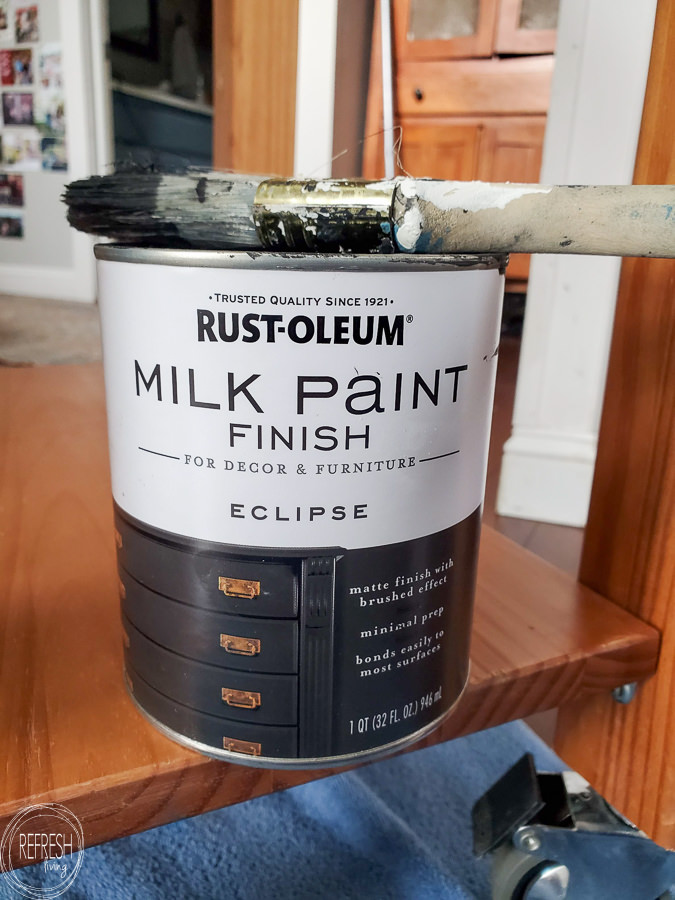
Choose the right Rust-Oleum product for wood
Pick based on use, look, and wear.
Good matches:
- Indoor furniture that needs a smooth, hard finish: Painter’s Touch or oil-based enamel
- Vintage or matte look: Chalked, then a clear matte topcoat
- Outdoor chairs and planters: Stops Rust enamel with a spar urethane topcoat
- Cabinets or shelves: Water-based enamel or urethane for faster dry and low odor
- Tabletops and bars: Color coat plus a durable clear like Varathane polyurethane
- Deck surfaces underfoot: Use floor-rated products, not general enamel
Product tip:
- If you plan to spray, choose 2X or Universal aerosols. They level well.
- If you plan to brush, oil-based enamels flow and hide brush marks.
- For low odor indoors, use water-based enamel or a water-based clear.
This is where many DIYers ask can you use rust oleum on wood that is old or stained. Yes, with a strong stain blocker first. That seals in shellac, oil, or smoke film so the topcoat looks clean.
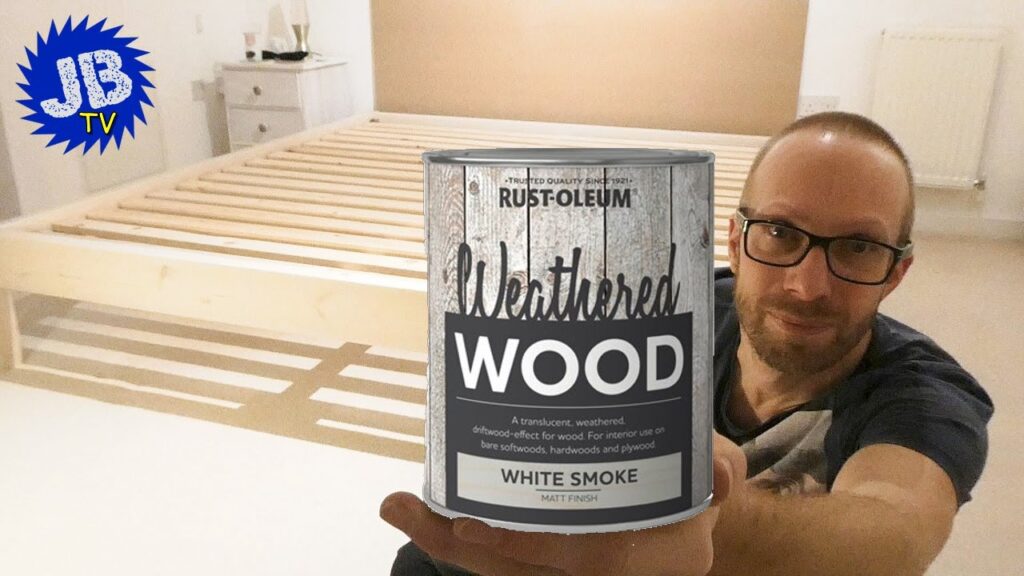
How to apply for a smooth, durable finish
Work in the right conditions. Most Rust-Oleum products like 50 to 85°F and low humidity. Avoid direct sun and wind. Lay down thin, even coats.
For spray cans:
- Shake well for a full minute
- Hold 8 to 12 inches away
- Start and end each pass off the piece
- Overlap passes by half for even coverage
- Two to three thin coats beat one heavy coat
For brush and roll:
- Use a high-quality synthetic brush for water-based, natural bristle for oil-based
- Roll large, flat areas with a foam or microfiber roller
- Lay off each section in the same direction to reduce marks
- Watch edges and drips. Feather out right away.
Recoat windows are important. Some Rust-Oleum enamels want recoat within one hour or after a long wait. Read the label. If you miss the window, wait the full cure time or risk lifting. People often ask can you use rust oleum on wood in cold garages. You can, but dry time goes way up. Bring temps up if you can.
Safety:
- Ventilate well. Use a respirator for aerosols and oil-based products.
- Wear gloves and eye protection.
- Keep away from flame and sparks.
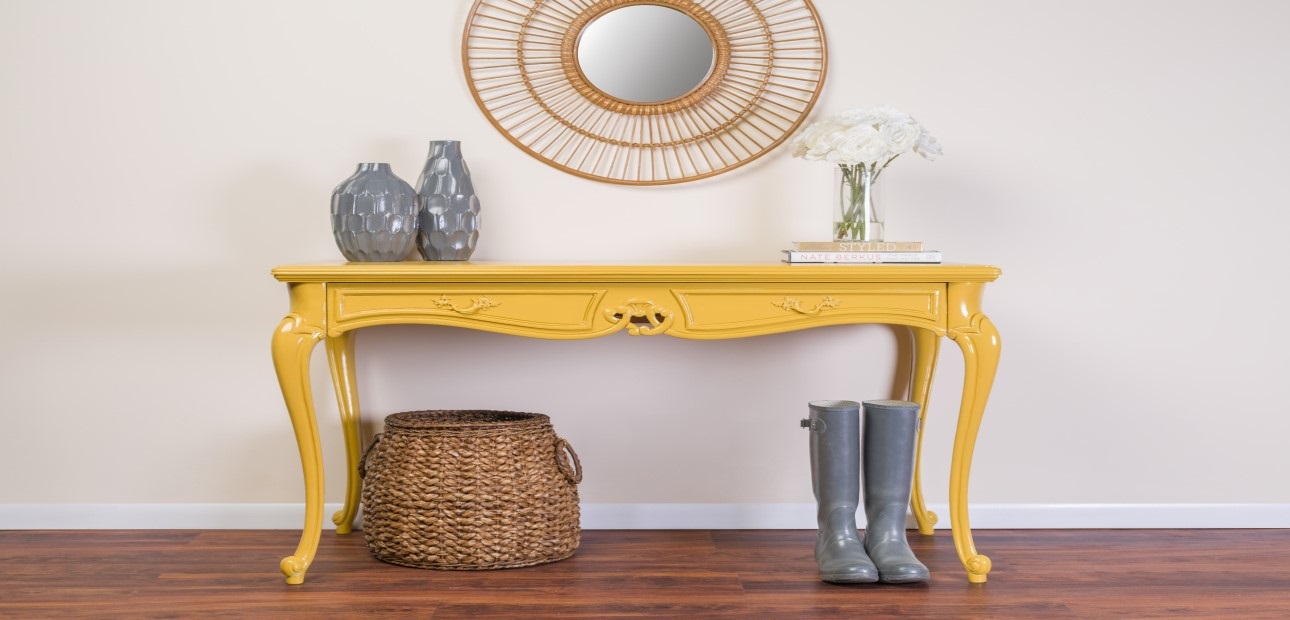
Prime or seal first, then paint or stain
Bare wood often needs a stain blocker. Without it, tannins can bleed and tint light colors. This shows up as yellow spots under white paint. A shellac or stain-blocking primer stops that fast.
Steps:
- Spot-prime knots with shellac-based primer
- Prime full surfaces with bonding or stain-blocking primer
- Sand the primer lightly with 220 grit
- Wipe clean and apply your Rust-Oleum color coat
Can you use rust oleum on wood without a topcoat? Yes, for low-wear items. For outdoor or heavy-use pieces, add a clear coat. That boosts life and keeps the color bright.
Topcoats for indoor and outdoor wood
Clear coats protect color and grain. Match the clear to the job.
Indoor:
- Water-based polyurethane for fast dry and low odor
- Oil-based polyurethane for warm tone and high durability
- Matte or satin clears for a soft, modern look
Outdoor:
- Spar urethane with UV blockers for sun and rain
- Multiple thin coats, edges sealed
- Maintain by cleaning and spot-coating before failure
Do a small test for compatibility. If the base coat is oil-based, many clears still work, but allow a full cure. When people ask can you use rust oleum on wood and then add polyurethane, the answer is yes. Just follow cure times and scuff-sand lightly first.
Common mistakes and easy fixes
Typical issues:
- Tacky finish. Heavy coat or cold temps. Fix by waiting longer. Add airflow and warmth.
- Drips and sags. Too much product. Shave or sand when dry. Recoat thin.
- Fisheyes or craters. Surface oil or silicone. Degrease, sand, and prime again.
- Peeling. Missed recoat window or no primer. Sand back, prime, and repaint.
- Bleed-through. Tannins or old stain. Spot-prime with shellac-based primer and repaint.
A note on sanding: do not skip grits. I like 120, 150, 180. For a glassy finish, I scuff between coats with 320 and remove dust. Many ask can you use rust oleum on wood that was waxed. You can after a deep clean and de-wax. Use ammonia-free degreasers and a bonding primer.

Care, maintenance, and longevity
Let the finish cure hard. Dry to touch is not cured. Some coatings need a week or more. Avoid heavy use during cure.
Care tips:
- Clean with mild soap and water
- Avoid harsh chemicals in the first month
- For outdoor pieces, recoat clear before wear breaks through
With good prep and the right topcoat, a Rust-Oleum finish on wood can last years. If you still wonder can you use rust oleum on wood for high-traffic items, choose tougher clears and plan maintenance.
Real-world examples and lessons learned
I have painted dozens of wood projects with Rust-Oleum.
- Outdoor chairs. I sanded to 150 grit, primed with a stain blocker, sprayed Stops Rust enamel, then added spar urethane. After two winters, the color still looks fresh. A quick clean each spring is all it needs.
- Mid-century side table. I used Chalked for a soft matte top and sealed it with a matte clear. It hides dust and fingerprints well. The key was thin coats and a light scuff before the clear.
- Garage cabinet doors. I used a water-based enamel for low odor, then a water-based polyurethane. The finish resists smudges and wipes clean. The lesson here is to respect the recoat times. That prevented any lifting.
Each project proved the same point. Can you use rust oleum on wood and get pro results? Yes, if you handle prep, primer, and conditions with care.
Quick answers to related searches
Can you spray Rust-Oleum on bare wood?
Yes, but prime first for best adhesion and to block stains. Sand lightly after primer.
Does Rust-Oleum work on pressure-treated wood?
Yes, after the wood dries to a safe moisture level. Let new boards dry for weeks or months.
Is Rust-Oleum good for butcher block?
Use a food-safe finish instead. For non-food surfaces, use a clear polyurethane designed for countertops.
Frequently Asked Questions of can you use rust oleum on wood
Can you use rust oleum on wood without sanding?
Yes, if the surface is clean and dull, a bonding primer can help. Sanding still improves adhesion and smoothness, so I recommend a light scuff.
Can you use rust oleum on wood furniture indoors?
Yes. Choose low-odor, water-based options or allow oil-based paints to off-gas in a ventilated space. Cure fully before regular use.
Can you use rust oleum on wood and then stain it?
Paint blocks stain. If you want a stained look, stain first, then clear coat. Use Varathane stains and a compatible clear for best results.
Can you use rust oleum on wood outdoors?
Yes, with a weather-rated system. Use a strong primer and finish with a spar urethane or an exterior-rated clear for long life.
Can you use rust oleum on wood cabinets?
Yes. Clean, degloss, prime, and apply thin coats for a smooth finish. Water-based enamels dry faster and reduce odor in kitchens.
Can you use rust oleum on wood that has varnish?
Yes, after cleaning and scuff-sanding the varnish. A bonding or stain-blocking primer improves adhesion before the color coat.
Can you use rust oleum on wood floors?
Not ideal. Use products made for floors. Floor-rated urethanes and finishes handle foot traffic better.
Conclusion
You can get a strong, beautiful, long-lasting finish on wood with Rust-Oleum. The secret is simple. Prep well, prime smart, pick the right product, and apply thin coats in the right conditions. Do that, and your project looks clean, feels smooth, and holds up.
Ready to start your next piece? Try a small test board, dial in your steps, and then go build something great. If this helped, subscribe for more practical guides or leave a comment with your project and questions.
Related posts:
 Top 5 Best Rust Oleum Paint: – Expert‑Approved for Rust Protection & Durability
 Can You Use Rust-Oleum Paint on Wood? – When It’s a Great Choice (and When It’s Not)
 Can I Use Rust Oleum On Stained Wood?– Step-by-Step Guide for Best Results
 How Long For Rust Oleum Spray Paint To Dry– Avoid Smudges & Uneven Finish