
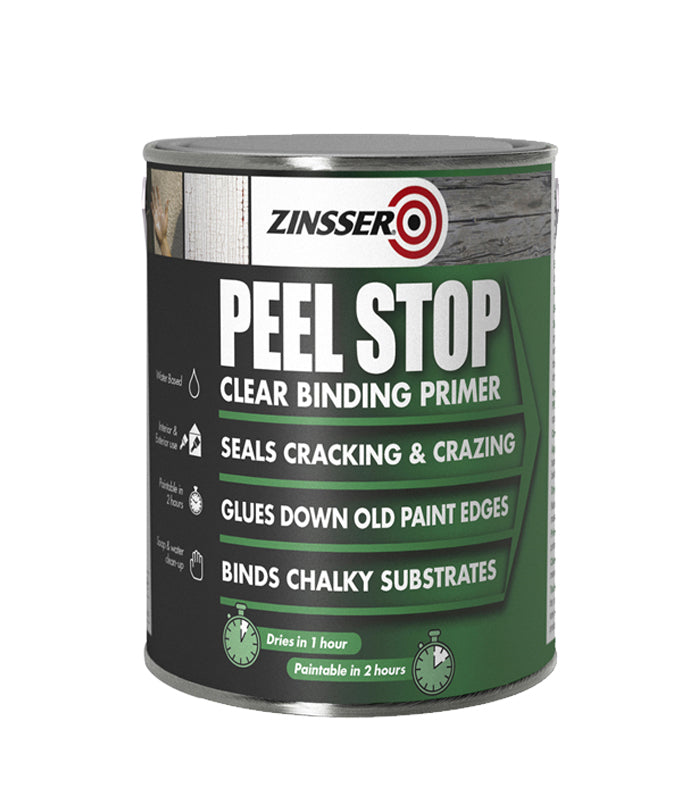
Why Is Primer Alligatoring On Old Paint?– Causes & Easy Solution
Primer alligatoring on old paint happens when the primer dries unevenly, forming cracks that resemble reptile skin. This usually occurs […]
Primer alligatoring on old paint happens when the primer dries unevenly, forming cracks that resemble reptile skin. This usually occurs […]
Primer wrinkles after application when the underlying surface, the primer itself, or environmental conditions cause uneven drying or poor adhesion.
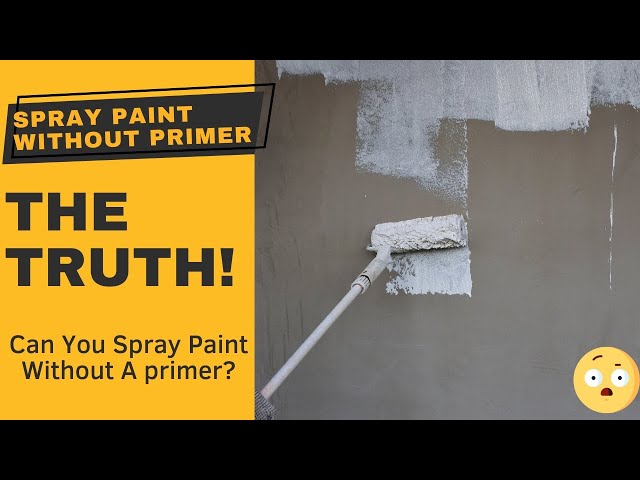
If you paint without a primer, the paint may not adhere properly, leading to peeling, uneven coverage, or a blotchy
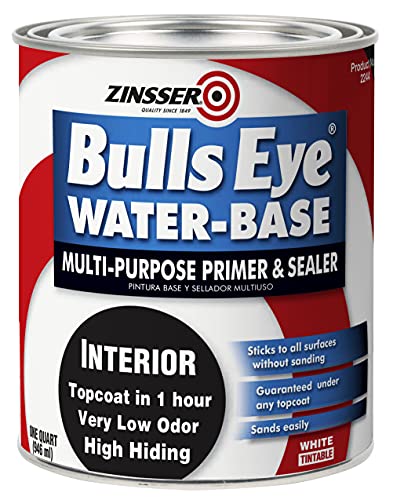
The best paint primer depends on the surface and type of paint. For wood and drywall, a high-quality acrylic or
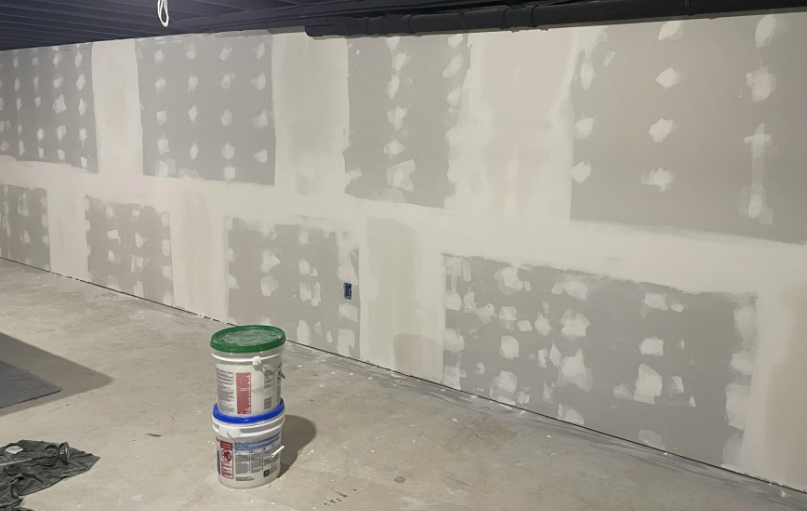
For new drywall, applying two coats of primer is generally recommended to ensure even coverage, proper adhesion, and uniform paint
Applying three coats of primer is usually more than necessary for most surfaces, as one or two coats are sufficient
Yes, multiple coats of primer can help reduce the appearance of minor surface imperfections, but they won’t completely hide deep
Yes, it’s recommended to prime over spackle before painting. Spackle can absorb paint differently than the surrounding wall, which may
Yes, humidity can significantly affect primer application and drying. High humidity slows the drying and curing process, which can lead
If primer gets rained on before it has fully dried, it can become soft, streaky, or uneven, compromising its ability