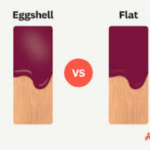
Do designers use flat or eggshell paint for Interiors? The answer is: Designers use both flat and eggshell paint finishes, but their choice depends on the space, purpose, lighting, and style goals of a project. Flat paint is often selected for ceilings and low-traffic walls because it hides flaws and gives a smooth, modern look. Eggshell paint is chosen for living spaces and high-traffic areas due to its soft sheen, durability, and easy cleaning. Each finish has its own strengths, and experienced designers know when to use each for the best results.
Why Designers Choose Flat Paint
Many designers pick flat paint for certain rooms and walls because of its special qualities. Flat paint has no shine at all. This makes it ideal for creating a calm and elegant look. It is often used in bedrooms, ceilings, and formal living rooms. The lack of gloss helps to hide wall imperfections like small bumps, cracks, or patches. If a wall is older or not perfectly smooth, flat paint can make it look much better.
Another reason designers select flat paint is light control. Flat paint absorbs light instead of reflecting it. This prevents glare and creates a soft, even finish. In rooms with strong sunlight or artificial lighting, flat paint helps keep the space from feeling harsh or too bright. Many designers like this effect when they want a cozy or relaxing atmosphere.
However, flat paint is not perfect for every situation. It can be harder to clean than other finishes. Marks and dirt may show more and are not as easy to wipe away. Because of this, designers usually avoid flat paint in kitchens, bathrooms, hallways, or children’s rooms—places where walls get touched and need cleaning often.
Still, for ceilings and adult bedrooms, flat paint remains a top choice for many design professionals.
8 Best Eggshell Paint for Bedroom – Soft Finish, Low Odor & Easy
Why Designers Choose Eggshell Paint
Eggshell paint has a gentle, low sheen that sits between flat and satin finishes. Designers often choose eggshell paint for living rooms, dining rooms, and hallways. The slight shine gives walls a soft glow but is not too shiny or glossy. This makes spaces feel brighter and more inviting.
One major reason for using eggshell paint is its durability. Eggshell is tougher and easier to clean compared to flat paint. It resists stains better, so scuffs and marks can be wiped away with a damp cloth. This makes it ideal for rooms with more activity, like family rooms or children’s spaces.
Eggshell paint also works well in spaces where designers want a touch of elegance without going overboard. The finish highlights wall colors and adds depth to the paint. For example, a blue eggshell wall will catch the light nicely and make the color stand out.
Designers often use eggshell in homes and offices where people spend time and want a mix of style and practicality.
Credit: freelandpainting.com
Comparing Flat And Eggshell Paint
When designers decide between flat and eggshell paint, they think about several key factors. Here’s a closer look at how these two finishes compare:
| Feature | Flat Paint | Eggshell Paint |
|---|---|---|
| Sheen Level | No shine (matte) | Soft, low sheen |
| Hides Imperfections | Excellent | Good, but less than flat |
| Durability | Low | Medium |
| Easy to Clean | No | Yes |
| Best For | Ceilings, adult bedrooms, formal rooms | Living rooms, halls, children’s rooms |
Designers weigh these differences based on the function and style of each room. If the wall needs to hide old repairs or dents, flat paint is better. If the wall will get touched often, eggshell is usually best.
How Room Function Affects Paint Choice
The purpose of the room plays a big role in a designer’s decision. Not every space is used the same way, so not every space should have the same paint finish.
- Ceilings: Designers almost always use flat paint here. Ceilings are rarely touched and often have small cracks or patches from repairs. Flat paint hides these and keeps the ceiling from reflecting light into people’s eyes.
- Bedrooms: For adult bedrooms, flat paint is popular. It creates a calm mood and covers wall flaws. For children’s rooms, eggshell is better because it can handle fingerprints and cleaning.
- Living rooms and dining rooms: Eggshell is often the designer’s favorite. These spaces see more activity, and the soft sheen adds a sense of warmth.
- Hallways and entryways: These areas get lots of traffic. Eggshell’s durability and easy cleaning make it the smart choice.
- Kitchens and bathrooms: While not the main topic, it’s worth noting that designers usually pick even more durable finishes (like satin or semi-gloss) here because of moisture and stains.
8 Best eggshell paint for kitchen – Durable, Washable & Stain-Resistant Picks
The Role Of Lighting In Paint Selection
Lighting can change how paint looks. Designers pay close attention to both natural and artificial light in a room before picking a finish.
Flat paint absorbs light, which helps control glare in very bright rooms. This is helpful in spaces with large windows or strong overhead lights. It creates a gentle, even surface that doesn’t look shiny. In some cases, flat paint can make a room feel more peaceful, especially if the designer wants a “soft” atmosphere.
Eggshell paint, on the other hand, reflects a bit of light. This helps rooms feel brighter and more open. Designers like eggshell in darker rooms or spaces with little natural sunlight. The gentle reflection makes the wall color look richer and adds life to the space without being distracting.
One tip many beginners miss: always test paint samples on the wall and check at different times of day. The same paint can look very different in morning sunlight versus evening lamp light. Designers never skip this test, because the right sheen can change a room’s whole feel.
The Impact Of Wall Condition
The surface quality of walls is another reason designers choose between flat and eggshell paint. If walls are perfectly smooth, both finishes can look good. But most walls have small flaws—tiny dents, cracks, or rough spots.
Flat paint is excellent at hiding these flaws. Because it doesn’t reflect light, imperfections don’t stand out. This is why designers often use flat paint in older homes or in renovations where patching has been done. For example, if a wall has been repaired after removing picture hooks or fixing cracks, flat paint can make these spots almost invisible.
Eggshell paint, while still forgiving, is not as good at hiding wall flaws. The soft sheen can highlight bumps or uneven surfaces, especially when light hits at an angle. Designers will sometimes recommend fixing or sanding walls more carefully before using eggshell paint.
If the wall is in great shape, eggshell can look beautiful and add subtle richness to the color.
A mistake beginners often make is using eggshell on rough or patched walls, only to find that every defect is easier to see. Designers avoid this by matching the finish to the wall quality.
Paint Durability And Cleaning Needs
Durability is a major factor in paint choice, especially for designers working in homes with children, pets, or frequent visitors. Flat paint is not very washable. If a wall gets dirty, cleaning it can leave shiny spots or even remove the paint. For this reason, designers use flat paint mainly in areas that are not touched or scuffed often.
Eggshell paint, by contrast, is more resistant to stains and cleaning. You can usually wipe marks away without harming the finish. Designers recommend eggshell in hallways, entryways, family rooms, and other places where walls might get fingerprints, scuffs, or dirt.
Here’s a simple comparison:
| Room Type | Best Finish | Why |
|---|---|---|
| Ceiling | Flat | Hides flaws, rarely touched |
| Adult Bedroom | Flat | Calm look, low cleaning needs |
| Children’s Room | Eggshell | Easy to clean, resists marks |
| Living Room | Eggshell | Durable, warm sheen |
| Hallway | Eggshell | Handles traffic, cleanable |
Designers always think ahead about who will use the room and how much cleaning will be needed. This helps them choose the finish that will look good and last long.
Style And Design Trends
Trends in interior design also affect the choice between flat and eggshell paint. Over the past decade, there has been a move toward matte, soft-looking walls. Many designers are drawn to flat paint for its modern, elegant feel. It works especially well in minimalist or Scandinavian-style interiors, where simplicity and calm are key.
However, eggshell remains popular for its versatility. The finish fits well with many design styles—from classic to contemporary. The soft sheen adds a touch of sophistication without being too bold or reflective. Designers often use eggshell as a “safe” choice that works in almost any home.
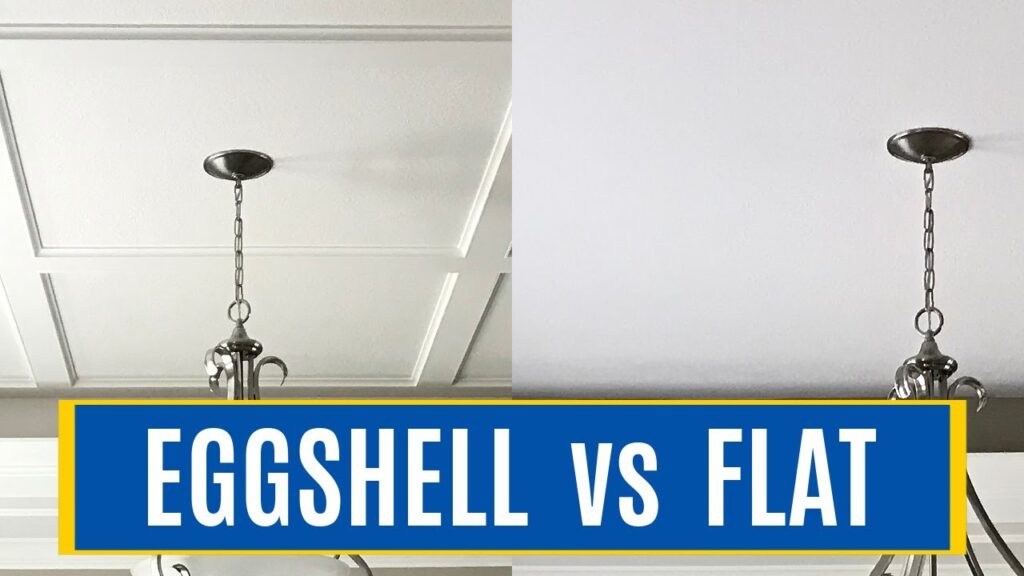
Some designers mix finishes in the same space for a layered look. For example, they might use flat paint on the ceiling and eggshell on the walls. This creates a subtle contrast and draws the eye to the shape of the room.
Others use flat paint on accent walls to highlight art or architectural features, while keeping the rest of the space in eggshell for practicality.
It’s worth noting that design magazines and TV shows sometimes show dramatic matte finishes that look beautiful but may not be practical for every home. Designers balance these trends with the real needs of each client.
Credit: www.youtube.com
Cost And Practical Considerations
Cost is another factor in the paint selection process. Flat paint is usually a bit less expensive than eggshell paint. However, price differences are often small compared to the total cost of painting a room. The real cost comes from maintenance and repainting. If a wall painted in flat finish gets stained and can’t be cleaned, it may need repainting sooner.
Eggshell paint’s durability can save money in the long run. You can clean walls instead of repainting them, which is helpful in busy homes or rental properties. Designers sometimes recommend eggshell even if it costs a little more upfront, because it reduces hassle and expense later.
It’s important to buy good-quality paint, no matter the finish. Cheap flat paint may mark easily, and low-quality eggshell paint can look streaky. Designers usually choose trusted brands and test colors on the wall before making a final decision.
Professional Tips For Choosing Between Flat And Eggshell
Designers use a few smart strategies when choosing paint finishes:
- Test before you decide: Always paint a sample on the wall. Look at it in different lights and from different angles.
- Think about the room’s users: Families with young children or pets will need more durable finishes.
- Don’t ignore the ceiling: Flat paint is almost always best for ceilings because it hides flaws and avoids glare.
- Combine finishes for effect: Try flat on accent walls or ceilings, eggshell on main walls. This adds depth without complicating cleaning.
- Fix wall flaws before using eggshell: Sand and repair walls carefully if you want a beautiful eggshell finish.
- Ask about “washable matte”: Some brands offer flat paints that are more washable, combining the look of flat with the cleaning ability of eggshell.
- Plan for touch-ups: Flat paint is easier to touch up, as new paint blends in well. Eggshell can show touch-up marks if not applied evenly.
:max_bytes(150000):strip_icc()/what-is-eggshell-paint-5113731-hero-8303b88981d340e782d3e95a8a6ba6d4.jpg)
Credit: www.thespruce.com
Real-world Examples From Designers
To understand how designers use flat and eggshell paint in real projects, let’s look at a few examples:
- A designer working on a historic home with uneven plaster walls chooses flat paint for the main living room. This hides years of repairs and gives a soft, classic look. Eggshell is used in the hallway, where kids and pets are more likely to touch the walls.
- In a modern apartment with smooth drywall, the designer uses eggshell on all main walls. This creates a fresh, light-filled space. Flat paint goes on the ceiling and a feature wall behind the TV to add contrast.
- For a busy family’s kitchen and dining area, the designer selects eggshell for easy cleaning. Flat paint is limited to the ceiling and a formal sitting area rarely used by children.
These choices show how flexible designers are. They do not stick to one finish for every project but match the paint to the room’s needs and the client’s lifestyle.
When Designers Break The Rules
Sometimes, designers make bold choices that go against the usual advice. For example, a designer might use flat paint in a small bathroom to create a super-soft, spa-like feel, even if it means more touch-ups later. Or they might pick eggshell for a ceiling in a modern loft, using the slight sheen to reflect light and make the space feel bigger.
These creative decisions are based on experience and a deep understanding of how paint finishes affect a room’s mood and function. While beginners should follow the standard guidelines, experienced designers know when and how to bend the rules for a special effect.
Paint Technology: New Options For Designers
Paint companies are always improving their products. Today, some brands offer washable matte or “scrubbable flat” paints. These combine the look of flat paint with the cleaning power of eggshell. Designers use these new products in spaces where they want a matte look but also need durability.
Eggshell paints have also improved. Many are now low-odor, low-VOC (volatile organic compounds), and easier to apply without streaks. This makes them a safe choice for families, offices, and anyone concerned about indoor air quality. For more details on paint technology, you can check resources like Wikipedia.
Designers keep up with these changes by talking to paint store experts, reading reviews, and testing new products. This helps them give clients the best mix of beauty, function, and long-lasting results.
What Beginners Often Miss
Two important insights are easy to overlook:
- Touch-ups matter: Flat paint is much easier to touch up than eggshell. If you need to cover a mark or repair, a quick coat of flat paint blends in. With eggshell, touch-ups can sometimes look patchy unless you repaint the whole wall.
- Sheen affects color: The same color can look lighter or darker depending on the finish. Eggshell reflects more light, making colors look brighter. Flat makes them look softer and sometimes slightly darker. Always test both finishes with your chosen color before making a final decision.
Designers understand these subtle details, which is why they rarely rely on just the paint chip in the store. Testing is always part of their process.
Frequently Asked Questions
Why Do Designers Avoid Flat Paint In Busy Rooms?
Designers avoid flat paint in high-traffic rooms because it is hard to clean. Marks and stains do not wipe off easily and the paint can rub away. Eggshell or satin finishes are better for places like hallways, kitchens, and children’s rooms.
Can You Use Eggshell Paint On Ceilings?
You can use eggshell paint on ceilings, but most designers don’t recommend it. Eggshell’s sheen can show every bump or flaw in the ceiling, and may cause glare. Flat paint is better for hiding imperfections and creating a smooth look.
Is Eggshell Paint More Expensive Than Flat Paint?
Eggshell paint is usually a bit more expensive than flat paint, but the difference is small compared to the cost of the whole paint job. Eggshell’s durability can save money in the long run by reducing the need for frequent repainting.
Does Flat Paint Make A Room Look Bigger?
Flat paint does not reflect light, so it can make a room feel softer and more peaceful, but not necessarily bigger. If you want a room to look larger and brighter, eggshell or other reflective finishes are better choices because they bounce light around the space.
What Is The Best Paint Finish For Covering Wall Imperfections?
Flat paint is the best finish for hiding wall imperfections. Its matte surface does not reflect light, so bumps, cracks, and patches are less visible. Eggshell can highlight flaws, especially in strong light.
Both flat and eggshell paint have important roles in design. Skilled designers know when to choose each one to create beautiful, practical spaces that fit their clients’ needs and style. If you want a smooth, elegant look and have low-traffic walls, flat paint is the answer.
If you need easy cleaning and a touch of shine, eggshell is the right choice. Always test, consider your lifestyle, and ask for expert advice if you’re not sure.