
Do I need to prime a concrete floor before painting it?
Yes, priming a concrete floor before painting is highly recommended. Concrete is porous and can absorb paint unevenly, so applying a concrete primer helps seal the surface, improve paint adhesion, and increase durability. Priming also prevents peeling, flaking, and uneven color, especially when using epoxy or acrylic floor paints. After cleaning and repairing any cracks, apply a suitable concrete primer and allow it to dry fully before painting for the best long-lasting finish.
Don’t let your hard work peel away; applying the best primer for concrete floor ensures your topcoat bonds permanently for a professional, flake-free finish. Stop moisture from ruining your garage or basement transformation by starting with a high-grip concrete primer that’s built to last.
Stop settling for flaky finishes that peel under hot tires; choosing the best paint for concrete floor ensures a chemical-resistant barrier that lasts for years.
Are you planning to paint your concrete floor but wondering if priming is really necessary? You might think skipping primer saves time and money, but it can lead to peeling paint, uneven color, and a surface that won’t last.
Your concrete floor is porous and tricky to work with, so prepping it right is key to a smooth, durable finish. You’ll discover why priming is crucial, how it protects your floor, and which primers work best for your project.
Keep reading to make sure your paint job looks great and stands the test of time.
Why Prime Concrete Floors
Priming a concrete floor before painting is a crucial step that many overlook. Concrete is porous and rough, which means paint does not easily stick to it. Applying primer creates a smooth, sealed surface that helps paint bond better. This process improves the look and lifespan of the paint job.
Priming also protects the floor from moisture and damage. It prevents common issues like peeling and flaking, which can ruin your hard work. Investing time in priming saves money and effort later on.
Improved Paint Adhesion
Concrete’s rough texture makes paint stick poorly. Primer fills tiny pores and smooths the surface. This helps the paint grip the floor tightly. Better adhesion means the paint lasts longer and looks even. Without primer, paint can peel or chip quickly.
Moisture Barrier Benefits
Concrete can absorb moisture from the ground. Moisture harms paint and causes bubbling or discoloration. Primer acts as a barrier, stopping moisture from reaching the paint. This keeps the floor dry and the paint intact. It also protects against mold and mildew growth.
Preventing Peeling And Flaking
Peeling paint is a common problem on concrete floors. It happens when paint cannot hold to the surface. Primer creates a strong base that holds the paint firmly. This stops the paint from lifting or flaking off over time. A primed floor stays beautiful and durable longer.
Types Of Primers For Concrete
Choosing the right primer is essential for a smooth and lasting paint job on concrete floors. Concrete is porous and can absorb moisture, so primers help seal the surface and improve paint adhesion. Different primers serve different purposes, depending on the condition and type of the concrete floor. Understanding the types of primers can help you pick the best one for your project.
Bonding Primers
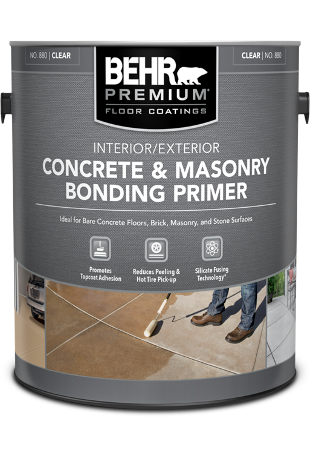
Bonding primers are designed to stick firmly to concrete surfaces. They create a strong link between the floor and the paint. This type of primer works well on smooth or dense concrete. It prevents paint from peeling or flaking over time. Bonding primers are popular for garage floors and basements.
Masonry Primers
Masonry primers are made for rough or porous concrete surfaces. They seal the floor to stop moisture from coming through. These primers improve paint coverage and even out the texture. Masonry primers also help prevent stains and mold growth. Use this primer on outdoor patios or walls.
Epoxy-based Primers
Epoxy-based primers are very durable and resistant to chemicals and water. They form a hard, protective layer on the concrete. This type of primer is ideal for high-traffic areas or floors exposed to heavy wear. Epoxy primers offer excellent adhesion and long-lasting protection. They often require mixing before application.
Preparing Concrete Before Priming
Proper preparation of concrete before priming ensures paint adhesion and durability. Concrete is porous and rough, so cleaning and treating the surface is essential. Steps like removing dirt, fixing damage, and creating a smooth texture improve the primer’s grip. These preparations prevent peeling and uneven paint coverage. Follow these key steps to ready your floor for priming.
Cleaning And Degreasing
Start by removing all dust, dirt, and grease. Use a stiff broom or vacuum to clear loose debris. Apply a degreasing cleaner to break down oils and stains. Scrub the surface well with a brush. Rinse thoroughly with clean water to remove residue. Allow the floor to dry completely before moving on.
Repairing Cracks And Holes
Inspect the floor for cracks, holes, or chips. Small damages weaken the paint bond and create an uneven finish. Fill these areas with a concrete patch or filler. Smooth the patches with a putty knife. Let the repair dry fully according to product instructions. Sand rough spots lightly for a level surface.
Etching The Surface
Etching opens the concrete pores to improve primer adhesion. Use a mild acid solution or a commercial concrete etcher. Follow safety instructions carefully during application. Spread the etching solution evenly and let it sit as directed. Rinse the floor thoroughly with water to remove all acid. Allow the concrete to dry completely before priming.
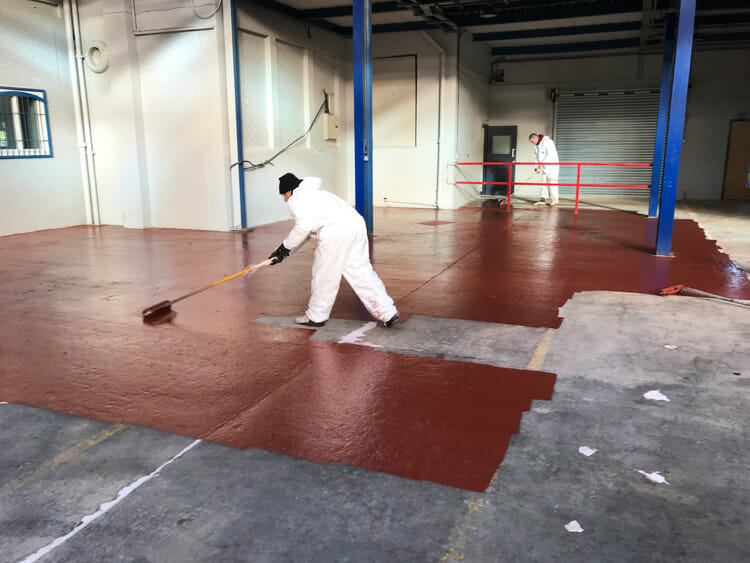
Credit: regalpaint.co.uk
Priming Process Tips
Priming a concrete floor before painting improves paint adhesion and durability. It seals the porous surface and prevents paint from soaking in. Proper priming also helps avoid peeling and uneven coverage. Follow these tips for a smooth priming process and a long-lasting finish.
Application Methods
Use a roller for large floor areas to spread primer evenly. For edges and corners, use a brush for precision. A sprayer can speed up the process but requires skill to avoid drips. Always apply primer in thin, uniform coats to prevent puddling.
Drying Times
Allow the primer to dry fully before painting. Drying time depends on primer type and weather conditions. Most primers dry within 1 to 4 hours. Avoid walking on the surface during drying to keep it clean and smooth.
Number Of Coats
One coat of primer is often enough for smooth concrete. Rough or highly porous floors may need two coats for better sealing. Apply the second coat only after the first is completely dry. Proper coverage ensures better paint adhesion and finish.
Consequences Of Skipping Primer
Skipping primer on a concrete floor before painting can cause many problems. The paint may not stick well and the finish might look bad. Concrete is porous, so paint soaks in unevenly without primer. This leads to a weak and unattractive surface. Understanding these issues helps avoid costly repairs and redo work.
Patchy Or Uneven Finish
Concrete absorbs paint differently in various spots. Without primer, some areas soak up more paint than others. This causes blotches and uneven color. The floor loses its smooth, clean look. Primer seals the surface and creates a uniform base. It helps paint spread evenly and look professional.
Reduced Paint Durability
Paint without primer often peels or chips quickly. The bond between paint and concrete is weak. Heavy foot traffic or cleaning can damage the paint fast. Primer improves adhesion and strengthens the paint layer. It extends the life of the painted floor and keeps it looking fresh longer.
Moisture-related Issues
Concrete can hold moisture that escapes through the paint. Without primer, moisture causes bubbles or blisters under the paint. This leads to flaking and damage over time. Primer acts as a barrier against moisture. It protects the paint and prevents costly moisture problems.

Credit: www.drylok.com
When Primer Might Not Be Necessary
Priming a concrete floor is usually recommended before painting. It helps paint stick better and last longer. But there are certain cases where primer might not be needed. Knowing these situations can save time and effort. Below are some scenarios where you might skip priming.
Covering Strong Colors
When painting over very strong or dark colors, primer is often helpful. Yet, if the new paint is thick and pigmented enough, it can cover old colors well. High-quality paint designed for concrete sometimes works without a primer. Test a small area first to see if the color hides the old one properly.
Rough Exterior Surfaces
Rough or textured outdoor concrete floors may not always need primer. The texture allows paint to grip better. Some paints made for exterior use stick well on rough surfaces. Make sure the floor is clean and dry before painting. This improves adhesion and prevents peeling.
Previously Painted Floors
Floors that already have a good layer of paint might not require priming again. If the old paint is in good shape, clean and sand the surface lightly. This helps new paint stick without primer. Avoid priming if the old paint is peeling or flaking, as this signals a deeper problem.
Choosing The Right Paint After Priming
Choosing the right paint after priming a concrete floor sets the stage for lasting beauty and protection. The primer seals the surface and improves paint adhesion. Now, the paint must fit the floor’s use and environment. Different paints offer varied finishes, durability, and ease of maintenance. Understanding these options helps pick the perfect match for your primed concrete floor.
Types Of Concrete Paints
Concrete paints come in several types. Latex-based paints are popular for indoor floors. They dry fast and clean easily with water. Epoxy paints create a hard, glossy surface. They resist stains and wear, ideal for garages or workshops. Acrylic paints offer good color retention and flexibility. They suit patios or basement floors. Choose paint based on location and traffic levels.
Durability Considerations
Durability matters for concrete floors exposed to heavy use. Epoxy paints last longest under foot and vehicle traffic. They resist chemicals and moisture well. Latex paints wear faster but are easier to recoat. Acrylic paints balance flexibility and toughness. Consider how often the floor faces abrasion or spills. A durable paint reduces frequent repairs and recoating.
Finishing Options
Finishing affects both look and function. Glossy finishes reflect light and highlight color. They show dirt and scratches more easily. Matte finishes hide imperfections and create a soft look. Satin finishes balance shine and subtlety. Some paints allow adding anti-slip additives. This improves safety on smooth floors. Pick a finish that fits style and safety needs.
Credit: www.behr.com
Expert Tips For Long-lasting Results
Achieving long-lasting results on a painted concrete floor requires smart preparation and care. Experts suggest several key steps to make paint stick better and stay vibrant over time. These tips focus on testing, maintenance, and understanding how the environment affects your floor.
Testing Paint Samples
Test small paint samples on your concrete floor before full application. This helps check how well the paint sticks and looks once dry. Choose a spot that is not very visible for your test. Observe the sample for a few days. Look for any peeling, cracking, or color changes. This simple step prevents costly mistakes and ensures the paint you pick works well on concrete.
Maintaining Painted Floors
Keep your painted floor clean to extend its life. Use mild soap and water for regular cleaning. Avoid harsh chemicals that can damage the paint. Place mats at entrances to reduce dirt and grit. Repair any chips or scratches quickly to stop them from spreading. Regular care prevents wear and keeps the floor looking fresh.
Seasonal And Environmental Factors
Concrete floors respond to temperature and moisture changes. During cold or wet seasons, moisture can seep through concrete and affect the paint. Use a primer designed to block moisture before painting. In dry, hot weather, paint can dry too fast and crack. Plan painting for mild, dry days to ensure even drying. Being aware of weather conditions helps your paint last longer and look better.
Frequently Asked Questions
Do I Need To Prime My Concrete Floor Before Painting?
Yes, priming a concrete floor ensures better paint adhesion and prevents peeling or uneven coverage. Use a concrete bonding primer for best results.
How Do You Prep A Concrete Floor For Paint?
Clean the floor thoroughly with a degreaser. Repair cracks and holes. Etch the surface to improve adhesion. Rinse and dry completely. Apply a high-quality masonry primer before painting.
What Happens If You Don’t Prime Concrete?
Skipping primer on concrete leads to poor paint adhesion, uneven coverage, peeling, and moisture issues due to concrete’s porous nature.
Can I Paint Straight On To Concrete?
Painting directly on concrete is not recommended. Concrete’s porous nature absorbs paint, causing uneven coverage. Always clean, repair, etch, and apply a masonry primer first for durable, smooth results.
Conclusion
Priming a concrete floor before painting protects the surface well. It helps paint stick better and last longer. Without primer, paint may peel or look uneven. Concrete soaks up paint without a primer, causing patchy spots. Using a bonding primer stops these problems.
Clean and dry the floor first for best results. Take the time to prime for a smooth, durable finish. Your painted floor will look nicer and stay strong over time. Simple steps like priming make a big difference.
Related posts:
 How to Paint Varnished Wood Successfully: Best Paints, Primers, and Tips
 What to Paint a Concrete Floor With (2026) – Durable Coatings That Last
 Best Paint for Concrete Floor (2025) – Top Picks for Garages & Basements
 Best Primer for Concrete Floor (2026) – Top Products to Prevent Peeling & Moisture Damage