
Eggshell paint can look patchy if the surface wasn’t properly prepared, if the paint wasn’t stirred well, or if it was applied unevenly. Variations in wall texture, previous paint color, or insufficient primer can also cause patchiness. To fix this, ensure the wall is clean and smooth, apply a suitable primer if needed, and use even, overlapping strokes when repainting. Applying a second coat usually evens out color and gives a consistent, smooth finish.
“I always keep a can of [KILZ 2 All-Purpose Primer] handy for spot-priming; it’s thick enough to seal those thirsty patches so your eggshell sheen stays uniform.”
Patchy eggshell paint usually comes from poor prep, uneven coats, and bad drying.
If your eggshell paint looks patchy, you are not alone. I have fixed dozens of walls with the same issue. In this guide, I’ll break down why eggshell paint looks patchy, what to do right now, and how to avoid it next time. Expect clear steps, real examples, and pro tips that work.
Achieve a sophisticated, low-luster look with the best eggshell paint that mimics the soft, velvety texture of a real egg. This finish provides just enough glow to make your colors pop without the distracting glare of high-gloss alternatives.
Why eggshell shows patches more than other sheens
Eggshell has a soft, low-sheen finish. It hides minor flaws better than satin, yet it still reflects some light. That soft glow is why eggshell paint looks patchy when the surface or coat is uneven.
The eye sees changes in sheen faster than changes in color. So any thin spots, heavy edges, or missed areas can flash. This is a common reason eggshell paint looks patchy on new drywall or patched zones.

Common reasons your eggshell paint looks patchy
Many things can cause patchy walls. Most issues fall into a few simple buckets.
- Poor prep The wall is dusty, glossy, or oily, so paint fails to bond.
- Porous areas Unprimed drywall mud or repairs suck in the first coat and look dull.
- Lap marks You rolled over drying paint and left heavy edges.
- Overworking You kept going back to fix a spot while the paint set.
- Uneven load The roller was too dry or too full, so coverage changed.
- Wrong roller nap Nap too short on textured walls, or too long on smooth walls.
- Skipping primer Shiny or patched spots flash through the finish.
- Humidity and heat Fast or slow dry times leave uneven sheen.
- Thin paint Cheap paint or too much water makes poor hide.
- Color issues Deep or bright colors need a tinted primer and two full coats.
If your eggshell paint looks patchy after two coats, one or more of these is in play.
To get a streak-free finish, switch to a [Purdy White Dove Roller Cover]. The high-density woven fabric releases paint evenly, which is critical for tricky sheens like eggshell.”
How to fix patchy eggshell paint right now
If your eggshell paint looks patchy, you can fix it with a focused plan. Work corner to corner. Keep a wet edge. Do not spot-paint unless you know it will blend.
- Wait and assess Let the wall dry for 24 hours. Light can deceive when paint is half-dry.
- Sand and dull Glossy, heavy, or ridged areas need a light sand with 220 grit. Wipe dust.
- Spot-prime porous patches Use a quality drywall or stain-blocking primer on repairs.
- Mix your paint Stir for 2 minutes. Strain if needed. Keep sheen and batch the same.
- Choose the right roller 3/8 inch for smooth walls. 1/2 inch for light texture.
- Roll correctly Load the roller well. Work in 3×3 foot sections. Use a W pattern.
- Maintain a wet edge Overlap each pass by 50 percent. Roll from dry into wet.
- Finish with light, one-direction passes Lay off from top to bottom with no pressure.
- Apply two uniform coats Allow 2–4 hours between coats, or longer in humid rooms.
- Add a conditioner if needed In hot, dry rooms, a small amount of extender helps level.
Note: For the best results, it is recommended to paint corner-to-corner on the entire wall.
I use this exact flow when eggshell paint looks patchy in hallways and living rooms. It works because it evens both color and sheen, not just color.

Surface prep that prevents patchiness
When eggshell paint looks patchy, prep is often the root. A clean, even base makes the sheen look smooth.
- Clean walls Use a degreaser in kitchens and hand-marked areas. Rinse and dry.
- Scuff glossy paint Lightly sand shiny spots so the new coat can grip.
- Repair and feather Fill dents and seams. Sand repairs past the edge to blend.
- Prime the right spots Prime bare drywall, joint compound, and water stains.
- Control dust Vacuum, tack cloth, and keep floors clean to avoid fuzz in the finish.
Prep is boring, but it is your best life hack for even eggshell.
Application technique that delivers an even eggshell finish
Technique is the secret sauce. Small changes prevent flashing and lap marks.
- Cut in first Cut edges and around trim. While still wet, begin rolling.
- Work in sections Do one wall at a time. Do not stop mid-wall if you can help it.
- Load often A dry roller makes streaks. Reload as soon as the sound gets scratchy.
- Pressure matters Use light, even pressure. Do not “squeeze” extra paint out.
- Direction helps Final light passes in one direction reduce roller lines.
- Two real coats Count only full, uniform coats. Thin cover-ups do not count.
I track coverage as I roll. If the pail says 350–400 square feet per gallon, I aim near that. It keeps me honest and avoids thin coats that make eggshell paint looks patchy under light.

Drying conditions, timing, and why they matter
Paint does its best work in steady conditions. Big swings cause uneven sheen.
- Temperature 60–80°F is ideal.
- Humidity 40–60 percent is the sweet spot.
- Airflow Gentle airflow helps. Strong fans can skin paint and cause lap marks.
- Recoat time Follow the label. Many eggshells need 2–4 hours before the next coat.
- Cure time Full cure can take 2–4 weeks. Avoid harsh cleaning before then.
When rooms are hot and dry, I use a small extender. When it is humid, I wait longer before recoating. This simple shift fixes many cases where eggshell paint looks patchy after the first pass.
Primer, sheen, and color choices that reduce patchiness
The wrong base makes even good work look off. Start smart.
- Match primer to surface Use drywall primer on new mud. Use stain-blocking primer on marks.
- Tint primer for deep colors A gray-tinted primer often helps reds, blues, and deep greens.
- Stay in the same sheen Touch-ups in a higher sheen will flash.
- Use quality paint Look for higher volume solids for better hide and flow.
- Keep batch numbers the same Mix cans together to avoid small color shifts.
I have seen eggshell paint looks patchy when one wall had spot primer and the rest did not. When in doubt, prime the whole wall for a uniform base.

Touching up eggshell without visible patches
Touch-ups on eggshell can be tricky. The goal is to blend sheen and texture.
- Use the same paint Same brand, sheen, and batch if possible.
- Feather, do not dot Extend past the flaw by a foot or more in soft strokes.
- Use a micro-roller A small 1/4 or 3/8 inch nap blends better than a brush blob.
- Try a panel edge trick Roll from the nearest corner or break point to hide the blend.
- When all else fails Repaint the full wall from corner to corner.
If your eggshell paint looks patchy after small touch-ups, stop and switch to a full-wall coat. It saves time in the end.
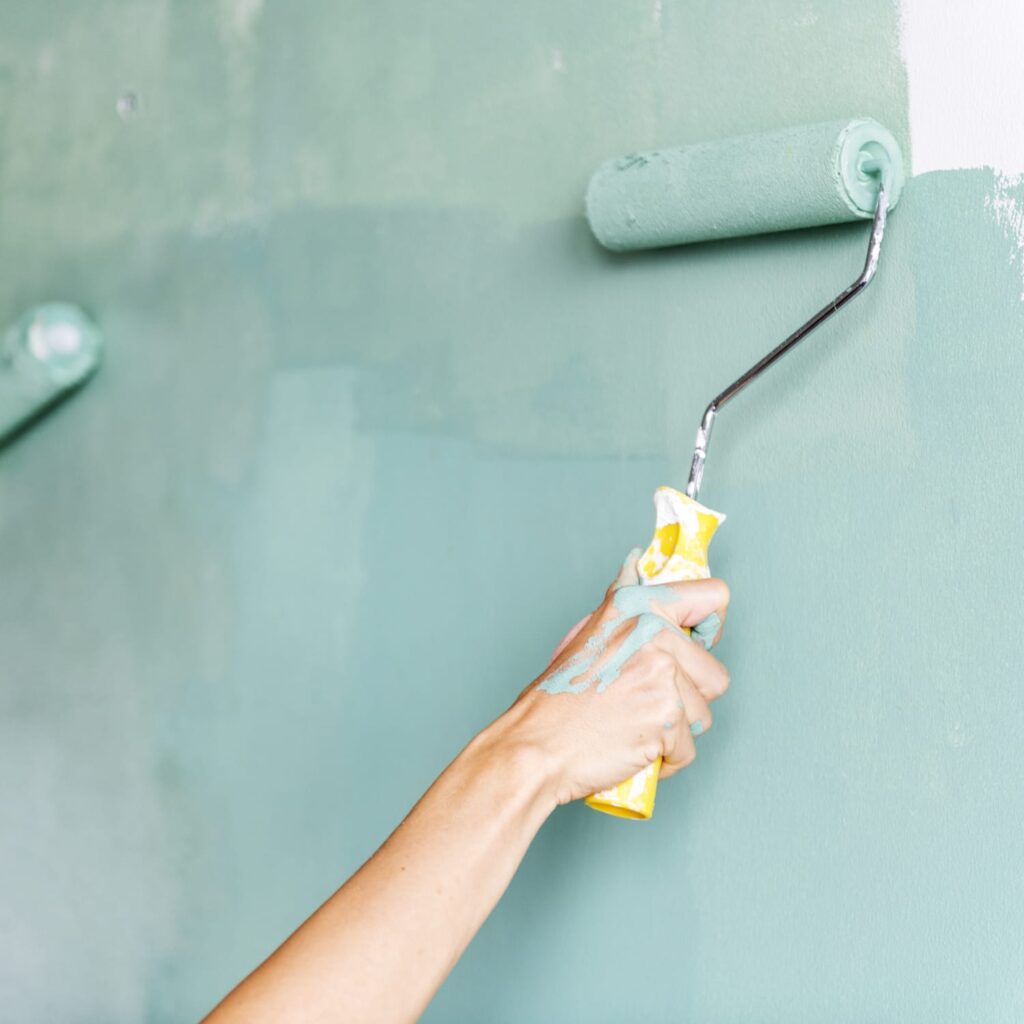
Real-world lessons from the field
A client once called me because their hallway looked streaky at night. The cause was simple. They used a short-nap roller on light orange peel texture. We swapped to a 1/2 inch nap, primed the patched corners, and rolled two even coats. No more patches.
In another case, a nursery looked fine by day but blotchy under a lamp. The repair spots were unprimed. We spot-primed with a drywall primer, mixed all paint into one bucket, and rolled the wall top to bottom. That fixed the sheen shifts where the eggshell paint looks patchy under side light.
Frequently Asked Questions of eggshell paint looks patchy
Why does eggshell paint look patchy even after two coats?
Usually the first coat was too thin, or the surface was porous. Uneven drying or missed primer can also cause sheen differences.
How can I fix lap marks on eggshell walls?
Let the wall dry, then sand the ridges lightly and repaint the whole panel. Keep a wet edge and overlap each pass by half.
What roller is best for eggshell on smooth drywall?
Use a 3/8 inch microfiber or woven roller for smooth walls. For light texture, step up to 1/2 inch.
Can I touch up eggshell without repainting the whole wall?
Sometimes, if the area is small and you feather the edges. If the spot still flashes, repaint corner to corner.
Does humidity make eggshell paint look patchy?
Yes. High humidity slows dry time and can change sheen. Low humidity can dry edges too fast and cause lap marks.
Should I use primer if my eggshell paint looks patchy?
Yes, if you see dull spots over patches or repairs. A quality primer evens absorption and stops flashing.
Why does the wall look patchy only at night?
Side light from lamps or windows can reveal sheen shifts. Repainting with even coats and proper prep usually solves it.
Conclusion
When eggshell paint looks patchy, think prep, technique, and timing. Clean and prime the surface. Load the roller right. Work fast enough to keep a wet edge. Give it two real coats under steady room conditions.
You can fix a patchy wall in a weekend with these steps. Grab your tools, test on one wall, and build your confidence with each pass. If this helped, share your results, ask a question, or subscribe for more step-by-step paint guides.
Related posts:
 Best Eggshell Paint – Best Value & Premium Choices Compared best eggshell paint
 Can You Paint Over Zinsser Gardz? (2026) – Yes, Here’s How to Do It,Mistakes to Avoid
 Can You Paint Expanding Foam Tape? – Mistakes to Avoid for a Clean Finish
 Does a Second Coat of Paint Make It Darker? Why Paint Looks Different & Solution