
Most exterior walls require two coats of paint for proper coverage, durability, and color depth. The first coat acts as a base and may not fully cover stains, previous colors, or uneven surfaces, while the second coat ensures uniform color, better protection against weather, and longer-lasting results. In some cases, a primer coat is also recommended before painting, especially on bare wood, masonry, or repaired areas, to enhance adhesion and prevent peeling. Always follow the paint manufacturer’s instructions for the best outcome.
Top-Rated Tools to Get the Job Done Faster
Since exterior painting is labor-intensive, the best products to recommend are those that save time and ensure even coverage.
Product Why It’s Best for Exterior Walls Key Feature Wagner PowerPro Paint Sprayer Best for Large Areas. Applies two coats in the time it takes to roll one. Adjustable flow for siding, fences, or brick. Wooster Pro 7-Piece Roller Kit Best for Texture. High-nap rollers reach into gaps in stucco or wood. Heavy-duty frame with lint-free covers. Purdy ClearCut Elite Brush Best for Cutting In. Perfect for windows, trim, and corners. Stiff bristles for thick exterior latex paint.
How Many Coats Of Paint On Exterior Walls
If you want your home’s exterior walls to look fresh, last longer, and resist weather damage, the usual answer is two coats of paint. For most exterior painting projects, applying two coats gives the best results. However, the exact number depends on your wall material, the type of paint, the color you choose, and the wall’s condition. Sometimes, one coat is enough, but often, a second coat is needed for full coverage and protection. In rare cases, three coats may be necessary.
Painting the outside of your house is a big job and an important investment. If you apply too few coats, your walls may look patchy or fade fast. If you use too many, you waste time and money. Knowing the right number of coats and why it matters helps you get the best results for your home.
Best Paint Primer – Expert-Recommended Primers for Every Surface
Why Two Coats Is The Standard
Two coats of paint is the most common recommendation from paint manufacturers and professional painters. The first coat soaks into the wall and starts to build color and protection. The second coat evens out the surface, covers missed spots, and makes the color richer and more durable.
For example, if you paint a rough stucco wall, the first coat fills in the texture. The second coat gives a smooth, uniform finish. On smooth wood siding, the first coat can soak into the wood fibers, and the second coat forms a strong, weather-resistant layer.
Benefits Of Two Coats
- Better color coverage: The color looks deeper, more even, and matches the paint sample.
- Longer lifespan: Two coats protect against rain, sun, and temperature changes better than one.
- Fewer touch-ups: Your walls will look good for years, reducing the need for frequent repainting.
When One Coat Might Be Enough
In some situations, one coat of paint can be enough for exterior walls:
- Same color repaint: If you are painting over a well-maintained wall with the same color and using high-quality paint, one coat might work.
- Primer + paint in one: Some premium paints claim to cover in one coat, especially over light surfaces.
- Low-traffic areas: Sheds, garages, or fences may not need as much protection as your main house.
But be careful—one coat often leaves thin spots, especially with bold or dark colors. Even with “one-coat” paints, most pros still recommend two coats for best results.
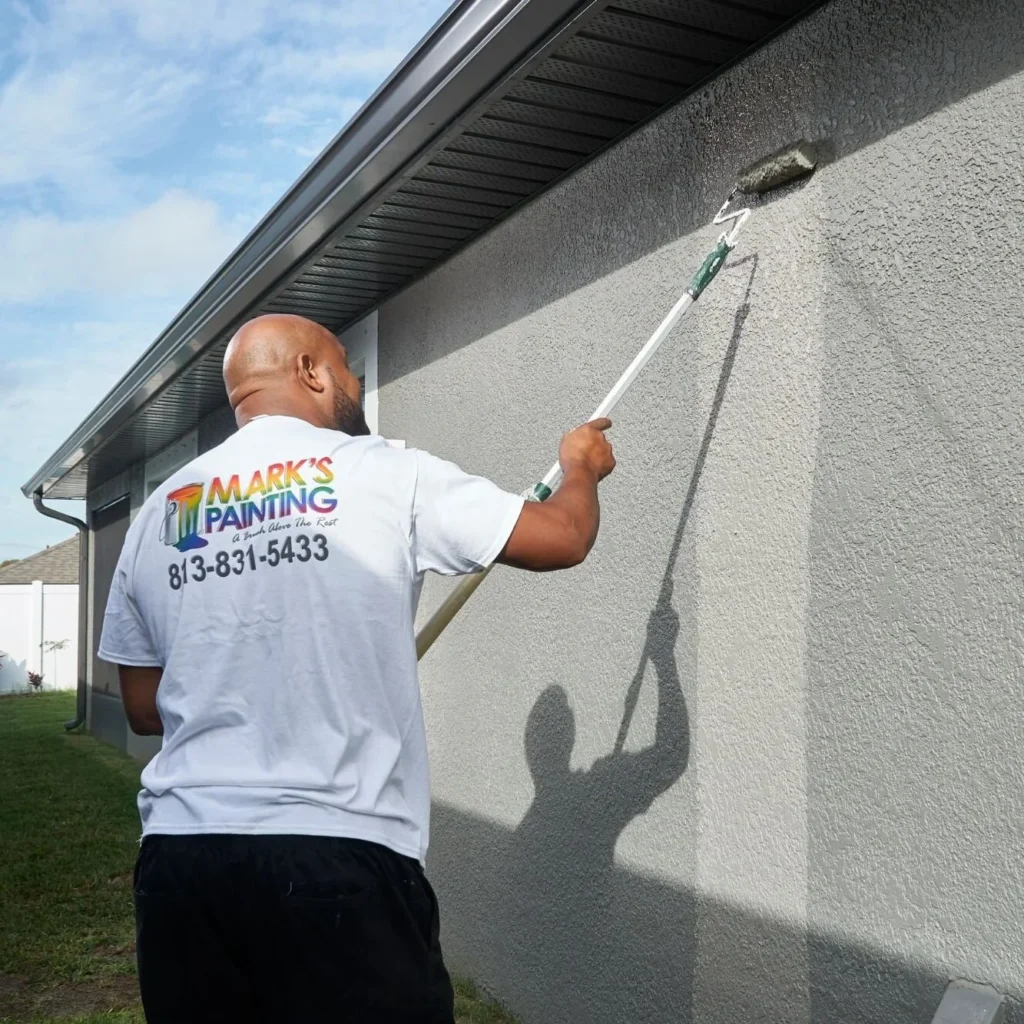
Credit: www.markspainting.com
When Three Coats Are Needed
While rare, some cases require three coats:
- Dramatic color changes: If you paint from dark brown to bright white, you may need extra coats for full coverage.
- Poor surfaces: Cracked, rough, or patched walls may absorb more paint, needing a third coat.
- Extreme climates: In areas with harsh sun or heavy rain, a third coat adds extra protection.
Factors That Affect The Number Of Coats
Deciding how many coats to apply depends on several key factors. Understanding these helps you plan your painting project—and your budget—more accurately.
1. Wall Material
Different surfaces soak up paint differently. Here’s a look at common exterior wall types:
| Wall Material | Typical Coats Needed | Notes |
|---|---|---|
| Wood Siding | 2 | Porous, absorbs first coat |
| Stucco | 2-3 | Rough texture needs more paint |
| Brick | 2 | Primer recommended for new brick |
| Fiber Cement | 2 | Generally smooth, holds paint well |
| Metal Siding | 1-2 | Depends on previous coating and primer |
2. Paint Type And Quality
High-quality paints cover better. Cheaper paints often need more coats to hide the surface and last less time. Paints labeled as “premium” or “one-coat” may save you time, but always check the label and reviews.
Acrylic latex paint is most popular for exteriors because it’s durable and easy to clean. Oil-based paints are less common today but are sometimes used on metal or trim.
3. Color Changes
If you’re changing from a light color to a dark one (or the opposite), it almost always takes extra coats. For example, painting yellow over black may need two coats of primer plus two coats of paint. For small color shifts—like beige to light gray—one or two coats are usually enough.
4. Surface Condition
Walls with cracks, peeling, or stains need extra prep and sometimes more coats. If your last paint job is peeling or chalky, you’ll need to scrape, sand, and prime before painting.
5. Primer Usage
Using a primer can reduce the number of paint coats needed. Primers seal the surface, block stains, and help paint stick better. For new, bare, or repaired walls, priming first is a must.
How To Know If You Need A Second Coat
After applying the first coat, let it dry completely. Then, check these things:
- Can you see the old color or wall underneath?
- Are there streaks or patchy areas?
- Does the paint look thin in bright sunlight?
If you answer yes to any, a second coat is needed. For most homes, even if the first coat looks good, the second coat ensures the paint lasts much longer.
Application Methods And Coats
The way you apply paint also affects coverage:
- Brush and roller: Common for home projects. Usually needs two coats for even results.
- Sprayer: Can cover large areas fast, but sometimes needs a second pass to fill in missed spots.
For rough surfaces like stucco, you may need to back-roll (roll over sprayed paint) for full coverage.
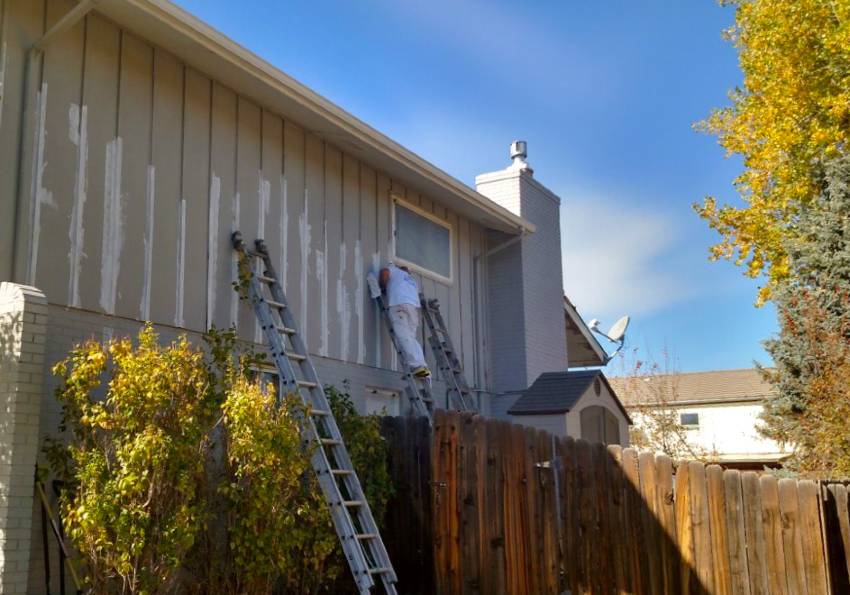
Credit: www.endeavorexteriors.com
Real-world Examples
Let’s compare three homes painted under different conditions.
| Scenario | Paint Details | Number of Coats | Result |
|---|---|---|---|
| Old wood siding, faded paint | High-quality acrylic, primer | 2 coats (after primer) | Even color, lasts 8-10 years |
| New stucco, no primer | Mid-grade latex paint | 3 coats | Needed extra paint for texture |
| Fiber cement, same color refresh | Premium “one-coat” paint | 1 coat | Looked good, matched old color |
Common Mistakes With Paint Coats
Many homeowners make mistakes that cost time and money. Here are some to watch for:
- Skipping primer when it’s needed, leading to poor adhesion and more coats.
- Using cheap paint and expecting full coverage in one coat.
- Not allowing enough drying time between coats, causing peeling or unevenness.
- Applying paint too thin to save money, which actually shortens paint life.
- Ignoring surface prep, like cleaning and sanding, which affects how paint sticks.
How Climate Affects Paint Coats
Your local weather matters. In hot, sunny climates, UV rays break down paint faster. In wet or coastal areas, paint must resist moisture and salt.
- In hot climates, two coats of a UV-resistant paint are best. Lighter colors reflect more sunlight.
- In rainy or humid areas, use mildew-resistant paint and always apply two coats for moisture protection.
- In cold climates, paint only in recommended temperatures. Too few coats can crack and peel in freezing weather.
Extra tip: Always check the paint can for temperature and humidity guidelines.
Paint Manufacturer Recommendations
Most major paint brands agree: two coats is standard for exterior walls. For example:
- Sherwin-Williams: Advises two coats over primer for best durability.
- Behr: Suggests two coats unless using their highest-end paints on light colors.
- Benjamin Moore: Recommends one coat of primer, then two coats of paint for maximum performance.
Some brands offer “one-coat” products, but these work best for minor color changes on smooth surfaces.
The Role Of Primer
Many homeowners wonder if primer counts as a coat. Primer is not paint—it prepares the surface but doesn’t protect against weather. For bare walls or big color changes, primer plus two topcoats is usually the most durable option.
Primer helps by:
- Sealing porous surfaces (like new wood or stucco)
- Blocking stains
- Creating a uniform surface for paint
If you skip primer, you may need an extra coat of paint to get the same look.
Diy Vs. Professional Painting
Should you paint your home’s exterior yourself, or hire a pro? Here’s what to consider:
| Aspect | DIY | Professional |
|---|---|---|
| Cost | Lower, but more time | Higher, but faster |
| Quality | Varies by skill | Consistent, usually better prep |
| Number of Coats | May apply too few or too many | Follows best practices (usually two) |
| Warranty | No guarantee | Often includes warranty |
Most pros will recommend two coats, except on small jobs or when using specialty paints.
How To Plan Your Exterior Painting Project
If you want the best results, follow these steps:
- Inspect your walls. Look for cracks, peeling, or mold.
- Clean and repair. Wash surfaces, scrape loose paint, fill holes.
- Prime if needed. Bare or patched walls always need primer.
- Choose quality paint. Don’t skimp—good paint saves money over time.
- Apply at least two coats. Unless your surface and paint choice clearly allow one.
- Follow drying times. Never rush between coats.
- Check coverage in daylight. Look for missed spots and touch up as needed.
Non-obvious Insights For A Better Paint Job
- Paint absorbs differently even on the same wall. Sun-exposed areas, repaired patches, or old paint can soak up more paint than others. Always check after the first coat for uneven areas.
- Color finish changes with more coats. Glossy or satin paints look shinier with two coats compared to one. If you want a true matte or eggshell finish, don’t overapply.
- Paint samples can mislead. Sample cards are usually printed, not painted. Always test your chosen color on the wall with at least two coats before buying all your paint.
- Paint “hides” better with higher solids. Paints with a higher percentage of solids (listed on the can) cover better in fewer coats.
- Dark colors fade faster. If you pick a bold or dark color, two coats are a must—and may need touch-ups sooner than lighter colors.
Maintenance And Repainting
Even with two coats, exterior paint doesn’t last forever. On average:
- Wood siding: Repaint every 5-7 years.
- Stucco or brick: Repaint every 7-10 years.
- Fiber cement: Can last up to 15 years with good paint.
Check your home each spring for chalking, cracks, or fading, and plan to repaint before major problems develop.
Trusted Resources For Further Reading
If you want detailed technical info, the American Coatings Association offers research-based advice on paint coverage, durability, and industry standards.
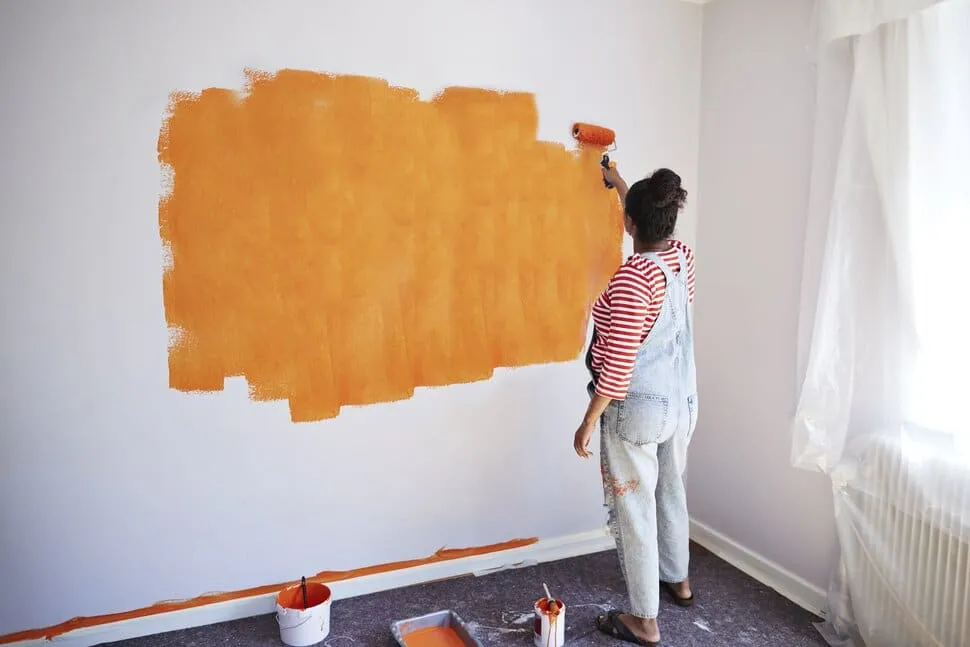
Credit: www.soundpaintingsolutions.com
Frequently Asked Questions
How Many Coats Of Paint Do Exterior Walls Need?
Most exterior walls need two coats of paint for full coverage, color depth, and weather protection. Sometimes one coat is enough for minor color changes or with premium paints, but two coats are standard for best results.
Does Primer Count As A Coat Of Paint?
No, primer does not count as a paint coat. Primer prepares the surface but does not provide color or long-term protection. For new or repaired walls, apply primer first, then two coats of paint.
Can I Use One-coat Paint For Exteriors?
Some one-coat paints work for small color changes or on well-prepared, light-colored walls. However, two coats are still recommended for durability, especially on rough or dark surfaces.
How Long Should I Wait Between Coats?
Most paints require 2-4 hours of drying time between coats, but always check the paint can for specific instructions. Humidity and temperature can affect drying time.
What Happens If I Apply Too Few Coats?
With too few coats, you may see patchy color, poor coverage, and faster fading or peeling. Skipping the second coat can lead to more frequent repainting and higher long-term costs.
Painting your home’s exterior is an investment in beauty and protection. Knowing exactly how many coats to use—and why—means you’ll get a finish that looks great and lasts for years. Take your time, use quality materials, and don’t rush the process.
Your home will thank you.
Related posts:
 5mm vs 10mm Paint Roller – Coverage, Finish & Expert Recommendations
 Best Neutral White Interior Paint– Pro Painter Recommendations
 What size roller do professional painters use?– Nap Length & Surface Recommendations
 Best Paint for Kitchen Cabinets Without Sanding – No Prep, No Mess, Long-Lasting Results | Expert Tested