Most interior walls require two coats of paint for even coverage and a consistent color. The first coat often acts as a base layer, while the second coat ensures full opacity, hides streaks, and provides a smooth finish. Some lighter colors or new drywall may need a primer plus two coats, whereas high-quality paints with excellent coverage can sometimes achieve good results with just one coat. Always allow proper drying time between coats for the best finish and durability.
Pro Tip: How to Tell if Your First Coat is Ready
Applying a second coat too early is the cause of peeling. To speed up the process without ruining the finish, I always use a High-Velocity Floor Fan.
It’s a game-changer for interior painting because it circulates air without blowing dust directly onto the wet wall. This can cut your “re-coat” wait time in half, allowing you to finish those two coats of paint on your interior walls in a single afternoon.
Painting the inside walls of your home can completely change how a room feels. But one common question comes up for almost everyone: How many coats of paint on interior walls do you really need? The simple, direct answer is usually two coats for most situations. However, the full answer is more complex. The right number depends on the surface, paint type, color changes, and what you want the final result to look like. Painting is more than just brushing color on a wall—knowing how many coats to use can mean the difference between a smooth, long-lasting finish and a patchy, disappointing job.
This article explains exactly how many coats of paint you need for different situations, why the right number matters, and what you should consider for your specific project. Whether you’re a first-time DIY painter or want to understand the process before hiring a professional, you’ll find clear guidance here.
We’ll also share expert tips, real examples, and answers to the most common questions about interior wall painting.
How Many Coats Of Paint On Interior Walls? (direct Answer)
The quick answer is: Two coats of quality interior paint are generally recommended for most interior walls. This is the standard for professionals and homeowners alike. Here’s why:
- The first coat creates an even base and covers most of the surface.
- The second coat fills in any thin spots and ensures consistent color and durability.
However, there are situations where you might need one, three, or even four coats—especially if you’re making a dramatic color change, painting over stains, or using special types of paint. Let’s break down when and why you might need more or fewer coats, so you know exactly what your walls require.
How Many Coats of Paint on Exterior Walls – Expert Recommendations for Lasting Color
Why Two Coats Is The Standard
Most paint manufacturers, professional painters, and home improvement experts agree: two coats is the sweet spot for interior walls. But why not just one coat? And why stop at two?
One Coat: Rarely Enough
In a few cases—such as repainting a wall with the same color and using a high-quality one-coat paint—you might get away with a single coat. But this is the exception, not the rule. One coat often leaves:
- Uneven color, especially in bright or dark rooms
- Visible brush or roller marks
- Patches where the old color shows through
Two Coats: Full Coverage And Rich Color
Applying two coats solves these problems. The second coat ensures:
- Uniform color depth
- Better hiding of the old color or any marks
- A smoother, more professional finish
- Greater durability and washability
More Than Two Coats: Special Cases
Some walls need three or more coats. For example:
- Covering a dark wall with a much lighter color
- Painting over stains or water damage
- Using low-quality paint (which is often thinner)
- Applying very bold or deep colors (like reds or blues), which sometimes need extra layers for true color
Factors That Affect The Number Of Coats
Not every wall is the same. Several factors can change how many coats you’ll need. Understanding these can save you time, money, and frustration.
1. Surface Condition
Old, rough, or patched walls often absorb more paint. If your wall has cracks, repairs, or is new drywall, expect to need an extra coat or at least a good primer.
2. Color Change
Switching from dark to light (or vice versa) almost always requires two or more coats. Bright reds, deep blues, and yellows are notorious for needing extra coverage. If you’re painting white over navy blue, you may need three coats—or a special primer.
3. Paint Quality
Higher-quality paints have more pigment and better coverage. Cheap paints often need extra coats to look solid.
4. Primer Use
If you use a primer, you may only need two coats of finish paint, even for big color changes. Skipping primer often means more finish coats.
5. Application Method
Spraying, rolling, and brushing all lay paint differently. Rollers usually give better coverage per coat than brushes. Sprayers can apply paint quickly but sometimes more thinly.
6. Wall Texture
Smooth walls cover faster than rough or heavily textured walls. Texture can “drink” paint, needing another layer for even color.
7. Paint Color
Some colors (especially reds, yellows, and certain greens or blues) are less opaque, even in high-end products. They often require three coats for evenness.
Practical Example
Imagine painting a beige wall light gray. With good quality paint, two coats are usually perfect. But if you’re going from navy blue to white, you might prime first and then apply two to three coats of white paint for a crisp finish.
Best Paint Primer – Expert-Recommended Primers for Every Surface
Primer Vs. Paint: How It Changes Coat Count
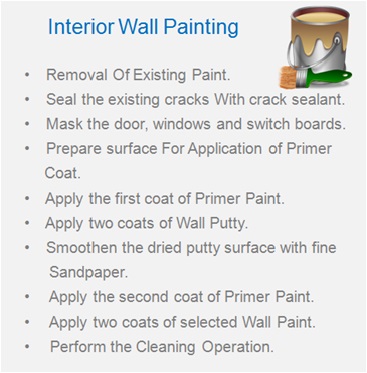
Many wonder if primer counts as a coat of paint. The answer: Primer is not paint, but it does help reduce the number of paint coats needed—especially on new drywall, repaired patches, or when making big color changes.
- Primer’s job is to seal the surface and provide a uniform base.
- Paint’s job is to give color, durability, and finish.
For most situations:
- 1 coat of primer + 2 coats of paint = professional result
If the wall is already painted and in good shape, you might skip the primer, but don’t skip the second coat of paint.
Credit: www.bradthepainter.com
Comparing Paint Types And Coverage
Not all paints cover the same. Here’s a helpful comparison of common interior paint types and how many coats they usually need:
| Paint Type | Typical Coats Needed | Best For |
|---|---|---|
| Standard Latex | 2 | Most interior walls |
| Premium Latex | 1-2 | Same color or small color shifts |
| One-Coat Paint | 1 (rarely), usually 2 | Small touch-ups or repainting same color |
| Primer + Paint in One | 2 | Moderate color changes, busy households |
| Matte/Flat Paint | 2+ | Ceilings, low-traffic areas |
| Satin/Eggshell | 2 | Living rooms, bedrooms |
| Gloss/Semi-gloss | 2 | Kitchens, bathrooms, trim |
A key insight: One-coat paints often promise a lot, but in real-world conditions, you’ll almost always need a second coat for full, even coverage.
Step-by-step: Deciding How Many Coats Your Walls Need
- Inspect the Wall
- Look for stains, patches, or bare drywall.
- Check the old color and how different the new color is.
- Choose Your Paint
- Higher-quality paint can reduce the number of coats.
- For big color changes, choose a paint with high hiding power.
- Decide on Primer
- Use primer for new drywall, stains, or major color changes.
- Tinted primer (colored close to your new paint) can help with drastic changes.
- Apply the First Coat
- Cover the entire wall evenly.
- Let it dry fully (check the can for drying times).
- Inspect for Coverage
- Look from several angles in natural and artificial light.
- If you see uneven color or the old paint peeking through, you need another coat.
- Apply the Second Coat
- This usually makes the color even and hides old marks.
- Check Again
- For tough color changes, you might need a third coat, but two is enough for most homes.
Real-world Examples
Example 1: Painting Over A Light Color
You have pale yellow walls and want to paint them light gray. After cleaning and minor patching, you use a quality latex paint.
- Result: Two coats are perfect. Primer isn’t needed, unless the wall is stained.
Example 2: Covering A Dark Color
You have a deep red accent wall and want to paint it white. You apply a gray-tinted primer first.
- Result: One coat of primer, then two coats of white paint. Sometimes a third coat of white is needed for full brightness.
Example 3: New Drywall
Fresh drywall soaks up paint. You apply one coat of drywall primer.
- Result: After priming, two coats of finish paint give a smooth, washable surface.
Example 4: Using One-coat Paint
You try a “one-coat” paint to refresh a beige wall with a similar shade.
- Result: In some spots, one coat looks good, but in sunlight, thin areas show. A quick second coat solves the problem.
Common Mistakes And How To Avoid Them
Many homeowners make the same errors when painting interior walls. Here’s what to watch out for:
Using Only One Coat
Even if the wall looks covered after one coat, thin areas or brush marks often appear once dry. Always check in different lights.
Skipping Primer When Needed
Primer isn’t always needed, but when it is, skipping it means more coats of paint and possibly a poor result.
Not Letting Paint Dry Fully
Applying a second coat before the first is dry can cause peeling, bubbling, or streaks. Follow the paint can’s instructions for drying times.
Using Cheap Paint
Low-quality paint often needs extra coats to cover well, so you don’t really save money.
Painting Over Stains Or Marks
Paint can’t always hide water stains, smoke, or crayon marks. Spot-prime these areas for best results.
Credit: www.homeimprovementanddecor.com
Paint Coverage: How Much Paint Do You Need?
Knowing how many coats you need also helps you calculate how much paint to buy. Here’s a quick reference:
- One gallon of quality paint covers about 350-400 square feet per coat.
- For two coats on a 12×12 foot room (about 400 sq ft of wall), you’ll need roughly two gallons.
If you need a primer plus two finish coats, add one more gallon for the primer.
When Is One Coat Enough?
While two coats is the rule, there are rare cases where one coat can work:
- Painting the same color, with high-quality paint, over a clean, smooth wall
- Using “one-coat” paint for touch-ups or small, low-traffic areas
But even in these cases, most pros still apply two coats for better durability and color.
When Do You Need Three Or More Coats?
Some situations call for extra work:
- Big color changes (dark to light, or vice versa)
- Very porous surfaces (unprimed drywall, bare masonry)
- Highly pigmented colors (bright reds, yellows, blues)
- Heavy stains (water, smoke, grease)
If you’re unsure, apply two coats, let it dry, and check. If you see unevenness, do a third.
Professional Painter Insights
Professional painters follow the two-coat rule because it saves callbacks and ensures happy customers. But they also know when to break the rule:
- For ultra-high-traffic areas (like hallways), sometimes a third coat protects better
- In rental units, a single thick coat may be used for speed—but this rarely lasts as long
One non-obvious tip: Sanding lightly between coats can improve adhesion and make the final finish smoother.
Cost And Time Considerations
Painting takes time and costs money. More coats mean more of both, but skimping here can lead to bigger costs later (like repainting sooner). Here’s a simple cost comparison:
| Number of Coats | Paint Cost (per 400 sq ft) | Labor Time (DIY) | Durability |
|---|---|---|---|
| 1 | $30–$60 | 2–4 hours | Low |
| 2 | $60–$120 | 4–8 hours | High |
| 3 | $90–$180 | 6–12 hours | Very High |
Paying for the right number of coats up front saves you from having to repaint in just a year or two.
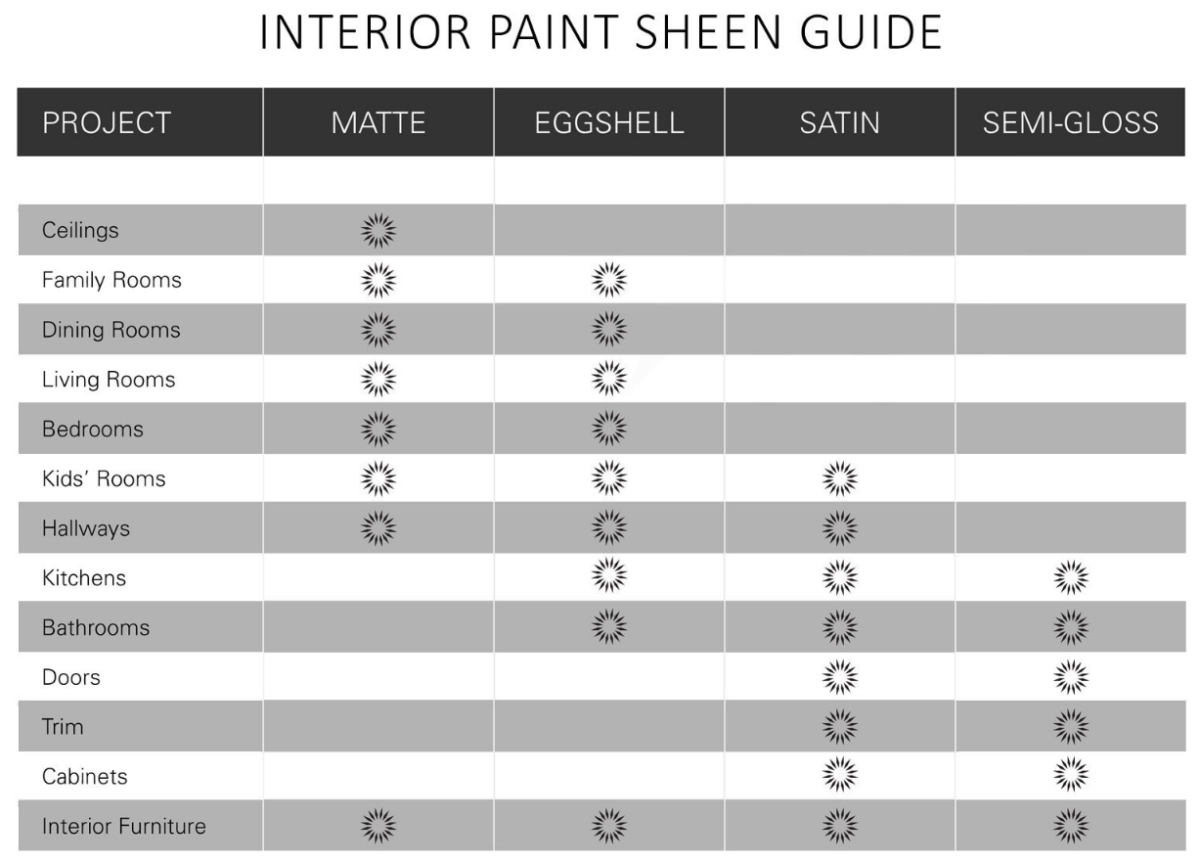
Paint Finishes And Coat Counts
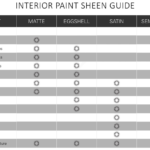
The finish you choose (matte, eggshell, satin, gloss) doesn’t usually change how many coats you need, but here are a few tips:
- Flat/Matte: Hides wall flaws but may need an extra coat for evenness
- Eggshell/Satin: Good coverage, standard two coats
- Semi-gloss/Gloss: Shows wall imperfections, so good prep and two coats are a must
Hidden Insights: What Most Guides Don’t Tell You
- Lighting changes everything. What looks covered in dim light may reveal “holidays” (thin spots) in sunlight or with lamps on at night. Always check your walls at different times of day before deciding you’re finished.
- Paint color bases aren’t all equal. Some brands use more transparent color bases for bright colors, meaning you’ll almost always need extra coats compared to neutrals.
Final Checklist: Getting A Perfect Paint Job
- Clean and repair your walls before starting
- Use primer when making big color changes, painting new drywall, or covering stains
- Plan for at least two coats of paint for best results
- Buy enough paint for the full project
- Allow full drying time between coats
- Inspect in different lights before calling it done
If you want more details on paint science and coverage, check the American Coatings Association.
Painting your interior walls is an investment in your home’s beauty and value. Taking the time to apply the right number of coats gives you a finish that lasts for years and looks great in any light.
Credit: coatpaints.com
Frequently Asked Questions
How Do I Know If I Need A Second Coat Of Paint?
After your first coat dries, inspect the wall in both daylight and artificial light. If you see patchy areas, uneven color, or old paint showing through, a second coat is needed. Even if it looks good, a second coat adds durability and a richer color.
Does Primer Count As A Coat Of Paint?
No, primer is not the same as paint. Primer prepares the surface but doesn’t provide the final color or finish. You usually still need two coats of paint after priming for best results.
Can I Use One-coat Paint For Everything?
One-coat paints can work for small touch-ups or repainting with a similar color, but most walls will still need two coats for full, even coverage—especially with color changes or textured walls.
How Long Should I Wait Between Coats?
Check the paint can for exact drying times, but as a general rule: wait at least 2–4 hours between coats for latex paint, and up to 24 hours for oil-based paint. Humid or cold conditions can slow drying.
Do Dark Colors Need More Coats Than Light Colors?
Often, yes. Dark or bright colors (like reds, blues, or yellows) are less opaque and typically require more coats to look even and vibrant. Primer can help reduce the number of finish coats needed.
Painting interior walls isn’t just about color—it’s about preparation, patience, and knowing when to add that extra coat. With the right approach, you’ll get results that look good and last.