Use mineral spirits or paint thinner, wipe, wash with soap, ventilate, and dispose safely.
If you need to know how to clean solvent based paint without wrecking the surface or your tools, you’re in the right place. I’ve cleaned hundreds of spills and sticky brushes on jobs big and small. In this guide, I’ll show you how to clean solvent based paint step by step, explain what actually works, and share field-tested tips that save time, money, and stress. Read on to handle any mess with confidence.
What Makes Solvent-Based Paint Different
Solvent-based paint (often called oil-based or alkyd) uses organic solvents. Water does not dissolve it. That is why plain soap and water fail. You need the right solvent, the right dwell time, and safe handling.
Common solvents that work:
- Mineral spirits or paint thinner Gentle on most finishes. Great first choice.
- Turpentine Stronger odor. Works fast on fresh paint.
- Acetone Very strong. Evaporates fast. Test first.
- Lacquer thinner Strongest common option. Use with care.
- Citrus-based removers Gentler smell. Slower but safer on many surfaces.
Why this matters for how to clean solvent based paint:
- Solvents break the paint bond so you can lift and wipe it.
- The wrong solvent can haze plastic, dull wood, or smear paint.
- Always test on a hidden spot first, and work from mild to strong.
Safety First: PPE, Ventilation, and Setup
Solvents are flammable and can irritate skin, eyes, and lungs. Treat them with respect.
Set up the space:
- Open windows and doors. Use a fan to push fumes out.
- Kill ignition sources. No smoking, candles, or space heaters.
- Protect floors with paper or plastic sheeting.
Wear the right gear:
- Nitrile gloves resist most solvents better than latex.
- Safety glasses block splashes.
- A respirator with organic vapor cartridges for larger jobs or poor airflow.
Smart handling:
- Work with small amounts of solvent. More is not better.
- Never mix solvents. Use one at a time.
- Keep lids on when not in use.
- Read the product label and Safety Data Sheet.
How to Clean Solvent-Based Paint: Fresh Spills and Wet Paint
If it is still wet, you’re in luck. Fresh paint lifts fast. Here is how to clean solvent based paint when it is fresh.
Step-by-step:
- Blot, don’t rub Use paper towels or rags to lift excess paint.
- Test the solvent Try mineral spirits in a hidden spot.
- Apply small amounts Dampen a cloth. Do not soak the surface.
- Work in passes Wipe, flip the cloth, and wipe again.
- Wash the area After paint lifts, clean with warm water and mild soap.
- Dry and check Look for haze or residue. Repeat if needed.
- Ventilate Let the area air out to clear fumes.
Pro tip from the field:
- On glossy trim, I start with mineral spirits. I switch to acetone only if needed. This protects the finish and avoids dull spots.
Quick PAA-style answers
- Can I use rubbing alcohol? It is weak on most solvent-based paints. Better to use mineral spirits.
- Is nail polish remover okay? Many removers include acetone. It can work, but test first, especially on plastic.
- Will dish soap alone help? Soap helps after solvent breaks the paint. It will not dissolve fresh oil paint by itself.
How to Clean Solvent-Based Paint from Common Surfaces
Here is how to clean solvent based paint from the most common materials I see on jobs.
Finished wood and cabinets
- Wipe with a cloth damp with mineral spirits. Do not flood the surface.
- Use a plastic scraper to lift thicker spots.
- Wash with mild soap and water. Dry at once.
- If haze remains, apply a tiny dab of furniture polish.
Bare wood
- Blot, then use mineral spirits sparingly.
- If paint soaked in, use a gel paint remover rated safe for wood.
- Sand only as a last resort to avoid deep scratches.
Metal
- Start with mineral spirits. For stubborn spots, switch to acetone or lacquer thinner.
- Use a nylon scrub pad to lift edges.
- Wipe clean and apply a light oil to prevent flash rust.
Plastic and vinyl
- Go gentle. Many plastics haze or soften.
- Try mineral spirits with short contact time. Wipe right away.
- Avoid acetone or lacquer thinner on plastics unless the label says it is safe.
Glass and tile
- Soften with mineral spirits, then scrape with a sharp razor at a low angle.
- Finish with glass cleaner to remove any film.
Concrete and masonry
- Blot fresh spills with kitty litter. Press it in and sweep up.
- Apply mineral spirits. Scrub with a stiff brush.
- For old stains, make a poultice with mineral spirits and absorbent (like diatomaceous earth), cover, wait 30–60 minutes, then scrape and rinse.
Skin
- Do not reach for strong solvents first.
- Massage in baby oil, olive oil, or waterless hand cleaner. Wipe away paint.
- Wash with soap and warm water. Repeat if needed.
- If irritation occurs, stop and rinse.
Clothes and fabrics
- Blot from the back side with mineral spirits on a cloth.
- Pre-treat with liquid dish soap. Launder on warm.
- Air-dry first. Heat can set stains.
When in doubt, test first. How to clean solvent based paint always starts with the mildest solvent, light pressure, and short contact times.
5 Best Paint Thinner for Cleaning Spray Gun (Fast & Effective
Clean Brushes, Rollers, and Spray Gear
Brushes and rollers can last for years if you clean them right. Here is how to clean solvent based paint from tools without wrecking them.
Brushes
- Work out excess paint on scrap cardboard.
- Swirl the brush in a jar of clean mineral spirits. Use a brush comb to free paint at the ferrule.
- Switch to fresh solvent until it stays clear.
- Wash with warm water and brush soap. Spin or shake dry. Wrap in paper to keep the shape.
Rollers
- Scrape excess paint with a roller squeegee or putty knife.
- Soak and squeeze in a tray of mineral spirits.
- Rinse with warm soapy water. Air-dry on end.
Spray guns
- Empty the cup. Run clean solvent through the gun until it sprays clear.
- Disassemble per the manual. Soak metal parts in solvent.
- Clean the nozzle and needle with a soft brush. Lubricate moving parts before storage.
Field note:
- I keep two jars. The first catches heavy paint. The second is for final rinse. When solids settle, I decant the clear top layer for reuse.

Disposal and Environmental Rules You Must Follow
Smart disposal is part of how to clean solvent based paint the right way.
Do this:
- Reuse solvents Let solids settle in a closed jar. Pour off the clear top into a clean container.
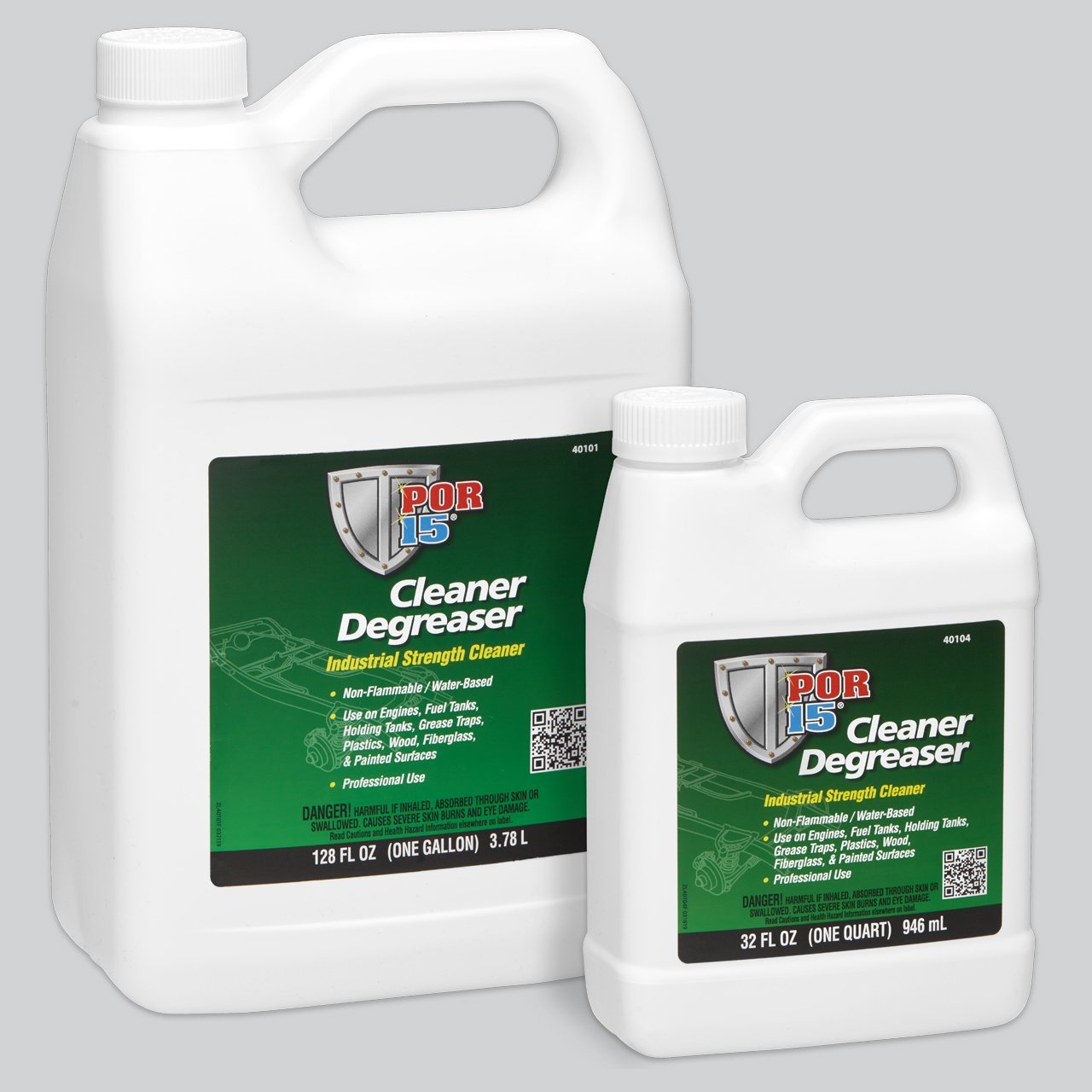
- Treat sludge as hazardous waste Take the bottom sludge to a household hazardous waste site. Do not pour it down drains or on soil.
- Handle oily rags right Solvent-soaked rags can self-heat. Lay them flat to dry outdoors, or store in a sealed, listed oily waste can.
Local rules matter. Many areas ban drain disposal of solvents and paint sludge. Product labels and Safety Data Sheets explain hazards and first aid. Follow them. Most guidance aligns with standard environmental and fire safety practices.
Troubleshooting, Pro Tips, and Real-World Lessons
These small tweaks make a big difference in how to clean solvent based paint fast and safe.
Common problems and fixes:
- Smearing instead of lifting Use a drier cloth, shorter contact time, and more blotting.
- Dull finish after cleaning Polish with a little furniture oil or wax. Test first.
- Lingering odor Vent more. Place a bowl of baking soda or activated charcoal nearby to absorb smells.
- Stain shadow on fabric Repeat the solvent blot from the back side. Then rewash.
Field mistakes I learned from:
- I once used acetone on a vinyl window. It etched the sheen. Since then, I always start with mineral spirits on plastic and limit contact time.
- Flooding wood with solvent can raise the grain. Light passes work better and save sanding later.
- Over-cleaning a brush in dirty solvent wastes time. Change the solvent sooner. It pays off.
Time-saving tips:
- Use white rags They show color transfer so you know when to switch to a clean side.
- Label jars “Dirty,” “Rinse,” and “Clean” to track solvent life.
- Keep a small kit ready Mineral spirits, nitrile gloves, scraper, dish soap, paper towels.
How to clean solvent based paint is not about force. It is about the right solvent, patience, and control.
Frequently Asked Questions of how to clean solvent based paint
Can I remove solvent-based paint with only soap and water?
No. Water does not dissolve oil or alkyd binders. Use mineral spirits first, then wash with soap and water to finish.
What is the safest solvent to start with?
Mineral spirits is the usual first step. It is effective and gentler than acetone or lacquer thinner on most finishes.
How do I know which solvent to use?
Start mild and test. If mineral spirits fails, step up to turpentine, then acetone, then lacquer thinner as a last resort.
Is it safe to use solvents on skin?
Avoid strong solvents on skin. Use baby oil or waterless hand cleaner first, then wash with soap and water.
How do I get paint off carpet?
Blot with small amounts of mineral spirits from the outside in. Follow with mild soap and water, then blot dry with a clean towel.
Can I pour used solvent down the drain?
No. Store in a closed container and take it to a hazardous waste drop-off. Reuse the clear decanted solvent when possible.
How many times should I clean a brush before soap?
Repeat solvent rinses until the liquid stays clear. Then wash with brush soap and warm water to finish.
Will acetone damage plastic?
Often yes. Many plastics haze or soften. Test first and favor mineral spirits with short contact time.
Conclusion
You now know how to clean solvent based paint on fresh spills, dried drips, tools, and tricky surfaces. Start mild, test first, work in light passes, and follow safe disposal rules. Small, smart steps beat brute force every time.
Ready to put this into action? Build a small cleanup kit today, save your tools, and protect your space on your next project. If you found this helpful, share it with a friend, leave a comment with your toughest cleanup question, or subscribe for more hands-on guides.