How To Fix Roller Overlap Marks In Eggshell Paint?
To fix roller overlap marks in eggshell paint, start by lightly sanding the affected areas with fine-grit sandpaper to smooth the edges. Then, use a clean roller and a small amount of paint to blend the marks, working in long, even strokes and maintaining a “wet edge” to avoid new overlaps. Avoid overloading the roller and ensure consistent pressure and direction while painting. Proper surface prep and consistent technique will help achieve a smooth, uniform eggshell finish.
Best Wood Brightener– Restore Wood to Its Original Color Quickly
Lightly sand, repaint with a wet edge, and use a proper roller.
If you want to know how to fix roller overlap marks in eggshell paint, you’re in the right place. I’ve painted hundreds of rooms, and eggshell can be unforgiving when laps show. This guide breaks down simple steps, pro tools, and practical fixes so you can master how to fix roller overlap marks in eggshell paint with ease and confidence.
Understanding roller overlap marks in eggshell paint
Roller overlap marks (often called lap marks or flashing) happen when one section starts to dry before the next section is rolled. The overlap area gets a different film build and sheen, so you see bands. Eggshell highlights these lines more than flat paint because the soft sheen reflects light.
Heat, low humidity, and drafts speed up dry time. A dry roller, cheap covers, and heavy pressure also make lines worse. If you’re asking how to fix roller overlap marks in eggshell paint, start by knowing that most fixes come down to timing, even film build, and the right prep.
I learned this the hard way on a dark hallway years ago. The wall looked striped at sunset. The cure was not more pressure. It was better timing, a lighter touch, and one clean layoff stroke end to end.
Best Primer For Eggshell Paint– Top Picks for Smooth, Even Coverage

Quick fixes based on paint stage
How to fix roller overlap marks in eggshell paint depends on whether the paint is wet, tacky, or dry. Each stage needs a different move. Act fast if it is still workable.
If the paint is still wet:
- Reload the roller and work from the dry area back into the wet edge.
- Smooth with light, top-to-bottom layoff strokes in one direction.
- Keep the roller full and avoid pressing hard.
If the paint is tacky (starting to set):
- Stop rolling. Rolling now makes it worse.
- Wait for full dry. Most latex needs 2 to 4 hours, longer in cool rooms.
- Come back with the repair steps below.
If the paint is dry:
- Plan on a light sand and another coat with better technique.
- This is the most reliable way to even out sheen.
- Keep reading for the full method on how to fix roller overlap marks in eggshell paint.
Best Primer For Eggshell Paint– Top Picks for Smooth, Even Coverage
Step-by-step repair that lasts
If you need a sure path on how to fix roller overlap marks in eggshell paint, this is the method I use on client jobs. It is simple, clean, and repeatable.
- Inspect under raking light
- Shine a lamp across the wall at a low angle.
- Mark problem bands with painter’s tape so you don’t chase ghosts.
- Lightly sand the overlap bands
- Use 220 to 320 grit on a sanding pole.
- Feather the edges, do not break through to bare drywall.
- Sanding dulls the sheen so the next coat bonds and levels.
- Remove dust
- Vacuum with a brush head or use a microfiber cloth.
- A dust-free wall is key to a smooth film.
- Spot prime if you burnished or exposed patchy areas
- Use a quality water-based primer on shiny or patched spots.
- Priming evens porosity to prevent flashing.
- Box your paint
- Mix all cans in a bucket so color and sheen match.
- Stir well; eggshell pigments settle fast.
- Choose the right roller
- Use a high-quality 3/8-inch microfiber or mohair cover for eggshell.
- Avoid cheap rollers that shed or leave a heavy texture.
- Condition the paint if needed
- Add a paint extender made for water-based paints, per label.
- Extenders increase open time so you keep a wet edge.
- Cut in small sections, then roll right away
- Cut in a 3 to 4 foot strip.
- Roll that strip before the cut line skins over.
- Roll in columns, floor to ceiling
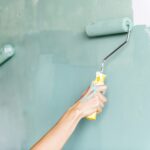
- Work in 3 to 4 foot wide columns, overlapping each pass by half a roller.
- Keep the roller loaded and use light pressure.
- Finish each column with gentle layoff strokes in one direction.
- Maintain the room conditions
- Aim for 50 to 85°F and moderate humidity.
- Close windows to stop drafts that dry paint too fast.
- Allow proper dry and recoat
- Follow the label for recoat times, often 2 to 4 hours.
- A second coat often seals the deal on how to fix roller overlap marks in eggshell paint.
A quick note from experience: resist the urge to “touch up” bands with a mini roller on eggshell. It often creates more flashing. Full-panel passes give you a uniform film and sheen.
Pro techniques to prevent lap marks next time
If you want a long-term answer to how to fix roller overlap marks in eggshell paint, prevention is the easiest path. Small tweaks in setup and motion make a big change.
- Load often, press less. A full roller glides and leaves even film. Heavy pressure squeezes out paint and creates dry edges.
- Work fast in smaller zones. Cut and roll in short spans so you always meet a wet edge.
- Lay it off once. After spreading, make one light pass, end to end, in the same direction.
- Control the climate. Avoid hot sun on the wall and moving air that speeds drying.
- Team up on big walls. One person cuts while the other rolls to keep edges wet.
- Watch with raking light. A cheap work light at an angle shows issues before paint sets.
These habits are the backbone of how to fix roller overlap marks in eggshell paint and keep them from returning.
Smart product choices that help
Better tools and paint make work easier. They also improve leveling and open time, which both matter for how to fix roller overlap marks in eggshell paint.
- Use a premium eggshell paint with good leveling and hide. Quality resins reduce flashing.
- Match roller nap to the surface. Smooth walls love 1/4 to 3/8-inch microfiber. Rougher walls need 1/2-inch.
- Use a compatible extender for water-based paints to slow drying. Read the label and do not over-add.
- Prime porous surfaces first. Fresh drywall, patches, and flat chalky paint need a sealer to stop uneven sheen.
- Avoid mixing sheens. A satin spot on an eggshell wall will always flash.
Most paint makers recommend working between 50 and 90°F, with good ventilation but no strong drafts. Those conditions support even film build and a consistent eggshell sheen.
Troubleshooting by scenario
Different rooms and colors bring new challenges. These tips apply the same core rules for how to fix roller overlap marks in eggshell paint to tricky cases.
Dark colors
- Dark walls show laps fast. Use an extender, and plan for two full coats.
- Roll in smaller panels and keep a very light layoff touch.
Bright, side-lit rooms
- Sunlight at an angle highlights flashing. Paint when the room is shaded.
- Use raking light as you work. Fix lines before they set.
Bathrooms and kitchens
- Steam can slow dry later, but often the air is moving. Close vents while you paint.
- Use a moisture-resistant primer on patched areas to prevent dull spots.
Ceilings with eggshell
- Work across the shortest span and keep steady pace.
- A 1/2-inch microfiber roller helps cover without dry edges.
Touch-ups over spackle
- Spot prime every patch. Unprimed patches drink paint and flash.
- Then do full-panel passes. This is key to how to fix roller overlap marks in eggshell paint on repaired walls.

Common mistakes to avoid
I see these errors all the time on jobs where people ask how to fix roller overlap marks in eggshell paint. Skip them, and your walls will look pro.
- Overworking semi-dry paint. Rolling a tacky area turns a faint line into a scar.
- Using a dry roller. Reload often to keep a smooth film and wet edge.
- Pressing too hard. Pressure causes uneven film and roller tracks.
- Random stop points. Always end at a corner, seam, or full column.
- Magic Eraser on eggshell. It can burnish and make shiny spots.
- Ignoring recoat times. Early recoats can lift the first coat and streak.
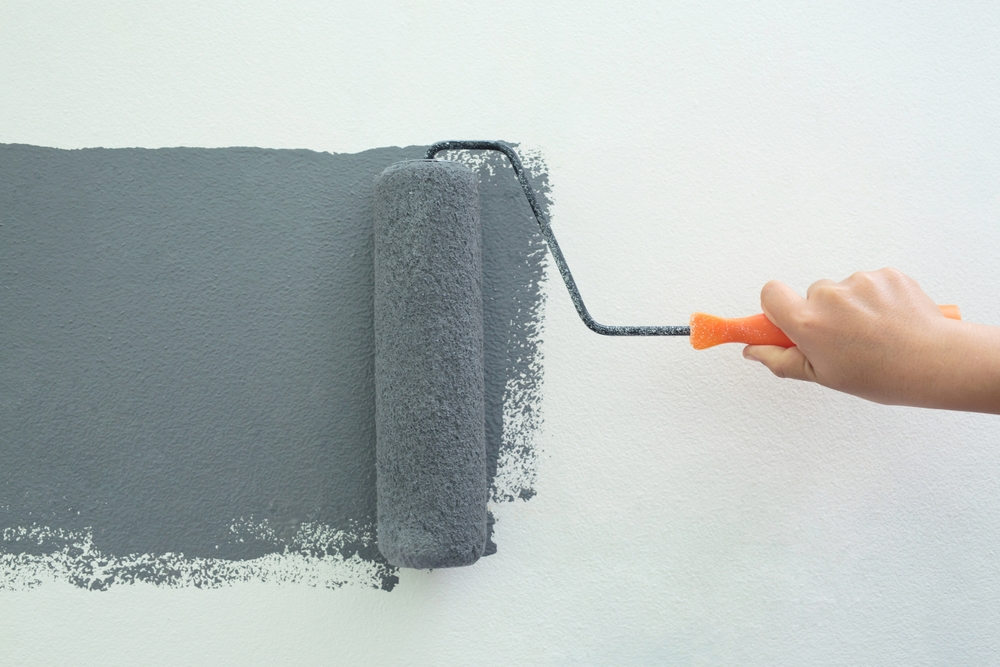
Tools and materials checklist
A short kit makes it easy to follow best practice on how to fix roller overlap marks in eggshell paint. Invest once, and your next rooms go faster.
- 3/8-inch microfiber roller covers (quality brand)
- 9-inch 5-wire roller frame and extension pole
- Angled sash brush, 2 to 2.5 inch, for cut-in
- 220 to 320 grit sanding sheets and a pole sander
- Painter’s tape and a drop cloth
- Paint extender for water-based paints, per label
- Primer for patches or glossy areas
- Work light for raking-angle inspection
- Microfiber cloths or tack cloth for dust

Frequently Asked Questions of How to fix roller overlap marks in eggshell paint
Can I fix lap marks without repainting?
If they are very faint, a light sand and gentle rub can help. Most times, you need one careful new coat for a uniform sheen.
What roller nap is best for eggshell walls?
Use 3/8-inch microfiber on smooth to light orange-peel walls. Go to 1/2-inch for more texture or rough drywall.
Will adding water to paint stop lap marks?
A small amount may help, but too much weakens the film. Use a paint extender designed for water-based coatings for safer, longer open time.
How long should I wait before sanding and recoating?
Wait until the paint is fully dry to the touch and no longer cool or soft. For most latex, that is 2 to 4 hours, but cooler rooms need more.
Why do lap marks show more on dark colors?
Dark colors reflect light differently and reveal film thickness changes. They also need more pigment, so even application and two coats are key.
Conclusion
You now know how to fix roller overlap marks in eggshell paint with simple steps: sand lightly, repaint with a wet edge, and use the right tools. Work in small zones, keep the roller loaded, and make one light layoff pass to lock in a smooth sheen. With a bit of care, even tricky rooms and dark colors will look clean and even.
Try these steps on a small wall today. Share your results or questions in the comments, and subscribe for more practical paint guides you can trust.