
How To Get Emulsion Paint Off Plaster Walls?
To remove emulsion paint from plaster walls, start by softening the paint with warm soapy water or a gentle wallpaper stripper solution. Apply the solution with a sponge, let it sit for a few minutes, and then gently scrape the paint using a plastic scraper to avoid damaging the plaster. For stubborn areas, repeat the process or use fine steel wool lightly. After removing the paint, wash the wall with clean water and allow it to dry completely before repainting or applying a new finish.
You came here to learn how to get emulsion paint off plaster walls without wrecking the surface. I’ve stripped dozens of walls in old homes and new builds, and I’ll walk you through the safest, cleanest methods. This guide explains how to get emulsion paint off plaster walls step by step, backed by practical tips, expert insight, and the small details that make a big difference.
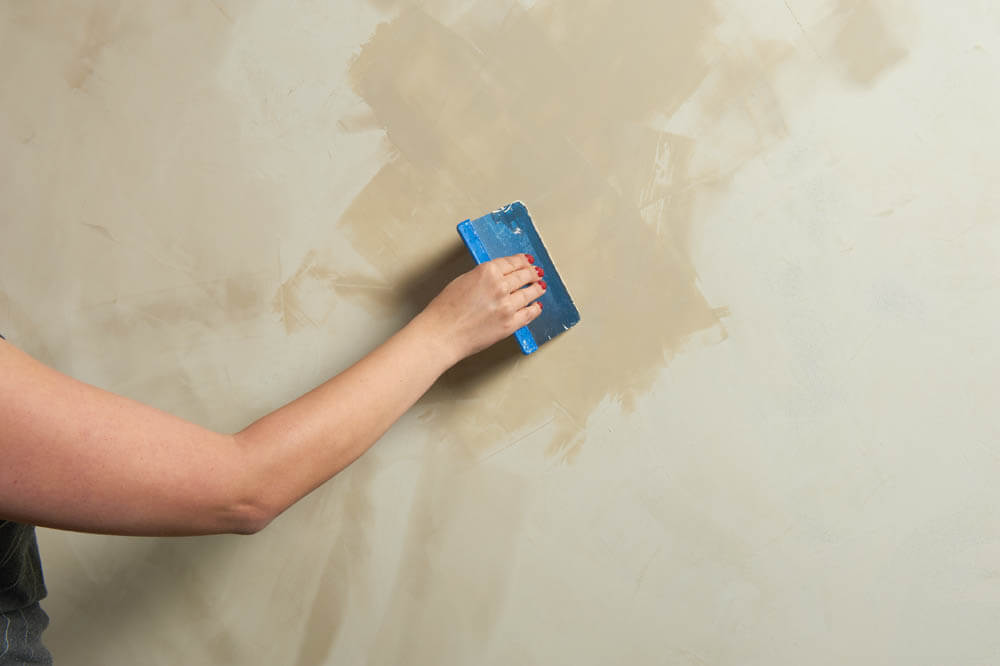
How To Remove Old Emulsion Paint From Walls?
What You’re Dealing With: Emulsion on Plaster
If you need to know how to get emulsion paint off plaster walls, start by knowing the materials. Emulsion paint is usually latex or acrylic. Plaster can be lime or gypsum. Both are porous, and both can get damaged if you rush.
Fresh emulsion softens with water. Old, cured layers can be stubborn. Many walls have mixed coats over time. That is why testing first is key.
Safety, Tools, and Prep
Knowing how to get emulsion paint off plaster walls also means working clean and safe. Good prep saves hours and reduces mess.
Essentials you will need:
- Plastic sheeting, rosin paper, and painter’s tape to protect floors and trim
- Buckets, warm water, and a mild cleaner or TSP substitute for degreasing
- Plastic and flexible metal scrapers with rounded edges to avoid gouges
- Soft scrub pads, microfiber cloths, and cellulose sponges
- Denatured alcohol or isopropyl alcohol for spot tests
- Low-odor gel paint stripper safe for plaster and latex paint
- A steamer or heat gun with low settings, only for careful use
- Fine sanding sponge and dust extraction vacuum
- PPE: gloves, goggles, and a respirator if using chemical strippers
Prep steps:
- Remove switch plates and outlet covers. Kill power if you will use water near outlets.
- Clean the wall with a mild cleaner. Rinse and let dry. Dirt blocks softening.
- Protect the room. Overlap floor and baseboard protection. Tape plastic at edges.
- Ventilate well. Use fans and open windows as needed.
Test First and Choose the Right Method
A smart test plan is core to how to get emulsion paint off plaster walls with less risk.
Do three quick tests:
- Water test: Hold a warm, wet sponge on the wall for 2 minutes. If the paint softens or wrinkles, wet scraping will work.
- Alcohol test: Rub a small spot with denatured alcohol. Latex paint gets tacky and lifts. If nothing happens, it may be oil under the emulsion.
- Adhesion test: Lightly score a small X and scrape. If it flakes in sheets, you can use a gentle scraper. If it powders, go slower and try gel.
Pick your method based on results:
- Soft paint: Warm water, soak, and gentle scraping.
- Medium-hard paint: Wet scrape plus short steam sessions.
- Very stubborn paint: Low-odor gel stripper for latex, safe for plaster.
- Mixed layers: Work in small sections and switch tactics as needed.
How to Test Emulsion Paint for Compatibility With Your Surface: Expert Tips

Methods to Remove Emulsion from Plaster
There are several ways for how to get emulsion paint off plaster walls. Pick the least aggressive method that works.
Gentle wet methods:
- Warm water soak: Press a warm, wet sponge or towel to the wall. Re-wet often. Scrape gently once the paint softens.
- Mild cleaner: Add a small amount of dish soap or a TSP substitute to the water. Rinse after.
Mechanical methods:
- Plastic scraper: Use a flexible plastic blade at a low angle. Work slow to avoid gouges.
- Steam assist: Short bursts from a clothes steamer can help. Do not overheat the plaster.
Chemical methods:
- Denatured alcohol: Great for latex spots and drips. Wipe and scrape while soft.
- Gel paint stripper for latex: Choose a low-odor, water-based gel safe for indoor use. Brush on, wait, then scrape and rinse.
- Avoid harsh methylene chloride or caustic strippers on plaster. They can burn or weaken the surface.
Thermal assist:
- Low heat gun: Use with caution. Keep moving. Heat can crack old plaster. Try other methods first.
What Causes Paint to Blister on Walls? – Moisture, Temperature, and Expert Solution
Step-by-Step: A Proven Process That Works
This is my go-to plan for how to get emulsion paint off plaster walls in homes I service. Adjust as needed based on your tests.
For soft to medium coats:
- Protect and clean. Mask edges and lay floor protection. Degrease, rinse, and dry.
- Soak small sections. Wet a 2-by-2 foot area with a warm, soapy sponge. Press and hold for 60–120 seconds.
- Scrape gently. Use a plastic scraper at a shallow angle. Lift softened paint in passes. Re-wet as needed.
- Rinse and wipe. Clean slurry off the wall so it does not re-bond as it dries.
- Repeat. Work in small areas to keep control and avoid over-wetting.
For stubborn or thick layers:
- Score light crosshatch. Very light scoring helps gel penetrate. Do not cut into plaster.
- Apply gel stripper. Brush a medium coat. Wait as directed by the label.
- Scrape and lift. Remove softened paint into a lined bin. Reapply gel on tough spots.
- Neutralize if required. Some gels need only water. Follow the label.
- Final wash and dry. Let the wall dry 24–48 hours before repairs or primer.
For mixed coats or unknowns:
- Use steam or low heat only after wet methods fail.
- Spot treat with alcohol for latex.
- If you see an oil base undercoat, switch to a gel rated for multiple paint types.
Fix and Finish After Removal
Finishing well is part of how to get emulsion paint off plaster walls without regret. Clean surfaces help new paint last.
Post-removal steps:
- Inspect plaster. Fill hairline cracks with a fine filler. For dings, use a setting-type joint compound.
- Sand light. Feather edges with a fine sanding sponge. Vacuum the dust.
- Seal smart. For bare or patchy plaster, use a breathable primer or a fresh plaster mist coat.
- Paint right. Use two thin coats of quality interior latex. Allow full dry times.
Troubleshooting Common Problems
When you try how to get emulsion paint off plaster walls, surprises can pop up. Stay calm and adjust.
Typical issues:
- Powdery plaster surface: Consolidate with a breathable sealer or primer made for chalky walls.
- Efflorescence or damp marks: Dry the wall fully. Fix moisture at the source before repainting.
- Peeling in sheets: That can mean poor adhesion from a past coat. Strip that coat fully.
- Unknown old layers in pre-1978 homes: If you suspect old oil with lead undercoats, use lead-safe practices and consider a pro.
- Stain bleed after stripping: Use a stain-blocking primer before paint.
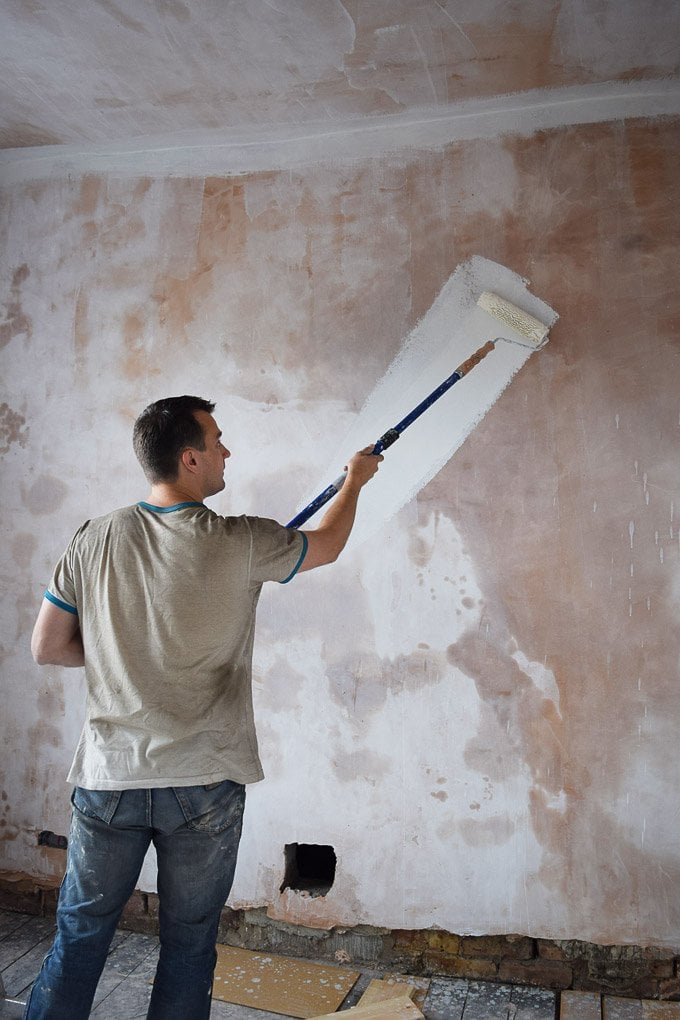
When to Call a Pro and What It Might Cost
Sometimes the best way for how to get emulsion paint off plaster walls is to hire help. It can save the wall and your time.
Call a pro if:
- Plaster is cracked, loose, or shows hollow sounds.
- You face five or more layers or mixed unknown coats.
- There is moisture damage or salt deposits.
- You suspect lead in old undercoats.
Typical costs:
- Basic stripping and prep: Per square foot fees vary by region and condition.
- Patching and skim coat: Extra for repair time and materials.
- Full room restore: Higher costs when walls need extensive repair.

Prevention: Prep and Repaint So You Don’t Strip Again
A smart repaint closes the loop on how to get emulsion paint off plaster walls and keeps you from doing it twice.
Do this next time:
- Clean and degloss. Dust and residue block adhesion.
- Prime smart. Use a primer suited to plaster and the paint you plan to apply.
- Thin coats win. Two light coats beat one heavy coat.
- Respect dry times. Follow the label for cure and recoat windows.
- Manage moisture. Use exhaust fans and fix leaks fast.
Frequently Asked Questions of how to get emulsion paint off plaster walls
What is the safest way to start?
Begin with warm water and a plastic scraper. Test a small area to see how the paint reacts before scaling up.
Can I use vinegar to soften emulsion?
Yes, a mild vinegar solution can help soften latex. Rinse well afterward to avoid residue before priming.
Will a heat gun damage plaster?
It can if used too hot or too long. Keep heat low, keep it moving, and try wet or gel methods first.
How long should I let the wall dry before repainting?
Allow 24–48 hours after stripping and cleaning. If you patched areas, wait per product directions before priming.
Do I need a primer on bare plaster?
Yes, always prime bare or patched plaster. Use a breathable primer or a mist coat for strong adhesion.
What if the paint will not budge at all?
Switch to a low-odor gel stripper rated for latex and plaster. Work in small sections and follow the dwell time closely.
Can I sand emulsion off instead?
Light sanding is fine for edges or residue. Avoid heavy sanding on plaster to prevent damage and dust.
Conclusion
You now know how to get emulsion paint off plaster walls with care, speed, and a plan. Start gentle, test often, and scale up only when needed. Protect the plaster, finish clean, and prime well so your next paint job lasts.
Pick one wall and try the soak-and-scrape method today. If you want more tips like this, subscribe for future guides or drop a comment with your project details.s
Related posts:
 How To Strip Paint Off A Wood Deck?– Best Tools, Tips & Safety Advice
 How To Clean Matte Emulsion Painted Walls?– Safe Methods Every Homeowner Should Know
 Can You Mix Acrylic Paint With Emulsion?– Pros, Cons & Safe Ratios
 Can You Paint Radiators With Emulsion?– Get a Lasting, Safe Options, Heat-Resistant Finish