
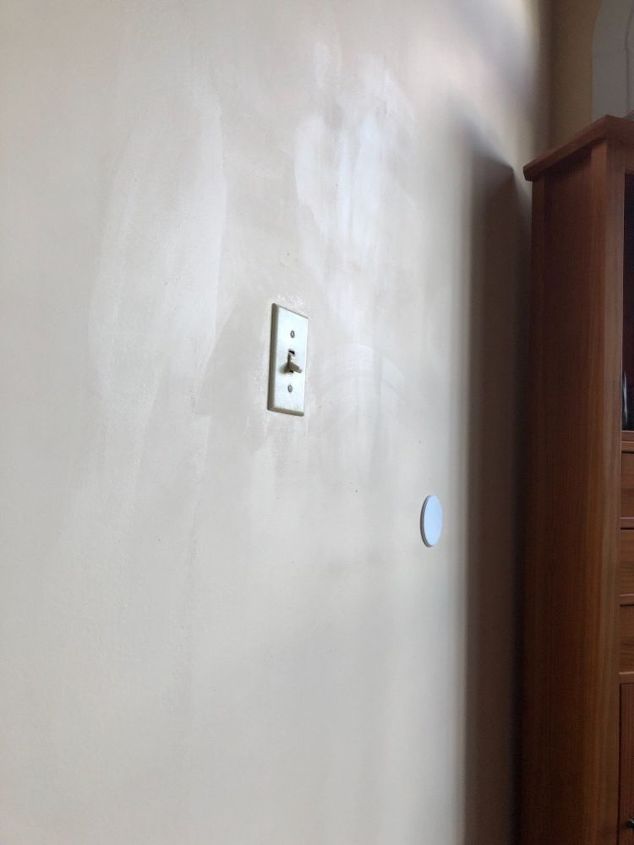
To get rid of white chalky marks on painted walls, first wipe the surface with a damp microfiber cloth to remove loose residue. These marks are often caused by paint chalking, moisture, or cleaning product buildup. If simple wiping doesn’t work, gently clean the area with a mild soap solution and rinse with clean water, then dry thoroughly. For persistent chalking, lightly sand the surface, apply a quality primer, and repaint to restore a smooth, even finish
The “Problem Solver” Toolkit
To properly get rid of white chalky marks on painted walls, you need tools that won’t damage the underlying finish. Here are the specific products I use to ensure the marks stay gone.
Product Type Recommendation Why it works The Surface Prep Zep All-Purpose Cleaner Concentrated formula that cuts through oxidation better than soap. The Best Cloth MR. SIGA Microfiber Cloths Ultra-absorbent; lifts the powder rather than smearing it. The Final Seal Zinsser Bulls Eye 1-2-3 A “chalk-binding” primer that prevents marks from bleeding through new paint.
Best Paint Roller – Expert-Tested Rollers for Walls & Ceilings
Wipe, wash with mild soap, fix moisture, then seal, prime, and repaint.
White chalk can make any room look tired fast. I’ve spent years solving these stains in homes, rentals, and flip projects. In this guide, I’ll show how to get rid of white chalky marks on painted walls the right way. You will learn what causes them, safe clean-up steps, smart fixes, and how to stop them from coming back.

How to Treat Powdery Walls in a Bedroom?– Causes & Permanent Solutions
What those white chalky marks really are
White dust on paint is not always the same thing. It looks similar on the surface, but the cause can be very different. To learn how to get rid of white chalky marks on painted walls, you first need to name the problem.
Common causes I see most:
- Paint chalking. Old or sun-baked paint breaks down. The binder fails and leaves powder. It wipes off on your hand.
- Efflorescence. Salts move through damp masonry or plaster. They dry as a white crust or bloom.
- Surfactant leaching. Fresh latex paint pushes soap-like parts to the surface. It leaves streaks or blotches, often in baths or kitchens.
- Cleaner or hard-water residue. Soap film, minerals, or bleach marks dry white and dull.
- Microabrasion or burnishing. Magic Erasers or rough scrubs can dull sheen and leave pale spots.
If you skip this step, you may clean the wall and see the chalk return. Worse, you could trap moisture and make it spread.
Fast diagnosis: simple tests before you clean
You can narrow the cause in minutes with quick checks.
- The finger swipe test. Rub the wall with a dry finger. If you get white powder, it is often chalking or efflorescence.
- The water bead test. Mist with clean water. If spots darken and then dry back to white, salts may be present.
- The location clue. Basements or outside walls point to moisture and efflorescence. Steamy baths or fresh paint suggest surfactant leaching.
- The age clue. Old flat paint that faced sun or harsh cleaners tends to chalk.
- The feel clue. A slick or slightly sticky streak on a new wall can be leaching.
These small steps speed up how to get rid of white chalky marks on painted walls and guide you to the right fix.
What size roller do professional painters use?– Nap Length & Surface Recommendations
Tools and safe supplies checklist
Gather what you need once. It saves time and avoids damage to the paint.
- Soft microfiber cloths
- Soft sponge or cellulose sponge
- Mild dish soap
- White vinegar
- Warm water in two buckets
- TSP substitute or a gentle degreaser
- Soft brush with nylon bristles
- Painter’s tape and drop cloths
- Low-tack melamine sponge for spot tests
- Bonding or stain-blocking primer as needed
- Quality acrylic latex paint in the right sheen
- Fan, dehumidifier, or space heater for drying
- PPE: nitrile gloves, eye protection, and a simple mask
Have this kit ready before you start how to get rid of white chalky marks on painted walls.

Step-by-step: how to remove white chalky marks without ruining the finish
Follow this flow. Stop after the first method that works. Do not jump to harsh cleaners first.
- Dry dust and prep
- Lay drop cloths. Dust the wall with a dry microfiber cloth.
- Vacuum baseboards and trim so grit will not scratch.
- Tape off delicate trim if you plan to wash large areas.
- Mild wash for most interior paint
- Mix a few drops of dish soap in warm water.
- Dip a sponge. Wring well. The sponge should be damp, not wet.
- Wipe in small circles from the bottom up. Rinse the sponge often.
- Rinse the area with plain water. Pat dry with a clean towel.
- Let the wall dry fully. Use a fan for 30 to 60 minutes.
This simple wash often solves how to get rid of white chalky marks on painted walls, especially if the marks came from cleaners or dust.
- Treat surfactant leaching on fresh paint
- Wait if the paint is less than four weeks old. Leaching often fades on its own.
- Wash gently with warm water only. Avoid strong soap or scrub pads.
- Vent the room well. Run a fan or dehumidifier.
- If marks remain after full cure, apply a stain-blocking primer. Then repaint.
With this path, you avoid over-scrubbing fresh paint when learning how to get rid of white chalky marks on painted walls in baths and kitchens.
- Remove efflorescence on masonry or plaster
- Dry brush the powder with a soft nylon brush.
- Mix white vinegar and water at 1:1. Lightly wipe the salts. Do not soak.
- Rinse with clean water. Pat dry. Improve airflow to speed drying.
- Find and fix the moisture source. Seal gaps. Check gutters and grade.
- Prime with an alkali-resistant primer if you plan to repaint.
This is the most reliable way I use for how to get rid of white chalky marks on painted walls that sit on concrete or brick.
- Address true paint chalking
- Wash with mild soap and water as in Step 2.
- If chalk remains, wash once with a TSP substitute. Rinse very well.
- Let dry 24 hours. Test by rubbing. If powder still transfers, do not skip primer.
- Prime with a high-adhesion bonding primer made for chalky surfaces.
- Repaint with a quality acrylic latex in eggshell or satin for cleanability.
This is the long-term route for how to get rid of white chalky marks on painted walls when old paint is breaking down.
- Spot fixes and touch-ups
- For small scuffs, a light pass with a melamine sponge can help. Test in a low area first.
- If sheen is dulled, feather a small touch-up with matching paint.
- If touch-ups flash, repaint corner to corner on that wall for a blend.
- Dry, inspect, and repeat only if needed
- Let the wall dry. Check under bright, even light.
- Repeat the mild wash once if a haze remains.
- Move to primer and paint only if washing cannot fix it.
Take your time. Gentle steps first will save the finish and shorten how to get rid of white chalky marks on painted walls.
When it is time to repaint
Sometimes paint is past its life. Chalking keeps coming back. Or the wall has heavy efflorescence stains. Repainting with the right prep locks in a clean look.
- Prime for the problem. Use bonding primer for chalking, stain-blocking for leaching, and alkali-resistant primer for masonry.
- Choose better paint. A 100 percent acrylic latex resists chalking and cleans easier.
- Match sheen to the room. Eggshell or satin in baths and kitchens can handle wash-downs.
- Mind cure times. Let paint cure at least two weeks before any heavy cleaning.
- Control moisture. A great paint job will fail if damp air stays high.
A smart repaint is often the final step in how to get rid of white chalky marks on painted walls for good.

Prevent it from coming back
Stopping the cause is the win. Small fixes make a big change in daily life.
- Vent well. Run bath fans for 20 minutes after showers. Use a kitchen hood.
- Cut indoor humidity. Aim for 40 to 50 percent RH. Use a dehumidifier as needed.
- Fix water entry. Seal hairline cracks. Re-caulk tub and sink joints. Check roof and grade.
- Clean gentle. Use mild soap and soft cloths. Skip harsh pads and strong bleach.
- Let fresh paint cure. Avoid steam or wash-downs for two to four weeks.
These habits keep your paint clean and speed up how to get rid of white chalky marks on painted walls if they show up again.
Real-world fixes and lessons from the field
A steamy bath with new paint had chalky streaks in a week. The owner feared a bad paint. It was surfactant leaching. We washed with warm water only, ran the fan daily, and the marks faded in ten days. A light topcoat later made it perfect.
In a 1950s basement, the bottom two feet had white crust. The finger test showed thick powder. It was efflorescence from a damp block wall. We brushed dry, wiped with vinegar mix, sealed an outside downspout, and primed with an alkali-safe primer. That solved how to get rid of white chalky marks on painted walls in that area. It stayed clean through two wet seasons.
My biggest mistake early on was scrubbing too hard. I burnished a flat wall and made dull halos. Now I always test a small spot and start mild. It saves walls and time.
Cost, time, and effort
Plan your fix based on scope. Here is a simple guide.
- Supplies. Soap, vinegar, cloths, and sponges often cost under 25 dollars.
- Primers and paint. A quart of primer runs 15 to 25 dollars. A gallon of good acrylic is 35 to 70 dollars.
- Time. A single wall wash takes one hour. Add a day if you prime and paint.
- Drying. Allow at least 24 hours before priming over a washed wall.
- Tools you may rent. A dehumidifier for a damp room can be 20 to 40 dollars per day.
A clear plan keeps costs low and speeds how to get rid of white chalky marks on painted walls without stress.
Health and safety notes you should not skip
Work safe even on “simple” wall care.
- Lead risk. Homes built before 1978 may have lead paint under newer coats. Use wet methods, no dry sanding. Follow local rules or hire a certified pro.
- Mold or mildew. White mold can look like powder. If the area smells musty or feels fuzzy, get it checked. Do not scrub dry.
- Harsh cleaners. TSP and strong bleach can dull paint and harm skin. Use gloves. Rinse well. Vent the space.
A few safety steps help you handle how to get rid of white chalky marks on painted walls without new problems.
Frequently Asked Questions of how to get rid of white chalky marks on painted walls
What causes white chalky marks on interior walls?
The most common causes are paint chalking, efflorescence from moisture, and surfactant leaching on fresh paint. Cleaner residue and hard water can also leave white film.
Will vinegar damage painted walls?
Diluted vinegar is safe for most walls when used gently and rinsed. Test a small, hidden spot first to be sure the finish does not dull.
Can Magic Eraser remove white chalky marks?
It can help with small spots, but it may remove sheen on flat or matte paint. Test lightly in a low area before using it in visible spots.
Do I need a primer after cleaning chalky walls?
If the wall still leaves powder after washing, use a bonding primer. It locks down the surface so new paint sticks and lasts.
How long should I wait before washing newly painted walls?
Wait at least two weeks for light cleaning and up to four weeks in humid rooms. Early washing can cause surfactant leaching or burnishing.
How do I stop efflorescence from returning?
Fix the moisture source first by improving drainage, sealing cracks, and venting. Then prime with an alkali-resistant primer before repainting.
What paint finish resists future chalky marks?
A quality 100 percent acrylic in eggshell or satin cleans well and holds up. Use flat only in low-touch, low-moisture rooms.
Conclusion
You can beat that white chalk in a simple, calm way. Name the cause, clean with care, fix moisture, then prime and repaint if needed. This is the proven path for how to get rid of white chalky marks on painted walls, and it works in real homes.
Start with one wall today. Use the mild wash, run a fan, and see the change. Want more tips like this? Subscribe for new guides, ask a question below, or share what worked for you.
Related posts:
 How to Treat Powdery Walls in a Bedroom?– Causes & Permanent Solutions
 Blistering Paint Causes and Solutions – Why It Happens and How to Stop It
 What Causes Paint to Blister on Walls? – Moisture, Temperature, and Expert Solution
 How To Clean Matte Emulsion Painted Walls?– Safe Methods Every Homeowner Should Know