
Painting a metal front door without removing it is absolutely possible—and a method many professional painters use to save time and hassle. You can achieve a smooth, durable finish right in place, with the right preparation, tools, and technique. The key steps are: cleaning the door, protecting surrounding areas, sanding, priming, and applying quality paint with proper drying time. Doing it correctly makes your door look new, protects it from rust, and boosts your home’s curb appeal. Now, let’s break down everything you need to know, step by step, from a painter’s practical perspective.
Can You Paint A Metal Front Door Without Removing It?
Yes, you can paint a metal front door while it’s still attached. It’s a common practice among professionals because removing the door means dealing with heavy hardware, weather exposure, and security concerns. As long as you protect the nearby surfaces and follow proper preparation steps, you can achieve a beautiful, lasting result.
Painting in place saves effort, but demands careful masking and thorough prep. You’ll need to work around hinges, handles, and weatherstripping, but with patience, you’ll get professional results. Many homeowners are surprised by how manageable this project is, even for beginners, as long as you follow each stage properly.
How Should You Prepare A Metal Front Door For Painting?
Preparation is the most important part of painting a metal door. Here’s how professionals prep the door for a flawless finish:
1. Clean The Surface Thoroughly
Start by washing the entire door with warm, soapy water. Remove dirt, grease, and dust. For tough stains, use a degreaser or mild cleaning solution. Rinse well and let dry.
2. Remove And Mask Hardware
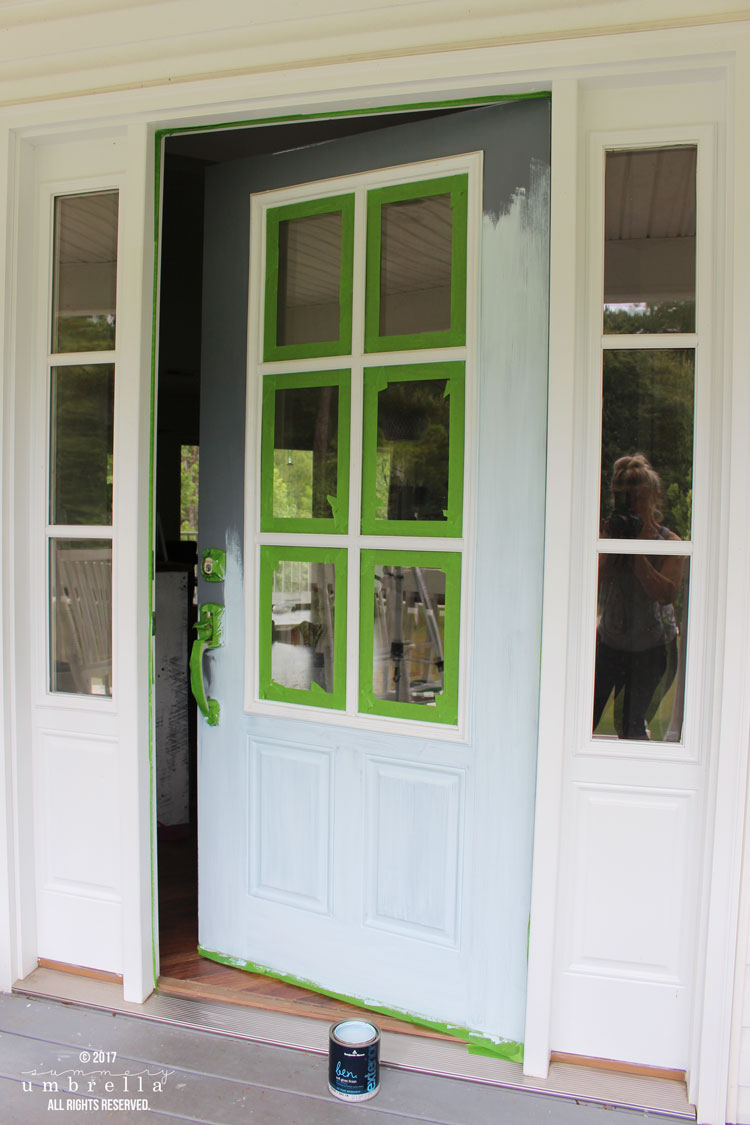
Unscrew or tape off the door handles, locks, and hinges. Cover glass panels or windows with painter’s tape and plastic. Protect the door frame, trim, and threshold with masking tape.
3. Sand The Door Properly
Lightly sand the entire metal surface using 120–220 grit sandpaper. This removes old paint flakes, rust, and creates a slightly rough surface for the primer to stick. Focus on any rusty spots—use a wire brush if needed.
4. Repair Any Damage
Fill dents, holes, or deep scratches with metal filler. Let it dry, then sand smooth. Wipe away dust with a damp cloth.
5. Final Cleaning
Wipe the door again to remove sanding dust. Professionals often use a tack cloth for this step.
Many beginners skip sanding or masking, but these are critical. If you don’t sand, the new paint won’t bond well. If you skip masking, you risk messy paint lines and sticky hardware.
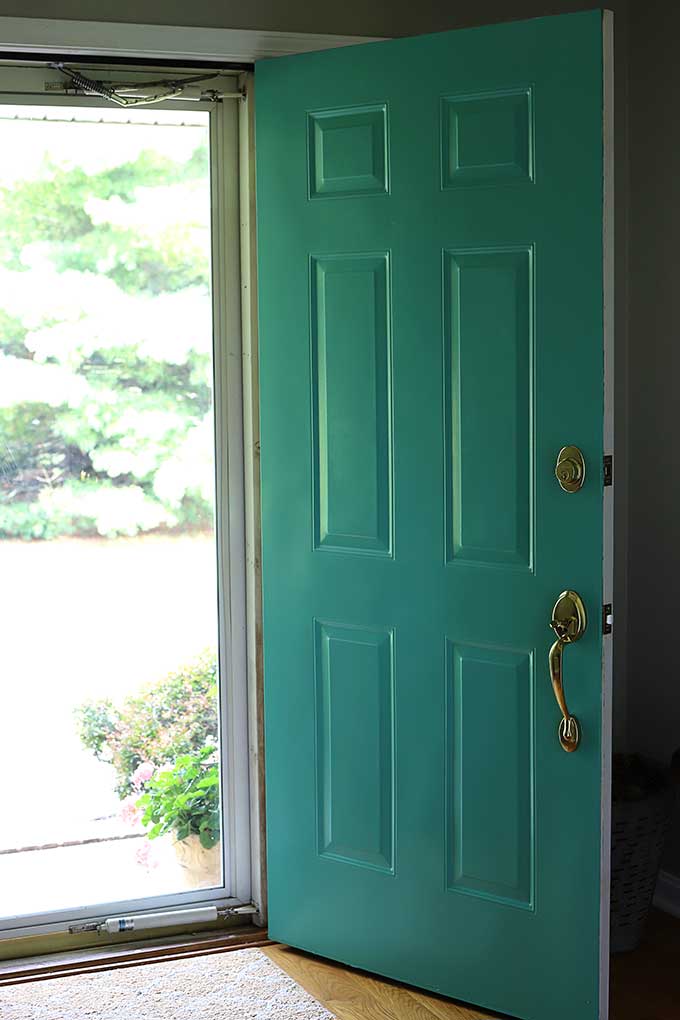
What Tools And Materials Do You Need To Paint A Metal Door?
You’ll need a few specific tools and materials to ensure a professional-quality finish:
- Painter’s tape and plastic sheeting
- Screwdriver (to remove hardware)
- Sandpaper (120–220 grit)
- Wire brush (for rust)
- Metal filler (for repairs)
- Primer (rust-inhibiting, made for metal)
- Paint (exterior, suitable for metal—preferably acrylic or alkyd-based)
- Paintbrushes (angled for edges)
- Foam roller (for smooth surfaces)
- Drop cloths (for floor protection)
- Tack cloth (for final cleaning)
- Gloves and safety goggles
If you already have some of these, double-check that your primer and paint are made for exterior metal doors. Using the wrong type is a common mistake and leads to peeling or rust. Here’s a quick comparison of primer and paint types:
| Type | Best for | Notes |
|---|---|---|
| Alkyd Primer | Rust protection | Strong odor, long-lasting |
| Acrylic Primer | Easy application | Quick drying, less odor |
| Exterior Acrylic Paint | Most metal doors | Low odor, flexible, easy to clean |
| Alkyd Paint | High traffic doors | Hard finish, more durable |
Best Red Paint For Front Door: Top 5 Red Paints for a Stunning First Impression
What Are The Steps To Paint A Metal Front Door Without Removing It?
Here’s the professional process—clear and detailed, so you can follow with confidence:
1. Protect Surrounding Areas
Lay down drop cloths around the door. Tape off trim, hinges, handles, and glass. Cover anything you don’t want painted.
2. Remove Hardware (if Possible)
Take off handles, locks, and kick plates. If you can’t remove them, mask thoroughly.
3. Clean And Dry The Door
Wash with soapy water, rinse, and let dry completely.
4. Sand The Surface
Sand gently with 120–220 grit sandpaper. Remove all peeling paint, rust, and rough spots. Don’t sand too hard—just enough to dull the shine.
5. Repair Damage
Fill dents and holes with metal filler. Let it cure as instructed, then sand smooth.
6. Clean Again
Use a tack cloth to pick up any remaining dust.
7. Apply Primer
Brush or roll on a coat of rust-inhibiting primer. Cover the entire door, especially edges and corners. Let dry as recommended.
8. Lightly Sand Primer (optional)
Some pros gently sand the dry primer with fine sandpaper (220 grit) for an extra-smooth finish.
9. Paint The Door
Use a foam roller for the flat panels, and an angled brush for the edges and details. Apply paint in thin, even coats. Let each coat dry fully before adding another (usually 4–6 hours).
10. Apply Additional Coats
Most doors need 2–3 coats for full coverage.
11. Remove Tape And Reinstall Hardware
Peel off masking tape carefully. Reinstall handles and locks. Let the paint cure for at least 24 hours before closing the door fully.
Some painters recommend painting with the door slightly open, using a doorstop, so you can reach all edges. But be careful with pets and weather. Also, painting on a dry, mild day is best—avoid high humidity or wind.
5 Best Green Paint For Front Door: Tested That Transform Any Front Door
How Long Does It Take To Paint A Metal Front Door In Place?
The total time depends on the condition of the door, weather, and drying times. Here’s a typical breakdown:
| Step | Approximate Time |
|---|---|
| Cleaning | 30 minutes |
| Masking & Hardware Removal | 30–45 minutes |
| Sanding & Repairs | 1–2 hours |
| Priming | 1 hour (plus 2–4 hours drying) |
| Painting (per coat) | 45 minutes |
| Drying (per coat) | 4–6 hours |
| Final Curing | 24 hours |
If you start early, you can finish prep and primer in one day, then paint the next day. Rushing drying times is a common beginner mistake—it leads to sticky paint and poor durability.
What Is The Best Paint For Metal Front Doors?
The best paint for metal doors is exterior acrylic latex or alkyd (oil-based) paint, designed for metal surfaces. These resist fading, moisture, and rust. Avoid interior paints—they won’t last outdoors.
If you want a classic, glossy look, go for high-gloss alkyd paint. For easier cleanup and less odor, use acrylic latex. Some brands now offer direct-to-metal paints, which combine primer and color in one.
Here’s a comparison of popular paint finishes for metal doors:
| Finish | Appearance | Durability | Common Use |
|---|---|---|---|
| High Gloss | Very shiny | Excellent | Front doors, statement colors |
| Semi-Gloss | Moderately shiny | Very good | Most front doors |
| Satin | Low sheen | Good | Subtle, modern look |
Choose a color that suits your home’s style. Dark colors absorb heat but hide dirt well. Light colors stay cooler but show marks more easily.
Should You Use A Primer On A Metal Door?
Yes, always use a primer before painting a metal door—unless your paint is labeled “direct-to-metal.” Primer blocks rust, seals the surface, and helps paint stick better. Skipping primer is a mistake many DIYers make, and it usually causes peeling or rust spots within months.
For old doors with visible rust, use a rust-inhibiting primer. For new doors, a standard metal primer works. Apply one even coat, covering all edges.
What Are Common Mistakes When Painting A Metal Front Door?
Even experienced painters see these mistakes happen:
1. Skipping Sanding
Paint won’t stick to glossy metal. Always sand to dull the surface.
2. Not Cleaning Thoroughly
Grease or dust prevents paint from bonding. Clean before and after sanding.
3. Skipping Primer
Primer is critical for rust protection and smooth finish.
4. Painting In Humid Or Windy Conditions
High humidity slows drying; wind blows dust onto wet paint.
5. Rushing Drying Times
Each coat needs full drying. Otherwise, paint stays sticky or peels.
6. Using Interior Paint
Only use exterior-grade paint for durability.
7. Neglecting Hardware And Weatherstripping
Mask or remove all hardware. Paint on weatherstripping can cause sticking.
8. Applying Thick Coats
Thin coats dry better and last longer. Thick coats run or peel.
9. Not Protecting Surroundings
Always mask and use drop cloths. Paint splatters are hard to clean from floors and trim.
Professionals avoid these mistakes by following a checklist and being patient. If you’re unsure about drying, wait a little longer—more time is always safer.
How Can You Get A Smooth, Brush-free Finish On Metal Doors?
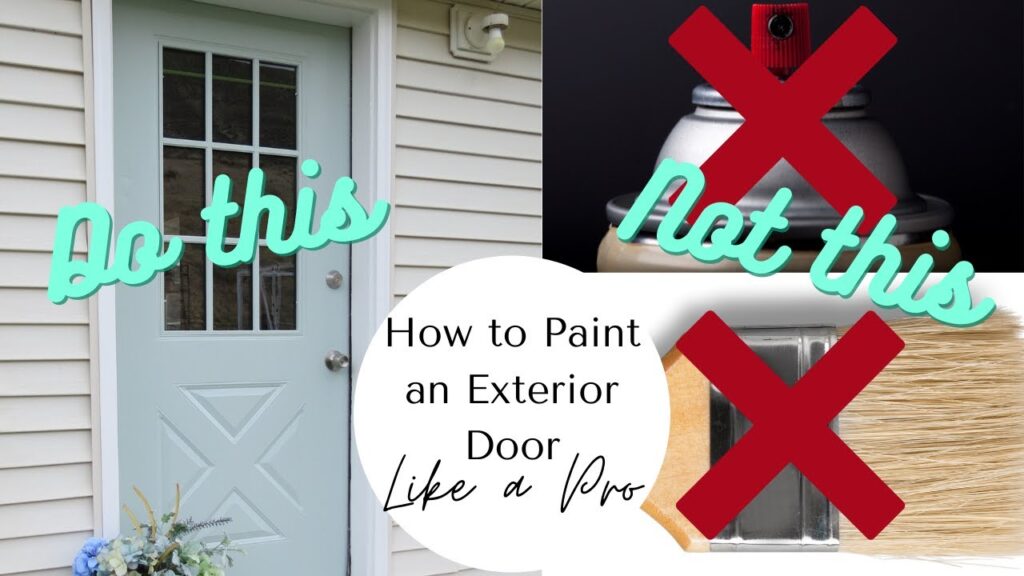
To get a smooth, professional finish without brush marks, use a foam roller for flat panels and a high-quality angled brush for edges and details. Foam rollers leave almost no texture, while brushes allow precision on raised or recessed parts.
Some painters use a technique called “back-rolling”—brushing edges, then immediately rolling over the brush strokes to smooth out lines. Also, paint in the same direction as the door’s grain or panel lines.
Don’t overload your roller or brush. Apply thin, even coats. If you see drips or runs, fix them right away with a lightly loaded brush. For very glossy finishes, some pros lightly sand between coats with 400-grit sandpaper.
What Weather Is Best For Painting Metal Doors?
The ideal weather is dry, mild, and calm. Aim for temperatures between 50–80°F (10–27°C), with low humidity and no strong wind. Painting in extreme heat, cold, or humidity can cause paint problems like bubbling, slow drying, or poor adhesion.
If you must paint in cooler weather, use paints labeled for low-temperature application. Avoid painting on rainy days or in direct sunlight—sun makes paint dry too fast, leading to visible lines.
How Do You Maintain A Painted Metal Front Door?
Once your door is freshly painted, maintenance is simple but important:
- Clean regularly with mild soap and water—don’t use harsh chemicals.
- Touch up chips as soon as you see them. Use leftover paint for small fixes.
- Check for rust every few months. If you spot any, sand and paint immediately.
- Lubricate hinges and locks to prevent sticking.
- Avoid slamming the door, which can cause paint to crack.
A well-painted metal door can last 5–10 years before needing repainting, depending on weather and usage.
Are There Any Safety Tips For Painting A Metal Front Door?
Painting safely is easy, but important:
- Wear gloves to protect your skin from chemicals.
- Use goggles when sanding or spraying.
- Work in a well-ventilated area. Open windows or doors if possible.
- Keep pets and children away from the work zone.
- Store paint and materials safely, away from heat and flames.
Paint fumes can linger, so avoid closing the door tightly until the paint is fully cured (usually 24–48 hours).
What Are Some Non-obvious Tips For Painting Metal Doors?
Professional painters learn tricks that beginners often miss:
1. Warm Up The Paint
On cool days, set your paint can in warm water for 10 minutes. Warm paint spreads smoother and dries better.
2. Paint Edges First
Start with the edges and raised panels, then roll the flat center. This avoids visible overlap lines.
3. Label Hardware
If you remove handles and locks, label each piece and screw. This makes reassembly faster.
4. Choose The Right Roller
Don’t use a regular nap roller; it leaves texture. Use a foam roller for glass-like finishes.
5. Avoid Painting Over Weatherstripping
Paint can make weatherstripping stick and tear. Mask it carefully.
6. Test Paint Color In Different Lights
Paint a small patch and check it at morning, noon, and evening. Metal doors reflect light differently.
7. Don’t Forget The Top And Bottom Edges
These often get missed but can rust quickly. Paint them for full protection.
8. Clean Up Immediately
Remove tape before the paint fully dries to avoid peeling. Clean brushes with soap and water (for acrylic) or mineral spirits (for alkyd).
How Do You Choose The Right Color For Your Metal Front Door?
Color choice is a mix of style, durability, and practicality. Here’s how professionals decide:
- Match your home’s exterior—look at siding, trim, and roof color.
- Consider climate—dark colors absorb heat, light colors stay cooler.
- Think about visibility—bright colors stand out but may fade faster.
- Check HOA rules—some neighborhoods have restrictions.
- Try samples—paint swatches on your door, view at different times.
Popular front door colors in the US include navy blue, deep red, forest green, and classic black. A bold color can boost curb appeal, but neutral shades last longer without fading.
Frequently Asked Questions
How Long Should I Wait Before Closing The Door After Painting?
Wait at least 24 hours before closing the door fully. Paint needs to cure to avoid sticking or damaging the finish. If you must close it, use a doorstop and check for tackiness.
Can I Paint A Metal Door In Cold Weather?
You can, but choose paints labeled for low-temperature application. Cold slows drying and can cause paint to peel. Aim for temperatures above 50°F for best results.
Do I Need To Remove All Old Paint From The Door?
No, but you must sand and remove any loose, flaky, or rusty areas. If the old paint is smooth and well-adhered, you can paint over it after sanding and priming.
What Is The Best Way To Prevent Brush Marks?
Use a foam roller for flat surfaces and a high-quality angled brush for details. Apply thin coats, and always paint in the same direction. Some pros lightly sand between coats.
Where Can I Find More Information On Painting Metal Doors?
For advanced tips and detailed guides, check This Old House, which offers expert advice and project walkthroughs.
Painting your metal front door without removing it is a practical, rewarding DIY job. With careful prep, the right materials, and patience, you’ll achieve a finish that looks professional and lasts for years. Remember, a well-painted door welcomes guests and adds value to your home—so take your time and enjoy the transformation.
Related posts:
 How to Paint a Metal Front Door: Step-by-Step Guide So It Looks Factory-New
 What Are the 5 Types of Paint Finishes? A Simple Guide to Choosing the Right One
 Best Color To Paint Front Door With Red Brick: These 5 Front Door Colors Never Fail
 5 Best Green Paint For Front Door: Tested That Transform Any Front Door