
How To Remove Oil Paint From Wood Floors?
To remove oil paint from wood floors, start by gently scraping off dried paint with a plastic scraper to avoid damaging the wood. Apply a small amount of mineral spirits or paint thinner to a clean cloth and lightly rub the paint until it loosens, working in small sections. Wipe the area with a damp cloth and dry it immediately to prevent moisture damage. Always test solvents in an inconspicuous spot first and refinish the area if needed to restore the floor’s appearance.
If you’re dealing with five layers of old lead paint or stubborn lacquer, the best paint stripper for wood will penetrate deep to peel them all back in one go.
Blot fresh oil paint fast, then lift with gentle solvent and a plastic scraper.
If you’re staring at stubborn splatters on hardwood, take a breath. I’ve cleaned oil paint off wood floors in homes, studios, and rentals for years. In this guide, I’ll show how to remove oil paint from wood floors with clear steps, safe products, and pro tips to protect your finish and your lungs. You’ll learn when to use soap, when to use solvent, and how to keep your floor looking new.
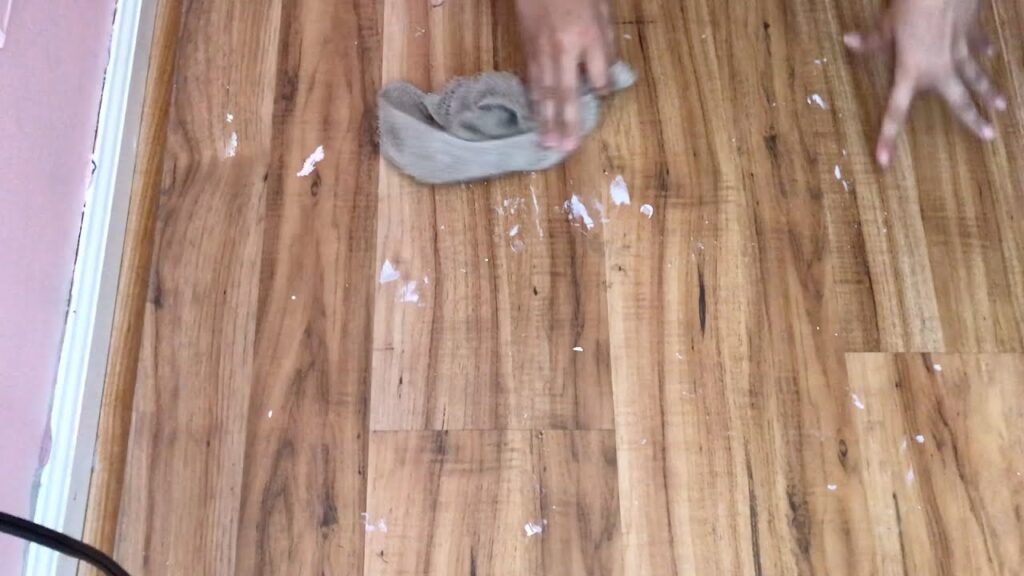
What you’re dealing with: oil paint vs. wood finish
Oil paint dries slow and cures hard. It bonds to the topcoat, not the bare wood, in most cases. That’s good news. It means you can target the paint with care and save the finish.
Know your floor finish first:
- Polyurethane or aluminum-oxide finishes are sealed, tough, and more solvent resistant.
- Waxed or oil-finished floors are open-pored and can absorb solvent or stain.
- Old shellac or varnish can soften with many solvents.
This matters for how to remove oil paint from wood floors without dulling the sheen. Always test in a hidden spot.
Tired of endless sanding and messy chemicals? Use a specialized heat gun for removing paint from wood to peel away years of stubborn layers in seconds.
Tools and materials checklist
You don’t need a shop’s worth of gear. A small kit will do.
- Plastic scraper or old credit card
- Microfiber cloths and cotton rags
- Warm water and mild dish soap
- Vegetable oil or baby oil
- Mineral spirits (paint thinner), odorless if possible
- Citrus or soy-based gel remover, finish-safe
- 0000 steel wool or white nylon pad
- Painter’s tape and small brushes
- Floor-safe polish, wax, or touch-up product
- Nitrile gloves, eye protection, fan for airflow
This set supports how to remove oil paint from wood floors with control and low risk.
Quick decision guide: choose the right method
Use this quick path to pick your approach.
- If paint is fresh and soft: Blot, wash, then lift with oil or soap.
- If paint is dry on a sealed floor: Scrape gently, then spot-treat with mineral spirits.
- If paint is dry on waxed or oiled floors: Scrape, use minimal solvent, then re-wax/re-oil.
- If the blob is old and thick: Use a gel remover and patience, not force.
- If the finish clouds or dulls: Stop, clean, let dry, then re-polish that area.
These choices reflect how to remove oil paint from wood floors fast while keeping the finish intact.
Method 1: Fresh splatters and smears
Act fast. Fresh paint lifts with simple steps.
- Blot the paint with a dry cloth. Don’t rub yet.
- Mix warm water and a few drops of dish soap. Wipe the area.
- If color remains, add a dab of vegetable oil to a cloth and rub gently.
- Wipe clean with soapy water, then dry with a towel.
This is the safest way for how to remove oil paint from wood floors when the paint is still wet.
Pro tip: I keep a small bottle of baby oil in my kit. It softens fresh oil paint without shocking the finish.
:strip_icc()/Bhg-cleaning-paint-from-hardwood-11-2639_89Yk9gHS4YgB6XY1koJn9m-09f080b08dcb4bb1830ec1b18276d743.jpg)
Method 2: Dried oil paint on sealed polyurethane floors
Sealed floors are more forgiving. Work slow and clean as you go.
- Use a plastic scraper at a low angle. Lift the edge of the paint chip.
- Dampen a cloth with mineral spirits. Blot the paint. Hold for 10–15 seconds.
- Wipe and check. Repeat light passes instead of one heavy soak.
- Buff dry with a clean cloth. If the sheen looks dull, polish the spot.
This is my go-to way for how to remove oil paint from wood floors in most modern homes. Avoid metal scrapers, which can gouge.
:max_bytes(150000):strip_icc()/how-to-clean-paint-off-wood-floors-5181299-hero-940c94a536b345978576b719aa90d2f6.JPG)
Method 3: Dried oil paint on waxed or oiled floors
These floors need a gentle touch.
- Scrape carefully with plastic. Do not dig into the grain.
- Put a few drops of mineral spirits on a cloth. Dab the paint only.
- Wipe the area with a dry cloth right away.
- Recondition the spot: apply matching wax or oil, then buff.
Follow this for how to remove oil paint from wood floors that have a hand-rubbed look. A small re-wax blends the sheen fast.

Method 4: Stubborn blobs and old drips
Thick globs need dwell time, not force.
- Mask around the spot with painter’s tape.
- Apply a small amount of citrus or soy-based gel remover. Let it dwell per label.
- Lift softened paint with a plastic scraper or white pad.
- Neutralize per product directions. Then clean with soapy water and dry.
If needed, rub with 0000 steel wool lubricated with mineral spirits, working with the grain. Keep pressure light. This method shows how to remove oil paint from wood floors without sanding the whole room.

Method 5: Paint in gaps, grain, and textured boards
Paint can sink into cracks and deep grain.
- Use a soft toothbrush or a wooden skewer to tease out paint.
- For tight seams, fold a cloth over a thin card and pull along the gap.
- If stain color lifts, stop and plan a small touch-up.
When it’s deep in the wood, spot refinishing may be best. Yet you can still try how to remove oil paint from wood floors with patient, targeted cleaning.
:strip_icc()/Bhg-cleaning-paint-from-hardwood-01-2594_0-4UUHL9qQa8oXsYOCJvXZ-c9c0bb36279843b68d02adb318b0163b.jpg)
Safety first: protect your health and your home
Oil paint cleanup can be safe with a few habits.
- Ventilate well. Run a fan and open a window.
- Wear nitrile gloves and eye protection.
- Keep heat low if you use a heat gun, and avoid old lead-painted areas. Homes built before 1978 may have lead on trim; treat unknown paint with care.
- Store solvent rags outside in a metal can with water and a lid. Oily rags can self-heat and catch fire.
These steps support how to remove oil paint from wood floors without risking your health or the space.
Aftercare: restore sheen and blend the spot
Once the paint is gone, bring the floor back to even.
- Wipe with mild soap and water. Dry well.
- For poly floors, a small amount of floor polish can blend sheen.
- For waxed floors, re-wax the area and buff.
- For oil-finished floors, apply a thin coat of the same oil, let it set, then buff.
This final touch completes how to remove oil paint from wood floors and makes the fix invisible.
Prevention tips for next time
A few small steps can save a big cleanup.
- Use canvas drop cloths, then plastic on top near the baseboards.
- Tape edges and shoe molding well.
- Decant paint into small cups to cut spill risk.
- Keep a “rescue kit”: rags, soap, baby oil, and a scraper in the room.
These habits reduce the need to learn how to remove oil paint from wood floors the hard way.
Common mistakes and pro tips from the field
I’ve made the mistakes so you don’t have to.
- Don’t flood solvent. Many light passes beat one heavy soak.
- Don’t use metal scrapers on hardwood. Plastic saves finishes.
- Don’t skip the test spot. Every finish reacts a little different.
- Do mask around thick blobs. It protects clean areas while you work.
- Do keep extra light on the floor. Low-angle light shows what’s left.
Follow these and you’ll master how to remove oil paint from wood floors with less stress.
Troubleshooting: dull spots, haze, or smears
If the finish looks off after cleanup, try this.
- Haze after mineral spirits often clears as the solvent flashes off. Give it an hour.
- If a dull ring remains, apply a small amount of polish or wax to blend.
- If the area stays sticky, you may have softened an old finish. Let it cure overnight, then reassess.
This path helps you refine how to remove oil paint from wood floors when things get tricky.
Frequently Asked Questions of how to remove oil paint from wood floors
What removes dried oil paint without harming the finish?
Mineral spirits is the mildest effective solvent for most sealed floors. Use light, short applications and wipe dry fast.
Can I use vinegar or alcohol on oil paint?
Vinegar and alcohol do little to oil paint. They can also dull certain finishes, so stick to mineral spirits or a gel remover.
Will a magic eraser scratch my wood floor?
It can dull the sheen because it’s a micro-abrasive. Use a white nylon pad or 0000 steel wool with lubricant instead.
Is a heat gun safe for removing paint drips?
Low heat can help, but go slow and keep it moving. Avoid heat near unknown old paint, edges, or seams that can scorch.
What if the paint got into gaps between boards?
Use a thin card wrapped in a cloth or a wooden skewer to lift it. If color comes up, stop and plan a small touch-up.
How do I know my floor finish type?
Test a hidden spot with a drop of alcohol or mineral spirits. Shellac softens with alcohol, while polyurethane resists short contact with mineral spirits.
Can I use acetone or lacquer thinner?
They work fast but can attack many finishes. Reach for mineral spirits or a finish-safe gel first.
How long should I let gel remover sit?
Follow the label, usually a few minutes. Mask edges, check often, and don’t let it dry out.
What if my floor looks cloudy after cleaning?
Let the area dry for an hour and check again. If still dull, apply a small amount of polish or wax to blend.
Do I need to reseal the whole floor after spot cleaning?
Usually no. Blend and buff the spot. Full resealing is only needed if the finish was already failing.
Conclusion
Oil paint on hardwood is not the end of the world. With the right method, you can lift the paint, protect the finish, and restore the sheen. Start gentle, test first, and use short, controlled passes with the right solvent.
Put together a small kit today and save this guide. Tackle one spot at a time and you’ll master how to remove oil paint from wood floors like a pro. Have a question or a tricky case? Leave a comment and I’ll help you troubleshoot.
Related posts:
 Best Paint for Propane Tank – Weather-Resistant Coatings That Won’t Trap Heat | Safety Expert Guide
 What Removes Paint From Wood (2026) – Safe Paint Removal for Furniture & Trim
 How To Remove Lead Paint Safely From Wood
 Best Heat Gun For Removing Paint From Wood– Powerful, Safe & Expert‑Tested Models