
How to Stop Wood Stain Coming Through Paint– start by sanding the surface smooth and cleaning off dust and debris. Apply a stain-blocking primer or sealer, such as an oil-based or shellac-based primer, which prevents the tannins and natural wood oils from penetrating the paint. Once the primer dries completely, paint with your chosen topcoat. Using the right primer and allowing proper drying time ensures a smooth, stain-free finish that maintains color and durability.
For most homeowners investigating damp spots on walls or wood, a budget-friendly, versatile meter under $50–$100 is sufficient, avoiding the need for $500+ professional-grade equipment.
Use shellac primer, scuff sanding, and proper prep to block stain bleed-through.
If you want to learn how to stop wood stain coming through paint, you’re in the right place. I’ve solved this for cabinets, trim, and doors in real homes. In this guide, I share proven steps, pro tips, and mistakes to avoid. You’ll see what works, what fails, and why, so you can paint once and have it last.
The simplest way to remove paint from wood is with Paint Stripper for Wood .
Table of Contents
Why wood stain bleeds through paint
Wood holds tannins, dyes, and oils. When you paint over them, water in the paint can pull those colorants up. That is why you see yellow, brown, or pink marks.
Some woods bleed more than others. Oak, cedar, redwood, pine knots, and mahogany are common culprits. Fresh oil stains and old wax or furniture polish can also cause bleed.
Latex primer often is not enough for heavy bleed. Water-based paint can re-wet dye. That is why shellac-based or true oil stain-blocking primers stop the bleed.
Tools and materials you will need
- Cleaning: TSP substitute or a degreaser. Removes wax, oil, and grime.
- Abrasion: 120–150 grit sandpaper and a sanding block. Scuff for grip.
- Wipes: Tack cloth or a damp microfiber. Lifts dust after sanding.
- Primers: White pigmented shellac primer for strong bleed. Oil-based stain-blocking primer for moderate bleed.
- Paint: High-quality enamel or trim paint. Use two coats.
- Extras: High-adhesion caulk, wood filler, and a bonding deglosser if needed.
- Gear: NIOSH respirator, gloves, and good airflow. Shellac and oil primers have strong fumes.
- Test tools: A small brush and a scrap cup. For patch tests.
How to stop wood stain coming through paint: a step-by-step plan
This is the field-tested path I use on tough jobs. It works on stained trim, doors, and cabinets.
- Identify the wood and the risk
- Look for red, yellow, or dark tones. Oak, cedar, and pine knots mean high bleed risk.
- If you need how to stop wood stain coming through paint on cabinets, note the old finish. Slick varnish needs bonding.
- Clean like it matters
- Wash with a TSP substitute or a strong degreaser. Rinse and dry.
- This step cuts silicone and wax, which can push pigment and block primer.
- Scuff sand for grip and control
- Sand with 120–150 grit until the gloss is dull. Wipe clean.
- Do not sand to bare wood unless the old finish is failing.
- Seal knots and known bleeders first
- Spot-prime knots and end grain with white pigmented shellac. Let it dry.
- If you skip this, tannins will find a path.
- Prime for stain block, not just adhesion
- For heavy bleed, use shellac primer. It locks tannins and dyes fast.
- For moderate bleed, use a quality oil-based stain-blocking primer.
- Apply a full, even coat. Let it dry. Lightly sand for smoothness.
- Check for any yellowing or pink spots
- Do a wipe test. If you see color showing, add a second coat of shellac primer.
- This is the key move in how to stop wood stain coming through paint that lasts.
- Caulk and fill after priming
- Caulk gaps after primer. Caulk sticks better to primer.
- Fill holes, sand smooth, and touch up primer on bare filler.
- Paint in two thin coats
- Use a top-quality enamel. Two thin coats beat one thick coat.
- Allow full dry time between coats for a hard, clean finish.
- Do a small test patch first
- If you worry about bleed, prime and paint a small area first.
- Wait overnight. If it stays clean, you are good to proceed.
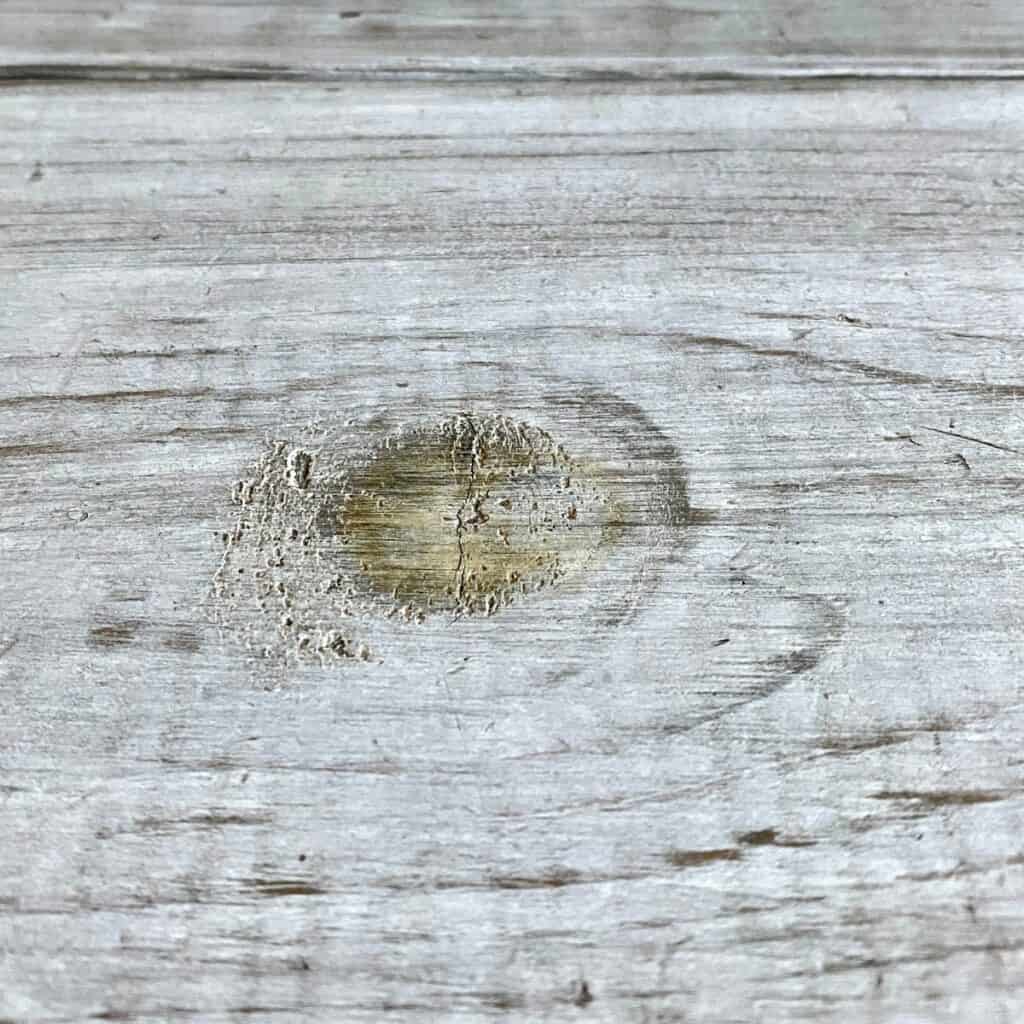
If the stain is already bleeding through your paint
This fix is simple. You will back up a step and seal the stain.
- Clean the marked area. Remove any marks or residue.
- Sand the spots lightly to dull the paint.
- Spot-prime with white pigmented shellac. Let it dry.
- If marks are strong, prime the whole panel with shellac.
- Repaint with two thin coats.
- This rescue is the fastest way for how to stop wood stain coming through paint after the fact.
The right primer and prep, you can paint varnished wood without sanding.
Special cases: knots, red woods, and cabinets
Knots and resin pockets
- Pine knots can bleed even through oil primer. Use shellac on every knot.
- Two coats of shellac give you the best block.
Red woods with high tannin
- Cedar, redwood, mahogany, and cherry often need shellac primer over the whole surface.
- Water-based primers may let pink bleed. Shellac stops it cold.
Kitchen and bath cabinets
- Old cabinets have grease and silicone. Clean twice.
- Use a bonding deglosser, then sand.
- For how to stop wood stain coming through paint on cabinets, I use shellac primer for stain block, then a bonding primer if needed, then enamel. The shellac layer is the stain shield.
Exterior doors and trim
- Weather pulls tannins out. Use oil or shellac primer rated for exterior.
- Seal all edges, even the top and bottom of doors.
Dry time, cure, and conditions that matter
Primer needs time to lock in stains. Do not rush coats. Warm, dry air speeds cure.
- Work between 60–80°F with low humidity.
- Give shellac primer at least 45 minutes before sanding or recoating.
- Give oil primer several hours. Read the can for your brand.
- Good airflow helps solvents leave. That makes a stronger seal.
These small choices help with how to stop wood stain coming through paint for the long term.
Common mistakes to avoid
- Using latex primer on heavy bleed. It often fails on tannins.
- Painting over silicone or wax. Clean first or nothing will stick.
- Skipping a spot test. A small test can save a full repaint.
- One thick paint coat. Thin coats level better and dry harder.
- Ignoring knots. Always spot shellac them.
Troubleshooting and pro tips
- Yellow marks after first primer coat: Add a second shellac coat.
- Streaks on brush: Use fresh shellac and a natural bristle or a shellac-rated brush.
- Odor issues: Vent well, use a respirator, and take breaks.
- Sanding too hard: You can break the primer film. Sand light and even.
- Unsure of your plan: Do two side-by-side samples. Shellac vs oil primer. Pick the winner.
A quick story from my work
I once painted red oak trim that bled through two coats of latex primer. I switched to white pigmented shellac, did one full coat, and the bleed was gone. That job taught me that how to stop wood stain coming through paint often comes down to the right primer, not more paint.
Safety, ventilation, and cleanup
- Work with windows open and a fan moving air out.
- Wear a respirator with organic vapor filters. Gloves help too.
- Keep rags flat to dry. Solvent rags can self-heat if bunched.
- Follow local rules for disposal of solvent waste.
Safe habits help you get results without risk. They also protect your finish.
Time, cost, and planning
- Time: Small vanity or door in a day; full kitchen in a week.
- Coats: Expect one to two coats of shellac primer, then two paint coats.
- Cost: Shellac primer costs more, but it saves repaints.
- Coverage: Plan one quart of primer for small jobs. A gallon for larger trim.
Plan with these numbers to master how to stop wood stain coming through paint without surprises.
Frequently Asked Questions of how to stop wood stain coming through paint
What primer stops stain bleed the best?
White pigmented shellac blocks tannins and dye bleed fast. Oil-based stain-blocking primers also work for moderate cases.
Can I use water-based primer to stop stain bleed?
It can work on light bleed, but it often fails on heavy tannins. For tough woods, use shellac or oil-based primer first.
How many coats of primer do I need?
Use one coat for light cases and two coats for heavy bleed. Check with a test spot before moving on to paint.
Will sanding alone stop bleed-through?
No. Sanding helps with adhesion, but it does not lock in tannins. You need a stain-blocking primer to seal the color.
Can I paint over oil-based stain without primer?
You should not. Always use a stain-blocking primer first. This is key in how to stop wood stain coming through paint that lasts.
How long should I wait between primer and paint?
Follow the can. Shellac often is ready in 45–60 minutes. Oil primers can need several hours.
Do I need to prime again if bleed shows after paint?
Yes, spot-prime with shellac over the marks, then repaint. If bleed is wide, prime the whole area.
Conclusion
Stopping stain bleed is simple when you use the right steps. Clean well, scuff sand, and seal with shellac or oil primer. Then paint with two thin coats. That is how to stop wood stain coming through paint and keep it clean for years.
Try a small test today on the worst spot in your room. Use the plan above and see the difference. Want more guides like this? Subscribe for new how-to tips or drop your questions in the comments.
Related posts:
 Blistering Paint Causes and Solutions – Why It Happens and How to Stop It
 Oil Vs Acrylic Stain: Which is Best for Your Wood Project?
 Best Deck Stain for Pressure Treated Wood (2026) – Long-Lasting Protection & Colour Options
 Should You Stain a Pressure-Treated Wood Deck? (2025) – When, Why & How to Do It Right