
How To Strip Paint Off A Wood Deck?
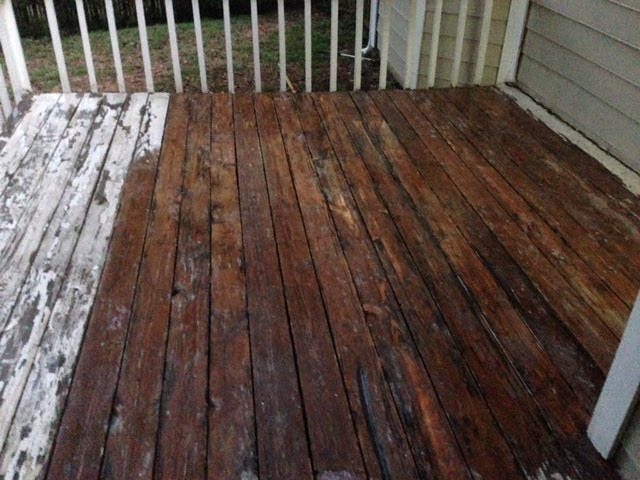
To strip paint off a wood deck, start by cleaning the surface to remove dirt and debris. Apply a chemical paint stripper or a deck paint remover according to the manufacturer’s instructions, allowing it to soak for the recommended time. Use a scraper or stiff-bristled brush to lift the softened paint, working along the grain to avoid damaging the wood. After stripping, rinse the deck thoroughly with water and let it dry completely before sanding or refinishing. Always wear protective gloves, eyewear, and work in a well-ventilated area.
Refinishing furniture in a small space? You need the best paint stripper for wood that won’t fill your home with toxic fumes or harsh chemical odors.
Use a quality deck stripper, gentle pressure wash, neutralize, then sand and refinish.
If you want a clean, long-lasting finish, you need a proven plan. In this guide, I’ll show you how to strip paint off a wood deck the right way. I’ve stripped dozens of decks in different climates and conditions. You’ll get clear steps, pro tips, and common mistakes to avoid so your deck looks new again.
Understand What You’re Removing And Why It Matters
Most deck paint fails from moisture, UV damage, or poor prep. Stripping resets the surface so new coatings bond and last. You want bare, neutral wood with a smooth profile.
Before you start, map the job. Look at peeling zones, shaded boards, stairs, railings, and end grain. When I teach homeowners how to strip paint off a wood deck, I always start with a small test area. It tells you how stubborn the coating is and which method works best.
What to check:
- Wood species and age. Softwoods like pine lift faster than hardwoods like ipe.
- Paint type and layers. Thick elastomeric paints need stronger strippers.
- Previous repairs. Fillers and epoxies may react to heat or chemicals.
- Lead-safe rules. If your home was built before 1978, test for lead first.

Safety First And Smart Prep
Stripping is messy and reactive. Good prep saves time and protects your home and yard.
Personal safety:
- Nitrile gloves, long sleeves, and eye protection.
- Respirator with organic vapor cartridges for chemical fumes.
- Hearing and dust protection for sanding or pressure washing.
Site prep:
- Cover plants, siding, doors, and windows with plastic and tarp edges.
- Remove furniture, grills, and rugs.
- Work in shade or cool hours. Heat speeds drying and weakens stripper action.
- Ventilate under-deck spaces. Keep children and pets away.
These steps matter for anyone learning how to strip paint off a wood deck with confidence and care.
Tools And Materials Checklist
You do not need every tool, but the right mix makes the job smoother.
Essentials:
- Chemical deck stripper rated for paint and solid stains
- Plastic or carbide scrapers and a putty knife
- Pump sprayer or brush for applying stripper
- Plastic sheeting to keep stripper wet
- Garden hose with spray nozzle or pressure washer (500–1200 PSI)
- Neutralizer or wood brightener (oxalic or citric acid)
- Stiff nylon deck brush
- Pails, rags, and absorbent pads
- Moisture meter (nice to have)
- Random orbital sander with 80–120 grit discs
- pH test strips if using caustic strippers
Pro tip from years on site: Buy extra scraper blades. Sharp edges save wood grain and cut time when you’re figuring out how to strip paint off a wood deck without gouging it.

Choose The Best Method For Your Deck
Different paints and woods respond in different ways. I recommend a test patch with two methods before you decide.
Chemical strippers
Good for thick or old paint layers. They soften paint so you can scrape and rinse.
- Pros: Less risk of gouging, reaches cracks, good on railings.
- Cons: Slower, messy, may need neutralizing. Follow the label dwell time.
Heat gun
Targets small areas and stubborn spots.
- Pros: No chemicals, quick on edges and knots.
- Cons: Fire risk, fumes from heated paint, can scorch wood. Avoid on lead paint.
Mechanical sanding
Useful for edges and final smoothing.
- Pros: Fast for light coatings, sets the surface for new finish.
- Cons: Dusty, can dish soft grain, slow for thick paint.
Pressure washing (as a rinse partner)
Use after stripper to lift residue. Keep it gentle.
- Pros: Clears fibers and sludge fast.
- Cons: Too much PSI or a narrow tip scars wood. Use 25–40° tip, 500–1200 PSI, and keep the wand moving with the grain.
This is the heart of how to strip paint off a wood deck: match the method to your coating and wood.

Step-By-Step: How To Strip Paint Off A Wood Deck
Follow this plan for reliable results.
- Test for lead and coating response
- Use a lead test kit on suspect areas.
- Try a small patch with your chosen stripper and note dwell time.
- Protect and prepare
- Mask nearby surfaces. Wet plants and cover them.
- Sweep and blow off dust.
- Apply the stripper
- Stir well. Load a pump sprayer or brush it on thick and even.
- Work in small sections you can manage.
- Keep it wet. Lay plastic over it if the sun is hot.
- Let it dwell
- Follow the label. Many products need 15–45 minutes; heavy coats may need more.
- Do not let it dry. Mist with water or more stripper as needed.
- Scrape gently
- Use plastic scrapers with the grain.
- Collect sludge in a tray or on tarps.
- Rinse thoroughly
- Use a hose or low-pressure wash. Keep the tip moving with the grain.
- Avoid forcing water into joints and end grain.
- Repeat if needed
- Stubborn spots may need a second pass or heat gun touch-up.
- Neutralize and brighten
- If the stripper is caustic, apply the neutralizer per label.
- Rinse well and check pH with strips. You want near-neutral.
- Dry, sand, and check
- Let wood dry 24–72 hours, weather depending.
- Lightly sand 80–120 grit to smooth raised fibers.
- Vacuum dust.
This process is the cleanest path for anyone asking how to strip paint off a wood deck without damage.

Troubleshooting Tough Spots And Common Mistakes
Real decks have surprises. Here is how I handle them.
Common trouble:
- Deep cracks packed with paint. Use a pick or stiff nylon brush after softening.
- Heavy blobs in corners. Spot-apply stripper and tent with plastic for longer dwell.
- Fuzzy wood after washing. Let dry and sand lightly to knock down raised grain.
- Gray or dark patches. Use a wood brightener to even tone.
Mistakes to avoid:
- High PSI and tight nozzle angles. This scars wood and causes lap marks.
- Skipping neutralizer after caustic strippers. Your new finish will peel early.
- Working in direct sun. Stripper dries out and loses power.
- Rushing dry time. Coatings fail if wood is still wet.
If you’ve struggled with how to strip paint off a wood deck before, these fixes save the day.

Neutralizing, Cleaning, And Brightening The Wood
Strippers change wood pH. Left unchecked, that pH swing kills adhesion.
Do this right:
- Use the exact neutralizer the manufacturer recommends for your stripper.
- Apply with a pump sprayer. Scrub with a deck brush.
- Rinse until water runs clear. Spot-check with pH strips.
- Brighteners restore color, open pores, and help even absorption.
When you follow these steps, you solve a common failure point in how to strip paint off a wood deck and prepare it for a long-lasting finish.
Drying And Sanding For A Smooth, Ready Surface
Moisture is the silent job killer. Patience here pays off.
Drying:
- Aim for 12–15% moisture or less. A meter helps, but you can also wait for 48–72 hours of dry, mild weather.
- Morning sun and light breeze help. Avoid dew-heavy mornings for coating.
Sanding:
- Use 80 grit on the main deck. Use 100–120 on railings and top caps.
- Vacuum and tack-wipe the dust. Keep the surface even, not polished.
These steps complete the core of how to strip paint off a wood deck with pro-grade results.
Choose The Right New Finish And Re-Coat
Your deck is now a clean canvas. Pick a product that suits your climate and traffic.
Good choices:
- Semi-transparent deck stain. Shows grain, easy to maintain, strong UV blockers.
- Semi-solid stain. More color, still breathes, hides repairs.
- Solid stain or paint. Maximum color control, but higher prep for future recoats.
Application tips:
- Follow the spread rate on the can. Do not flood the wood.
- Work two boards at a time, end-to-end, to avoid lap marks.
- Back-brush to drive finish into pores.
- Respect recoat and cure times.
A key part of how to strip paint off a wood deck is planning for maintenance. Lighter stains are easier to refresh than solid films.
Cost, Time, And Project Planning
Set honest expectations so you do not rush steps.
Typical ranges:
- Materials: 100–300 dollars for stripper, neutralizer, brightener, and sundries.
- Tool rentals: 30–60 dollars per day for a pressure washer; 25–50 for a sander.
- Time: 1–2 weekends for an average 300–500 sq ft deck.
Schedule:
- Day 1: Prep and first stripping pass.
- Day 2: Second pass, rinse, neutralize, brighten.
- Days 3–4: Dry time.
- Day 5: Sand and stain.
Budgeting both time and money is part of mastering how to strip paint off a wood deck without cutting corners.
Environmental Care And Waste Disposal
Stripping produces sludge that you must handle with care.
Best practices:
- Contain runoff with tarps and absorbent pads.
- Collect sludge in heavy-duty bags. Do not wash it into soil or drains.
- Follow local rules for hazardous waste, especially if lead is present.
- Rinse water should be controlled. Use low pressure and capture where possible.
When you learn how to strip paint off a wood deck, plan disposal from the start. It protects your yard and keeps you compliant.
Frequently Asked Questions Of How To Strip Paint Off A Wood Deck
What is the fastest way to strip paint from a deck?
A strong chemical stripper with proper dwell time is usually fastest. Rinse gently, then sand for a clean surface.
Can I use a pressure washer alone to remove paint?
Not well. Pressure alone often scars wood and leaves paint behind. Use it as a rinse after a stripper.
How do I know if I need to neutralize the wood?
If your stripper is caustic, you must neutralize. Check the label and verify with pH strips for a near-neutral reading.
Is it safe to use a heat gun on deck boards?
Use with care on small spots. Keep moving to prevent scorching and avoid heat on suspected lead paint.
How long should I wait before staining after stripping?
Wait until the deck is dry to 12–15% moisture or less. This often takes 24–72 hours, depending on weather.
What grit sandpaper should I use after stripping?
Use 80 grit on deck boards and 100–120 on railings. Sand lightly to smooth raised fibers.
Can I skip brightener if the deck looks clean?
You can, but brightener evens color and helps new coatings absorb. It boosts long-term results.
Conclusion
Stripping a deck is a step-by-step process, not a single trick. With the right stripper, careful rinsing, proper neutralizing, and patient drying and sanding, your new finish can last and look great. Start small, test, and adjust until you dial in what works for your wood and paint.
Ready to put this plan to work? Gather your supplies, pick a test spot, and begin. If you want more tips, subscribe for updates or leave a question in the comments.
Related posts:
 Is Zinsser Gardz a Primer? – Sealer, Primer, or Special Treatment, Pro Advice?
 Best Paint for Propane Tank – Weather-Resistant Coatings That Won’t Trap Heat | Safety Expert Guide
 Best Deck Stain for Pressure Treated Wood (2026) – Long-Lasting Protection & Colour Options
 Should You Stain a Pressure-Treated Wood Deck? (2025) – When, Why & How to Do It Right