Prime, thin, test on scrap, spray in steady passes, then clean well.
If you want clear, pro-level steps on how to use a Wagner paint sprayer, you’re in the right place. I’ve sprayed walls, cabinets, fences, and furniture with Wagner units for years. This guide shows how to set up, dial in your pattern, avoid clogs, and clean fast, with tips you can use today.
What Is a Wagner Paint Sprayer?
A Wagner paint sprayer pushes paint through a nozzle to make a fine mist. It lays down smooth coats faster than a brush or roller. You get fewer brush marks and a more even finish.
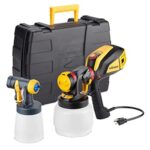
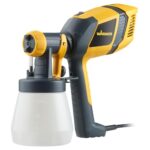
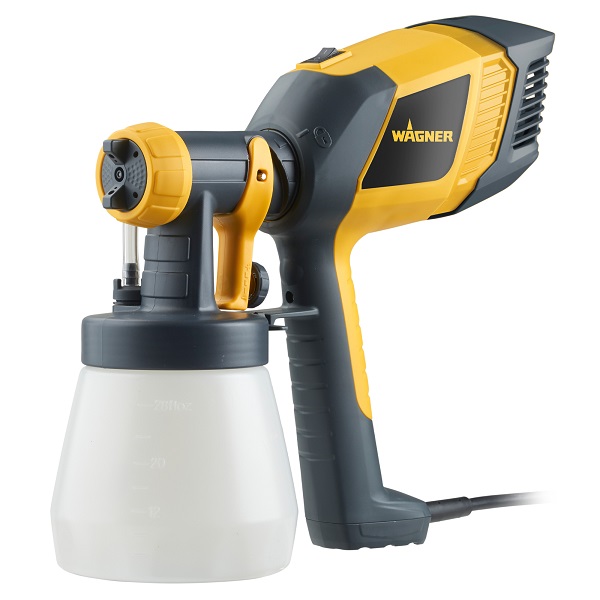
There are two common types. HVLP turbine sprayers like the FLEXiO work great for trim, cabinets, and small projects. Airless sprayers like the Control Pro move more paint and shine on walls, ceilings, decks, and fences.
Tools and Materials You’ll Need
Set yourself up before you open the can. Being ready helps you learn how to use a Wagner paint sprayer the right way.
- Wagner sprayer, cup, tips, and filters
- Paint or stain, plus the right thinner for oil-based coatings
- Strainers for paint and a mixing stick
- Drop cloths, plastic, and painter’s tape
- Respirator rated for paint mist, safety glasses, and gloves
- Extension cord and a grounded outlet
- Buckets for mixing and cleaning
- Rags, brush for back-brushing, and a small screwdriver for nozzles
Safety First
Safety is not a box to tick. It is part of how to use a Wagner paint sprayer with confidence. Spray only in fresh air or with strong ventilation. Wear a respirator, eye protection, and gloves.
Keep flames and sparks away from solvents. Cover outlets and fixtures. Keep kids and pets out until the area is dry and aired out. If you suspect old paint has lead, stop and test before sanding or spraying.
Best Wagner Flexio Paint Sprayer: Tested 5 Wagner Flexio for Any Project
Setup: How to Use a Wagner Paint Sprayer Step by Step
Follow these steps to get clean results and fewer headaches.
- Read the manual for your model. Note how to attach the nozzle, filter, and cup. Pick the best nozzle for your job.
- Choose paint made for spraying. For HVLP, thin water-based paint as needed using the included viscosity cup. Aim for a smooth pour and steady stream.
- Strain your paint into a clean bucket. Straining keeps chunks out of the gun and prevents sputter.
- Fill the cup or draw tube. Tighten the lid and check for a tight seal to avoid air leaks.
- Prime the sprayer. HVLP units may need a few test pulls to fill the pickup tube. Airless units have a prime valve; run clean water or thinner first, then paint.
- Set controls. Adjust air power, material flow, and pattern shape. Start low and work up.
- Test on cardboard. Check pattern width, flow, and atomization. Adjust until the fan is even, with soft edges, and no spit.
- Mask and protect the room or work area. Cover what you do not plan to paint.
- Spray your first coat. Keep the gun 6 to 10 inches from the surface. Move your arm, not your wrist. Start the trigger just before the edge and release just after.
- Overlap each pass by about 50 percent. Keep a wet edge to avoid lap marks. Watch for runs and fix them right away.
- Let it dry. Check the label for recoat time. Lightly scuff between coats if you need extra smoothness.
- Pause the right way. For short breaks, wrap the nozzle in a damp rag or plastic to stop drying at the tip.
Spraying Technique: Get a Smooth, Even Finish
Good spraying is a rhythm. That rhythm is a big part of how to use a Wagner paint sprayer like a pro. Keep distance steady and speed even. Do not sweep your wrist. Move your whole arm so the spray stays square to the surface.
Aim for thin coats. Two or three light passes beat one heavy one. Change the pattern from vertical to horizontal between coats on doors or cabinets. Watch light reflections to spot dry spray or holidays.
PAA quick answers
How far should I hold the sprayer?
Keep 6 to 10 inches away for HVLP, and 10 to 12 inches for airless. If the paint looks dry or dusty, move in a bit or slow down.
Do I need to thin paint?
Many water-based paints atomize fine with HVLP after light thinning. Airless sprayers often spray latex with no thinning, but you still should strain.
What pressure or power should I use?
Use the lowest setting that gives a fine, even fan. Raise power only if you see tails or heavy edges.
Cleanup and Maintenance
Cleanup is part of how to use a Wagner paint sprayer without problems later. Clean right after you finish. Dried paint is the main cause of sputter and clogs.
For water-based coatings, run warm water through until it is clear. Disassemble the nozzle and clean each part with a soft brush. For oil-based coatings, use the right thinner, then a final flush with clean solvent. Wipe the housing, lube seals as directed, and store the gun in a clean, dry spot.
Common Mistakes and How to Fix Them
Every sprayer user makes mistakes. When learning how to use a Wagner paint sprayer, expect a short learning curve. Here are fast fixes.
- Runs and sags: You are too close, moving too slow, or spraying too wet. Back off, speed up, or reduce flow. Feather runs with a dry brush right away.
- Orange peel: Paint is too thick, temperature is low, or atomization is weak. Thin a little, raise power, or warm the paint and room.
- Dry spray or rough finish: You are too far away, moving too fast, or the paint is drying mid-air. Move closer, slow down, or lower airflow on HVLP.
- Spitting: The filter or nozzle may be dirty, or the cup is not sealed. Clean parts and check gaskets.
- Overspray cloud: Power is too high, or the fan is too wide. Drop power and narrow the pattern near edges.
7 Best Wagner Paint Sprayer Tested For Every Project & Budget
Real-World Use Cases and Settings
I get asked how to use a Wagner paint sprayer on different jobs. The base method stays the same, but small tweaks help a lot.
- Interior walls and ceilings: Airless with a medium fan and light pressure reduces overspray. Back-roll the first coat on fresh drywall for better hold.
- Cabinets and furniture: HVLP with a fine-finish nozzle gives a soft, even fan. Thin water-based enamel a little and use crosshatch coats.
- Doors and trim: Remove doors if you can. Spray flat for fewer runs. Light coats with 50 percent overlap make edges crisp.
- Fences and decks: Use a wider fan, keep the gun moving, and back-brush to push stain into grain.
Pro Tips From the Field
Here is my field-tested process for how to use a Wagner paint sprayer with less stress. It has saved me hours.
- Strain twice. Once into the bucket and once into the cup. Clogs drop to near zero.
- Label settings. Tape quick notes on the gun for each paint. You will dial in faster on the next job.
- Warm water trick. For latex cleanup, warm water speeds it up a lot.
- Light tack coat first. A mist coat bites into slick surfaces. The next coat levels better.
- Practice panel. Keep a scrap door or cardboard in your shop. A quick test avoids bad surprises on the real thing.
Frequently Asked Questions of how to use a wagner paint sprayer
Can I use latex paint in a Wagner sprayer?
Yes, most Wagner models handle latex well. Airless units often spray it unthinned, while HVLP may need light thinning and a fine-finish nozzle.
Do I need to thin paint every time?
Not always. Follow the paint label and your manual, and test on cardboard. Thin only until the fan looks smooth and even.
What is the best distance and overlap?
Hold 6 to 10 inches away for HVLP and 10 to 12 inches for airless. Overlap each pass by about 50 percent for an even coat.
Is it safe to spray indoors?
Yes, with good ventilation and proper masking. Wear a respirator, cover floors and fixtures, and keep fans moving air out.
How do I stop tip clogs?
Strain paint, keep filters clean, and cover the tip during short breaks. If you feel sputter, stop and rinse the nozzle right away.
Which Wagner model is best for cabinets?
HVLP turbine units with fine-finish nozzles do great on cabinets. They lay down smooth coats with little overspray.
How long does cleanup take?
Plan 10 to 20 minutes for water-based paint. Oil-based coatings can take longer due to solvent flushes.
Can beginners learn how to use a Wagner paint sprayer fast?
Yes, start with scrap material and a simple project. Practice your distance and speed, and you will improve within one session.
Conclusion
You now know how to use a Wagner paint sprayer from setup to cleanup. Prime, strain, test, spray in steady passes, and keep coats thin. Small adjustments in distance, flow, and overlap make a big difference.
Pick a simple project and try these steps today. Take notes on your settings and build your own playbook. If this helped, subscribe for more project guides, or drop a comment with your next spraying question.