
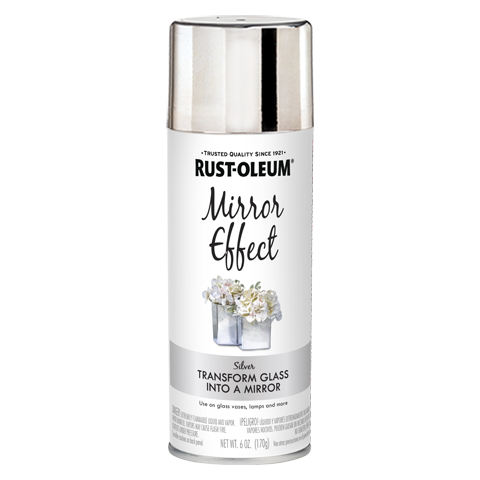
Learning how to use Rust-Oleum spray paint is simple. Start by cleaning and drying the surface thoroughly. Shake the can well for 1–2 minutes, then hold it 10–12 inches away and spray in light, even coats. Allow each coat to dry before applying the next. Finish by letting the paint cure fully for a smooth, durable finish.
Essential Amazon Accessories for a Pro Finish
Accessory Why It Helps Rust-Oleum Universal Trigger Fits on top of most spray cans. It converts a standard nozzle into an ergonomic trigger, drastically reducing finger fatigue during large projects. Painter’s Tape Essential for clean, crisp lines and protecting surfaces from unintended overspray. Sandpaper / Sanding Sponges Allows you to scuff glossy surfaces for better paint adhesion and smooth out imperfections between coats. Drop Cloth / Spray Booth Protects your floors, tables, or driveway from paint mist. A cardboard box also works as an excellent DIY spray booth.
Shake well, prep surface, spray light coats, overlap passes, and follow recoat times.
If you want a smooth, durable finish without fuss, you are in the right place. I have painted metal railings, plastic planters, old lamps, and even a car mirror cap. In this guide, I will show you how to use rust oleum spray paint with pro tips, real mistakes, and clear steps. You will learn what to buy, how to prep, and how to spray for results that look factory fresh.
Tools and Materials You’ll Need
Getting set up is half the job. The right kit saves time and avoids costly do-overs. If you are learning how to use rust oleum spray paint, this list will help you start right.
- Rust-Oleum spray paint suitable for your surface type
- Primer that matches the paint and material
- Degreaser or mild soap and water
- Sandpaper in 220–320 grit and 400–600 grit
- Tack cloth or lint-free rags
- Painter’s tape and masking paper or film
- Drop cloths or cardboard for overspray control
- NIOSH-approved respirator for paint fumes
- Nitrile gloves and safety glasses
- A test scrap of a similar material
Pro tip: Pick up an optional snap-on spray grip. It cuts finger fatigue and helps with even passes.
Top 5 Best Rust Oleum Paint: – Expert‑Approved for Rust Protection & Durability
Understanding Rust-Oleum Spray Paint Options
Rust-Oleum has lines for metal, wood, plastic, and more. Knowing which can to grab is key when you plan how to use rust oleum spray paint.
- 2X Ultra Cover. Good general use. Fast coverage for wood, metal, and some plastics.
- Universal. Bonds to hard-to-paint surfaces like glass, ceramic, and most plastics.
- Stops Rust. Protects metal from corrosion. Ideal for gates, tools, and patio sets.
- Automotive. Designed for car parts. Better heat and solvent resistance.
- Chalked. Matte vintage look. Easy to distress. Seal with a clear topcoat.
- High Heat. For grills and engines. Check the temp rating.
Match sheen to the job. Gloss is shiny and easy to wipe clean. Satin hides flaws. Flat reduces glare but marks easier.
Surface Prep for a Lasting Finish
Prep is where projects win or lose. If you ask how to use rust oleum spray paint and get pro results, the answer starts here.
Clean
- Wash with soap and water. Rinse and dry.
- Use a degreaser to remove oil, wax, or silicone.
De-gloss and scuff
- Sand glossy surfaces with 220–320 grit.
- Wipe with a tack cloth to remove dust.
Repair
- Fill chips or pits with filler made for the material.
- Sand smooth and feather the edges.
Prime
- Bare metal needs a rust-inhibiting primer.
- Plastic may need a bonding primer unless using Universal.
- Stained wood benefits from a stain-blocking primer.
Mask
- Tape off areas you do not want to paint.
- Cover nearby surfaces to prevent overspray.
Is Rust Oleum Spray Paint Waterproof? – Water Resistance, Outdoors & Best Uses Explained
Step-by-Step: how to use rust oleum spray paint
Follow these steps end to end. This is the fastest way to learn how to use rust oleum spray paint without mistakes.
- Check conditions. Aim for 50–90°F and low humidity. Avoid wind and direct sun.
- Warm the can. Let it sit in room temp water for 5–10 minutes. Do not heat with flame.
- Shake the can. Shake for a full minute after the ball rattles. Shake often while you spray.
- Test spray. Try the can on a scrap. Check color, pattern, and flow.
- Aim and distance. Hold 8–12 inches from the surface. Keep the can moving before and after each pass.
- Light first coat. Spray a thin tack coat. Use 50% overlap between passes.
- Build coverage. Apply 2–4 light coats. Wait a few minutes between coats as the label says.
- Watch the recoat window. Many Rust-Oleum lines say recoat within 1 hour or after 48 hours. Follow the can.
- Flash time. Let each coat flash off until tack-free to the touch. Do not rush heavy coats.
- Cure. Allow full cure before hard use. This may take 24–72 hours or more.
If you must ask again how to use rust oleum spray paint on tricky pieces, the answer is still thin coats, correct timing, and patience.
Spraying Technique Tips From Experience
I learned these the hard way while painting metal chairs and a front door kick plate.
- Move your whole arm, not just your wrist. This keeps the spray pattern even.
- Start off the edge, then sweep across, and release off the other edge.
- Use a crosshatch pattern. First coat left to right, next coat up and down.
- Turn small parts as you go. Spray hidden edges and undersides.
- For curves and spindles, do a light mist first. Then fill in from multiple angles.
Common mistake: Spraying too heavy. It looks good for 5 seconds, then sags. If it runs, stop. Let it dry. Sand flat. Recoat light.
Drying, Recoat, and Cure Times
Time is your friend. Follow the label, as each line is different. Most coats dry to touch in 20–40 minutes. They handle in 1–2 hours. Full cure can take 24 hours to 7 days, based on product, temp, and film build.
Mind the recoat window. Many products say recoat within 1 hour, or wait 48 hours. If you miss that window and spray too soon, you can get wrinkling or lifting. When unsure, wait longer, then sand lightly and recoat.
Humidity can slow drying. Use a fan to move air, not to blast dust at the piece.
What if I need a clear coat?
Use a Rust-Oleum clear that matches the base (enamel over enamel, lacquer over lacquer if listed). Apply light coats within the same recoat window for a strong bond.
Can I speed things up with heat?
Mild warmth and airflow help. Do not use open flames or heaters that can spark. Avoid high heat that can cause solvent pop or orange peel.
How do I know it is cured?
It will feel hard, not rubbery. Press a fingernail in a hidden spot. If it dents, it needs more time.
Safety and Setup You Should Not Skip
This step protects your lungs and your home. It also makes your finish better.
- Ventilation. Work outdoors or in a well-vented area. Use a fan to exhaust air.
- Respirator. Wear a NIOSH-approved respirator for paint fumes. Dust masks are not enough.
- PPE. Gloves, glasses, and long sleeves keep paint off your skin.
- Overspray control. Set a large drop cloth. Use a spray booth or a big box as a shield.
- Fire safety. No smoking, open flames, or sparks. Spray cans are flammable.
- Storage and disposal. Store cans cool and dry. Do not puncture. Follow local rules for disposal.
If you came here to learn how to use rust oleum spray paint safely, this is the checklist that matters most.

Troubleshooting: Fixes for the Most Common Issues
Even with care, things can go wrong. Here is how I fix the most frequent problems.
Runs and sags
- Cause. Heavy coat or too close.
- Fix. Let it dry. Wet-sand with 600 grit until flat. Recoat light.
Orange peel (bumpy look)
- Cause. Sprayed too far, dry spray, or hot surface.
- Fix. Lightly sand smooth. Move closer and slow down. Spray in cooler temps.
Fisheyes or craters
- Cause. Oil, silicone, or wax on the surface.
- Fix. Strip or sand the area. Clean with a degreaser. Re-prime.
Wrinkling
- Cause. Recoating outside the window or too heavy over uncured paint.
- Fix. Let it cure hard. Sand to level. Reprime if needed. Recoat within the window.
Spitting or clogged tip
- Cause. Dried paint in the nozzle.
- Fix. Flip the can. Spray till only propellant. Or soak the tip in mineral spirits and wipe.
If you are still unsure how to use rust oleum spray paint after a mishap, step back, sand smooth, and return to light coats.
Real Projects and Lessons Learned
Metal patio set
- I used Stops Rust primer and gloss black. I learned to treat rust first. A wire brush and a rust converter on pits gave a longer life.
Plastic planters
- Universal worked best. A scuff with 320 grit and a bonding primer gave a finish that did not chip in spring.
Front door kick plate
- I masked wide and sprayed satin bronze. I kept the can at 10 inches and used fast, thin coats. The crosshatch method hid overlap lines.
Automotive mirror cap
- I used Automotive primer, color, and clear. The key was long cure time between color and clear. I waited 48 hours. The finish looked OEM.
If you want a quick recap on how to use rust oleum spray paint from these jobs: prep clean, sand light, prime right, and build thin coats on time.
Maintenance and Protection
Keep your finish looking new with simple care.
- Let it cure fully before washing.
- Clean with mild soap and water. Avoid harsh solvents.
- For high-wear parts, add a matching clear coat.
- Store touch-up paint for small chips.
If you ever forget how to use rust oleum spray paint for touch-ups, think small and fast. Light mist, short passes, and stop when it blends.
Frequently Asked Questions of how to use rust oleum spray paint
Do I need primer every time?
Not always. Bare metal, stained wood, and many plastics need primer. If the label says “paint and primer in one,” you can often skip a separate primer on already painted, sound surfaces.
How far should I hold the can?
Hold it 8–12 inches from the surface. Stay consistent to avoid heavy and light bands.
Can I paint over rust?
Yes, but remove loose rust first. Use a wire brush, sand, then apply a rust-inhibiting primer before paint.
How many coats do I need?
Plan for 2–4 light coats. Stop when you reach even color and full coverage.
Why did my paint wrinkle?
You likely recoated outside the window or sprayed too heavy. Let it cure, sand smooth, and recoat with lighter passes within the listed window.
Can I use it in cold weather?
Most products prefer 50–90°F. Cold temps slow drying and can dull the finish. Wait for a warmer, drier day if you can.
How long before I can handle the item?
Many pieces handle in 1–2 hours, but they need 24–72 hours to cure hard. Treat it gently until then.
Conclusion
You now know how to use rust oleum spray paint from prep to finish. The formula is simple: clean well, scuff, prime when needed, spray thin coats, and honor the recoat window. That is how you get a smooth, tough finish that lasts.
Pick one small project this week and put these steps to work. Practice makes your hand steady, your passes even, and your results pro-grade. If you found this useful, subscribe for more how-to guides, share your project photos, or ask a question in the comments.
Related posts:
 Can I Use Rust Oleum On Stained Wood?– Step-by-Step Guide for Best Results
 How To Use Oil Paint On Wood– Prep, Painting & Step-by-Step Guide for a Smooth Finish
 Spray Paint Temperature Range: Your Complete Guide to Perfect Outdoor Finishes
 Is Rust Oleum Spray Paint Oil Based? – Best Uses and Alternatives