
Applying three coats of primer is usually more than necessary for most surfaces, as one or two coats are sufficient to ensure proper adhesion and coverage. Excessive primer can lead to longer drying times, higher costs, and potential cracking or peeling if the layers become too thick. It’s best to follow the manufacturer’s recommendations, lightly sanding between coats if needed, and apply only enough to achieve an even, fully covered surface before painting.
How to Avoid Doing 3 Coats: The “One-Coat” Solution
If you find yourself reaching for a third coat of primer, you are likely using the wrong product for the job. High-opacity primers are designed to do in one coat what cheap primers do in three.
Product Why It Saves You a Third Coat Best Feature KILZ Restoration Maximum The “Problem Solver.” Blocks the toughest stains and odors in 1-2 coats. Performs like oil-based, cleans up with water. Zinsser B-I-N Shellac-Base Ultimate Coverage. The highest opacity available; hides black paint instantly. Dries in 15 mins; blocks all wood knots. Stain-Blocking Primer Roller Even Application. Ensures high-build coverage so you don’t need extra coats. High-capacity nap specifically for primers.
Is 3 coats of primer too much? Usually yes, except in tricky cases.
If you have ever stared at a wall and wondered, Is 3 coats of primer too much?, you are not alone. I have primed new drywall, stained oak trim, and smoke-damaged ceilings in real homes. In this guide, I will show you when three coats are smart, when they are wasteful, and exactly how to decide with simple tests and pro tips. Read on to save time, money, and frustration—while getting a smooth, durable finish that looks pro.
Rust-Oleum 267313-Painters Touch Latex Paint: Is One Coat a Lie?
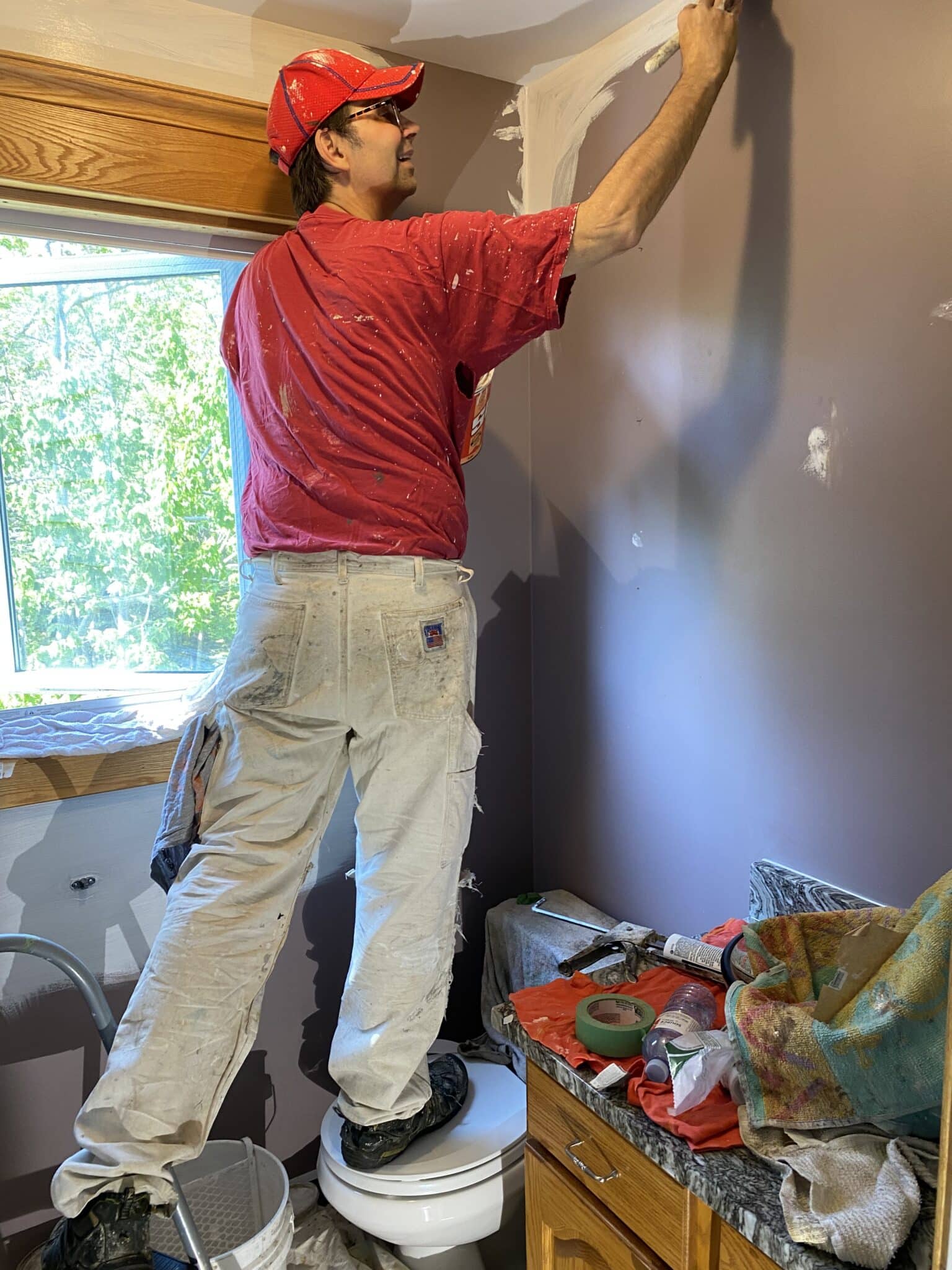
What primer actually does (and why that matters)
Primer is not just “paint before paint.” It is a bonding and sealing layer. It grabs the surface, seals porous spots, blocks stains, and evens out sheen so your topcoat lays flat and hides well. Most quality primers are designed to work in one to two coats.
Key primer jobs:
- Bond: Helps paint stick to slick or glossy surfaces.
- Seal: Prevents new drywall or bare wood from soaking up paint.
- Block: Stops tannin bleed, water marks, smoke, and marker stains.
- Hide: Improves coverage so the color looks even in fewer paint coats.
If you are asking, Is 3 coats of primer too much?, start by asking what problem you are solving: adhesion, sealing, or blocking. The right primer type plus good prep often beats extra coats.

Best Paint Roller – Expert-Tested Rollers for Walls & Ceilings
When three coats of primer are actually needed
There are real cases where a third coat is smart. I have used three coats many times, but always for a reason.
Situations where a third coat helps:
- Heavy stain or odor: Nicotine, smoke, pet odor, water stains, or wood tannins. Use a true stain-blocking primer (often shellac or oil-based). Two coats block most issues; a third coat is insurance when stains keep bleeding.
- Extreme color change: Going from deep red or black to white, or high-chroma colors. Two coats of a high-hiding primer usually do it, but a third coat can speed topcoat coverage.
- Very porous surfaces: Chalky masonry, raw MDF, or old calcimine ceilings. If the surface keeps flashing or soaking in, a third primer coat can lock it down.
- Patch-heavy walls: Lots of joint compound patches can telegraph through. After spot priming, two full coats may even out sheen; a third is sometimes needed under critical light.
In short, Is 3 coats of primer too much? Not if you are fighting bleed-through, tough odors, or wild color swings and your tests say you still do not have full hide.

When three coats are too much
Most standard jobs do not need three coats. Over-priming can hurt results.
Why three coats can be a problem:
- Poor adhesion risk: Too many layers, applied too fast, can trap solvents and slow cure. That weakens bond.
- Texture build-up: You can create orange peel, lap lines, and loss of detail on trim.
- Time and cost bloat: More coats mean more labor and material, often with no gain.
- Harder sanding: Thick primer films clog sandpaper and take longer to level.
For most drywall, trim, and repaints, the answer to Is 3 coats of primer too much? is yes. One thorough coat, or two at most, is the sweet spot.

The key factors that decide coat count
Whether one, two, or three coats are right depends on these variables.
- Surface type
- New drywall: One PVA or acrylic coat is common. Two if patch-heavy.
- Bare wood: One to two coats. Use stain-blocking primer on pine, cedar, or oak.
- MDF or fiberboard: Two coats seal fibers. Watch for edge soak-in.
- Metal: Use a metal-rated primer. Usually one coat is enough.
- Color change
- Dark to light or opposite: Use a high-hiding primer. Two coats often beat three.
- Tint your primer toward the finish color for better hide.
- Stains and odors
- Water, nicotine, marker, or tannin: Use shellac or oil-based blocker. Spot-prime first. Then one to two full coats. A third coat only if stains return after drying.
- Primer type
- Acrylic/latex: Fast, low odor, recoat in 1–4 hours.
- Oil-based: Great for stain blocking and wood, longer dry times.
- Shellac: Fast-drying, excellent blocker, strong odor; great for spot priming.
- Application and tools
- Proper roller nap and a wet edge matter more than extra coats.
- High-build primers can level texture but may not need a third coat.
If you keep asking yourself, Is 3 coats of primer too much?, check the surface, stain level, and primer type before adding more.
:max_bytes(150000):strip_icc()/SPR-how-many-coats-of-primer-7486532_hero-0f293be1c4a24f22bc7914cd7c6994da.jpg)
How to test if you need another coat
Do not guess. A few quick checks will tell you if your primer is done.
Simple tests:
- Hide check: After drying, hold a bright light at an angle. If you can see patch edges or strong color shadows, you need another coat of primer or a tinted coat.
- Stain check: If a water mark or tannin spot ghosts back after drying, spot-prime that area again with shellac, then reassess.
- Adhesion check: Lightly scratch or do a gentle tape pull in a hidden spot. If primer comes up, stop. Sand, clean, and switch to a better bonding primer.
PAA-style quick answers:
Do I need 3 coats of primer on new drywall?
Usually no. One to two coats of drywall primer is enough if applied evenly.
Will 3 coats of primer improve adhesion?
Not if the first coat already bonds well. Extra coats can trap solvents and hurt adhesion.
Should I sand between primer coats?
A light scuff sand after drying improves smoothness and adhesion, especially on trim and doors.
If your tests pass, the answer to Is 3 coats of primer too much? is yes—move on to paint.
A pro-tested primer workflow that saves time
Use a simple system so you get pro results without extra coats.
Step-by-step:
- Clean and degloss. Wash walls, remove dust, and degloss shiny areas.
- Repair and sand. Fill holes, feather edges, and sand smooth.
- Spot-prime stains. Hit water marks, knots, and marker with a stain-blocking primer.
- Roll the first full coat. Use the right roller nap and keep a wet edge.
- Dry and inspect. Check hide and stains under good light.
- Apply the second coat only if needed. Tint the primer if covering extreme colors.
- Scuff sand if you need a glass-smooth finish. Then go to paint.
I often ask on site, Is 3 coats of primer too much? With this workflow, I rarely need more than two full coats except on smoke damage or heavy tannin bleed.
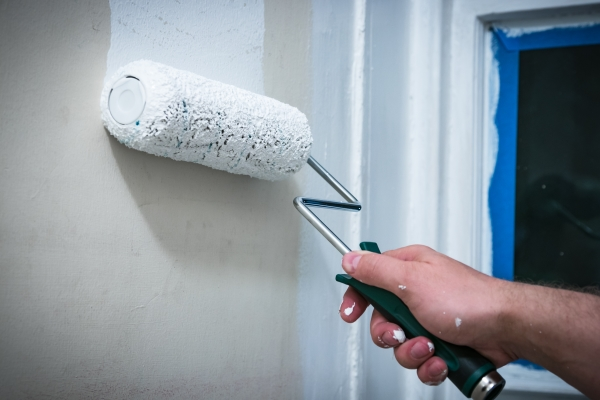
Common mistakes, fixes, and pro tips
Avoid these traps that lead to extra coats.
Mistakes and fixes:
- Using the wrong primer type: Pick stain-blockers for stains, bonding primers for glossy surfaces.
- Rushing dry times: Let primer cure per label before recoat or sanding.
- Skipping spot-priming: Treat problem areas first to avoid full extra coats.
- Not tinting primer: Tint toward the finish color for easier hide on drastic color changes.
- Thick, heavy coats: Apply even, moderate coats. Two thin coats beat one thick one.
Pro tips:
- Back-roll ceilings for even texture and hide.
- Use shellac just on bleed-through spots to limit odor and cost.
- On deep colors, a gray-tinted primer often hides better than white.
These habits often turn the question Is 3 coats of primer too much? into a confident no.

Time, cost, and drying best practices
Three coats increase cost and time fast. Plan smart.
- Material use: A gallon of primer covers about 300–400 sq ft per coat. Three coats can triple material.
- Labor: Each coat adds setup, rolling, drying, and cleanup time.
- Drying: Many primers recoat in 1–4 hours, but high humidity and cold slow that down. Thicker films dry slower and can trap moisture.
Follow the label on your product. When your tests say you have adhesion, stain blocking, and hide, the answer to Is 3 coats of primer too much? is yes—start painting.

Frequently Asked Questions of Is 3 coats of primer too much?
Do I need 3 coats of primer on wood trim?
Usually no. One coat of bonding or stain-blocking primer, plus a second if tannins bleed, is enough.
Is 3 coats of primer too much for covering red paint?
Often yes. Use a high-hiding or gray-tinted primer. Two coats usually handle strong red.
Can too many primer coats cause peeling?
Yes. Stacking wet coats without proper dry time can trap solvents and weaken adhesion.
Is it better to do 3 thin coats or 2 proper coats?
Two even coats with correct dry time are better than three rushed, thin coats.
Should I use shellac primer for water stains?
Yes for spot-priming. One to two passes over the stain often block it; a full third coat is rare.
Is 3 coats of primer too much on new drywall?
Yes in most cases. One PVA or acrylic coat, sometimes two, is enough when applied well.
Will tinting the primer reduce the need for 3 coats?
Yes. Tinting toward the finish color improves hide and often cuts a full coat.
Conclusion
Most projects need one to two primer coats. Three coats are only worth it when stain blocking, odor control, or extreme color change demand more. Test for hide, stains, and adhesion, and let results—not guesswork—guide you.
Use the steps here on your next job and decide with confidence. If this helped, share it with a DIY friend, subscribe for more pro tips, or drop your project details in the comments so I can help you plan the perfect finish.
Related posts:
 Does More Coats of Paint Make It Stronger? – When Extra Coats Help (and When They Don’t)
 Can You Paint Over Gloss Paint With Emulsion?-Prep, Priming & The Right Way to Do It
 Will Multiple Coats Of Primer Hide Imperfections?– What Painters Recommend
 Can I Use Acetone Instead of PVC Primer?– Risks, Results & Proper Method