Is Bad Smelling Paint Dangerous?
Have you ever opened a can of paint, and the smell hit you so hard you had to step back? You might wonder if that strong, bad smell is more than just unpleasant—could it actually be dangerous? Many people worry about paint fumes, especially when painting indoors or around children. I’ve faced this myself, painting my living room and feeling dizzy after just a few hours. So, let’s dig into the real facts about bad smelling paint, why it smells that way, and whether you should be concerned about your health.
Is Bad Smelling Paint Dangerous? (direct Answer)
Bad smelling paint can be dangerous, especially if the odor comes from volatile organic compounds (VOCs) or harmful chemicals released into the air. Exposure to these fumes may cause headaches, dizziness, breathing problems, and even long-term effects if inhaled often. Some paints, especially oil-based types, release more VOCs than others. When the paint smells extra strong or rotten, it might signal even higher risk or that the paint has spoiled. Always take strong paint smells seriously—ventilate your space and avoid breathing in fumes.
Why Does Paint Smell Bad?
Paint smells bad mainly because of chemicals inside it. The most common reason for the strong odor is VOCs, which are chemicals that evaporate easily and mix with the air. When you open a can or start painting, these chemicals escape and create that familiar paint smell.
Sometimes, paint smells even worse—like rotten eggs or sour milk. This usually means the paint has gone bad or contains bacterial growth. Old paint, especially water-based types, can spoil if stored incorrectly.
Common Reasons For Bad Paint Smell:
- High VOCs: Traditional paints, especially oil-based, have high levels of VOCs.
- Spoiled Paint: Paint that’s been stored for years or in humid places may develop a foul, rotten smell.
- Contaminated Paint: Bacteria can grow in paint, especially if water has gotten inside.
- Additives: Some paints use extra chemicals for color or protection, which can cause sharp odors.
Best Respirator for Paint Fumes: These 5 Respirators Are the Only Ones That Work
What Are Vocs And Why Should You Care?
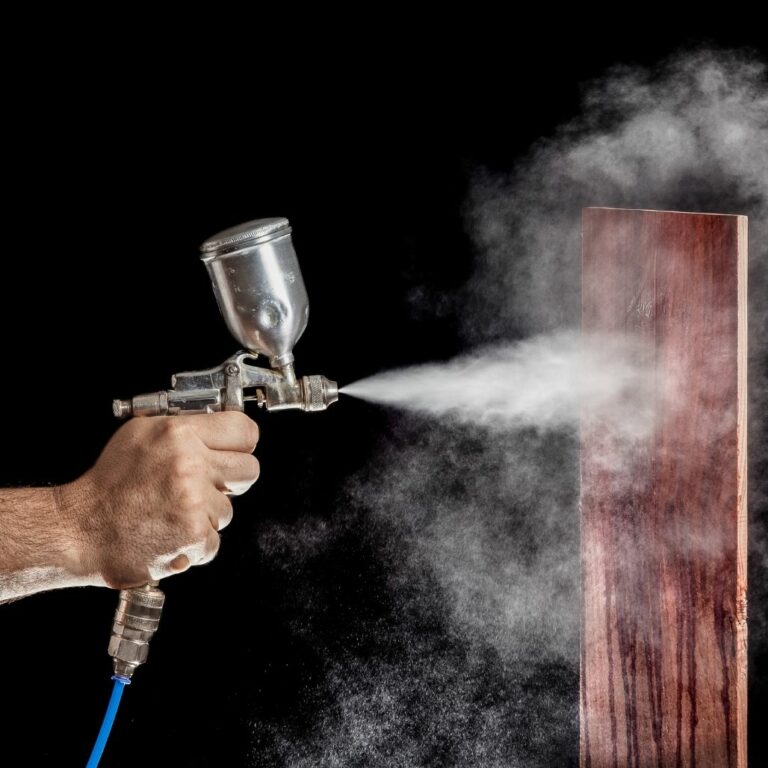
VOCs are chemicals that evaporate at room temperature. They’re in many household products, but paint is a big source. Some common VOCs in paint are formaldehyde, benzene, and toluene.
When you breathe in VOCs, you might feel dizzy, nauseous, or get a headache. Long-term exposure can be much worse, linked to asthma, allergies, and even cancer in rare cases. VOCs are why some paints are labeled “low VOC” or “no VOC”—those are safer choices.
Voc Levels In Paint Types
Here’s a quick comparison of VOC levels in different paint types:
| Paint Type | VOC Level (grams/liter) | Typical Smell |
|---|---|---|
| Oil-Based | 350-450 | Strong, sharp |
| Standard Latex | 50-150 | Mild, sweet |
| Low-VOC Latex | 0-50 | Light, barely noticeable |
| Spoiled Paint | N/A | Rotten, sour |
Non-obvious insight: Even “low-VOC” paints can have a smell, especially right after painting, but it fades much faster and is less dangerous.
Health Effects Of Bad Smelling Paint
Breathing paint fumes isn’t just uncomfortable—it can cause real health problems. The effect depends on how much you breathe in, how long you’re exposed, and whether you have health issues like asthma.
Short-term Health Effects
- Headache
- Dizziness
- Nausea
- Eye, nose, or throat irritation
- Trouble breathing
These effects can show up in minutes, especially in rooms with poor ventilation. I remember painting a bedroom with closed windows—after an hour, my eyes were burning and I felt sick.
Long-term Health Risks
Over time, repeated exposure to VOCs and paint fumes can increase risks:
- Respiratory illnesses
- Allergies
- Lung damage
- Nervous system problems
- Cancer (with high exposure to certain chemicals)
Children, pregnant women, and the elderly are more sensitive. One study found that children exposed to VOCs had higher rates of asthma and allergies (Environmental Health Perspectives).
5 Best Air Purifier For Chemical Fumes: These Air Purifiers Are Your Best Defense
When To Worry
If the paint smell is very strong, rotten, or makes you feel sick, leave the area and ventilate immediately. Persistent symptoms, like coughing or headaches, mean you should seek medical advice.
Non-obvious insight: Some paints continue releasing VOCs for weeks, not just during painting. If you smell paint days later, it’s still releasing chemicals.

How To Tell If Paint Is Dangerous
Not all paint smells are equally risky. Here’s how to check if your paint is dangerous:
- Type of Paint: Oil-based paints are usually riskier.
- Age of Paint: Paint older than 2 years may be spoiled.
- Storage: Paint stored in damp places can develop bacteria.
- Label: Check for “low VOC” or “no VOC” marks.
- Smell Quality: Rotten, sour, or sharp smells mean danger.
Signs Your Paint Has Gone Bad
- Rotten egg or sour milk smell
- Thick, chunky texture
- Visible mold or separation
- Doesn’t mix well
Spoiled paint is not just unpleasant—it can be toxic. Never use paint with these signs.
Ways To Reduce Exposure To Bad Paint Smell
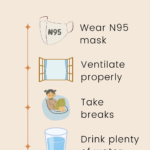
Minimizing exposure is easier than you think. Here’s what I do every time I paint:
- Ventilate: Open windows, use fans, and keep air moving.
- Use Low-VOC Paints: These have fewer chemicals and smell less.
- Avoid Painting in Humid or Hot Weather: High temperatures make VOCs evaporate faster.
- Store Paint Properly: Keep paint in a cool, dry place. Seal cans tightly.
- Wear Masks: A simple mask can block most fumes.
- Take Breaks: Don’t stay in freshly painted rooms for long.
Ventilation Comparison
Let’s compare common ventilation methods for controlling paint smell:
| Method | Effectiveness | Setup Difficulty |
|---|---|---|
| Open Windows | Medium | Easy |
| Box Fan in Window | High | Moderate |
| Air Purifier (HEPA) | Medium | Moderate |
| Exhaust Fan | High | Hard (needs installation) |
Experience-based tip: I always place a box fan facing out the window. It pulls the fumes outside and clears the smell much faster.
What Happens If You Ignore Bad Paint Smell?
Ignoring bad paint smell can have real consequences. You might think the smell will go away, but the chemicals can linger and cause health problems. For example, a friend painted his basement and left windows closed for days. The smell stayed, and he developed a cough that lasted weeks.
Risks Of Ignoring Paint Smell
- Continued exposure to VOCs
- Damage to furniture and fabrics
- Mold growth if paint is spoiled
- Permanent stains or odors
Some paints, especially spoiled ones, can even damage surfaces and leave a lasting odor. If you notice a smell days after painting, clean up and ventilate again.
Non-obvious insight: Paint smell can stick to curtains, carpets, and cushions, making your home smell bad for weeks.
Safe Alternatives To Traditional Paint
If you want to avoid bad smelling paint, there are safer options. These paints use fewer chemicals and are friendlier for indoor use.
- Low-VOC or No-VOC Paints: Most big brands now offer these. They cost a bit more but are much safer.
- Natural Paints: Made from clay, milk protein, or plant oils. These have almost no smell.
- Water-Based Paints: Generally safer than oil-based.
Paint Type Safety Comparison
| Paint Type | Smell Strength | Safety Level |
|---|---|---|
| Oil-Based | Strong | Low |
| Standard Latex | Mild | Medium |
| Low-VOC Latex | Light | High |
| Natural Paint | Very Light | Very High |
Friendly mentor tip: Try natural paints for bedrooms or children’s rooms. The smell is barely noticeable, and the air feels fresher.
When To Seek Medical Help
Sometimes, paint fumes cause more than discomfort. If you feel chest pain, severe dizziness, trouble breathing, or confusion, get medical help quickly. These could be signs of serious poisoning. For minor symptoms, fresh air and rest usually help, but don’t ignore ongoing problems.
Straight-to-the-point advice: If symptoms last more than a day or get worse, see a doctor.
How To Dispose Of Bad Smelling Paint
Don’t just pour old or spoiled paint down the drain—it’s harmful for the environment. Most cities have special places for paint disposal. Check local rules, or ask your hardware store.
Safe Disposal Steps
- Seal the Can: Close tightly.
- Label as Hazardous: Mark spoiled paint clearly.
- Take to Disposal Center: Find the nearest facility.
- Never Mix with Trash: Paint can contaminate soil and water.
For more detailed info, visit EPA Safer Choice.
Frequently Asked Questions
What Makes Paint Smell So Bad?
Paint smells bad because of VOCs and other chemicals. Some paints also spoil if stored wrong, causing rotten odors. Strong smells mean more chemicals in the air.
Can Bad Smelling Paint Make You Sick?
Yes, strong paint fumes can cause headaches, nausea, and breathing issues. Long-term exposure is even riskier, especially for children or people with asthma.
How Do I Know If Paint Is Spoiled?
Spoiled paint usually smells like rotten eggs or sour milk. It might look chunky or separated. If it doesn’t mix well or has mold, don’t use it.
Are Low-voc Paints Completely Safe?
Low-VOC paints are much safer but not completely risk-free. There may still be a light smell, but health risks are much lower. Always ventilate and avoid inhaling fumes.
How Long Does Paint Smell Last?
Paint smell can last from a few hours to several days. Oil-based paints linger longer. Good ventilation and using low-VOC paints help clear the smell faster.
—
Paint is part of nearly every home project, but the smell isn’t just annoying—it can signal real danger. Take paint odors seriously, especially if they’re strong or rotten. Choose safer paints, ventilate your space, and never ignore signs of spoiled paint.
Your health—and your family’s—comes first. If you ever feel sick from paint fumes, step outside and get fresh air. A little caution goes a long way to keeping your home safe and comfortable.