Is Rust-Oleum oil based? Many Rust-Oleum paints are oil-based, especially their protective enamel products designed for metal, wood, and outdoor surfaces. These oil-based formulas provide strong durability, rust protection, and a smooth finish. However, the brand also offers water-based and specialty paints, so it’s always best to check the product label to confirm the formula before use.
Popular Rust-Oleum Products on The Market
If you are looking for specific types of Rust-Oleum on Amazon, here is how the most common lines break down:
Product Line Base Type Best Used For… Stops Rust Protective Enamel Oil-Based Outdoor metal, rusty patio furniture, and heavy machinery. Painter’s Touch 2X Ultra Cover Oil-Based Most general-purpose spray painting on wood, metal, and plastic. Universal All Surface Spray Oil-Based Luxury finishes and diverse materials like concrete or laminate. Chalked Ultra Matte Paint Water-Based Interior furniture flipping and decorative “shabby chic” decor. Varathane Polyurethane (Water) Water-Based Indoor wood trim or crafts where you want a clear, non-yellowing coat.
You came here asking, is rust oleum oil based. You are not alone. I work with Rust-Oleum on metal, wood, and concrete. I know the labels, the resins, and the real-world tricks. In this guide, I explain what “oil-based” means, which lines are oil or water based, how to tell at a glance, and when to use each. If you want a clear answer to is rust oleum oil based, keep reading. You will leave ready to pick the right can and get a pro finish.
What “oil-based” means with Rust-Oleum
Oil-based usually means an alkyd resin in a solvent. The solvent can be mineral spirits, xylene, acetone, or naphtha. This type of paint levels well, cures hard, and resists wear. It also blocks moisture and slows rust.
Water-based coatings use water as the carrier. They can be acrylic, latex, or hybrid. They dry fast, smell less, and clean up with soap and water.
When people ask, is rust oleum oil based, they often mean the classic Stops Rust enamel. That line is oil-based in most brush-on and many spray versions. Always check the label and the Safety Data Sheet for the exact resin and cleanup method.
Which Rust-Oleum products are oil-based vs water-based
Here is a practical map. Always confirm on the can, since lines can vary by color, sheen, and region.
- Usually oil-based
- Stops Rust Protective Enamel (many colors, brush-on and spray)
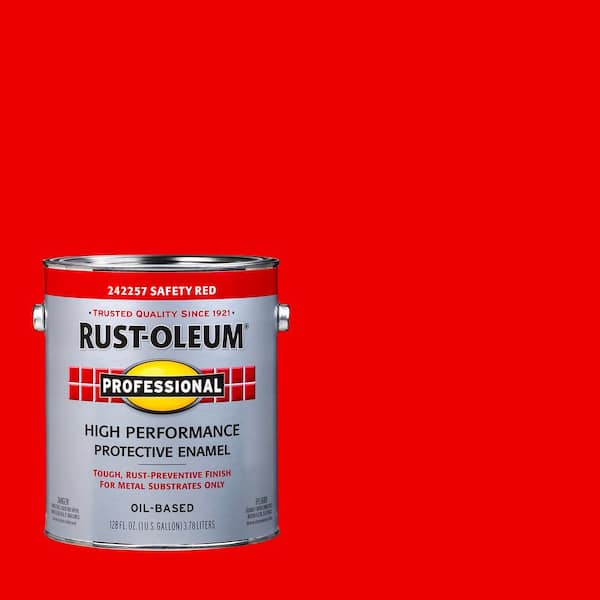
- Professional High Performance Protective Enamel
- Rusty Metal Primer and Clean Metal Primer (traditional versions)
- Universal spray line (most are solvent-based enamels)
- Specialty Appliance Epoxy spray (solvent-based)
- Usually water-based
- Painter’s Touch Latex (brush-on)
- Zinsser Bulls Eye 1-2-3 Primer (water-based; a Rust-Oleum brand)
- Chalked Paint (latex-based chalk paint)
- Varathane Water-Based Polyurethane (Rust-Oleum brand)
- EpoxyShield Water-Based floor coatings and primers
- Universal Bonding Primer (water-based)
A quick way to decide is to check cleanup. If the label says clean with mineral spirits, it is oil-based. If it says soap and water, it is water-based. Many ask is rust oleum oil based and think all sprays are oil. Many sprays are solvent-based, but not all use an “oil” resin. Some are acrylic-modified. The cleanup line still tells the truth.
Zinsser vs Rust-Oleum Primer: Which One Actually Belongs in Your Paint Kit?
How to tell if your can is oil based
Look for these clues:
- Cleanup line. Mineral spirits or paint thinner means oil-based. Soap and water means water-based.
- Resin words. Alkyd, oil-modified, or enamel often means oil-based. Acrylic or latex points to water-based.
- VOC number. Oil-based coatings often have higher VOCs.
- SDS check. Section 3 lists solvents and resins. Mineral spirits and alkyds confirm oil-based.
- Odor and feel. Oil-based smells stronger and feels slicker while drying.
If your question is rust oleum oil based, this checklist gives a fast yes or no.
Quick answers to related searches
- Is Rust-Oleum spray paint oil based? Many are solvent-based enamels. Check the cleanup line and SDS to be sure.
- Can you use Rust-Oleum oil-based on plastic? With the right primer for plastic, yes. Test a small spot first.
- Does oil-based Rust-Oleum yellow? Light colors can yellow over time. Keep out of heat and low light to reduce it.
Pros and cons of Rust-Oleum oil-based coatings
Benefits
- Strong adhesion on metal and wood. Great for gates, rails, and tools.
- Smooth leveling. Brush strokes melt out well.
- Tough finish. Good for outdoor use and abrasion.
- Rust resistance. With the right primer, it shields bare steel.
Limitations
- Longer dry and cure times. Plan for 24 hours or more before recoating in many brush-on lines.
- Higher odor and VOCs. Need strong airflow and a proper respirator.
- Yellowing risk on whites and creams. Common with oil-rich resins.
- Temperature sensitivity. Cold slows dry. Humid air can haze the film.
People ask, is rust oleum oil based better. It depends on the job. Oil-based shines on metal and tough wear areas. Water-based wins for low odor, fast work, and indoor spaces.
Best uses and surfaces
Great matches for oil-based Rust-Oleum:
- Outdoor metal: railings, fences, patio sets, grills (exterior parts)
- Tools and equipment: mowers, trailers, farm gear
- Doors and trim that need a hard shell
- Marine topside enamel lines for above-water areas
Prep steps I use:
- Degrease with a solvent or strong cleaner. Rinse and dry.
- Remove loose rust and paint. Use a wire wheel or 120–220 grit.
- Spot prime bare steel with Rusty Metal Primer. Use Clean Metal Primer for new steel.
- Apply thin coats of oil-based enamel. Follow the recoat window on the can.
If you ask, is rust oleum oil based right for pressure-treated wood, be careful. Let new PT lumber dry for months. Then scuff sand and use a bonding primer for better hold.
Application tips from real jobs
I have painted dozens of metal railings and shop tools with oil-based Rust-Oleum. These habits save time and cut rework:
- Stir, do not shake. You avoid bubbles and keep the finish glassy.
- Work thin. Two or three light coats beat one heavy coat.
- Watch the recoat window. Many sprays say within 1 hour or after 48 hours.
- Control distance when spraying. About 10–12 inches is the sweet spot.
- Mind the weather. Ideal is 70°F, low humidity, and shade.
- Let it cure. It may feel dry but still be soft. Give it a few days before heavy use.
If your plan hinges on is rust oleum oil based, plan for smell and time. Good airflow makes a huge difference.
Zinsser Bulls Eye 1-2-3 Water-Based Primer– Best Primer for Stains & Adhesion
Compatibility and recoat rules
Mixing oil and water is where most fails happen.
- Water-based over oil-based: Yes, but only after full cure and a light sand. A bonding primer helps.
- Oil-based over water-based: Often fine once the base is cured and clean. Scuff sand first.
- Recoat windows: Many Rust-Oleum sprays want recoat within 1 hour or after 48 hours. Brush-on oils often say recoat after 24 hours. Read the label you have.
- Test spot: Always test on a hidden patch.
If you still wonder, is rust oleum oil based okay over latex, the answer is yes with prep. Clean, sand, and prime if needed.

Safety, ventilation, and cleanup
Oil-based coatings need care.
- Ventilation: Use fans and open windows. A respirator with organic vapor cartridges is smart.
- Flammability: Keep away from flame and sparks. Do not smoke near wet paint or solvents.
- Rag disposal: Oily rags can self-heat. Lay flat to dry outdoors or store in a sealed metal can with water.
- Skin and eye safety: Wear gloves and glasses.
- Cleanup: Use mineral spirits. Do not pour down drains.
Ask yourself, is rust oleum oil based safe inside. It can be, with airflow, PPE, and patience. For quick indoor jobs, water-based may be better.
Common mistakes to avoid
- Heavy coats that wrinkle or sag
- Skipping primer on bare or rusty metal
- Recoating in the wrong window and causing lifting
- Painting in cold, humid, or direct sun
- Poor prep: dirt, grease, and gloss kill adhesion
- Shaking the can (brush-on) instead of stirring
These traps lead many to ask later, is rust oleum oil based the problem. It is rarely the coating. It is the process.
My field notes and lessons learned
A few quick stories help. I painted a steel gate with Stops Rust oil-based enamel. First time, I rushed. I laid on a thick coat at dusk. It skinned, trapped solvent, and wrinkled. I stripped and redid it with two thin morning coats. It cured hard and still looks new years later.
I also tried water-based acrylic on a trailer tongue. It chipped fast. I switched to an oil-based enamel over a rust-converting primer. It took longer to cure but held up to the chain and road salt.
If your question is rust oleum oil based or water-based for outdoor metal, my pick is oil-based with the right primer. If odor and time matter, go water-based and accept more touch-ups.
Frequently Asked Questions of is rust oleum oil based
Is Rust-Oleum Stops Rust oil-based?
Yes, most Stops Rust Protective Enamel products are oil-based alkyds. Check your can for mineral spirits cleanup to confirm.
Is Rust-Oleum 2X spray oil based?
2X Ultra Cover spray is a solvent-based enamel, often acrylic-modified. It is not water-based and cleans up with mineral spirits when wet.
Can I put water-based paint over Rust-Oleum oil-based?
Yes, once fully cured and scuff sanded. A bonding primer helps ensure long-term adhesion.
Does oil-based Rust-Oleum yellow over time?
Light colors can yellow, especially in low light or heat. Use water-based for the whitest whites indoors.
How long does oil-based Rust-Oleum take to dry?
Most sprays are dry to touch in 20–60 minutes but need days to cure. Brush-on oils often need 24 hours before recoating.
Is Rust-Oleum oil-based safe for indoor use?
Yes, with good airflow and PPE. For low odor or fast turnarounds, choose a water-based line.
How can I tell if my Rust-Oleum is oil-based?
Look for mineral spirits cleanup, alkyd on the label, and higher VOCs. The SDS confirms resin and solvent.
Conclusion
Now you know the real answer to is rust oleum oil based. Many Rust-Oleum lines are oil-based, but they also offer strong water-based options. Pick by surface, location, and schedule. Oil-based gives great leveling and durability. Water-based wins for speed and low odor.
Choose your formula, prep well, and follow the recoat window. You will get a clean, tough finish that lasts. Want more tips like this? Subscribe, share your project in the comments, or ask a follow-up question.