
Yes, Rust-Oleum spray paint comes in both oil-based and water-based formulas. The oil-based version is designed for durable, long-lasting protection on metal, wood, and other surfaces, providing a smooth, glossy finish that resists chipping and rust. Always check the label to confirm if the specific Rust-Oleum spray you have is oil-based.
Top-Rated Rust-Oleum Products on Amazon
If you are looking for their popular oil-based (solvent-borne) options, here are the most common ones you will find on Amazon:
Product Series Base Type Best For… Rust-Oleum Stops Rust Oil-Based (Enamel) The classic choice for rust prevention on metal; provides a durable, weather-resistant finish. Painter’s Touch 2X Solvent-Borne (Alkyd/Acrylic) High-coverage formula perfect for general DIY projects on wood, metal, and plastic. Automotive Enamel Oil-Based (Enamel) Specially formulated for automotive parts; resists chipping and chemicals.
Most Rust-Oleum spray paints are oil-based enamels; some use lacquer or acrylic.
If you have ever wondered is rust oleum spray paint oil based, you are in the right place. I work with these coatings in shops and on job sites. In this guide, I explain what “oil-based” means, how to tell what you have, and where each type shines. By the end, you will know exactly when to use it, what to avoid, and how to get a strong, smooth finish that lasts.
What “oil-based” means in Rust-Oleum spray paint
Oil-based spray paint uses solvent-borne resins, often alkyd or acrylic-modified enamel, that cure by solvent evaporation and oxidation. This makes a hard, durable film that resists wear and moisture. It also bonds well to metal and many primed surfaces.
Many people ask, is rust oleum spray paint oil based? For most core lines, yes. Some specialty lines are lacquer or acrylic enamel, which are still solvent-based, not water-based. Your can’s label, technical data sheet, or safety data sheet will confirm the resin type and cleanup method.
Top 5 Best Rust Oleum Paint: – Expert‑Approved for Rust Protection & Durability
Is Rust-Oleum spray paint oil based by product line? A quick guide
Below is a practical, shop-tested view of popular lines. Always check your exact can.
- Stops Rust Protective Enamel: Typically oil-based alkyd enamel. Great for metal, railings, and outdoor items.
- Professional High-Performance Enamel: Oil-based enamel with higher solids. Good for job sites and equipment.
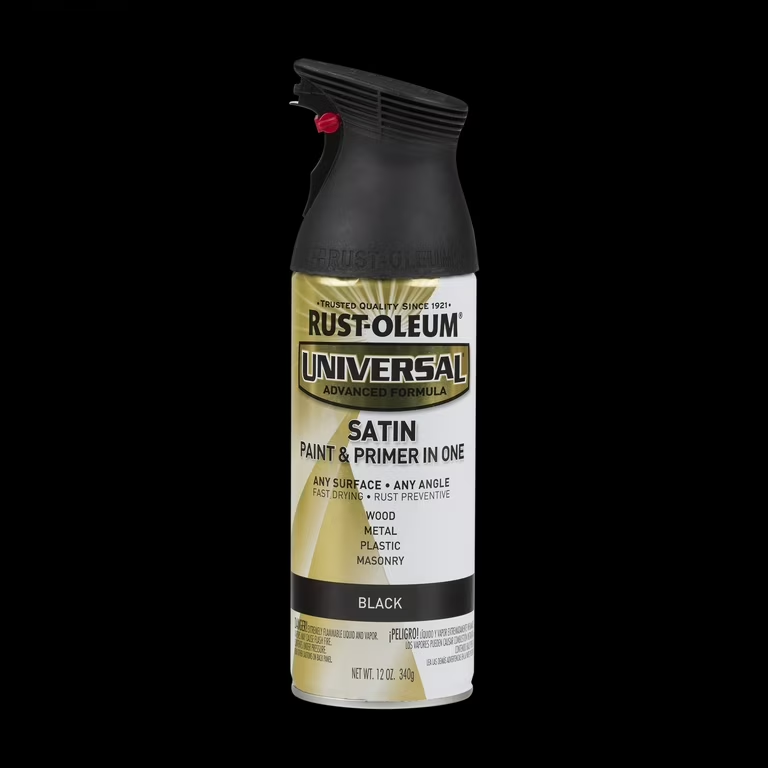
- Universal All Surface: Solvent-borne enamel system designed for many substrates. Often behaves like oil-based.
- Painter’s Touch 2X Ultra Cover (spray): Enamel resin in a solvent system. Cleans up with mineral spirits when wet.
- Specialty Chalked Spray: Solvent-borne chalky finish. Not water-based in spray form.
- Automotive Enamel and Wheel lines: Acrylic enamel, solvent-based. Not water-based.
- Specialty Lacquer Spray: True lacquer. Fast dry, hot solvent, not oil-based.
- High Heat: Solvent-based high temperature resin. Follow the product’s heat-cure steps.
If your question is is rust oleum spray paint oil based, this quick map shows that most everyday sprays are oil-based enamels. Lacquer and specialty products are the main outliers.
How to tell if your can is oil-based, lacquer, or water-based
You do not need a lab. Use these fast checks I use in the field.
- Read cleanup on the can: Mineral spirits, acetone, or xylene hints oil-based or lacquer. Soap and water hints water-based.
- Look for resin words: Enamel or alkyd often signals oil-based. Lacquer is clearly labeled.
- Check recoat time: “Within 1 hour or after 48 hours” is a common oil-based enamel rule.
- Review SDS/TDS: Lists solvents and resins. If you see acetone, toluene, or xylene, it is solvent-borne.
- Smell and flash: Lacquer flashes very fast and feels “hot.” Oil-based flashes slower and levels more.
People often ask is rust oleum spray paint oil based because labels can be crowded. These checks make it simple in under a minute.
Pros and cons of oil-based Rust-Oleum sprays
Oil-based sprays are workhorses. Here is why I use them and where I pause.
- Strengths
- Strong adhesion to metal and many primers.
- Durable, glossy film with good leveling.
- Good rust resistance when paired with the right primer.
- Wider temperature window than many water-based sprays.
- Limits
- Higher odor and VOCs; needs strong ventilation.
- Longer cure time; can take days to reach full hardness.
- Can yellow slightly in low light, especially whites and creams.
- Sensitive to recoat timing; follow the 1-hour or 48-hour rule.
So, is rust oleum spray paint oil based the best choice every time? For metal and outdoor gear, often yes. For low-odor indoor crafts, there may be better options.
When to choose oil-based vs water-based vs lacquer
Pick by surface, speed, and environment. This is how I decide on site.
- Metal railings, grills, gates: Oil-based enamel. Pair with a rust-inhibiting primer.
- Outdoor furniture, patio items: Oil-based enamel for weather and moisture.
- Cabinets, trim, décor inside: Water-based (if available in your product family) for low odor, or oil-based if you can ventilate well.
- Plastics: Universal or dedicated plastic primer plus oil-based enamel. Scuff first.
- Fast-dry shop parts: Lacquer for speed and easy sanding, but avoid over soft enamels.
- High heat parts: Specialty high-heat coatings only.
Your key question, is rust oleum spray paint oil based, guides the pick. If fumes and cure time are a concern, look for water-based or low-odor lines. If toughness and rust defense matter most, oil-based often wins.
KILZ 3 Premium Exterior Vs Zinsser 1-2-3 Exterior– Which Primer Performs Better?
Surface prep, priming, and compatibility rules
Great results are 80% prep. This is my simple checklist.
- Clean: Degrease with a proper cleaner. Rinse and dry.
- Scuff sand: 180–320 grit for bite. Wipe dust.
- Prime: Bare steel needs a rust-inhibiting primer. Aluminum and galvanized need the right etch or bonding primer.
- Test spot: Always. Some old coatings lift under strong solvents.
- Recoat timing: For oil-based enamel, recoat within 1 hour or wait 48 hours. This prevents wrinkling.
- Layering rule of thumb: Do not spray lacquer over fresh enamel. Enamel over cured lacquer is usually fine after a scuff.
One more time, is rust oleum spray paint oil based? If yes, respect the recoat window. That one step saves projects from wrinkles and lifting.
Application and curing: pro tips from the shop
I have learned these lessons the hard way, so you do not have to.
- Shake more than you think: One full minute after the ball rattles, then 10 seconds every minute.
- Warm the can: Set it in warm water for 5 minutes in cool weather. It helps atomization.
- Light coats: Keep the can 10–16 inches away. Three light passes beat one heavy pass.
- Watch the overlap: Aim for 50% overlap for an even film.
- Control climate: 50–90°F and low humidity makes all the difference.
- Let it cure: Dry to touch is not cured. Oil-based can need 24–72 hours before handling and up to 7 days to reach full hardness.
Wondering is rust oleum spray paint oil based before you start helps set your pace. Oil-based lays down smooth if you go slow and light.
Safety, ventilation, and VOC facts
Oil-based and lacquer sprays use strong solvents. Treat them with respect.
- Ventilate: Work outside or in a spray area with strong airflow.
- Respirator: Use an organic vapor respirator for extended work.
- Gloves and eye protection: Prevent skin and eye exposure.
- No flames: Keep away from sparks and pilot lights.
- Disposal: Follow local rules. Do not dump solvents.
Ask yourself is rust oleum spray paint oil based before you plan safety. Oil-based needs better airflow and PPE than water-based options.

Frequently Asked Questions of is rust oleum spray paint oil based
Is Rust-Oleum spray paint oil based or water based?
Most core Rust-Oleum spray paints are oil-based enamels. There are also lacquer and acrylic enamel options, and limited water-based aerosols in specific lines.
How can I tell if my Rust-Oleum can is oil-based?
Check cleanup and resin terms on the label. If it lists mineral spirits or acetone for cleanup and says enamel or alkyd, it is oil-based.
Can I put water-based paint over oil-based Rust-Oleum spray?
Yes, but first scuff and use a bonding primer made for oil-to-water transitions. Without a bonding primer, adhesion can fail.
What happens if I recoat oil-based enamel too late?
If you miss the 1-hour window, wait 48 hours or more. Recoating too soon in the soft-cure stage can cause wrinkling or lifting.
Is lacquer the same as oil-based enamel?
No. Lacquer dries much faster and uses hotter solvents. Do not spray lacquer over fresh enamel because it can wrinkle the base.
Does oil-based Rust-Oleum yellow over time?
Light colors can yellow in low light or enclosed spaces. Good ventilation and exposure to light can reduce the effect.
Can I use oil-based Rust-Oleum on plastic?
Yes, with the right prep. Scuff the surface and use a plastic primer or an “all surface” line designed to bond to plastics.
Is Rust-Oleum 2X Ultra Cover spray oil-based?
It is an enamel in a solvent-borne system. Always confirm with the product’s data sheet or label for your exact SKU.
Conclusion
Most of the time, when you ask is rust oleum spray paint oil based, the answer is yes for the big everyday lines. Oil-based enamel gives strong adhesion, a tough film, and real rust defense, as long as you prep well and respect the recoat window. If odor or fast turnaround matters more, look to water-based or lacquer options designed for that need.
Use this guide to pick the right product, plan your prep, and nail your finish on the first try. Ready to level up your next project? Share your questions in the comments, and subscribe for more hands-on paint tips and gear-tested advice.
Related posts:
 How Long For Rust Oleum Spray Paint To Dry– Avoid Smudges & Uneven Finish
 Top 5 Best Rust Oleum Paint: – Expert‑Approved for Rust Protection & Durability
 Can You Use Oil Based Paint Over Water Based Primer?– Rules, Mistakes to Avoid
 Can You Use Rust-Oleum Paint on Wood? – When It’s a Great Choice (and When It’s Not)