
Most Rust-Oleum spray paints are solvent-based oil/alkyd formulas, not water-based.
If you came here asking, is rustoleum spray paint solvent based, you want a clear, expert answer. I’ve sprayed, tested, and repaired hundreds of jobs with Rust-Oleum. In this guide, I explain what solvent-based really means, how Rust-Oleum lines differ, how to read a can or SDS, and when to choose water-based alternatives. Stick around to learn how to get pro-grade results while staying safe and compliant.
What “solvent-based” actually means
Solvent-based paint uses organic solvents to carry the resin and pigments. The solvent flashes off as the paint dries. The binder then cures into a hard film.
In spray paint, the solvent often includes acetone, toluene, xylene, or mineral spirits. These blends dry fast, level well, and bite into surfaces. They also carry strong odor and need good ventilation.
Solvent-based coatings are often called oil-based, alkyd, or solvent-borne. They are common in aerosols because they atomize well and cure hard.
So, is Rust-Oleum spray paint solvent based?
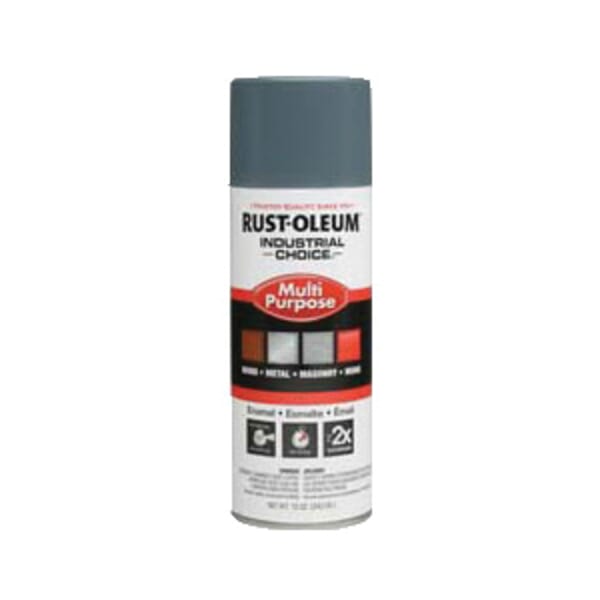
Yes, in most cases. The bulk of Rust-Oleum aerosol paints are solvent-based. That includes popular lines like Stops Rust, Painter’s Touch 2X, Universal, and Professional.
You will see solvents such as acetone listed first on many Safety Data Sheets. That is a strong sign the paint is solvent-based. A few specialty aerosols in the wider Rust-Oleum family can be water-based, but they are the exception.
When people ask, is rustoleum spray paint solvent based, they are usually holding a standard aerosol. For those cans, the practical answer is yes.
Common Rust-Oleum spray lines: solvent vs. water-based
Most standard-use Rust-Oleum sprays are solvent-based. They use alkyd or acrylic resins with fast-evaporating solvents. These cure hard and resist wear.
A small number of primers in the larger Rust-Oleum portfolio are water-based. Some are sold under sister brands. Those are aimed at low odor and easy cleanup.
To check your exact can:
- Look for solvent names like acetone, toluene, xylene, or naphtha.
- Check cleanup directions. If it says mineral spirits, it is solvent-based.
- Scan the hazard icons. Flammable symbols often mean solvent-based.
- Read the SDS. The first ingredients tell the story fast.
If your search is, is rustoleum spray paint solvent based, assume yes unless the label says water-based.
Why use solvent-based Rust-Oleum sprays
Solvent-based aerosols deliver strong performance for tough jobs. They stick to metal, wood, and plastic when prepped right. They resist rust and weather.
Key benefits:
- Great adhesion on tricky surfaces after scuff and prime.
- Fast dry-to-touch and fast recoat windows.
- Durable film with good scratch and chip resistance.
- Smooth finish with strong leveling, even for DIY users.
Key trade-offs:
- Odor and fumes. You must ventilate well.
- Flammable propellants and solvents. Watch sparks and heat.
- Cleanup needs mineral spirits or similar.
- VOC and compliance rules vary by region.
If you wonder, is rustoleum spray paint solvent based, weigh these pros and cons. The choice depends on your space, timeline, and safety setup.
How to tell from the can or SDS in 30 seconds
You do not need to guess. The label and SDS tell you fast. Here is my quick scan method on any Rust-Oleum spray.
Do this:
- Read the first three ingredients. Acetone, toluene, xylene, or naphtha means solvent-based.
- Check cleanup. Mineral spirits or lacquer thinner = solvent-based. Soap and water = water-based.
- Look for “alkyd” or “oil-based” on the technical data.
- Note the warnings. “Extremely flammable” and strong odor hints at solvent carriers.
If your main question is, is rustoleum spray paint solvent based, this 30-second check gives you a sure answer.
Safety, ventilation, and best practices for solvent-based sprays
Good results start with safety. Solvent vapors build fast in small rooms. Plan your space and your PPE.
Use these steps:
- Spray outdoors or in a well-vented garage with fans and cross-breeze.
- Wear a respirator rated for organic vapors. Add P100 filters for particles.
- Avoid sparks, open flames, and smoking. Solvents and propellants can ignite.
- Check temperature and humidity. Aim for 50–90°F and low humidity.
- Shake the can well. Test on scrap to set distance and speed.
- Apply light, even coats. Start and end each pass off the work.
- Respect recoat windows. Some lines need recoat within 1 hour or after 48 hours.
People ask, is rustoleum spray paint solvent based, often due to odor or headaches. That is a signal to ventilate, upgrade PPE, or choose water-based options.
Real-world tips from the field
I have used Rust-Oleum 2X on patio furniture and steel brackets. The finish held up well for years. It resisted chips and sun fade with a proper primer.
What worked:
- A thorough degrease with a mild cleaner, then a final wipe with mineral spirits.
- A self-etching or clean metal primer on bare steel.
- Several light passes to prevent runs and orange peel.
- Warm can, warm part, and dry air for a smooth gloss.
Lessons learned:
- Do not rush recoat. Follow the label window. Ignoring it can cause wrinkling.
- Do a test patch on plastics. Use a plastic primer if needed.
- Store extra cans nozzle-down for a second. Then clear the tip with a burst.
If you still wonder, is rustoleum spray paint solvent based, try one can outdoors. You will know from the odor, flash-off speed, and cleanup needs.
When to choose water-based aerosols instead
Water-based sprays have come a long way. They cut odor and ease cleanup. They still dry fast and can be tough enough for indoor projects.
Pick water-based when:
- You work indoors with limited airflow.
- You need low odor and lower flammability.
- You want soap-and-water cleanup and fewer solvent rags.
Pick solvent-based when:
- You need max adhesion and durability on metal or exterior items.
- You face cool weather and need faster flash.
- You want that classic hard enamel feel and gloss.
Your question, is rustoleum spray paint solvent based, points to a choice. Match the paint chemistry to the job and the space.
Frequently Asked Questions of is rustoleum spray paint solvent based
Is Rust-Oleum spray paint solvent-based or water-based?
Most Rust-Oleum spray paints are solvent-based. A few specialty aerosols in the broader brand family are water-based, but they are less common.
How can I confirm if my can is solvent-based?
Read the ingredients and cleanup section. If you see acetone, toluene, or mineral spirits cleanup, it is solvent-based.
Are solvent-based sprays more durable than water-based?
Often yes, especially on metals and outdoor items. They tend to cure harder and resist chips and rust.
What respirator should I use with solvent-based spray paint?
Use a respirator rated for organic vapors. Add P100 prefilters if you want particle protection too.
Can I spray solvent-based Rust-Oleum indoors?
Only with strong ventilation and proper PPE. If airflow is poor, switch to a water-based aerosol or brush-on water-based paint.
How do I clean up after solvent-based Rust-Oleum?
Use mineral spirits for tools and drips if the paint is still wet. Once cured, mechanical removal is usually needed.
Will solvent-based Rust-Oleum stick to plastic?
Sometimes, but prep is key. Use a plastic primer or a product rated for plastics for best adhesion.
Is rustoleum spray paint solvent based in low-VOC states?
Most standard aerosols remain solvent-based, though formulas may shift to compliant solvents. Always check the local version’s SDS.
Does solvent-based paint dry faster than water-based?
It often flashes off faster in cool or damp air. True cure can still take 24–48 hours, depending on film build.
Is rustoleum spray paint solvent based if it says “oil-based”?
Yes. Oil-based or alkyd on the label signals a solvent-based system.
Conclusion
Most Rust-Oleum spray paints are solvent-based, which explains their fast flash, strong adhesion, and hard, durable finish. That same chemistry brings odor, flammability, and specific safety needs. When you ask, is rustoleum spray paint solvent based, think about your space, PPE, and the surface you want to protect.
Match the paint to the job, prep well, and respect the recoat windows. You will get a pro-looking finish that lasts. Want more tips? Explore our other guides, subscribe for updates, or drop your questions in the comments.
Related posts:
 Is Rust Oleum Oil Based– The Truth About Rust-Oleum Paint Types
 Is Rust Oleum Spray Paint Oil Based? – Best Uses and Alternatives
 Do You Have to Paint Over Zinsser Mold Killing Primer?– The Truth and Best Practices
 Is Rust Oleum Spray Paint Waterproof? – Water Resistance, Outdoors & Best Uses Explained