
Yes. Most solvent-based paints are flammable because their vapors ignite at low temperatures.
If you have ever asked is solvent based paint flammable, you are not alone. I have spent years in coatings and jobsite safety, and I have seen what happens when people overlook the fire risk. This guide explains what makes these paints catch fire, how to store and use them, and how to stay safe. If you work with solvent coatings, or you are a DIYer, this is for you.
What Does Flammable Mean For Paint?
Flammable is about how fast a liquid’s vapors can ignite. The key term is flash point. That is the lowest temperature where a liquid makes enough vapor to burn.
Here is a simple rule. If a liquid’s flash point is below 100°F, it is flammable. If it is 100–199°F, it is combustible. Many solvent-based paints have flash points that fall in these ranges. That is why they need care.
So, is solvent based paint flammable? Yes, many types are. Some are even highly flammable, like spray lacquers with acetone or toluene. Others are “combustible,” like alkyds with mineral spirits. The label and the Safety Data Sheet (SDS) will tell you.
When people ask is solvent based paint flammable, they often think only of the liquid. The bigger risk is the vapor. These vapors can spread, reach a flame, and flash back to the can.
Best Paint Thinner: Top 5 Paint Thinners That Make Any Paint Flow Like Butter
What Is In Solvent-Based Paint?
Solvent-based paint is a mix of resins, pigments, and solvents. The solvent keeps the paint fluid. It then evaporates as the film dries.
Common parts include:
- Resins such as alkyd, polyurethane, epoxy, or acrylic resin. These form the hard film.
- Solvents such as mineral spirits, naphtha, xylene, toluene, MEK, or acetone. These control flow and dry time.
- Additives such as dryers, anti-skin agents, and adhesion aids. These fine-tune performance.
Another way to ask is solvent based paint flammable is to look at its solvents. Many of these solvents have low flash points. Some vapors are heavier than air. They pool near the floor and travel to ignition sources.
Why Solvent-Based Paints Ignite: The Science
Vapors mix with air. If the mix reaches the lower explosive limit, a small spark can light it. You may not see or smell danger at that point. But the mix can still be in the danger zone.
Typical paint solvents have these traits:
- Low flash points. Some are below room temperature.
- Heavier-than-air vapors. They sink and spread along floors and drains.
- Easy ignition. Even a tiny spark can light the mix.
Short answer to is solvent based paint flammable: the liquid may need a match, but the vapor needs only a spark. Spray painting adds a mist to the air. That makes ignition even easier.
Quick PAA-style Q&A inside the section
- Can the fumes ignite without a visible flame? Yes. Static, a relay click, or a hot surface can be enough. That is why ignition control matters so much.
- Is the can itself a risk? Yes, if the cap is off. Vapors can exit and find a flame. Keep lids tight.
Real-World Risks And My On-Site Lessons
Years ago, I inspected a shop after a near-miss. A worker sprayed an alkyd enamel near a gas water heater. He thought the distance was fine. Vapors reached the pilot light, and there was a whoosh. No one was hurt, but the scare was real.
That day settled the debate for him about is solvent based paint flammable. He now shuts down pilots, opens doors, and posts a fire watch. I do the same on my jobs. We treat these paints like fuel. We plan for the worst and hope for the best.
Safe Use: Ventilation, Ignition Control, PPE
Good airflow is your first defense. Remove vapors faster than they form. Pull fresh air in and exhaust dirty air out.
Follow these steps:
- Ventilation. Use cross-ventilation. Point fans so air moves out, not across the room. Use equipment rated for hazardous locations when needed.
- Ignition control. Turn off pilot lights. Kill space heaters. Do not switch lights on and off in the work zone. Keep sparks, smoking, and hot tools away.
- Static control. Ground and bond metal containers when you pour or thin paint.
- Housekeeping. Keep lids closed. Wipe spills. Do not let rags pile up.
- PPE. Wear organic vapor respirators, safety goggles, and nitrile gloves. Check the SDS for specifics.
If someone asks is solvent based paint flammable indoors, the safe rule is to act like it is. Plan your air changes. Control ignition. Measure vapor levels if the job is large.
Storage, Transport, And Fire Readiness
Store cans in cool, dry, well-ventilated spaces. Keep them away from heat and direct sun. A flammable storage cabinet is a smart move.
Key tips:
- Keep containers upright and tight. Use original labels.
- Separate from oxidizers and corrosives.
- Limit how much you store. Follow local fire code.
- Transport in your trunk or truck bed. Never near kids or pets.
For fires, use a Class B extinguisher. Dry chemical, CO2, or foam can work. Only fight small fires if you are trained. When in doubt, evacuate and call the fire department.
If you wonder is solvent based paint flammable enough to need special gear, the cabinet and the right extinguisher answer that. Yes. Prepare for a fire you hope to never meet.
Labels, SDS, And Standards You Should Read
Your best guide is the product label and the SDS. Look for:
- GHS flame pictogram and signal words such as Danger or Warning.
- Hazard lines like H225 Highly flammable liquid and vapor or H226 Flammable liquid and vapor.
- NFPA diamond. Flammability ratings often read 2, 3, or 4.
Standards from OSHA, NFPA, and similar bodies define terms and storage limits. They also guide ventilation and ignition control. If you ask is solvent based paint flammable, these documents explain the why and the how in clear terms.
Disposal, Spills, And Oily Rag Safety
Do not pour paint or solvent down drains. For small spills, use absorbents. Bag the waste and take it to a hazardous waste site.
Oily rags can self-heat and ignite. This is common with alkyds and drying oils. Put used rags in a metal can with water and a tight lid. Empty it often at a proper facility.
This is another place where people ask is solvent based paint flammable. The liquid is one risk. The leftover rags can be the bigger one. Treat all waste with care.
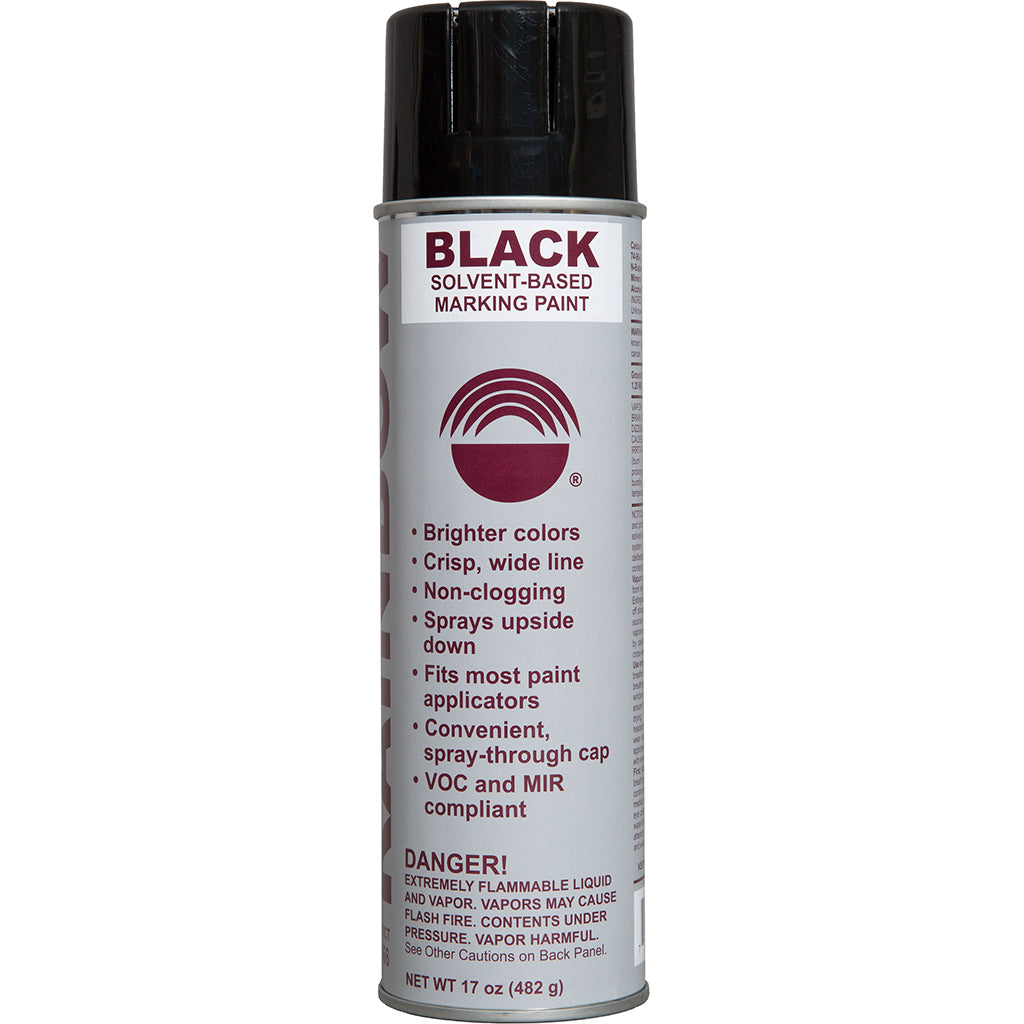
Solvent-Based vs Water-Based: Which Is Safer?
Water-based paints have more water and fewer solvents. Many are not flammable when wet. But some still have co-solvents. These can be flammable or combustible.
Key points:
- Water-based paints can still burn when dry. The film is a plastic. It will ignite if exposed to a flame.
- Adding solvent or thinner lowers flash point. It makes fire more likely.
- Spray work raises risk for both types. Aerosols ignite more easily.
People still ask is solvent based paint flammable when compared to water-based. The answer is yes, much more so while wet and during drying. Read the SDS for each product you use.
Frequently Asked Questions of is solvent based paint flammable
Is solvent based paint flammable in a closed room?
Yes. Vapors can build to dangerous levels fast. Use strong ventilation and control all ignition sources.
Does adding paint thinner make it more flammable?
Yes. Thinner often has a lower flash point. It can turn a combustible paint into a flammable one.
Is solvent based paint flammable after it dries?
The dried film is less hazardous than the wet paint. But the film will still burn if exposed to flame or high heat.
Can standard household fans cause ignition?
They can. Many fans have open motors that can spark. Use non-sparking, rated equipment or increase natural airflow.
Is solvent based paint flammable during spray application only?
No. Brushing can also release vapors. Spraying is higher risk because it creates a fine mist that ignites more easily.
How far should I keep the paint from ignition sources?
Keep at least 25 feet when possible. Shut off pilots and heaters, and control switches within the work zone.
Conclusion
Solvent coatings deliver strong results. They also carry real fire risk. If your question is solvent based paint flammable, the honest answer is yes, often. The vapor is the real hazard, and it does not need much to ignite.
Plan your work. Vent well. Control ignition. Store and dispose of materials the right way. Treat the product like fuel, and you will stay safe and get a great finish.
Want more tips on safe painting and product picks? Subscribe for updates, ask a question in the comments, or share your own lessons learned.
Related posts:
 What Fire Class For Would Involve Flammable Gases Solvents Paints , Paints, Solvents: Guide
 Is Solvent Based Paint Oil Based: Expert Guide 2026
 Best Paint for Propane Tank – Weather-Resistant Coatings That Won’t Trap Heat | Safety Expert Guide
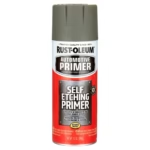 Can I Spray Paint Auto Bare Part With Rust Oleum– Prep, Primer & Safety Guide