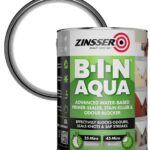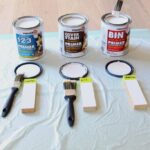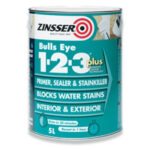
KILZ 2 vs Bullseye 123 are both popular primer/sealers, but they serve slightly different purposes. KILZ 2 is a multi-surface stain-blocking primer that provides excellent adhesion and hides minor imperfections, making it ideal for interior walls, drywall, and previously painted surfaces. Bullseye 123, a shellac-based primer, is known for superior stain and odor blocking, especially against tough spots like smoke, water stains, and tannin bleed-through from wood. If your project involves heavy stains or challenging surfaces, Bullseye 123 is often more effective; for general priming and sealing before painting, KILZ 2 offers strong performance at a good value.
KILZ 2 Review: My Real-World Take on This Classic Primer
After two decades of DIY mishaps and home renovations, I’ve learned that a paint job is only as good as the prep work. Last Tuesday, I cracked open a fresh can of KILZ 2 to tackle a guest bedroom that looked like a 1990s time capsule.
I chose this primer because it’s the “old reliable” in the industry. I’ve used expensive boutique primers before, but for a standard drywall project with some minor scuffs and pencil marks from the kids, I wanted something affordable that wouldn’t fail me. I needed a smooth base that would help my expensive topcoat stick without needing four layers of paint.
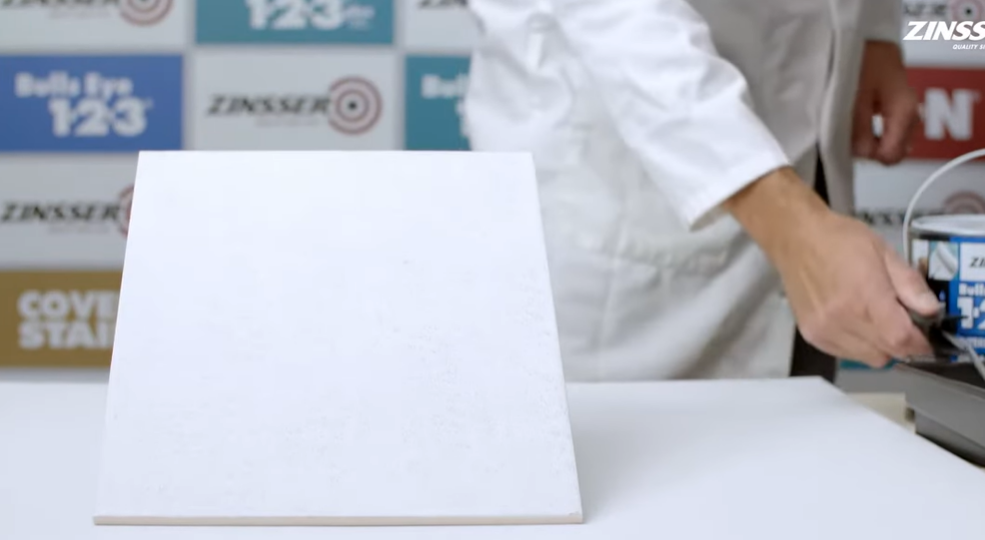
Hands-On Testing and Application
Putting KILZ 2 to the test on old, porous drywall was a breeze. The consistency is milky—not too thick, but not watery enough to create a mess. I used a medium-nap roller, and it clung to the surface beautifully. One thing I noticed immediately was the low odor. Usually, primers make me feel a bit light-headed, but I worked with the windows just cracked and felt fine.
It dried to the touch in about 30 minutes. By the time I finished the last wall and cleaned my brushes, the first wall was ready for paint. I did notice that on a few dark ink stains, the “bleed-through” wasn’t 100% gone with one pass. I had to go back for a quick second spot-prime, which is common for water-based formulas.
Pros and Cons Table
| Pros | Cons |
| Dries very fast (30 mins) | May need two coats for dark stains |
| Very low odor and low VOCs | Can splatter if you rush the rolling |
| Easy cleanup with soap and water | Not for heavy oil or smoke damage |
| Great value for the price | Not a high-hide “one coat” miracle |
Durability and Long-Term Results
I’ve checked back on this room several times over the last few weeks. The finish is rock solid. There is no peeling, and the “flashing” (where some spots look shinier than others) is non-existent. The topcoat adhered perfectly, giving the room a professional, uniform look.
In my daily work, I look for consistency. KILZ 2 delivers exactly what it promises on the label. It isn’t a “heavy-duty” sealer for fire damage or major water leaks—you’d want the oil-based version for that—but for refreshing a home, it’s a workhorse. It handled my “oops” moments with the roller well, and the cleanup didn’t require any harsh chemicals.
If you are a beginner or just want a reliable base for your living room or bedroom, this is a smart pick. It’s easy to use, easy to clean, and won’t break your budget.
Primer vs Paint– Purpose, Performance, When to Use Both, Avoid Mistake
Bullseye 123 Review: My Go-To Fix for Tricky Surfaces
Last Saturday, I finally tackled my outdated, glossy kitchen cabinets. Based on years of trial and error in home renovation, I knew that skipping the right primer is a recipe for peeling paint and heartbreak.
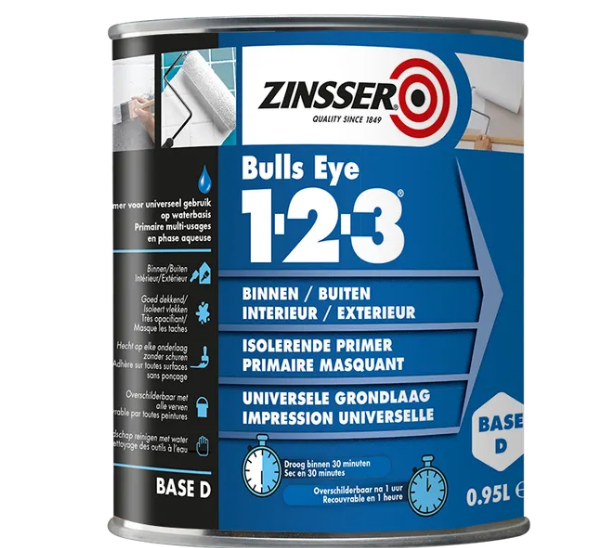
I chose Bullseye 123 specifically for its legendary “sticks to anything” reputation. My cabinets had a slick, factory finish that usually rejects standard paint. I needed something water-based for easy cleanup, but strong enough to bond without hours of heavy sanding. I also liked that it contains a mildewcide, which is a huge plus for high-moisture areas like kitchens and bathrooms.
The application was a pleasant surprise. The consistency is creamy and thick enough to stay on the brush without constant dripping. I used a high-quality synthetic brush for the corners and a small foam roller for the flat panels. It flowed out smoothly and leveled itself quite well as it dried. The smell was very mild, so I didn’t feel like I needed a gas mask just to be in my own kitchen.
Pros and Cons of Bullseye 123
| Pros | Cons |
| Sticks to glossy surfaces without heavy sanding | Can be a bit thin if you over-work it |
| Dries to the touch in just 30 minutes | May need two coats for dark wood tannins |
| Very low odor and low VOCs | Not the best for heavy, oily smoke stains |
| Soap and water cleanup is a breeze | Can splatter if the roller is too full |
After letting it sit for a full day, I performed a “scratch test” with my fingernail. The Bullseye 123 held firm, proving the adhesion was solid. I applied two coats of my topcoat paint, and the finish looks professional with zero “flashing” or uneven spots. Even after two weeks of daily kitchen use—and a few accidental bumps with a heavy frying pan—the paint hasn’t budged or chipped.
One thing to keep in mind is that while it claims to block stains, I found that deep wood knots or heavy water marks might still peek through a single layer. For those spots, a quick second dab of primer did the trick. Overall, it’s a reliable, beginner-friendly product that saves time. I’ll definitely keep a gallon of this in my garage for the next project.
“If you’re standing in the paint aisle wondering about KILZ 2 vs Bullseye 123, here is the secret: If your wall is just a boring off-white and you’re going to grey, grab the [KILZ 2]. But if you’re trying to paint over that shiny 1990s wood trim, you need the ‘bonding’ power of [Bulls Eye 1-2-3] or your paint will peel off in sheets.”
Details Comparison for KILZ 2 vs Bullseye 123
Deciding between these two iconic cans can feel like a toss-up, but after using both on my last home renovation, I found some clear winners. I put these to the test on everything from thirsty new drywall to slick, glossy trim to see which one actually saves you time.
1. Purpose and Ideal Use Cases
I found that KILZ 2 is the king of the “fresh start” on interior walls. It is perfect for covering up pencil marks or light scuffs when you just want a clean slate. However, when I had to paint a set of shiny, pre-finished bookshelves, Bullseye 123 was the clear choice. It is formulated to grab onto non-porous surfaces like metal or glass without needing hours of sanding.
| Best For | KILZ 2 | Bullseye 123 |
| Primary Surface | Drywall and Masonry | Glossy Trim and Cabinets |
| Location | Interior Focused | Interior and Exterior |
2. Application and Consistency
When I dipped my brush in, I noticed KILZ 2 has a thicker, more traditional feel. It stays on the roller well and doesn’t drip much. Bullseye 123 feels a bit thinner and creamier. It spreads very fast, which I loved for big projects, but you have to be careful not to overload your brush or it might run. Cleanup for both was easy; just a bit of warm water and soap in the sink did the trick.
| Feel | KILZ 2 | Bullseye 123 |
| Texture | Thicker, High Solids | Thinner, Smooth Flow |
| Splatter | Very Low | Moderate |
3. Coverage and Performance
During my “stress test” on a dark blue wall, KILZ 2 needed two solid coats to fully hide the old color. Bullseye 123 seemed to have slightly better “hide” in one pass, but its real strength was the bond. I tried to scratch the Bullseye 123 off a glossy surface with my nail after it dried, and it wouldn’t budge. KILZ 2 is great for color changes, but Bullseye 123 is better for technical adhesion.
| Performance | KILZ 2 | Bullseye 123 |
| Stain Hiding | Good for light stains | Better for dark spots |
| Bond Strength | Standard | Superior Adhesion |
4. Drying Time and Odor
On a humid Thursday afternoon, I timed the drying. Both were dry to the touch in about 30 minutes. However, Bullseye 123 felt ready for a topcoat just an hour later. KILZ 2 stayed a bit “tacky” for slightly longer. As for the smell, both are low-VOC, but I found Bullseye 123 had a milder, more pleasant scent that vanished faster once I opened a window.
| Environment | KILZ 2 | Bullseye 123 |
| Recoat Time | 1–2 Hours | 1 Hour |
| Odor Level | Low | Very Low |
5. Overall Value and Price
If you are painting a whole house, KILZ 2 is the budget-friendly hero. It costs less per gallon and does a fantastic job on standard rooms. Bullseye 123 costs a few dollars more, but it’s a “problem solver” primer. Since it works on both interior and exterior surfaces and sticks to glossy paint, I find it offers better value for mixed-media projects where you don’t want to buy two different cans.
| Value | KILZ 2 | Bullseye 123 |
| Price | Lower / Budget Friendly | Slightly Higher |
| Versatility | High for interiors | Highest (All-purpose) |
“For bathrooms, the choice is clear. [Zinsser Bulls Eye 1-2-3] is formulated with extra biocides. This means it doesn’t just provide a base for paint; it actively works to prevent mold from growing under your topcoat in steamy conditions.”
Conclusion
In the battle of KILZ 2 vs Bullseye 123, your project dictates the winner. I reach for KILZ 2 when I have large rooms of bare drywall because it’s easy on the wallet and covers well. But for kitchens, bathrooms, or anything with a shine, Bullseye 123 is my top pick for its incredible grip and fast drying. Both are reliable tools that will make your final paint job look professional.