When comparing KILZ Exterior Primer vs Zinsser Exterior Primer, both offer excellent adhesion and weather resistance, but they have key differences. KILZ is ideal for sealing porous surfaces and blocking stains, while Zinsser provides superior mildew resistance and durability in harsh conditions. Your choice depends on whether you need stain-blocking power or long-term protection against moisture and mold.
Both excel: KILZ shines for value and mildew; Zinsser wins adhesion and tough stains.
If you are torn between KILZ Exterior Primer vs Zinsser Exterior Primer, you are in the right place. I have used both on homes in wet, sunny, and windy climates. In this guide, I compare them by adhesion, stain blocking, mildew resistance, dry time, VOCs, coverage, cost, and real-world use. You will leave with clear picks for wood, masonry, vinyl, metal, and problem jobs.
Top 5 Best Rust Oleum Paint: – Expert‑Approved for Rust Protection & Durability
What these primers are and when to use each
KILZ Exterior Primer vs Zinsser Exterior Primer is a common matchup. Both brands have lines that cover most outdoor needs. They seal, bond, and create a smooth base for paint.
In simple terms:
- KILZ is great for value, quick rolling, and mildew-prone spots.
- Zinsser is strong on adhesion and heavy stain block, with a deep bench of specialty primers.
From my experience and manufacturer data sheets, both offer water-based acrylic primers for most exteriors. Zinsser also has a widely used oil-based exterior option for stains and tannins. Choose by surface, climate, and the problems you face.
Head-to-head: key differences at a glance
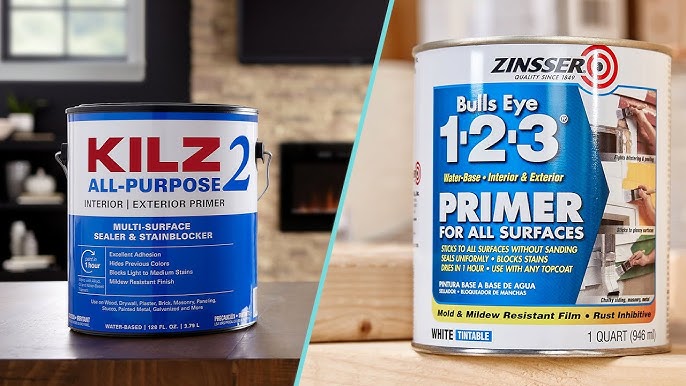
Here is how KILZ Exterior Primer vs Zinsser Exterior Primer usually shakes out.
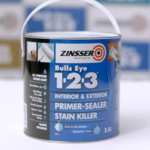
- Adhesion to slick surfaces. Zinsser Bulls Eye 1-2-3 bonds well to glossy paint, vinyl, PVC, and metals. KILZ Adhesion is also strong but is a niche SKU you must pick on purpose.
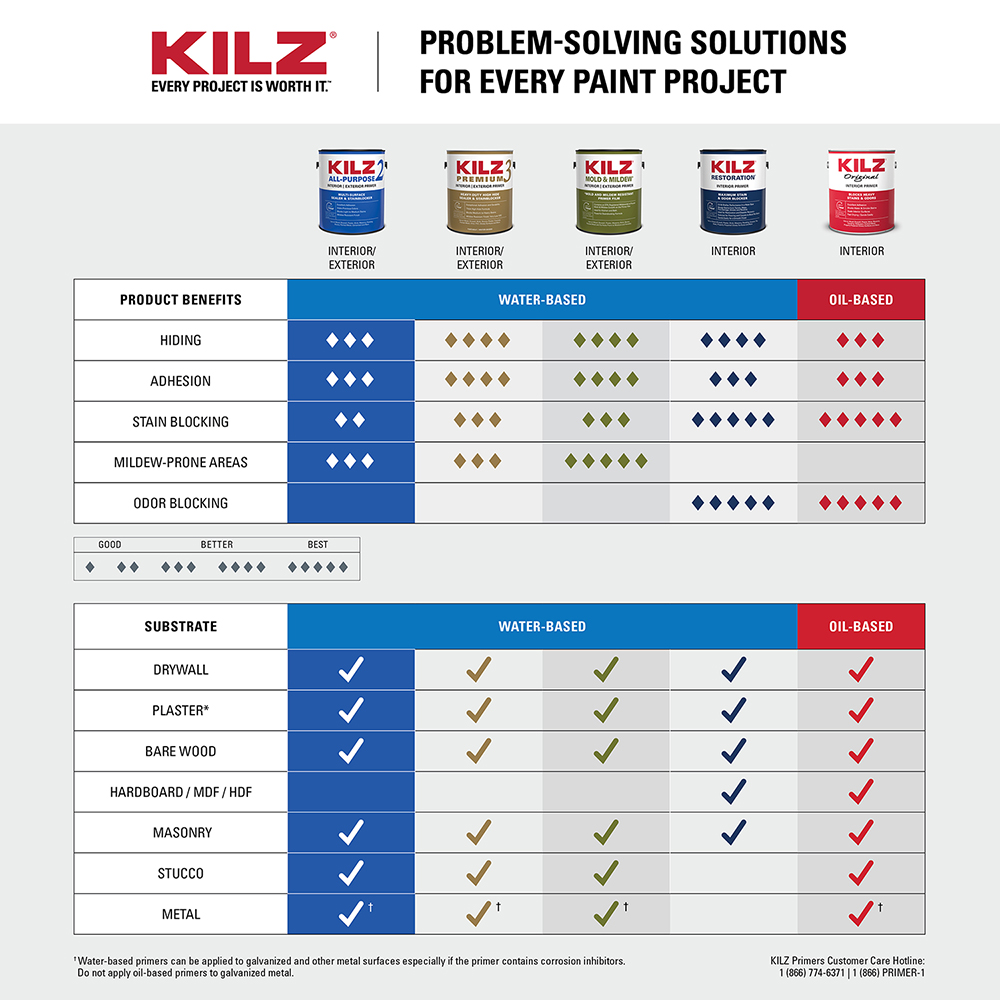
- Stain and tannin blocking. Zinsser Cover Stain (oil-based) is a go-to for cedar and redwood bleed. KILZ’s water-based lines block light to medium stains; for severe bleed, many pros reach for oil-based Zinsser.
- Mildew resistance outdoors. KILZ Mold & Mildew (interior/exterior) is a standout for damp areas. Zinsser primers also include mildewcide, but KILZ’s dedicated mildew primer is very effective near coasts and shade.
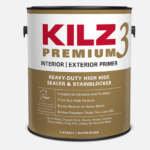
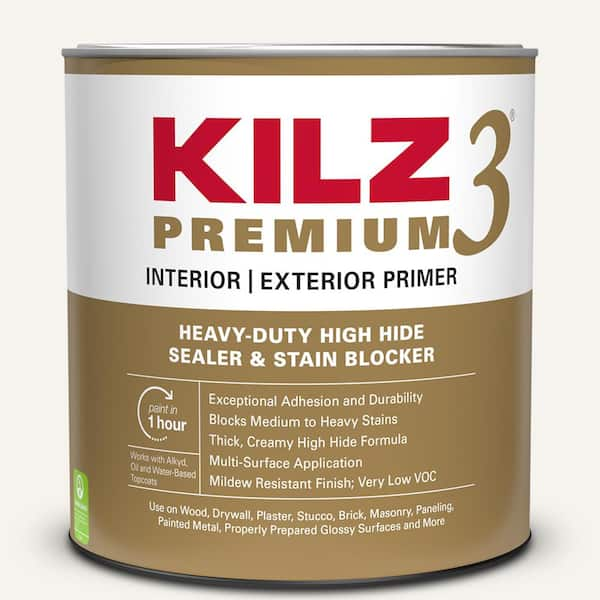
- Dry time and recoat. Modern water-based KILZ 3 Premium and Zinsser 1-2-3 both dry fast and recoat in about an hour. Oil-based Cover Stain needs more time.
- VOCs and cleanup. Water-based lines from both are low-VOC with soap-and-water cleanup. Oil-based Cover Stain uses mineral spirits and has higher VOCs.
- Price and coverage. Water-based primers from both run similar prices per gallon with 300–400 sq ft coverage. Oil-based tends to cost a bit more.
I will break down each point with tips and examples next.
Adhesion and surface compatibility
Adhesion is the backbone of any exterior job. For KILZ Exterior Primer vs Zinsser Exterior Primer, this is where Zinsser often pulls ahead on tough surfaces.
- Glossy or factory-finished surfaces. Zinsser Bulls Eye 1-2-3 grabs onto slick sheens, aluminum gutters, and vinyl shutters. KILZ Adhesion is great too, but you must choose that specific bonding primer.
- Weathered paint. Both brands bond well if you clean and dull the surface first. If paint is sound but glossy, a scuff sand plus Zinsser 1-2-3 or KILZ Adhesion is safe.
- Masonry and stucco. Both offer water-based acrylic primers that breathe and handle alkali better than oils. For fresh masonry, pick an alkali-resistant acrylic and wait the cure time.
Real-life note: I often repaint vinyl shutters. Zinsser 1-2-3 has given me fewer callbacks on peeling. On fiberglass doors, KILZ Adhesion worked well after a scuff sand and tack cloth wipe.

Stain and tannin blocking outdoors
Exterior wood bleeds, especially cedar and redwood. Rain and sun pull tannins through paint. Here is how KILZ Exterior Primer vs Zinsser Exterior Primer compares.
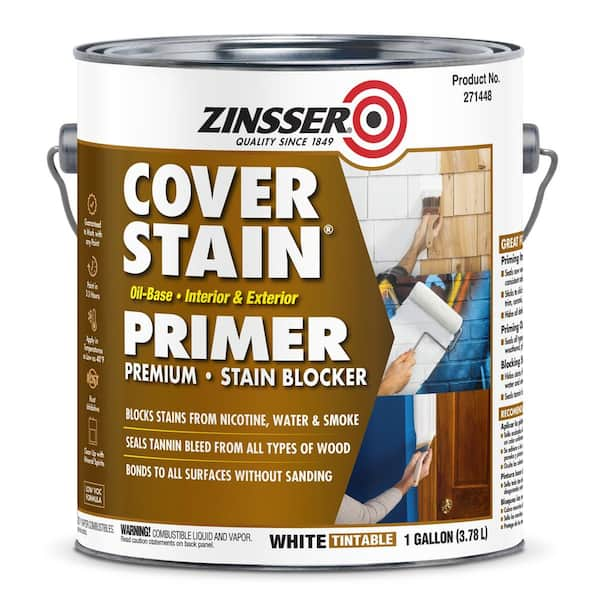
- Heavy stains and bleed. Zinsser Cover Stain (oil-based) is a top choice. It locks down water marks, knots, and bleed with fewer coats. For fences, fascia, and knots, it is hard to beat.
- Light to medium stains. KILZ 3 Premium and Zinsser 1-2-3 both handle smaller water stains and mild bleed. Use two coats over knotty areas for better lock.
- Rust spots on metal. Use a rust-inhibiting primer. Zinsser has strong options here; KILZ also offers metal-friendly acrylics. Clean rust to bare metal first for best results.
Field tip: When I see pinkish bleed on old cedar, I switch to Cover Stain and spot-prime knots twice. I let it dry longer than the label if humidity is high. It saves the topcoat.
Mildew, mold, and UV durability
Sun, shade, and moisture call for different tools. In KILZ Exterior Primer vs Zinsser Exterior Primer, KILZ’s dedicated mildew line is a star, while both brands fight UV with quality acrylics.
- Constant shade or near-coast. KILZ Mold & Mildew (interior/exterior) has strong mildewcide. It helps paint stay clean longer in damp zones like eaves, soffits, and porch ceilings.
- General mildew resistance. Zinsser 1-2-3 includes mildewcide as well and holds up fine in many climates.
- UV and chalking. Both brands need solid prep, washing off chalk first. Zinsser Peel Stop can help bind edges on sound but peeling paint. KILZ does not have a direct Peel Stop twin, so cleaning and sanding are key.
On a shaded north wall by a lake, KILZ Mold & Mildew gave me a cleaner-looking finish a year later. On sun-blasted trim, either brand’s acrylic primer worked, but prep made the difference.
How Long Does Rust Oleum Paint Take To Dry?– Touch & Cure Times for Best Results
Application, dry time, and weather windows
Fast dry keeps projects moving. With KILZ Exterior Primer vs Zinsser Exterior Primer, water-based lines from both brands are quick and forgiving.
- Dry and recoat times. Many water-based formulas are dry to touch in 30 minutes and recoat in 1 hour. Oil-based Zinsser Cover Stain usually needs about 2 hours to recoat.
- Temperature and humidity. Many modern acrylics allow low-temp application down to about 35–40°F, but always check the label. Oils prefer warmer, drier days.
- Brush, roll, spray. Both brands spray and back-brush nicely. Strain oil-based primers before spraying. Keep a wet edge and back-brush into wood grain.
Practical note: When storms were near, I chose KILZ 3 Premium or Zinsser 1-2-3, primed by noon, and topcoated later that day. Oil-based made me wait for the next dry window.
VOCs, cleanup, and safety
You want durable results with less mess. For KILZ Exterior Primer vs Zinsser Exterior Primer, water-based wins for easier work.
- Water-based. Low odor, lower VOCs, soap-and-water cleanup. Safer around homes and plants with normal care.
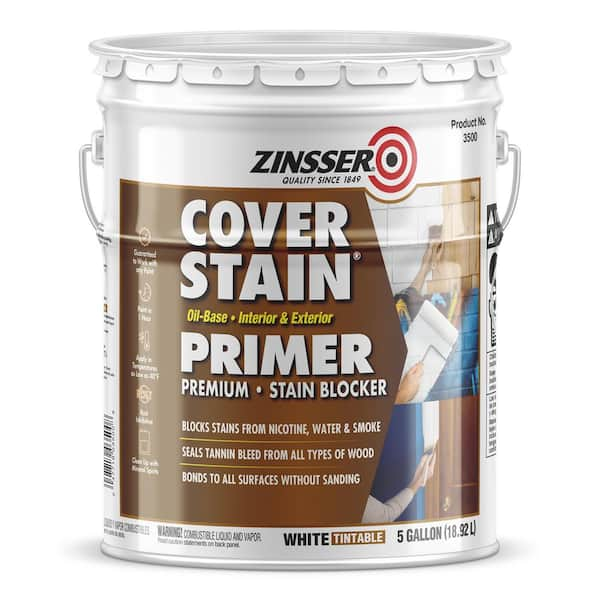
- Oil-based. Higher VOCs and stronger odor; needs mineral spirits for cleanup. Works great for stains but needs more PPE and ventilation.
- Safety basics. Wear gloves, eye protection, and a respirator when spraying. Follow label guidance and local VOC rules.
Tip: Store a small bottle of mineral spirits for drips when using oil-based primers. It saves your gear.

Coverage, cost, and value
You need to plan gallons and budget. Coverage and cost for KILZ Exterior Primer vs Zinsser Exterior Primer are close.
- Coverage. Expect about 300–400 sq ft per gallon on most surfaces. Rough wood and masonry drink more.
- Cost. Water-based lines from both sit in a similar price band. Oil-based options like Cover Stain usually cost a bit more.
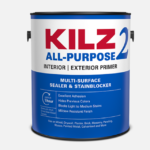
- Value picks. For big jobs with sound surfaces, KILZ 2 or KILZ 3 Premium can save money. For problem spots, Zinsser 1-2-3 or Cover Stain can save time and coats.
I run the math both ways: cheaper primer plus extra coats vs pricier primer that blocks in one. Many times, the better primer is cheaper in the end.
Prep steps and pro tips for best results
Good prep beats fancy paint. With KILZ Exterior Primer vs Zinsser Exterior Primer, the same rules apply.
- Wash. Use a hose or low-pressure wash with a mild cleaner. Rinse well. Let it dry fully.
- Scrape and sand. Remove loose paint. Feather edges. Scuff glossy surfaces lightly.
- Patch and spot-prime. Fill gaps and bare wood. Spot-prime knots and rust.
- Choose the right primer. Match the problem: stains, mildew, or adhesion. Pick the brand and line that targets it.
Pro tip: Back-brush primer on wood. It pushes primer into the grain and seals end cuts. That is where water sneaks in.
Common mistakes to avoid
These pitfalls cause most failures across KILZ Exterior Primer vs Zinsser Exterior Primer.
- Priming over damp wood. Moisture traps cause peeling. Use a moisture meter if you can.
- Skipping the scuff on glossy paint. Even the best bonding primer likes a light sand.
- Rushing recoat in high humidity. Give primer more time. It pays off.
- Using water-based primer on severe tannin bleed. Go oil-based for those knots and cedar stains.
I once primed wet fascia before a storm. It peeled that season. Since then, I check moisture and wait.
Real-world scenarios and recommendations
Here is how I choose between KILZ Exterior Primer vs Zinsser Exterior Primer on common jobs.
- Old cedar siding with bleed. Zinsser Cover Stain oil-based. Spot-prime knots twice, then one full coat.
- Vinyl shutters or PVC trim. Zinsser 1-2-3 or KILZ Adhesion after a scuff sand and clean.
- Shaded soffits and porch ceilings in damp zones. KILZ Mold & Mildew for extra protection.
- General repaint over sound paint. KILZ 3 Premium or Zinsser 1-2-3. Pick the one on sale; both are solid.
- Weathered, peeling edges that are still sound after scraping. Clean well and use Zinsser Peel Stop, then top with your chosen exterior primer.
Bottom line: Pick by problem first, then brand. That simple rule has saved many jobs for me.
Quick answers: KILZ Exterior Primer vs Zinsser Exterior Primer
Here are short answers to common questions I hear on site.
Which is better for cedar bleed?
Zinsser Cover Stain oil-based usually wins. It seals tannins fast with fewer coats.
Which is better for damp, shady areas?
KILZ Mold & Mildew is a strong pick. It keeps surfaces cleaner longer in humid spots.
Which bonds better to glossy paint or vinyl?
Zinsser 1-2-3 is very reliable. KILZ Adhesion is another great choice if you have it.
Frequently Asked Questions of KILZ Exterior Primer vs Zinsser Exterior Primer
Is KILZ Exterior Primer or Zinsser Exterior Primer better for metal railings?
For light rust, Zinsser’s rust-inhibiting primers work well. Clean to bare metal areas, spot with rust primer, then a full coat.
Can I use KILZ Exterior Primer vs Zinsser Exterior Primer on pressure-treated wood?
Yes, after the wood dries to a safe moisture level. Use a water-based acrylic primer that breathes and check the label for treated lumber.
How many coats of primer should I apply outside?
One coat is common, but stains and knots may need two. Always spot-prime problem areas before the full coat.
What temperature is safe for priming outdoors?
Most water-based primers like 50–90°F, with some low-temp formulas down to about 35–40°F. Oil-based prefers warmer, drier days; check the can.
Do I need to sand between primer coats?
Usually no for exteriors. A light sand helps on glossy areas or if fibers raise on rough wood.
Which dries faster, KILZ Exterior Primer or Zinsser Exterior Primer?
Their water-based lines dry at similar speeds and recoat in about an hour. Oil-based Zinsser Cover Stain needs more time before topcoat.
Will primer stop peeling paint on exteriors?
Primer cannot fix failing paint by itself. You must remove loose paint, clean, and then prime sound surfaces.
Conclusion
When it comes to KILZ Exterior Primer vs Zinsser Exterior Primer, choose by the problem, not just the brand. Use KILZ Mold & Mildew for damp zones and KILZ 3 Premium for fast, clean recoat work. Reach for Zinsser Cover Stain on cedar bleed and Zinsser 1-2-3 on slick or mixed surfaces. Prep well, prime smart, and your paint will last.
Ready to pick your primer and start? Try one small area first, note dry time and coverage, then scale up. Have a question or a tricky surface? Drop it in the comments and I will help you plan your next step.