
A paint roller and a paint pad are both used to apply paint, but they differ in speed, finish, and ease of use. Paint rollers cover large areas quickly and provide better paint distribution on walls and ceilings, making them ideal for most interior and exterior jobs. Paint pads offer more control and produce a smoother finish with less splatter, but they hold less paint and work slower. For large surfaces and efficiency, a roller is usually the better choice, while a paint pad works well for small areas or touch-ups.
“Tired of paint splatter? See our tested winners for the best paint roller for DIYers.”
The Hybrid Method Many pros use a Roller to get the stain onto the wood quickly, then immediately follow up with a Paint Pad (on an extension pole) to “back-pad” the finish. This combines the speed of the roller with the flawless, deep-penetrating finish of the pad.
- Step 1: Apply with a High-Capacity Microfiber Roller.
- Step 2: Smooth it out with a 9-Inch Deck Stain Pad.
Use rollers for speed and walls; pads for edges, low splash, and smooth finishes.
You want a fast, clean paint job that looks pro. I have spent years testing tools in real rooms, on real deadlines. This guide breaks down Paint Roller vs Paint Pad with clear wins, real trade-offs, and field tips you can trust. If you care about speed, finish, and less mess, keep reading. You will know exactly when to reach for each tool and why.
Best Nap for Painting Walls– Choosing the Right Roller for Every Wall Type
Paint Roller vs Paint Pad: What is the real difference?
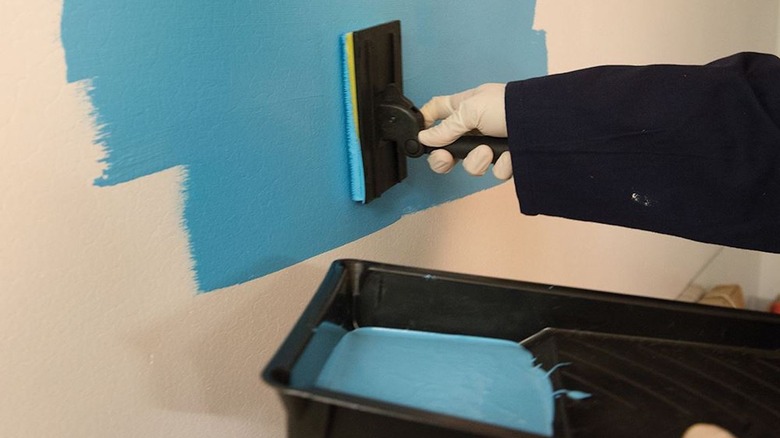
Both tools move paint from the tray to the wall, but they do it in very different ways. A roller uses a rotating sleeve with fabric nap. It holds more paint and can cover large areas fast. A paint pad uses a flat, flocked face. It lays a thin, even film with low splatter and crisp control near edges.
In most homes, I reach for a roller for walls and ceilings. I use a pad to cut clean lines, coat doors, and finish smooth trim. The core of Paint Roller vs Paint Pad comes down to texture, speed, and control.

Pros and cons at a glance
Here is how Paint Roller vs Paint Pad plays out in the field.
- When a roller shines Large areas, most walls, ceilings, and light to medium textures. It holds more paint and lays thicker films.
- When a pad shines Edges, doors, cabinets, smooth drywall, and tight spaces. It has low splatter and steady control.
- Roller upsides Fast coverage, good leveling with the right nap, works great with matte and eggshell.
- Roller downsides More splatter, more cleanup, needs skill to avoid lap marks and orange peel.
- Pad upsides Very low mess, sharp edges without tape, smooth films on flat surfaces.
- Pad downsides Holds less paint, can miss deep texture, needs frequent reloads.
Finish quality and texture
Finish is where Paint Roller vs Paint Pad gets interesting. Rollers create micro texture that helps hide seams and small flaws. A 3/8 inch microfiber roller leaves a soft, even profile on smooth walls. A 1/2 inch nap can fill light texture or knockdown. Pads lay very thin films. On smooth drywall or doors, that can look glassy and clean. On heavy texture, pads skip the low spots, which looks patchy.
From my jobs, rollers level better with quality latex and proper pressure. Pads look best on doors with enamel or on new drywall that is sanded well. If you see flashing or lap marks with a pad, you are moving too slow or the paint is drying fast. Work in small zones and keep a wet edge.

Speed, coverage, and efficiency
Speed matters when you have a weekend to paint. In Paint Roller vs Paint Pad tests, rollers win square footage per hour by a wide margin. A loaded roller can cover a wall in a few passes. It also keeps a wet edge, so you see fewer marks. Pads are slower on big surfaces due to frequent dips.
Coverage is also about film build. A roller lays more paint per pass. That reduces the chance of a third coat. Pads can save paint but may need extra passes on darker colors. If you must race the clock, choose the roller and a good extension pole.
Edges, corners, and detail work
Cutting in around trim, tile, and ceilings is where pads earn their spot. The rigid shape of a pad glides along edges and keeps a clean line. It often removes the need for tape. Some pads have a guide wheel that helps you ride the edge. That can save time and stress.
A skilled hand with a sash brush can beat both in tight spots. Still, for most DIY work, a pad is easier to master than a pro brush. In the Paint Roller vs Paint Pad debate, think of pads as your clean edge tool and rollers as your area tool.

Ceilings, walls, trims, and special surfaces
Different surfaces need different tools.
- Ceilings Roller all day. Use a 1/2 inch microfiber nap for speed and less drip. Work in a grid and keep a wet edge.
- Walls Roller for main fields. Pad or brush for edges and cut-ins.
- Doors and trim Pad for smooth latex or enamel. Follow with a light tip-off using a fine brush if needed.
- Textured walls Roller with a longer nap. Pads will miss valleys.
- Cabinets and furniture Pad for thin, smooth coats. Sand light between coats for a pro look.
Paint Roller vs Paint Pad is not either or. Use both to play to their strengths.

Cost, cleanup, and waste
Roller frames last for years. Sleeves are low cost and easy to swap for different naps. Cleanup is more work because fabric holds paint. Pads cost a bit more per piece in some brands. They rinse fast and splatter less, which can reduce drop cloth cleanup.
If you want less waste, use a roller grid in a bucket instead of a tray. It saves time and spills. With pads, avoid overloading. You will reduce drips and keep edges crisp.

Technique tips from the field
Good results come from small habits. These tips apply to Paint Roller vs Paint Pad for better, faster work.
- For rollers
- Pre-wet the sleeve with water for latex. Spin off extra. It helps loading.
- Load often. Roll a W pattern and fill it in. Do not press hard.
- Back-roll each section to even the film. Keep a wet edge.
- For pads
- Dip lightly and wipe once on the tray to avoid flooding.
- Pull the pad in one direction near edges. Do not saw back and forth.
- Work in small panels. Reload often to avoid dry drag and lap marks.
- For both
- Control room temp and airflow. Fast dry times cause flashing.
- Use fresh, high quality paint. It levels better and hides more.
Decision guide: When to choose each
Use this quick guide the next time you face Paint Roller vs Paint Pad.
- Choose a roller when
- You need speed on walls or ceilings.
- The surface has any texture.
- You want strong film build and better hide.
- Choose a pad when
- You need crisp lines near trim or tile.
- The surface is smooth, like doors and cabinets.
- You need to control splatter in tight rooms.
I often bring both. Roll the field. Pad the edges. That blend gives the best balance of speed and finish.
Common mistakes and how to avoid them
Even simple tools need care. These are the top issues I see with Paint Roller vs Paint Pad.
- Using the wrong nap A thick nap on smooth walls can leave texture. Pick 3/8 inch for most interiors.
- Overworking the paint Going back after it starts to set causes tracks. Move on and keep pace.
- Dry pad marks Pads need steady reloads. If it feels sticky, dip again.
- Skipping surface prep Dirt and gloss kill adhesion. Clean and scuff sand where needed.
- Ignoring lighting Raking light shows flaws. Check as you go to fix misses fast.
Frequently Asked Questions of Paint Roller vs Paint Pad
Which gives a smoother finish, roller or pad?
On smooth doors and trim, a pad often looks smoother. On walls, a fine nap roller levels better and hides flaws.
Which one splatters less?
Pads splatter less due to the flat face and thin film. Rollers can splatter more, but microfiber sleeves and steady speed reduce mess.
Do pads work on textured walls?
Not well on heavy texture. Pads skip low spots, while a longer nap roller reaches into the texture.
Can a paint pad replace cutting in with a brush?
Often yes for straight edges and trim lines. For tight corners and complex profiles, a fine sash brush still wins.
Which is faster for a whole room?
A roller is faster for big areas. Use a pad for edges and details to reduce taping and cleanup.
Conclusion
Both tools have a place. Rollers bring speed, reach, and even film build on most walls and ceilings. Pads bring control, clean edges, and low splatter on smooth surfaces. In real jobs, the best answer to Paint Roller vs Paint Pad is to use both where they excel. Try the combo on your next room. Roll the fields, pad the edges, and enjoy a faster, cleaner finish. If this helped, subscribe for more hands-on paint guides and share your results.
Related posts:
 What Is a Roller Nap? – Choosing the Perfect Roller for Walls and Ceilingswhat is a roller nap?
 Types of Roller Naps – Essential Secrets to a Flawless Finish
 Can You Paint Expanding Foam Tape? – Mistakes to Avoid for a Clean Finish
 Best Paint For Varnished Wood– Top Picks for Strong Adhesion & Finish