
Quick Verdict: Primer vs Paint
Primer and paint serve different but complementary purposes. Primer prepares the surface by sealing porous materials, improving adhesion, and blocking stains, while paint provides color, protection, and the finished appearance. Using primer helps paint last longer, look more even, and resist peeling, especially on bare wood, metal, drywall, or stained surfaces. Skipping primer may save time initially but often leads to poor coverage and reduced durability over time.
Best Primer for New Drywall
- KILZ PVA Drywall Primer – Seals porous new drywall and evens out surface absorption for a smooth paint finish.
Best Primer for Stained or Damaged Surfaces
- Zinsser Bulls Eye 1-2-3 Primer – Blocks stains and improves paint adhesion on wood, drywall, and masonry.
Best Paint + Primer in One (Time-Saver)
- Behr Premium Plus Paint & Primer – Good for repainting walls in decent condition with fewer coats.
Best Primer for Exterior Surfaces
- Zinsser Cover Stain Oil-Based Primer – Excellent adhesion and stain blocking for exterior wood and trim.
Best Paint for Final Finish
Benjamin Moore Regal Select Paint – Durable, high-coverage paint designed for a long-lasting finished look.
Introduction: Why “primer Vs Paint” Matters
Primer vs Paint is a key topic for anyone planning to paint walls or furniture. The difference can save time, money, and effort. Many people skip primer or confuse it with paint. This often causes problems like peeling or uneven color. Knowing why primer and paint both matter helps you get a smooth, long-lasting finish.
Primer prepares the surface. Paint adds color and protection. Both have different jobs but work best together. This guide explains what each one is and why you need both for a quality paint job.
Study on polypropylene pre-treatment highlights that modern primers using maleic anhydride provide superior adhesion to traditional methods like mechanical abrasion, establishing a “durable interphase” via polymer chain diffusion.
What Is Primer?
Primer is a special coating applied before paint. It creates a good base for the paint to stick to. Primer helps paint last longer and look better. It also blocks stains and seals the surface.
Primers come in different types, such as:
- Oil-based primer: Good for wood and metal, resists stains and rust.
- Water-based primer: Dries fast, easy to clean, good for drywall.
- Shellac primer: Blocks tough stains like smoke or water damage.
Primer improves paint adhesion. It stops paint from soaking into the surface unevenly. It also helps hide imperfections and prevents peeling.
Best Primer for Concrete Floor (2026) – Top Products to Prevent Peeling & Moisture Damage
| Primer Feature | Why It Matters |
|---|---|
| Seals Surface | Prevents paint from soaking unevenly |
| Improves Adhesion | Makes paint stick better and last longer |
| Blocks Stains | Stops marks from showing through paint |
| Prevents Peeling | Keeps paint from flaking off over time |
Always apply primer on new or bare surfaces. It is also useful on repaired areas or surfaces with stains.
What Is Paint?
Paint is the colored liquid you apply over primer or directly on a surface. It adds color, texture, and protection to walls, furniture, or other objects.
Paint has several key components:
- Binder: Holds the paint together and helps it stick.
- Pigments: Give paint its color and opacity.
- Solvents: Keep the paint liquid until it dries.
- Additives: Improve paint’s performance, like drying speed or mildew resistance.
Paint types vary by use and finish:
- Latex paint: Water-based, easy to clean, good for walls.
- Oil-based paint: Durable, smooth finish, good for trim and furniture.
- Enamel paint: Hard, glossy finish, used on metal or wood.
Paint protects surfaces from wear, sunlight, and moisture. It also changes the look of a space with color and style.
| Paint Feature | Benefit |
|---|---|
| Color | Improves appearance and style |
| Protection | Guards against damage and weather |
| Finish | Gives smooth, matte, or glossy look |
| Durability | Lasts longer when paired with primer |
Good paint alone cannot fix surface problems. That is why primer is important for a perfect finish.
Best Primer For Eggshell Paint– Top Picks for Smooth, Even Coverage
What Are The Purpose Of Primer
Primer serves a unique and essential role before applying paint. It prepares the surface and ensures the paint sticks better and lasts longer. The purpose of primer is often overlooked but is critical for a smooth, even, and durable finish. Unlike paint, primer is designed to create a strong base layer. It helps protect the surface and improves the overall look of the painted area. Understanding why primer matters helps achieve better painting results.
Surface Preparation
Surface preparation is the first and most important task primer performs. It creates a clean, smooth, and uniform base for paint. Surfaces like wood, metal, drywall, or plaster often have dirt, dust, grease, or small imperfections. Primer helps fix these issues by:
- Covering minor cracks and holes to prevent paint from soaking unevenly
- Removing surface contaminants that can cause peeling or bubbling
- Providing a consistent texture that paint needs for proper application
Without primer, paint can look blotchy or uneven. It might peel off quickly because the surface is not ready. Primer also helps in reducing the number of paint coats needed, saving time and money.
| Surface Type | Common Issues | How Primer Helps |
|---|---|---|
| Wood | Knots, resin, uneven texture | Seals knots, smooths texture |
| Metal | Rust, corrosion, uneven surface | Prevents rust, smooths surface |
| Drywall | Porous, dust, uneven patches | Seals pores, evens surface |
Enhancing Adhesion
Adhesion means how well the paint sticks to the surface. Primer improves adhesion by forming a sticky layer that paint bonds to easily. Paint alone may not grip well on some surfaces. This can cause peeling or chipping later. Primer ensures the paint holds strong through:
- Creating a rough texture for paint to cling to
- Binding to both surface and paint for better connection
- Reducing paint absorption for even coverage
Without primer, paint might slide off smooth or glossy surfaces. On new drywall or bare wood, paint can soak in and dry unevenly. Primer stops these issues by locking paint in place. It increases the paint’s durability and appearance.
| Surface | Adhesion Challenge | How Primer Helps |
|---|---|---|
| Glossy surfaces | Paint slides off easily | Provides rough base for grip |
| New drywall | Uneven paint absorption | Seals surface for even coat |
| Wood | Paint soaks unevenly | Blocks absorption, improves bond |
Sealing Porous Surfaces
Porous surfaces like wood, plaster, or drywall absorb paint unevenly. This causes blotches and requires multiple paint coats. Primer acts as a sealant, blocking pores and creating a smooth layer. This helps paint spread evenly and reduces paint use. Key points about sealing porous surfaces with primer:
- Prevents excessive paint absorption that wastes paint
- Improves color uniformity by reducing blotches
- Protects the surface from moisture and stains
Sealing pores also helps in protecting the surface from damage. For example, primer on wood stops moisture from entering, which prevents warping and rotting. On drywall, primer prevents paint from soaking too deep and weakening the finish.
| Porous Surface | Issue Without Primer | Benefit of Sealing with Primer |
|---|---|---|
| Wood | Uneven paint, warping | Even paint, moisture barrier |
| Drywall | Blotchy paint, weak finish | Uniform paint, stronger finish |
| Plaster | Absorbs paint, stains show | Blocks absorption, hides stains |
Analyzes the “Substitution Case” for solvent-based paints, noting that 73% of architectural coatings have shifted to water-based, making high-quality primers essential to bridge the gap when painting over legacy oil-based layers.
What Are The Role Of Paint
The role of paint goes beyond just adding color to surfaces. Paint acts as a protective layer and gives surfaces a smooth, finished look. It enhances the appearance of walls, furniture, and other items while shielding them from damage. Paint works after the primer has prepared the surface. It adds the final touch, combining beauty and durability in one step. Understanding the role of paint helps in choosing the right type and color for each project.
Color And Finish
Paint is the key to changing the look of any surface. It provides color and finish that define the style and mood of a space. You can select from many colors to match your taste or décor. The finish affects how shiny or matte the surface looks and feels.
- Matte finish: Non-reflective, hides surface flaws well.
- Satin finish: Slight shine, easy to clean.
- Semi-gloss finish: Shiny, durable, good for kitchens and bathrooms.
- Glossy finish: Very shiny, highlights details, but shows imperfections.
Choosing the right color and finish is important. Light colors can make a room look bigger. Dark colors add warmth and coziness. The finish controls how light interacts with the surface, affecting the room’s feel.
| Finish Type | Best For | Pros | Cons |
|---|---|---|---|
| Matte | Ceilings, walls with imperfections | Hides flaws, soft look | Less washable |
| Satin | Living rooms, bedrooms | Easy to clean, smooth shine | Shows some imperfections |
| Semi-gloss | Kitchens, bathrooms | Durable, moisture resistant | Reflective, highlights flaws |
| Glossy | Trim, doors, furniture | Highly durable, bright | Shows every imperfection |
Protection From Elements
Paint forms a protective shield on surfaces. It guards against damage from weather, moisture, and dirt. This protection helps surfaces last longer and look better over time.
Exterior paint must resist rain, sun, wind, and temperature changes. It prevents water from soaking into wood or walls, which can cause rot or cracks. Paint also stops rust on metal surfaces.
- UV resistance: Prevents fading and chalking from sunlight.
- Moisture barrier: Stops water damage and mold growth.
- Durability: Protects against scratches and wear.
- Temperature tolerance: Maintains integrity in heat and cold.
Indoor paint protects walls from stains, cleaning chemicals, and everyday wear. Some paints include antimicrobial agents to reduce mold and bacteria growth.
Zinsser Mold Killing Primer –5 Best Mold Control Solution
| Protection Feature | Benefit |
|---|---|
| Water resistance | Prevents water damage and mold |
| UV protection | Stops color fading and cracking |
| Scratch resistance | Keeps surface looking new longer |
| Antimicrobial properties | Reduces mold and bacteria growth |
Types Of Paint
Different paints serve different purposes. Choosing the right type ensures better results and longer life.
Water-based paints (latex or acrylic) are popular for their easy cleanup and low odor. They dry fast and work well on walls and ceilings.
Oil-based paints provide a smooth, durable finish. They are good for trim and furniture but take longer to dry and need solvents for cleanup.
- Latex paint: Flexible, resists cracking, best for most interior walls.
- Acrylic paint: Similar to latex, more durable outdoors.
- Enamel paint: Hard, glossy finish, good for cabinets and doors.
Specialty paints include:
- Chalk paint: Creates a matte, vintage look.
- Epoxy paint: Very durable, used on floors and industrial surfaces.
- Textured paint: Adds patterns or roughness for design effects.
Choosing the right paint type depends on the surface, location, and desired finish. Each type offers unique benefits for different projects.
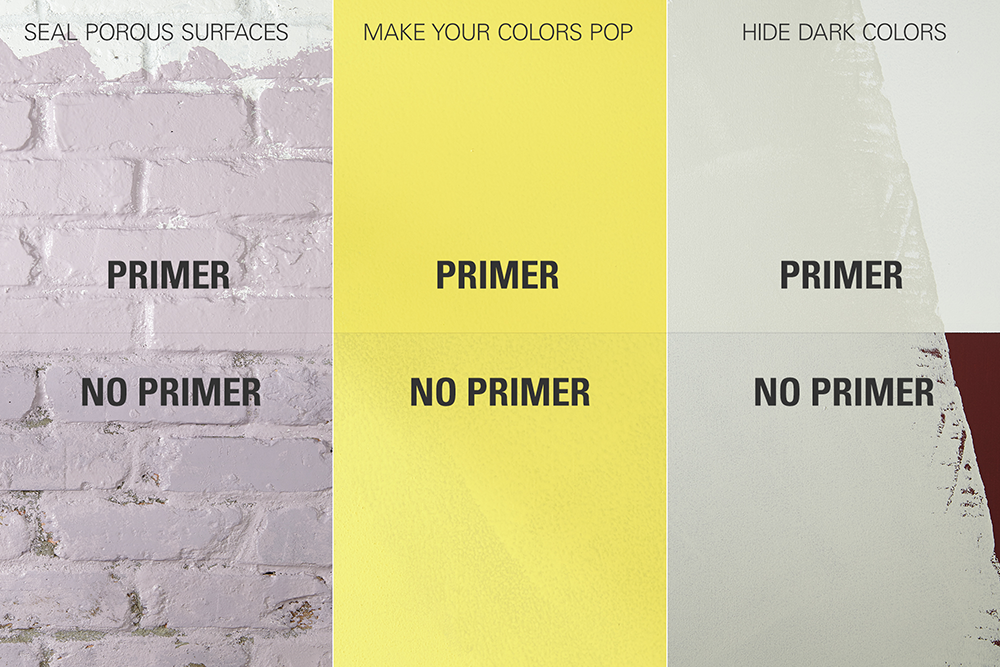
Credit: www.kilz.com
Primer Vs Paint — Side-by-side Comparison
Understanding the differences between primer and paint is key for any painting project. Both have unique roles that affect the final look and longevity of a surface. This side-by-side comparison explains their main features clearly. It helps you know when to use primer, when to use paint, and how they work together for the best results.
Adhesion & Surface Preparation
Primer improves how paint sticks to surfaces. It creates a smooth base that helps paint hold better and last longer. Without primer, paint might peel or chip quickly, especially on rough or shiny surfaces.
Primer works best on:
- New drywall or wood
- Surfaces with stains or repairs
- Glossy or metal surfaces
- Previously painted surfaces that need extra grip
Paint alone often struggles to stick well to these surfaces. It is designed mainly to add color and finish, not to bond deeply. Using primer first can save time and money by preventing peeling and uneven paint jobs.
Surface preparation steps with primer:
- Clean the surface to remove dirt and grease.
- Sand any rough spots for smoothness.
- Apply primer evenly and let it dry fully.
- Then apply paint over the primed surface.
Coverage & Color
Primer usually has a neutral color like white, gray, or beige. Its main job is to cover stains, marks, or uneven colors on the surface. Primer seals the surface, making it uniform so paint color shows true and even.
Paint provides the final color and finish. It comes in many shades and finishes, such as matte, satin, or gloss. Paint covers the primed surface and gives the desired look.
Key points about coverage and color:
- Primer blocks stains and old colors, preventing bleed-through.
- Primer reduces the number of paint coats needed.
- Paint adds the final color and texture.
- Painting directly on unprimed surfaces may need extra paint coats.
Using primer helps paint colors appear richer and more even. It also prevents patchy or blotchy results, especially on porous surfaces like wood or drywall.
Protection & Durability
Primer protects surfaces by sealing pores and creating a barrier against moisture and stains. This helps prevent damage like mold growth or water stains. It also stops the paint from soaking into the surface, which can cause fading.
Paint adds a protective layer on top of the primer. High-quality paint shields surfaces from UV rays, weather, and wear. Together, primer and paint increase the lifespan of the finish.
Durability benefits of primer and paint:
- Primer prevents peeling by improving paint adhesion.
- Primer seals porous surfaces to reduce moisture damage.
- Paint adds scratch resistance and color retention.
- Combined, they reduce maintenance and repainting needs.
Skipping primer can cause quicker paint failure, especially outdoors or in humid areas. Primer is essential for strong, long-lasting protection.
Costs & Application Time
Primer adds extra cost and time to a painting job. You need to buy primer and wait for it to dry before painting. This can increase labor and material expenses.
Paint is generally more expensive per gallon than primer, but you need less primer overall. Applying primer requires careful surface prep and a drying period, which can add hours to the project.
Cost and time considerations:
- Primer price is usually lower than premium paint.
- Primer application doubles the coating steps.
- Drying times vary: primer often needs more time to cure.
- Primer reduces paint coats, saving paint and labor later.
Using primer can save money in the long run by preventing paint failures. It also improves the final result, which avoids costly touch-ups. The extra step upfront leads to better value overall.
Comparison Table Of Primer Vs Paint
| Feature | Primer | Paint |
|---|---|---|
| Primary Function | Prepares surface, improves adhesion, seals pores | Adds color, finish, and protective coating |
| Color | Neutral (white, gray, beige) | Varies widely (many colors and finishes) |
| Coverage | Blocks stains, evens surface color | Covers primed surface with final color |
| Protection | Seals surface, resists moisture and stains | Protects from UV, scratches, and weather |
| Application | Requires surface prep, longer drying time | Applied after primer, dries faster |
| Cost | Lower per gallon, adds extra step | Higher per gallon, fewer coats after primer |
| Durability | Improves paint lifespan | Provides color and surface durability |
This table shows how primer and paint serve different but complementary roles. Using both properly ensures a strong, beautiful, and lasting finish on any project.
When To Use Primer
Primer is a special coating that prepares a surface before painting. It helps paint stick better and last longer. Knowing when to use primer saves time and money. It makes the paint look smooth and bright. Primer is not always needed. Use it in certain situations to get the best results.
New Surfaces
New surfaces often need primer because they are raw and porous. These surfaces include:
- Fresh drywall
- Bare wood
- Unpainted metal
- Concrete or masonry
Primer seals the surface and makes it less absorbent. Without primer, paint may soak unevenly and look blotchy. It also helps paint stick well to smooth or rough textures.
Using primer on new surfaces offers these benefits:
| Benefit | Explanation |
|---|---|
| Better adhesion | Paint sticks stronger to primed surfaces |
| Even finish | Prevents blotchy or patchy paint |
| Durability | Paint lasts longer without peeling or cracking |
Always apply primer to new drywall before painting. For bare wood, use a wood primer to block tannin stains and protect the wood. Metal surfaces need a rust-inhibiting primer to prevent corrosion.
Stained Or Damaged Areas
Stains and damage can ruin paint if not treated with primer first. Stains come from water, smoke, ink, or grease. Damaged areas include cracks, holes, or peeling paint.
Primer blocks stains so they do not show through new paint. It also helps repair damaged spots blend with the rest of the wall.
Steps to prepare stained or damaged areas:
- Clean the area to remove dirt and grease.
- Sand or scrape loose paint.
- Fill holes or cracks with spackle or putty.
- Apply stain-blocking primer over the affected spot.
Using primer here:
- Prevents stains from bleeding through paint
- Improves paint adhesion on rough patches
- Creates a smooth, uniform surface
Without primer, stains may appear again, and paint can peel from damaged spots. A quality primer designed for stain blocking is best for tough stains.
Changing Surface Types
Painting over a different surface type requires primer to help paint stick properly. Examples include:
- From glossy to matte surfaces
- From wood to metal
- From tile to drywall
Primer creates a bridge between two surfaces that do not bond well. It also improves paint coverage and finish.
Use a primer suited for the surface change:
| Old Surface | New Surface | Recommended Primer Type |
|---|---|---|
| Glossy Paint | New Paint | Bonding Primer |
| Wood | Metal | Rust-Inhibiting Primer |
| Tile | Drywall | Multi-Surface Primer |
Always clean and lightly sand the old surface before priming. This step helps primer stick better. Skipping primer on different surfaces may cause paint to peel or chip quickly.
When Can You Skip Primer?
Primer is a special coating applied before paint to prepare surfaces for better results. It helps paint stick well, covers stains, and creates a smooth base. But sometimes, skipping primer is possible and safe. Knowing when you can skip primer saves time and money. This section explains key signs that show skipping primer might cause problems instead of helping.
Poor Adhesion
Skipping primer can cause paint to peel or flake off quickly. Primer acts as a glue between the surface and paint. Without it, paint may not stick well, especially on smooth or glossy surfaces.
- New drywall: Always needs primer to seal porous surface.
- Glossy or sealed surfaces: Require primer for paint to hold.
- Metal or plastic: Usually need primer for strong adhesion.
Surfaces that have old paint in good condition and similar color paint may not need primer. But if you skip primer on rough or dirty surfaces, paint adhesion suffers.
| Surface Type | Primer Needed? | Reason |
|---|---|---|
| Bare wood | Yes | Seals porous wood and prevents peeling |
| Previously painted, same color | No | Good adhesion and coverage |
| Glossy surfaces | Yes | Improves paint sticking |
Uneven Finish
Primer helps create a smooth, even surface for paint. Skipping primer can lead to blotchy or patchy paint jobs. Paint may soak differently in some areas, causing uneven color and texture.
Primer blocks stains and hides surface flaws. Without it, paint shows imperfections clearly. Uneven finish reduces the beauty of the paint job.
- Porous surfaces absorb paint unevenly.
- Old stains or marks bleed through paint without primer.
- Different materials on the same surface cause color variation.
Use primer to get consistent paint color and smoothness. This is very important on new drywall, wood, or repaired walls.
Reduced Durability
Primer adds a layer that protects the surface and paint. It helps paint last longer by resisting peeling, cracking, and fading. Skipping primer makes paint less durable and more likely to fail.
Primer improves paint’s resistance to moisture and dirt. Without primer, paint may wear out quickly, especially in high-traffic or humid areas.
| Benefit of Primer | Result of Skipping Primer |
|---|---|
| Seals surface pores | Paint absorbs unevenly and fades faster |
| Improves paint adhesion | Peeling and cracking paint |
| Blocks stains and tannins | Stains bleed through paint |
In short, skip primer only on surfaces in good condition with matching paint. Otherwise, primer keeps paint looking fresh and strong for years.
2026 Sustainability Standards: Eco-friendly Primers Vs. Traditional Formulas
The 2026 sustainability standards push the paint industry to create products that harm the environment less. This affects both primers and paints. Eco-friendly primers are designed to meet these new rules. They use safer ingredients and release fewer harmful gases. Traditional primers often contain chemicals that can pollute the air and water. Choosing between eco-friendly and traditional primers matters for the planet and your health.
What Are The 2026 Sustainability Standards?
The 2026 standards focus on reducing volatile organic compounds (VOCs) and toxic chemicals in paints and primers. These rules aim to lower pollution and protect human health. Manufacturers must create products with less harmful substances. The standards also encourage the use of renewable and biodegradable materials.
Eco-friendly Primers: Key Features
- Low VOC content: Reduces harmful air pollution.
- Water-based formulas: Safer for indoor use and easier to clean.
- Natural ingredients: Often use plant-based or mineral materials.
- Biodegradable: Break down more easily in the environment.
- Improved indoor air quality: Less smell and fewer irritants.
Traditional Primers: Common Characteristics
- Higher VOC levels: Can cause headaches and respiratory issues.
- Solvent-based formulas: Strong smell and toxic fumes.
- Longer drying times: Uses harsh chemicals to seal surfaces.
- Non-biodegradable: Harmful to ecosystems after disposal.
- Widely available and often cheaper: But less safe for health and environment.
Comparison Table: Eco-friendly Vs. Traditional Primers
| Feature | Eco-Friendly Primers | Traditional Primers |
|---|---|---|
| VOC Levels | Low to very low | High |
| Base | Water-based | Solvent-based |
| Drying Time | Faster | Slower |
| Environmental Impact | Biodegradable, less toxic | Non-biodegradable, toxic waste |
| Indoor Air Quality | Improves air quality | Releases strong fumes |
| Cost | Usually higher | Usually lower |
Benefits Of Using Eco-friendly Primers In 2026
- Protects health: Less exposure to harmful chemicals.
- Supports environment: Reduces air and water pollution.
- Meets new laws: Complies with 2026 sustainability standards.
- Better indoor comfort: Fewer odors and irritants.
- Long-term savings: May reduce costs linked to health and cleanup.
Credit: www.differencebetween.net
Expert Verdict: Professional Recommendations For Every Substrate
Primer vs Paint: understanding which product to use is key for lasting results. Experts recommend different approaches based on the surface or substrate. This section shares professional advice for the most common materials you may paint.
Primer And Paint For Wood Surfaces
Wood often has knots, pores, and uneven textures. Priming wood is essential to seal these imperfections and prevent stains from bleeding through.
- Use a wood primer: blocks tannins and resins.
- Choose paint: acrylic or oil-based for exterior wood.
- Primer improves paint adhesion and durability.
Primer And Paint For Metal Substrates
Metal surfaces can rust and corrode quickly. Applying a metal primer prevents rust formation. It also helps paint stick better.
- Clean the metal thoroughly.
- Apply a rust-inhibiting primer.
- Finish with enamel or oil-based paint for protection.
Primer And Paint For Drywall And Plaster
Drywall and plaster are porous and absorb paint unevenly. Priming creates a smooth, uniform surface. This reduces paint waste and improves coverage.
| Substrate | Recommended Primer | Recommended Paint |
|---|---|---|
| Drywall | Latex primer or drywall primer | Latex or acrylic paint |
| Plaster | Alkyd or oil-based primer | Water-based or oil-based paint |
Primer And Paint For Concrete And Masonry
Concrete and masonry are rough and porous. Primers seal surfaces and prevent moisture from damaging paint.
- Use masonry or concrete primer.
- Choose elastomeric or acrylic paint for flexibility.
- Proper priming prevents peeling and cracking.
Choosing The Right Primer
Choosing the right primer is a crucial step before painting any surface. A primer prepares the surface, improves paint adhesion, and increases the durability of the finish. Picking the correct primer depends on the material you are painting and the environment it will face. Knowing the differences between types of primers helps achieve a smooth, long-lasting result.
Oil-based Vs Water-based
Oil-based and water-based primers each have unique qualities that suit different projects. Oil-based primers are known for strong adhesion and sealing power. They block stains, knots, and tannins from wood. These primers dry slowly but provide a hard, durable surface.
Water-based primers dry faster and have less odor. They clean up easily with soap and water. Water-based primers are ideal for drywall and soft woods. They also work well under latex paints.
| Feature | Oil-Based Primer | Water-Based Primer |
|---|---|---|
| Drying Time | Slow (6-8 hours) | Fast (1-2 hours) |
| Odor | Strong | Low |
| Cleanup | Solvent Required | Soap and Water |
| Best For | Wood, Metal, Stain Blocking | Drywall, Softwood, Latex Paints |
Choose oil-based primers for tough stains and exterior wood. Water-based primers suit interior walls and quick projects.
Specialty Primers
Specialty primers serve unique purposes and surfaces. These primers solve problems that regular primers cannot handle. Examples include:
- Stain-blocking primers: Block water, smoke, and ink stains.
- Mildew-resistant primers: Prevent mold growth in damp areas.
- Bonding primers: Stick well to glossy or slick surfaces.
- High-hide primers: Cover dark colors or uneven surfaces.
Using a specialty primer ensures better paint coverage and longer-lasting finishes. For instance, stain-blocking primers stop tough stains from bleeding through paint. Bonding primers allow paint to stick to surfaces like glass or tile.
Specialty primers save time and effort by preventing common painting problems. They also improve the look of the final coat by creating a smooth base.
Metal, Masonry, And Plastic
Different materials need specific primers for the best results. Metal, masonry, and plastic each have unique surfaces that require special care.
- Metal primers: Protect against rust and corrosion. They promote paint adhesion on smooth metal surfaces.
- Masonry primers: Seal porous materials like brick and concrete. They prevent moisture from seeping in.
- Plastic primers: Help paint stick to slick, non-porous plastics. They reduce peeling and flaking.
| Material | Type of Primer | Purpose |
|---|---|---|
| Metal | Rust-inhibiting Primer | Prevent rust and improve adhesion |
| Masonry | Sealing Primer | Seal porous surfaces and block moisture |
| Plastic | Adhesion Primer | Help paint stick to slick surfaces |
Choose the right primer for each material to avoid peeling, bubbling, or rust. Proper priming ensures a smooth, durable finish.
Interior Vs. Exterior
Primers designed for interior and exterior use have different features. Exterior primers must withstand weather, moisture, and sunlight. Interior primers focus on smooth coverage and stain blocking.
- Exterior primers: Resist UV rays, rain, and temperature changes. They often contain mildew inhibitors.
- Interior primers: Provide a clean, smooth surface. They block stains and odors inside the home.
Using exterior primer indoors or vice versa can reduce paint performance. Exterior primers may emit strong odors and chemicals not suited for indoor air quality. Interior primers might not protect well against outdoor conditions.
Match the primer to the location for the best results and longevity.
Credit: abutterflyhouse.com
Applying Primer And Paint
Applying primer and paint is a key step in any painting project. Primer prepares the surface to hold paint better. Paint adds color and protection. Understanding how to apply both properly improves the final look and durability. This section explains the best practices for surface cleaning, application techniques, and drying times for primer and paint.
Surface Cleaning
Cleaning the surface before applying primer or paint is crucial. Dirt, dust, grease, and old paint prevent good adhesion. A clean surface helps primer and paint stick well. Follow these steps:
- Remove dust and dirt: Use a broom, vacuum, or cloth to clear loose debris.
- Wash greasy or oily spots: Use warm water and mild detergent. Rinse thoroughly.
- Scrape loose paint: Use a paint scraper or wire brush to remove peeling paint.
- Sand rough areas: Smooth the surface with fine sandpaper for better primer grip.
- Dry the surface: Allow it to dry completely before applying any product.
Here is a simple checklist for surface cleaning:
| Step | Action | Purpose |
|---|---|---|
| 1 | Remove dust and dirt | Clear debris for smooth surface |
| 2 | Wash grease and oil | Remove slippery residues |
| 3 | Scrape loose paint | Ensure paint adheres well |
| 4 | Sand rough spots | Improve primer and paint grip |
| 5 | Dry surface | Prevent trapping moisture |
Application Techniques
Proper technique affects the finish quality and paint life. Primer and paint need different approaches but share some steps. Use these tips for smooth application:
- Choose the right tool: Brushes for small areas, rollers for large flat surfaces, and sprayers for fast coverage.
- Apply primer first: Use thin, even coats. Avoid thick layers that can drip or peel.
- Allow primer to dry: Follow manufacturer instructions before painting.
- Apply paint in thin coats: Multiple thin layers give better coverage and durability.
- Use smooth, even strokes: Maintain a wet edge to avoid marks or streaks.
- Work in sections: Complete one area before moving on to keep edges clean.
Here is a quick comparison of tools for application:
| Tool | Best For | Advantages |
|---|---|---|
| Brush | Trim, corners, small areas | Precision, easy control |
| Roller | Walls, ceilings, large flat areas | Fast, even coverage |
| Sprayer | Large or textured surfaces | Quick, smooth finish |
Drying Times
Drying time varies by product type, temperature, and humidity. Proper drying ensures a strong bond and smooth finish. Follow these general guidelines:
- Primer drying: Usually 1 to 4 hours. Some primers need longer for full curing.
- Paint drying: Touch dry in 30 minutes to 1 hour. Recoat after 2 to 4 hours.
- Full curing: Can take up to 7 days for paint to harden completely.
Factors affecting drying times:
- Temperature: Warm conditions speed up drying.
- Humidity: High moisture slows drying.
- Ventilation: Good airflow helps evaporation.
Use this drying time table as a basic reference:
| Product | Touch Dry | Recoat Time | Full Cure |
|---|---|---|---|
| Primer | 1-4 hours | N/A | 24 hours |
| Latex Paint | 30-60 minutes | 2-4 hours | 7 days |
| Oil-Based Paint | 6-8 hours | 24 hours | 7 days |
Patience during drying avoids damage and uneven finish. Always check product labels for exact times.
Common Myths
Primer and paint are essential for a good paint job. Many people confuse their roles and have wrong ideas. These common myths can lead to poor results and wasted money. Knowing the truth helps choose the right product and get better finishes.
Myth 1: Primer And Paint Are The Same
This is not true. Primer prepares the surface for paint. It sticks to raw surfaces and blocks stains. Paint adds color and protection. Skipping primer can cause paint to peel or look uneven.
Myth 2: You Don’t Need Primer On New Drywall
New drywall has a porous surface. Paint alone soaks in and looks patchy. Primer seals the drywall, making paint cover better and last longer.
Myth 3: One Coat Of Paint Can Replace Primer
Paint can’t do primer’s job well. Primer helps paint stick and hides imperfections. One coat of paint may look thin and uneven. Use primer first for a smooth, strong finish.
Myth 4: Primer Is Only Needed For Dark Colors
Primer is useful for all colors. It hides stains, repairs, and old colors. Light and dark paints both benefit from a primer base. This saves paint and improves color brightness.
Myth 5: Primer Is A Waste Of Time And Money
Primer saves money by reducing paint coats. It stops stains and repairs from showing. A good primer improves paint durability and look. It is a smart step, not a waste.
| Myth | Fact |
|---|---|
| Primer and paint are the same | Primer prepares surface; paint adds color and protection |
| No need for primer on new drywall | Primer seals drywall for even paint coverage |
| One coat of paint replaces primer | Primer improves adhesion and hides imperfections |
| Primer only needed for dark colors | Primer helps all colors and hides stains |
| Primer wastes time and money | Primer saves paint and improves finish durability |
Frequently Asked Questions
What Is The Main Difference Between Primer And Paint?
Primer prepares the surface for paint by sealing and improving adhesion. Paint provides color and a protective finish to surfaces.
Can Paint Be Applied Without Primer?
Paint can be applied without primer, but it may not adhere well. Primer ensures better coverage and durability for paint.
How Does Primer Improve Paint Durability?
Primer seals porous surfaces and blocks stains. This creates a stable base, helping paint last longer and resist peeling or cracking.
When Should I Use Primer Before Painting?
Use primer on new, repaired, or bare surfaces. It’s essential for surfaces prone to stains, rust, or uneven texture.
Conclusion
Primer and paint serve different but important roles in painting. Primer helps the paint stick better and covers flaws. Paint adds color and protects the surface. Using both creates a smooth and lasting finish. Skipping primer can cause paint to peel or look uneven.
Choose primer for bare or damaged surfaces first. Then apply paint for the final look. This simple step keeps your walls strong and beautiful longer. Remember, good preparation leads to better results every time.
Related posts:
 Zinsser 123 Primer vs BIN -Coverage, Stain Blocking & Performance Compared
 Can You Paint Expanding Foam Tape? – Mistakes to Avoid for a Clean Finish
 Can You Paint Over Zinsser Gardz? (2026) – Yes, Here’s How to Do It,Mistakes to Avoid
 Is Zinsser Gardz a Primer? – Sealer, Primer, or Special Treatment, Pro Advice?