Should I Use Wood Brightener After Sanding?
Yes, using a wood brightener after sanding is recommended, especially for exterior wood projects. Sanding can leave the wood looking dull or uneven in color, while a wood brightener helps restore natural tone, neutralize residue, and open the wood pores for better stain absorption. This step improves the final appearance and helps stains or sealers bond more evenly and last longer.
Yes. In most cases, use a wood brightener after sanding to reset color and pH.
If you have ever asked, should i use wood brightener after sanding, you are not alone. I have finished decks, fences, and furniture for years. The right brightener can turn a pretty good prep into a pro finish. This guide breaks it all down in plain words so you can make the best call for your wood and your stain plan.
What a wood brightener does and why it matters after sanding
Sanding makes wood smooth. It also pushes dust into pores and can burnish the surface. A wood brightener resets the wood. It clears fine grime, balances pH, and opens the grain.
Most brighteners use oxalic or citric acid. They lift tannin and iron marks. They even out color on grey or UV-worn boards. They also help stain soak in and bond better. So, when you ask should i use wood brightener after sanding, think about color, pH, and absorption.
From my jobs on cedar and redwood, brightener often made the stain look rich. It cut blotches and soft spots. On pine decks, it helped stop that dull, patchy look you see when stain fights sealed fibers.
If your wood looks dull and dark after scrubbing, the debate of wood cleaner vs wood brightener holds the key to restoring that “like-new” honey glow.
When you should use wood brightener after sanding
If you cleaned with an alkaline before you sanded, you should likely brighten. The acid neutralizes the high pH left by many cleaners. That helps stain cure well. It also helps color settle smooth. You are asking, should i use wood brightener after sanding, when the wood looks flat or patchy. The answer is often yes in these cases.
Use brightener after sanding when:
- You see grey, UV-worn wood even after sanding. Brightener restores tone.
- You have cedar or redwood with tannin bleed or dark streaks.
- You spot iron or nail stains on oak, pine, or fir.
- You pressure washed, then sanded. The wood may still need pH reset.
- You sanded ipe or teak and want better oil soak. Brightener can help.
Quick decision rules:
- If you used a sodium percarbonate or bleach wash, brighten.
- If the wood shows blotches or closed grain, brighten.
- If the wood looks clean, fresh, and even, test first. If a water drop beads up, brighten. If it soaks in steady, you may be fine.
On indoor furniture, be selective. You can often skip it if color is even and you plan a conditioner. But for decks, fences, and siding, my default is yes. For many outdoor jobs, should i use wood brightener after sanding is an easy yes.
When you can skip wood brightener (and what to do instead)
You can skip brightener when the wood is new, dry, and even in color. The surface should be sanded to a consistent grit. It should also pass the water drop test with steady soak. In that case, you do not need to ask should i use wood brightener after sanding. You are set.
Good options instead:
- Water pop. Wipe or mist the surface with clean water to open grain.
- Use a pre-stain wood conditioner on blotch-prone softwoods.
- Do a test board. If the stain lays flat and even, go ahead.
I skip brightener on many indoor maple or birch projects. I use a conditioner and thin stain coats. On oak with iron marks, though, oxalic still wins.

Step-by-step: How to use wood brightener after sanding
If your answer to should i use wood brightener after sanding is yes, follow this simple plan. Keep work small and even. Take your time.
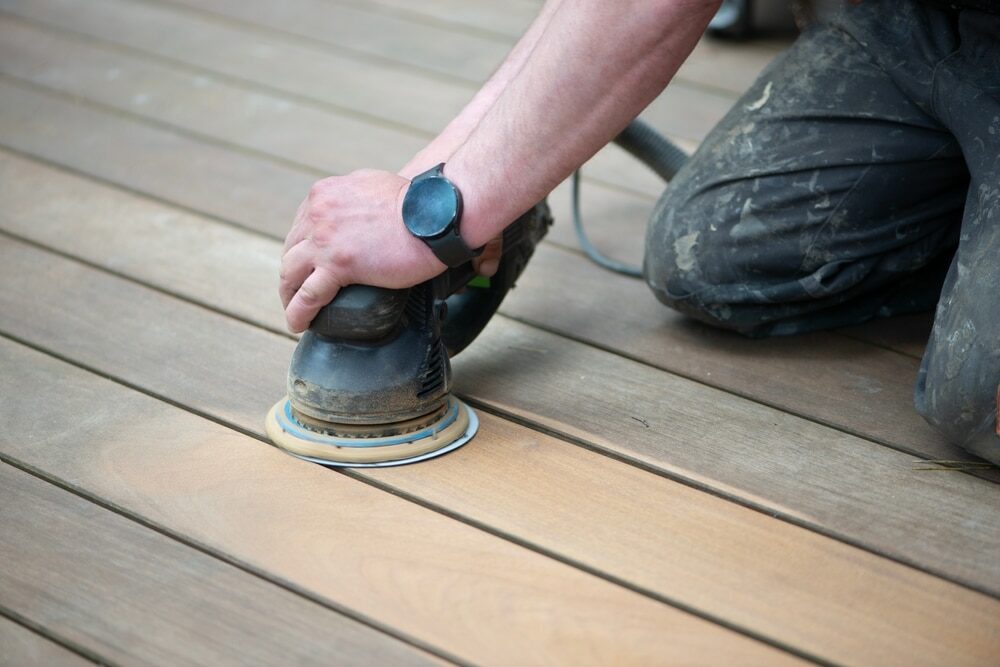
- Finish sanding. For decks, 60–80 grit is common. For furniture, 120–180 grit is safe. Vacuum and wipe off dust.
- Lightly wet the surface with clean water. Do not soak it.
- Mix the brightener as the label says. Use cool water and stir well.
- Apply with a pump sprayer, brush, or pad. Work in the shade. Keep a wet edge.
- Let it dwell 5–15 minutes. Do not let it dry. Mist more if needed.
- Lightly scrub with a soft brush to lift fines and stains.
- Rinse well with low pressure water. Rinse until the runoff is clear.
- Let it dry. Decks often need 24–48 hours. Indoors will be faster with air flow.
- Check the feel. If it is fuzzy, a quick pass with a fine sanding pad is enough.
- Stain within the maker’s window. Many like 24–72 hours after brightening.
Pro tip: On hardwood floors, I rarely use brightener. I prefer water pop for oil stain. On old oak with black marks, I spot treat with oxalic and then water pop the whole field.

Choosing the right wood brightener for your project
Not all products act the same. Pick one that fits your wood and finish. When people ask should i use wood brightener after sanding, I also ask which brightener.
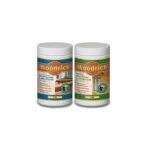
- Oxalic acid powders. Strong on iron and tannin stains. Great for cedar, redwood, oak, and pine.
- Citric acid blends. Milder, more eco friendly, still good for color reset and pH.
- Two-part systems. Often used on logs. Powerful, but follow the steps with care.
- Ready-to-use liquids. Easy for small pieces and spot fixes.
Match the product to the stain type. Many stain makers suggest a brightener step. Read both labels. Test on a small, hidden spot to confirm color and grain look.
Common mistakes and how to avoid them
I see the same slip-ups out in the field. Most are easy to fix. If you keep asking should i use wood brightener after sanding, also ask how to use it right.
Avoid these errors:
- Uneven wetting and dry patches. Work in shade and keep it wet.
- Over-strength mixes. Start with the label rate. Stronger is not always better.
- Skipping the rinse. Residue can hurt stain bond and color.
- Working in hot sun or wind. The solution will flash dry and leave marks.
- Letting metal sit on wet wood. You can get new iron stains fast.
Take notes on your mix, time, and weather. That record will save you on the next job.

Safety, cleanup, and environmental tips
Brighteners are acids. They need care. Ask yourself not only should i use wood brightener after sanding, but also how to stay safe.
- Wear gloves, goggles, and old clothes.
- Ventilate indoors. Use fans and open windows.
- Protect plants with water before and after you apply. Rinse them well.
- Mix only what you need. Do not dump strong mix on soil or drains.
- Store powders and liquids out of reach of kids and pets.
Rinse tools with lots of water. Let rags dry flat in open air. Bag and toss them by local rules.

Cost, time, and results: what to expect
The step is fast and low cost. Powders go a long way. Liquids save time on small jobs. Many readers ask should i use wood brightener after sanding because they fear extra work. The truth is it adds a little time and can save a lot of headache later.
Typical ranges:
- Materials. Five to twenty dollars for small pieces. Twenty to fifty dollars for a deck.
- Time. One to three hours for a deck section, plus dry time.
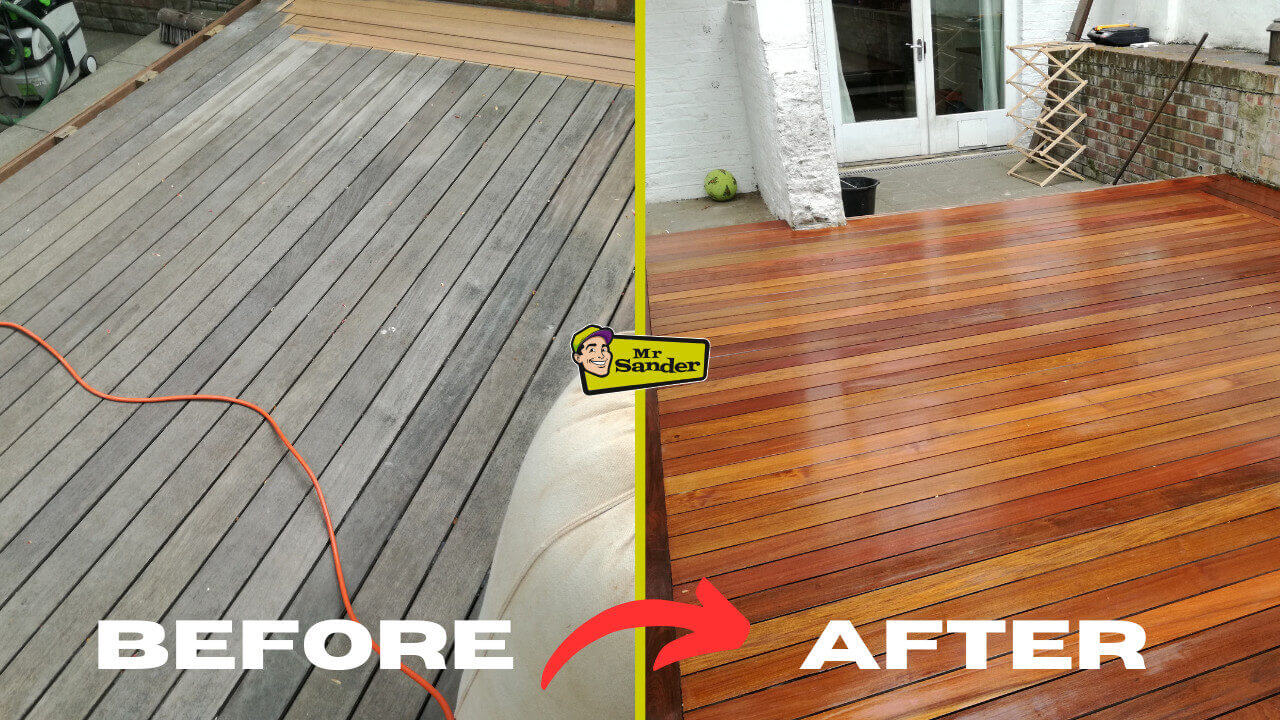
- Result. Richer color, smoother tone, and better stain life.
The look after brightening often sells the project. The wood pops. The stain lays even. Clients notice.
Frequently Asked Questions of should i use wood brightener after sanding
Should I use wood brightener after sanding a deck?
Yes, in most deck jobs it helps a lot. It resets pH after cleaning and evens color for stain.
Will brightener help if I only sanded and did not clean first?
It still can. It opens grain and lifts light stains that sanding might not remove.
Can I stain right after brightening?
Wait until the wood is dry. Many products need 24–48 hours before stain goes on.
Does brightener lighten wood too much?
It can lighten dark stains and tannin marks. It should not bleach wood white if mixed and rinsed right.
Is brightener safe for indoor furniture?
Use care and good airflow. Spot treat, rinse with a damp wipe, and test first.
What grit should I sand to before I brighten and stain?
For decks, 60–80 grit is common. For furniture, 120–180 grit works well, then brighten if needed.
Will brightener fix swirl marks or deep scratches?
No. It will not remove sanding marks. You must sand those out before you brighten.
Conclusion
If you want clean color, even tone, and solid stain grip, a brightener is a smart step. Ask yourself should i use wood brightener after sanding, then check your wood, your prep, and your stain plan. In many outdoor cases, the answer is yes.
Try a small test area and let the results guide you. A few extra minutes can protect your work and boost the final look. If this helped, subscribe for more simple finishing guides, or drop a comment with your project details so I can help you plan the next step.