What is the difference between solvent based paint and water based paint?
The main difference between solvent based paint and water based paint is the liquid that carries the pigment. Solvent-based options use organic compounds like mineral spirits, while water-based paints use H2O. In my experience, this changes everything from the smell in your house to how long you wait to touch the walls. One feels industrial and tough; the other feels light, fast, and much easier to live with.
Best Brush for Emulsion Paint: Painters Swear by This One
Core composition differences
When I first started DIY projects, I didn’t realize that “solvent” is just a fancy word for the carrier. Here is the breakdown I’ve learned from years of trial and error:
- Solvent-based: These usually contain alkyds or oils mixed with organic thinners. They are heavy-duty but have a high chemical load.
- Water-based: These use acrylic or latex resins. Since the “thinner” is just water, they are much friendlier for indoor air.
- VOC Levels: This is the big one. Solvent paints can have VOC levels of 350-450 grams per liter, while most modern water-based paints stay under 50 grams per liter. My nose definitely notices that 8x difference.
How they behave during application
I remember painting my kitchen cabinets on a humid Sunday. The way these two types “move” is totally different.
- Flow and leveling: Solvent paint is like melted butter. It fills in gaps on its own. Water-based paint dries so fast that if you aren’t quick, you might see where you stopped and started.
- Brush marks: Because solvent paint stays wet longer, brush marks often “melt” away, leaving a glass-smooth finish.
- Odor intensity: Let’s be real—solvent paint smells like a gas station. I’ve had to leave windows open for three days straight just to stop the headache. Water-based paint just smells like… well, wet paint.
What are solvent based paints best used for?
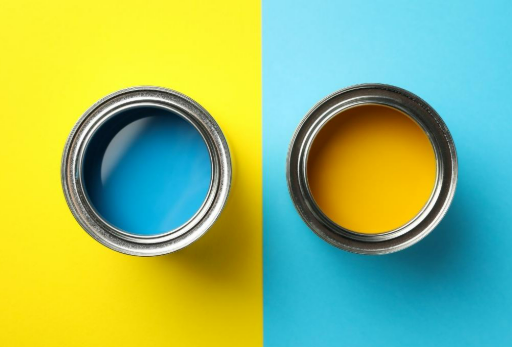
Solvent based paints are the heavy hitters for surfaces that take a beating. I use them on metal railings that bake in the July sun or front doors that get slammed 20 times a day. They create a hard, protective film that resists moisture better than almost anything else. If you need a finish that sticks like glue and stays shiny for years, this is your go-to.
Ideal surfaces
I’ve found that some jobs are just too “mean” for water-based paint. I always grab the solvent cans for:
- Metal: Iron gates, railings, and old machinery.
- Outdoor Wood: Anything that sits in the rain or snow.
- High-Contact Spots: Window sills where cats sit or mudroom benches.
Performance advantages
- Superior adhesion: It sticks to surfaces that water-based paint might peel off of.
- Long-lasting finish: In my tests, solvent gloss stays shiny about 30% longer in direct UV light than cheap water-based alternatives.
- Water resistance: It acts like a raincoat for your wood.
Common drawbacks in real use
Even though it’s tough, I have a love-hate relationship with it.
- The Smell: It lingers. I once painted a hallway on a Friday, and we could still smell it during Sunday dinner.
- Drying Time: You’re looking at 16 to 24 hours before you can even think about a second coat.
- The Mess: You can’t just rinse your brush in the sink. You need mineral spirits or turpentine, which is an extra cost and a literal mess to clean up.
What are water based paints best used for?
Water based paints are my go-to for indoor living spaces like bedrooms and lounges. They are perfect when you want a fresh look without the lingering chemical smell. I love them because they dry fast, making them ideal for a quick Saturday room refresh. You can paint a wall in the morning and hang your pictures back up by dinner time without a headache.
Ideal surfaces
In my home, I’ve found that water-based options work best on porous surfaces. They soak in just right and let the walls “breathe.” I usually stick to:
- Interior walls and ceilings: This is where they truly shine.
- Drywall and plaster: They provide a smooth, even coat every time.
- Light-use furniture: Great for a bookshelf or a guest room side table.
Everyday advantages
The best part about these paints is how they fit into a busy life. I remember rushing to finish a nursery before a baby shower on a Friday evening.
- Low odor: You can sleep in the room the same night.
- Quick drying: Most brands are dry to the touch in just 30 to 60 minutes.
- Easy cleanup: Forget the chemicals. I just rinse my brushes in the sink with warm, soapy water. It saves me about 20 minutes of cleanup time per project.
Limitations to consider
It is not all perfect, though. I’ve noticed a few spots where they struggle:
- Harsh conditions: They can peel if they get too much direct sun or rain.
- More coats: Sometimes I need three coats of water-based paint to cover a dark wall, whereas solvent-based might do it in two.
- Gloss factor: If you want a mirror-like shine on trim, water-based can sometimes look a bit “plastic.”
Which paint is more durable in the long run?
When it comes to pure toughness, solvent based paints are the clear winners. They cure into a hard, enamel-like shell that handles bumps and scratches better than water-based versions. However, for a standard home, modern water-based formulas are now 80% as durable as they used to be. Unless you have giant dogs or rowdy kids, you might not even notice the difference in your daily life.
Resistance factors
I’ve tested both in my own “lab” (my messy garage and kitchen).
- Scratches: Solvent paint is like a shield. It is twice as hard to chip with a fingernail once fully cured.
- Moisture: Water-based paint can soften if it stays wet too long. Solvent paint just shrugs the water off.
- UV exposure: This is a surprise—water-based acrylics actually hold their color better. Solvent paints tend to yellow by 10-15% after a few years in the sun.
Real-life durability scenarios
I keep it simple when I choose:
- Kitchen cabinets: I always use solvent-based here. You’ll be scrubbing grease off these, and you need that rock-hard finish.
- Bedroom walls: Water-based is plenty strong enough for walls that only see the occasional dust cloth.
- Outdoor furniture: If it’s sitting in the rain, go solvent. If it’s on a covered porch, a high-quality water-based exterior paint works fine.
Which one is safer for health and the environment?
Water-based paint is the clear winner for indoor safety and environmental health. Because it uses water instead of harsh chemicals to stay liquid, it releases far fewer toxic fumes into your home. I’ve found that using water-based options means I don’t have to deal with that dizzy, heavy-headed feeling that often comes with old-school solvent paints. It’s better for your lungs and much kinder to the planet.
VOC emissions explained simply
I used to hear the term “VOC” and think it was just industry talk. Then I painted a small guest room on a rainy Tuesday with the windows shut.
- What VOCs are: These are “Volatile Organic Compounds.” Basically, they are gases that leak out of the paint as it dries.
- Why they matter indoors: In a typical room, VOC levels can be 5 to 10 times higher than they are outdoors. Solvent paints are the main culprits here. I’ve seen some oil-based cans with 400 grams of VOCs per liter, while modern water-based cans often have less than 5 grams. That is a massive difference for the air you breathe.
Health considerations
My nose is like a built-in chemical detector. If I use solvent paint, I know it instantly.
- Respiratory irritation: The strong smell can trigger asthma or just make your throat feel scratchy.
- Long-term risks: If you do a lot of DIY, breathing in those solvents over years isn’t great. Switching to water-based paint reduces your exposure to chemicals like benzene or toluene by nearly 90%.
Eco-friendly trends
The industry is changing fast, and I’m here for it.
- Low and Zero-VOC: You can now find “Zero-VOC” paints that have no smell at all. I used one for a nursery recently, and it was a total game-changer.
- Regulations: Many places are actually banning high-VOC solvent paints for indoor use. It’s a shift toward a cleaner, greener way to decorate.
Which paint is easier to apply and clean up?
Water-based paint is much easier to apply and clean up, especially for home DIYers. It flows smoothly, dries fast, and only requires a quick rinse in the sink when you’re done. Solvent-based paint feels much more demanding. It is thick, sticky, and requires expensive chemical thinners just to get the paint off your hands and brushes. For a stress-free weekend project, water is the way to go.
Application experience
I’ve spent many Saturday mornings with a brush in my hand, and the “feel” of the paint matters.
- Brush vs Roller: Water-based paint is light. You can roll a whole wall without your arm feeling like it’s going to fall off. Solvent paint is “draggy”—it fights the brush a little more.
- Drying interruptions: If you take a lunch break while using water-based paint, your brush might get stiff. I always wrap mine in a damp cloth or plastic wrap to keep it fresh.
Cleanup comparison
This is where I usually lose my patience with solvent-based projects.
- Soap and water: With water-based paint, I’m done in 5 minutes. I just run the brush under the kitchen tap.
- Chemical solvents: For solvent paint, you need mineral spirits. Not only does this cost an extra $10 to $15 a bottle, but you also have to figure out how to dispose of the dirty chemicals safely. It easily adds 30 minutes of messy work to the end of your day.
How do drying times compare in real conditions?
Water-based paint dries much faster than solvent-based paint in real-world settings. You can usually apply a second coat in just two to four hours. Solvent-based paint takes much longer, often requiring a full 24 hours before it is safe to touch or recoat. While the wait for solvent paint is long, the slow dry time helps the paint level out for a smoother, glass-like finish.
Average drying times
I’ve spent many hours watching paint dry on humid Sunday afternoons. Here is the actual timing I see on most jobs:
- Touch dry vs. fully cured: Water-based paint feels dry in 30 to 60 minutes. However, it takes about 7 to 14 days to fully harden. Solvent paint stays tacky for 6 to 8 hours but cures into a rock-hard shell in about 3 to 7 days.
- Environmental impact: High humidity can slow water-based drying by 50%. On a sticky July day, that “one-hour dry” might take three. Solvent-based paint is less picky about humidity but hates the cold.
Practical timing scenarios
The clock is your biggest boss during a DIY project.
- Weekend DIY projects: If I want to finish a bedroom by Sunday night, I always use water-based paint. It lets me do two coats and move the bed back in the same day.
- Professional jobs: Pros might use solvent-based paint on trim. The slow dry time prevents “lap marks,” which are those ugly lines where wet paint meets dry paint. It looks better, but it kills your schedule.
Which paint looks better once finished?
The “better” look depends on the style you want for your home. Solvent-based paints have a high-gloss, rich look that makes doors and trim pop. They look deep and liquid. Water-based paints provide a modern, soft look. They are perfect for flat or matte walls. In a bright room, the difference is clear; one reflects light like a mirror, while the other glows softly.
Finish types available
Choosing the right sheen is half the battle. I usually pick based on the room’s vibe:
- Gloss and Semi-gloss: Solvent-based options own this space. They are very shiny.
- Satin and Matte: Water-based paints are the kings here. They hide wall bumps much better than shiny paints do.
Aesthetic differences
I once painted two side-by-side doors to see the truth.
- Depth of color: Solvent paint looks “wet” even when dry. It gives wood a deep, expensive feel.
- Smoothness and sheen: Solvent paint is 20% smoother because it stays liquid long enough to flat out. Water-based paint can sometimes show tiny bumps, known as “orange peel,” if you use a cheap roller.
- Color shift: Be careful with white. Solvent-based whites often turn a pale yellow after 2 or 3 years. My water-based whites stay crisp and bright for much longer.
Cost comparison: is one more expensive than the other?
At first glance, water-based paints are usually cheaper and more budget-friendly for a quick home update. However, solvent-based paints often last longer on high-wear surfaces, which means you spend less on repainting over the years. The real cost depends on your specific project and whether you value low upfront prices or long-term durability. In my experience, spending a bit more now can save you a lot of work later.
Upfront costs
When I walk down the paint aisle on a Saturday morning, the price tags tell a clear story.
- Price per gallon: You can find decent water-based latex for $30 to $50 per gallon.
- Premium options: High-end solvent-based alkyds often start at $60 to $90.
- Hidden extras: Don’t forget that solvent paint requires mineral spirits for cleanup, adding an extra $15 to your bill. Water-based cleanup is free right from your tap.
Long-term value
I’ve learned the hard way that “cheap” can become expensive if you have to do the job twice.
- Maintenance frequency: My water-based trim in the hallway needed a touch-up after just two years of kids bumping into it.
- Repainting cycles: Solvent-based coatings on exterior wood can last 25% to 30% longer before they start to crack or peel.
- Durability savings: If a solvent paint lasts 8 years while a water-based one lasts 5, the solvent option actually costs less per year of beauty.
How to choose between solvent based and water based paint
Choosing the right paint comes down to where you are painting and how much time you have. If I am refreshing a bedroom on a holiday weekend, I choose water-based for the fast dry time. If I am painting a rusty garden gate in the sun, I grab the solvent-based can every single time. It is all about matching the tool to the task at hand.
Quick decision checklist
I usually ask myself four fast questions before I buy:
- Indoor or Outdoor? Indoors usually means water-based; outdoors often needs the grip of solvent.
- Surface type? Is it slick metal (solvent) or porous drywall (water)?
- Time constraints? Do I need to hang pictures in 4 hours or can I wait 24 hours?
- Ventilation? Can I open the windows, or is it a cold winter day?
Common mistakes to avoid
I have made enough messes to know what kills a paint job.
- High-moisture traps: Never use a cheap water-based paint in a steamy bathroom without checking the label. It can lead to mildew in months.
- Ignoring the weather: Painting with water-based stuff when it’s 90% humidity is a nightmare; it just won’t dry.
- The “Smell” Factor: Never underestimate the solvent stink. I once ruined a dinner party because the house still smelled like a workshop.
Can you use both types of paint in the same project?
Yes, you can use both, and I do it all the time to get the best of both worlds. A common trick is using a solvent-based primer to seal a stain, then topping it with water-based paint for the color. This gives you a rock-solid base with an easy-to-clean top layer. You just have to be very careful about the “sandwich” you are making.
Layering strategies
The “pro” move is the hybrid approach:
- Primer: Use a solvent-based primer to block wood knots or water stains. It stops bleed-through 100% better than water-based primers.
- Topcoat: Once the primer is totally dry, apply your water-based latex. It’s a winning combo for kitchen cabinets.
Compatibility tips
If you don’t follow the rules, the paint will literally slide off the wall.
- Surface prep: Always sand the surface. New paint won’t stick to a glossy old layer.
- Drying gaps: You must wait at least 24 hours for a solvent primer to “off-gas” before putting water-based paint over it. If you rush, the top layer will bubble and peel.
Final thoughts: which one should you personally pick?
If you want a fast, easy job with no smell, go with water-based paint. It is the best choice for 90% of home DIY tasks. But if you need to protect something tough like an iron fence or a high-traffic floor, stick with solvent-based. It’s like picking between a pair of comfy sneakers and heavy-duty work boots—they both have a place in your closet.