Spray paint works best within a specific temperature range, usually between 50°F (10°C) and 90°F (32°C), depending on the brand and type. Painting below this range can cause poor adhesion, uneven coverage, and slow drying, while temperatures above it may cause bubbling, running, or overspray issues. For optimal results, apply spray paint in a well-ventilated area, avoid direct sunlight, and follow the manufacturer’s instructions regarding temperature and humidity conditions.
Top Tools for Weather-Proof Painting
Product Why it’s the Best for Temperature Control Key Feature Etekcity Infrared Thermometer Pro Precision. Air temp doesn’t matter if the metal is freezing. Laser-point accuracy for surface temps. Wagner Home Decor Spray Shelter Environment Control. Blocks wind and helps maintain heat. Pop-up design with integrated floor. Krylon Fusion All-In-One Best “Forgiving” Paint. Better adhesion in sub-optimal temps. No-prep formula; fast 20-min dry time.
Have you ever stepped outside on a crisp Tuesday morning, coffee in hand, ready to tackle that old metal mailbox? I did exactly that last October. The air felt fresh, the sun was peeking through the trees, and I thought it was the perfect time for a quick DIY fix.
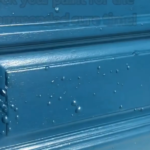
I started spraying, but within minutes, my project turned into a mess. Instead of a sleek, glossy finish, the paint began to sag. It clumped into weird, bumpy textures that looked more like orange peel than smooth enamel. I ended up with blue drips all over my shoes and a mailbox that looked worse than when I started.
That “quick project” taught me a hard lesson: your spray paint temperature range is the most important tool in your kit. It isn’t just about the number on the thermometer; it’s about how the paint flows and sticks. If the air is too chilly or the metal is too cold, the paint just won’t cooperate.
To get those professional, long-lasting results we all want, you have to play by the rules of physics. Let’s talk about how to find that “sweet spot” so you can avoid my messy mistakes and get a perfect finish every time.
Best Budget Moisture Meter (2026) – Accurate & Affordable for Home, Wood, and Construction
Understanding the Spray Paint Temperature Range
In my early DIY days, I thought a thermometer was just for checking a fever. I learned the hard way that temperature isn’t just a number. It is the secret sauce for a professional finish. It changes how your paint flows, how it sticks, and how long it lasts. If the air is too bitey or too sticky, your project will feel it.
What Is the Ideal Temperature for Spray Paint?
Through trial and error, I found that most brands are right about the “sweet spot.” For me, the magic happens between 65–75°F (18–24°C). When it is seventy degrees out, the paint leaves the nozzle in a fine, even mist. It levels out perfectly on the surface.
When you drift outside that window, things get messy:
- When it’s too cold: The paint stays wet for ages. This leads to sagging and ugly drips.
- When it’s too hot: The paint can actually dry before it even hits your project! This causes clogs in the tip or tiny blisters on the surface.
I remember trying to refresh a metal garden chair at 8 a.m. one spring morning. It was about 52°F. The paint just sat there, thick and sluggish. By noon, under the direct sun, the other chair dried so fast it felt like sandpaper. Timing is everything.
Low Temperature Spray Paint Problems
Cold weather is the arch-enemy of a smooth finish. When the mercury drops, the liquid inside the can gets thick. It struggles to “atomize,” which is just a fancy way of saying the spray comes out in big, chunky droplets instead of a soft cloud.
If you try to push through the cold, you’ll likely see:
- The Runny Mess: Since the paint won’t dry, it starts to slide down vertical surfaces.
- The Orange Peel: This is a rough, bumpy texture that looks exactly like the skin of an orange.
- Poor Stick: The paint might just peel off once it finally dries.
I once tried to paint my old bike in the garage when it was a chilly 42°F. I was in a rush and didn’t want to wait for a warmer day. The paint came out in weird, tiny spatters. Instead of a sleek racing red, I ended up with a textured, speckled look. I told my friends it was “unintended camouflage,” but really, it was just a lesson in patience!
Does humidity affect primer?– Common Problems & How to Avoid Them
Spray Paint Low Temperature Tips
I used to think a cold snap meant my DIY projects had to stop. I once tried to paint a metal stool in my frosty garage, only to watch the paint turn into a gloopy, sad mess. It was a total fail. But I’ve learned that you don’t have to let the chill ruin your plans. With a few smart moves, you can save your morning and your paint job. Here is how I handle the spray paint low temperature challenge.
Prepare Your Work Area
The biggest secret is keeping things warm before you even press the nozzle. If I can, I move my project indoors to a basement or a heated shop. If you must stay outside, try using a windbreak to stop those icy gusts from cooling your surface.
- Warm the surface: I often use a hair dryer or a heat gun to gently warm the wood or metal. Just be careful not to overdo it!
- Keep cans cozy: I never leave my paint cans on a cold concrete floor. I keep them at room temperature inside the house until the very second I need them.
Adjust Your Technique
When it’s cold, the paint inside the can is thicker. I’ve learned that my usual rhythm has to change to get a smooth look.
- Shake it more: I shake the can for at least two full minutes. It’s a great arm workout, but it’s the only way to get the pigments to mix right when it’s chilly.
- Thin is win: I spray in very thin, light coats. If you go heavy, the paint will sag because it takes longer to dry.
- Keep moving: I keep my hand dancing across the surface. I never stay in one spot too long, or I’ll end up with a runny puddle.
Choose the Right Paint
Not all paints are created equal. Some are actually made to handle the cold. When I’m shopping for a winter project, I look specifically for a low-temperature spray paint range on the back of the can.
Many brands, like Rust-Oleum or Krylon, have specific lines that dry faster in cool air. Always check the label! If it says it works down to 40°F, trust it. Using the right formula has saved me from many “orange peel” nightmares.
Painting in Specific Temperatures
Let’s get real. A thermometer reading is just the start of the story. Over the years, I have learned that the air feels different at every ten-degree jump. Whether you are working at a chilly 40°F or a brisk 50°F, you need a plan. Let’s break down how I handle these specific numbers like a pro.
Painting in 40 Degrees
Painting at 40°F is what I call “the danger zone.” At this temperature, the paint takes a long time to dry. If you aren’t careful, it will slide right off your project. I only attempt this if I am using a specialty low-temperature spray paint.
Here is my personal survival guide for the cold:
- Keep it thin: I apply coats so light they almost look transparent. It prevents the heavy sagging I’ve dealt with in the past.
- The hot water trick: I keep my paint cans in a small bucket of warm water. It keeps the liquid thin so it sprays in a fine mist rather than thick globs.
- Patience is key: I wait twice as long between coats as the label suggests.
Spray Paint in 50 Degrees
When the air hits 50°F, I breathe a little easier. It is still not the perfect “sweet spot,” but it is much more forgiving. You will still notice a slower drying time, but the risk of a total mess is lower.
I’ve found that using a fast-drying primer helps a lot here. It creates a “grippy” surface that holds the paint in place. I used this trick last March on a set of metal shutters. Even though the air was cool, the primer helped the color stick without any runs.
Outdoor Spray Painting Temperature Considerations
Here is a lesson I learned the hard way: the thermometer doesn’t tell the whole story. Wind, shade, and humidity play a huge role in your spray paint temperature range.
I remember one misty Saturday morning. I was painting a small patio table. The temperature said 55°F, which sounded safe. But the air was so damp that the paint wouldn’t set. It stayed tacky for hours and picked up every bit of dust. By noon, my table looked like a tie-dye project!
- Watch for dew: Avoid painting early in the morning or late at night when moisture settles.
- Find the sun: If it’s cold, I try to work in a sunny spot to keep the surface of my project warm.
- Block the wind: A strong breeze can dry your paint mid-air, leaving a gritty feel.
Real-Life Spray Painting Advice
Numbers on a can are helpful, but they don’t tell the whole story. After years of DIY trials, I have learned that great results come from experience and a lot of patience. Sometimes, you just have to listen to what the air is telling you. Let me share how I navigate the spray paint temperature range when the weather gets tricky.
Tools and Gear to Help in Cold Weather
When the air is crisp, I don’t just prep my project; I prep myself and my gear. If my hands are shivering, my spray strokes will be shaky too. Here is what I keep in my winter kit:
- Heat packs: I tuck these into my gloves. Warm fingers mean better control over the nozzle.
- Portable heaters: I use these to keep my workspace cozy. Just keep them a safe distance from your paint cans!
- Safety gear: I always wear my respirator mask. Cold air can make paint fumes feel even heavier.
When to Wait for Better Conditions
One Saturday, I spent twenty minutes cleaning a ceramic planter. It was a brisk 42°F outside. I really wanted to finish it, but the air felt too damp. I chose to wait until the afternoon when it hit 60°F.
The difference was night and day. The paint flowed on smoothly and dried in half the time. Sometimes, the smartest move is to put the can down and grab a cup of tea instead. If the weather isn’t right, forcing it only leads to extra work later.
Funny Mistakes and Lessons Learned
Believe me, I have made every mistake in the book. Once, I tried to “fix” a cold-weather drip by spraying even more paint over it. I ended up with a thick, goopy blob that looked like a melted candle.
I also learned that spraying too close in the cold creates a weird, bumpy texture. I once tried to blend two colors on a metal tray during a chilly evening. Because the paint stayed wet for so long, the colors just bled together into a muddy gray. It wasn’t the “artistic” look I wanted! We all make these silly errors, but that is how we learn to master the craft.
Summary of Key Temperature Ranges for Spray Painting
When I look back at my shelf of DIY projects, the ones that shine are the ones where I actually checked the weather. It took me a few ruined chairs to realize that the spray paint temperature range is my best friend. If you want to avoid the sticky mess I made on that humid Friday last July, keep this quick guide in mind.
Here is a breakdown of what to expect when you step outside:
- The Sweet Spot: 65–75°F (18–24°C): This is the dream. The paint flows like silk and dries just right.
- The Chill Zone: 40–50°F (4–10°C): You can do it, but you must be careful. Use my cold-weather tips, like warming your cans in a bucket of water.
- The Danger Zone: Above 90°F (32°C): Just don’t do it. The paint dries mid-air, and you’ll end up with a gritty, sandy feel that is impossible to fix.
Your Quick Project Checklist
Before I even pop the cap off a can, I run through this simple list. It saves me time and keeps my stress levels low:
- Check the App: Is it between 65 and 75 degrees?
- Feel the Surface: Is the object cold to the touch? If so, warm it up!
- Look at the Sky: Is there high humidity or a chance of dew?
- Check the Label: Does this brand handle the current cold?
Final Thoughts
At the end of the day, spray painting is an art. I’ve learned that being a “pro” really just means being patient. I used to rush because I wanted that instant gratification. Now, I know that waiting for a sunny, calm afternoon makes the work so much easier.
Don’t be afraid to experiment, but do your prep work first. Your best results will come from watching the weather and trusting your gut. If the air feels too damp or too cold, take a break. Your project will still be there tomorrow!
I would love to hear from you. Have you ever had a “paint disaster” on a cold morning? Or maybe you found a trick that works perfectly in the heat? Share your stories with me below—I’ve seen it all, and I promise I won’t laugh!
Frequently Asked Questions
Since I’ve spent more than a few mornings fixing paint blunders, I’ve heard these questions a lot. Here are the quick, direct answers to help you get back to your project.
What happens if I spray paint when it is too cold? The paint will take a very long time to dry. This often leads to sagging, drips, and a bumpy “orange peel” texture. In extreme cold, the paint may even fail to stick to the surface at all.
Can I spray paint in 40-degree weather? Yes, but you need to be careful. Use a spray paint specifically labeled for low temperatures, warm your cans in a bucket of warm water first, and apply very thin coats to prevent runs.
How long does spray paint take to dry in the cold? It can take 3 to 4 times longer than usual. If a can says “dry in 20 minutes,” expect it to take over an hour in chilly conditions. Always check the surface in a hidden spot before adding another coat.
Is humidity just as important as temperature? Absolutely. High humidity (above 85%) can trap moisture under the paint. This causes blushing (a cloudy white look) or prevents the paint from ever fully curing.+1
Should I shake the can longer in winter? Yes. Cold makes the paint and gas inside thicker. Shake the can for at least two full minutes after the mixing ball starts rattling to ensure the chemicals are properly blended.