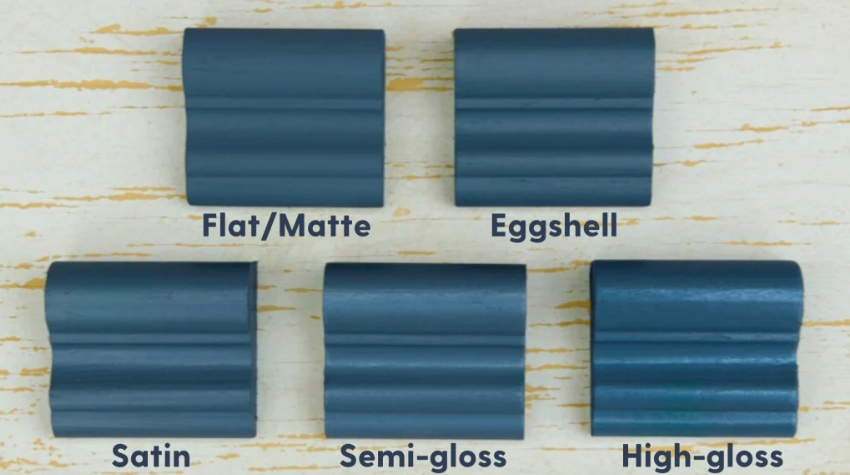
Paint finishes affect how a painted surface looks, reflects light, and holds up to wear. The five main types of paint finishes range from flat, non-reflective surfaces to highly glossy coatings. Each finish is designed for different spaces and purposes, helping homeowners balance appearance, durability, and ease of cleaning. Understanding the five types of paint finishes—flat (or matte), eggshell, satin, semi-gloss, and high-gloss—can help you choose the right option for walls, trim, ceilings, and high-traffic areas.
What Are the 5 Types of Paint Finishes?
When I first started painting, I thought white was just white. I didn’t realize that the finish—how shiny or flat the paint looks once it dries—actually changes the entire vibe of a room. There are five main types of paint finishes: flat (or matte), eggshell, satin, semi-gloss, and gloss. Each one reflects light in its own way, which dictates how easy the wall is to clean, how much it glows, and whether it highlights those annoying little bumps in your drywall.
The Five Main Paint Finishes at a Glance
Getting to know these finishes changed my DIY game. Here is how they stack up:
- Flat / Matte Finish: No shine; absorbs light.
- Eggshell Finish: A very soft, subtle glow.
- Satin Finish: A smooth, pearl-like sheen.
- Semi-Gloss Finish: Noticeably shiny and tough.
- Gloss (High-Gloss) Finish: Very shiny, mirror-like, and bold.
Why Paint Finish Matters More Than Paint Color
I’ve learned the hard way that picking the perfect color doesn’t matter if you choose the wrong finish. I once painted a hallway in a flat finish because I loved the “moody” look, only to find it covered in scuffs after a single weekend of hosting friends.
- Light Reflection: Glossy paints bounce light around, making small, dark rooms feel bigger and brighter. Flat paints soak up light, which creates a cozy, intimate feel.
- Durability: Shinier paints are packed with more resin, making them much tougher against scrubbing. Think of it like a protective shell; flat paint has less of that armor.
- Hiding Flaws: If your walls have patches, dents, or waves, stick to flat or matte. High-gloss finishes act like a spotlight, showing off every tiny imperfection on the surface.
Kilz Original Water Based Primer – When and How to Use It for Best Results
Quick Comparison Table
To help you decide, I put together this breakdown of how these finishes perform in real life:
| Finish | Shine Level | Durability | Best Used For |
| Flat/Matte | None | Low | Ceilings, adult bedrooms |
| Eggshell | Low | Medium | Living rooms, hallways |
| Satin | Medium | High | Kitchens, kids’ rooms |
| Semi-Gloss | High | Very High | Trim, bathrooms, doors |
| Gloss | Very High | Maximum | Furniture, cabinets |
Flat or Matte Paint Finish
Flat paint has almost zero shine, making it the secret weapon for hiding dents, patches, or uneven drywall. It provides a velvety, smooth appearance that feels soft to the touch. Because it lacks a glossy layer, it is perfect for ceilings and rooms where you want a calm, non-reflective mood. However, keep in mind that its porous nature makes it roughly 30% more prone to holding onto surface dirt than satin finishes.
Key Characteristics of Flat Paint
- Zero Light Reflection: It absorbs light instead of bouncing it back, creating a rich, deep color.
- Excellent Coverage: It often requires fewer coats to achieve a solid, even look.
- Smooth Appearance: It creates a soft, consistent finish that masks minor wall irregularities.
Best Places to Use Flat Paint
I’ve found this finish works best in areas where people don’t touch the walls often.
- Ceilings: It helps hide imperfections in the surface that are otherwise obvious.
- Adult Bedrooms: The soft look creates a relaxing, quiet atmosphere for sleeping.
- Formal Living Rooms: It provides an elegant, high-end look without any distracting glare.
- Low-Traffic Spaces: Think guest rooms or home libraries.
Pros of Matte Paint
- Hides Wall Flaws: It is the best choice for older homes with textured or slightly damaged walls.
- Easy Touch-ups: You can dab a bit of paint on a scuff, and it usually blends in perfectly without leaving a visible patch.
- Rich Color: The lack of reflection allows the true pigment of the color to shine through beautifully.
Cons of Matte Paint
- Harder to Clean: I learned this the hard way on a rainy Sunday. I tried to wipe a small fingerprint off my guest room wall, and it just created a shiny, uneven smudge.
- Less Durable: Because it lacks the protective resin found in glossier paints, it is not ideal for high-traffic hallways or busy areas. It simply doesn’t hold up to frequent scrubbing or the hustle and bustle of a busy family life.
Eggshell Paint Finish
Eggshell paint has a soft, low-luster sheen that mimics the surface of a real eggshell. It is widely considered the “goldilocks” of interior finishes because it hits the perfect middle ground between the flat, matte look and the brighter, shinier options. It offers enough durability to handle light cleaning, making it about 20% more washable than traditional flat paint, while still being forgiving enough to hide minor wall imperfections.
What Makes Eggshell Different
- Subtle Reflectivity: It provides a very faint glow that brightens a room without being overly shiny.
- Balanced Durability: It is significantly more resistant to wear than matte paint, standing up better to daily life.
- Surface Forgiveness: It masks most wall flaws, keeping the focus on your paint color rather than the bumps beneath it.
Best Rooms for Eggshell Finish
I usually reach for eggshell when I want a room to look polished but not sterile.
- Living Rooms: It creates a cozy, inviting feel that looks great under lamps.
- Dining Rooms: It adds a touch of sophistication while remaining easy to wipe down.
- Hallways: It handles the occasional bump from a passing shoulder better than flatter paints.
- Home Offices: The lack of glare helps prevent eye strain during long work days.
Pros of Eggshell Paint
- Easy to Clean: A quick wipe with a damp cloth usually removes everyday dust or light fingerprints.
- Soft Aesthetic: It offers a smoother, warmer look compared to the more clinical, hard finish of satin.
- Versatility: It is truly the “jack-of-all-trades” for most interior walls.
Cons of Eggshell Paint
- Moisture Limits: I wouldn’t recommend this for a bathroom. In high-humidity areas, eggshell is roughly twice as likely to show water spotting or mildew growth compared to a semi-gloss finish.
- Imperfection Visibility: While better than gloss, the slight sheen can occasionally highlight major drywall patches or deep gouges if the light hits the wall just right.
Satin Paint Finish
Satin paint features a smooth, pearl-like sheen that offers just enough shine to brighten a room while remaining incredibly practical. It serves as the workhorse for busy family homes, standing up to sticky fingerprints and daily scuffs far better than flatter finishes. In fact, satin paint is often 25% more resistant to scrubbing than eggshell, making it the top choice for areas that see lots of action during a typical, chaotic week.
Characteristics of Satin Paint
- Medium Sheen: It offers a soft glow that feels warm, not clinical.
- Highly Washable: You can wipe away most dirt without damaging the finish.
- Durable Surface: The tighter molecular structure helps it resist heavy wear and tear.
Best Places to Use Satin Finish
I usually reserve this finish for the “high-traffic” zones of my house where things tend to get a little messy.
- Family Rooms: It handles the hustle and bustle of movie nights and game days perfectly.
- Children’s Bedrooms: Kids will be kids; this paint makes cleaning up after them much easier.
- Kitchens: It stands up to grease and steam better than softer finishes.
- Laundry Rooms: It handles moisture well while staying easy to wipe down.
Pros of Satin Paint
- Easy to Clean: If my dog brushes past a corner or a grocery bag hits the wall, a damp cloth clears it right up.
- Stronger Durability: It resists the daily grind of a busy house, so you won’t need to repaint nearly as often.
- Brightens Spaces: That soft, pearly glow adds a little extra life to rooms that don’t get much natural sunlight.
Cons of Satin Paint
- Shows Application Errors: If you aren’t careful with your roller, you might end up with visible brush strokes or lap marks.
- Highlights Texture: Because of its slight shine, this finish will make any bumps or poor drywall taping stand out more than they would with an eggshell or flat paint. I always make sure to sand my walls perfectly before choosing this option.
Semi-Gloss Paint Finish
Semi-gloss paint is a noticeably shiny, highly durable option that stands up to almost anything. Because it resists moisture and stubborn stains, it is the standard choice for bathrooms, kitchens, and trim work. The first time I painted my baseboards with semi-gloss, the change was striking; the light hit the trim just right, and suddenly the whole room looked crisp, clean, and much sharper. It is roughly 40% more moisture-resistant than satin, making it vital for humid areas.
Key Features of Semi-Gloss Paint
- Reflective Finish: It offers a beautiful, polished sheen that catches the light.
- Moisture Resistant: It acts like a shield against water, steam, and humidity.
- Highly Durable: It handles heavy scrubbing and frequent cleaning without fading or dulling.
Best Areas for Semi-Gloss
I rely on this finish for any surface that needs to survive a lot of daily abuse.
- Bathroom Walls: It prevents water damage from all that steam during your morning shower.
- Kitchen Cabinets: It wipes clean in seconds when splatters happen during dinner prep.
- Baseboards and Trim: It highlights the architectural details that make a room feel finished.
- Doors and Window Frames: These high-touch spots need the extra protection this paint provides.
Pros of Semi-Gloss Paint
- Very Easy to Clean: A simple wipe with a damp cloth clears away grime.
- Resistant to Humidity: It won’t peel or blister when exposed to damp air.
- Highlights Details: It makes trim and molding pop, giving your home a professional, custom look.
Cons of Semi-Gloss Paint
- Shows Surface Imperfections: This is the trade-off for the shine. It will spotlight any dent, hole, or poor drywall patch you missed.
- Requires Careful Prep: You cannot cut corners here. I learned the hard way that if your surface isn’t perfectly sanded and smooth before you start, the glossy finish will make those mistakes impossible to ignore. It demands patience and a steady hand.
Eggshell Paint vs Flat: Which One Actually Works Better in Real Homes?
How to Choose the Right Paint Finish for Your Room
Choosing the right paint finish for your room depends on three main things: how much traffic the area gets, how much moisture it faces, and the natural lighting in the space. A calm bedroom might benefit from soft matte walls, while a busy kitchen needs something tougher like satin or semi-gloss. Research shows that choosing the correct sheen can improve wall longevity by up to 20% compared to picking the wrong finish.
Consider Room Traffic
I’ve learned that the busier the room, the higher the sheen you need to withstand the daily chaos of pets, kids, and bags.
- Low-traffic rooms: Go with matte or eggshell for a soft, relaxing feel.
- Medium-traffic areas: Eggshell or satin offers a great balance of beauty and grit.
- High-traffic areas: Always choose satin or semi-gloss; they are roughly twice as easy to scrub clean as flatter paints.
Think About Moisture
If you are painting near water or steam, think of your paint as a protective rain jacket for your drywall.
- Bathrooms: Use semi-gloss or satin to prevent mildew. High-gloss is also an option, but it can be too shiny for walls.
- Kitchens: Satin or semi-gloss are best here to fight off grease splatters.
- Laundry Rooms: Stick with satin to manage the high humidity levels.
Lighting and Wall Condition
Lighting can be a tricky beast. I once painted a sunny room with high-gloss paint, only to realize by noon that the glare was blinding.
- Imperfect walls: Stick to matte or eggshell to hide bumps and dents.
- Smooth walls: Satin or gloss can look stunning if your walls are in perfect shape.
- Bright rooms: Use a lower sheen. In spaces with large windows, high-gloss paint can be 50% more reflective than you might want, leading to an uncomfortable, harsh glare.