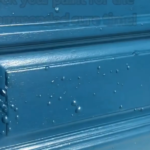
Solvent pop happens when trapped solvents burst through a curing paint film.
You want a smooth, glassy finish. Instead, tiny craters appear after bake or the next day. I’ve spent years in paint booths tracking down this defect. In this guide, I’ll explain what causes solvent pop in a paint job, how to prevent it, and how to fix it when it shows up. Expect clear steps, shop-tested tips, and straight answers that save time and money.
Understanding solvent pop
Solvent pop is a paint defect. It looks like pinholes, blisters, or tiny craters on the surface. It shows up as the paint cures, often after heat or sun.
The cause is trapped solvent or gas. The top layer skins over. Pressure builds under it. The gas then breaks out, leaving holes.
You might see it in basecoat, clearcoat, or single-stage. It can be light and speckled. It can also be heavy and rough. If you ask what causes solvent pop in a paint job, start by thinking about trapped solvents and fast curing.
The science: how solvents trap and erupt
Paint has resins, pigments, and solvents. As you spray, solvents flash off. The film levels and starts to cure. If the top dries too fast, it seals in wet material below.
Heat speeds flash. A heavy coat slows solvent escape. That mismatch builds vapor pressure. The gas looks for a path out. It pops through the skin and leaves a crater.
Thick spots, edges, and body lines trap more heat. Those areas pop first. High panel temp and short flash times make it worse. This is the core of what causes solvent pop in a paint job.

Main causes of solvent pop
If you want to know what causes solvent pop in a paint job, look at the big three: film build, solvent speed, and timing. Here are the most common triggers I see in the booth:
- Heavy coats that are too wet Too much material in one pass traps solvent.
- Short or skipped flash times Layers stack before the last coat releases solvent.
- Fast reducer or activator in warm weather The top skins over fast and seals in the wet.
- High booth temperature or early bake Baking too soon locks in solvent.
- Wrong gun setup or distance Low pressure or close distance lays a wetter film.
- Poor airflow in the booth Low air movement slows solvent release.
- Wet-on-wet beyond spec Clear over base too soon, or sealer too heavy.
- Contamination with moisture or oil Moisture turns to steam under heat and pops.
- Solvent-sensitive primer or fresh filler Not cured, so it off-gasses under topcoat.
- Recoat windows missed Old layers can wrinkle, then trap solvent as they reflow.
From my experience, 80% of cases trace back to fast products used on a hot day without enough flash. The rest are poor prep, wet coats, or bake too soon. If you ask again what causes solvent pop in a paint job, it is almost always this mix of speed and heat.
Best Way to Remove Emulsion Paint from Laminate Floor — The Trick Pros Use
Does humidity cause solvent pop?
Yes, but often through moisture in air lines or on the panel. Water turns to vapor during bake and breaks through the film.
Is solvent pop only a clearcoat problem?
No. Basecoat can pop, and so can primers and single-stage. Clear just shows it more.
Can too much reducer cause pop?
Yes. Extra solvent takes longer to leave. It can sit under a fast-skinning top layer and pop later.
Environmental and equipment factors
Booth and equipment issues also drive what causes solvent pop in a paint job.
- Compressed air quality Water or oil in lines will outgas when heated.
- Air pressure and cap choice Low pressure makes heavier droplets and wetter films.
- Booth heat curve and airflow A steep ramp or weak airflow seals the top too fast.
- IR lamps and curing lights Too close or too hot bakes the skin before the base vents.
- Gauge and timer accuracy Bad readings lead to wrong flash and wrong film build.
Tip from the shop: drain air lines daily, use a desiccant dryer, and check filter bowls. Many “mystery” pops end at the air system.

Material selection and mix ratios
Choosing the right solvent speed is key to what causes solvent pop in a paint job. Use the tech sheet. Match reducer and activator speed to booth temp and panel size.
- Use slower reducers in warm weather They keep the surface open so solvent can leave.
- Respect mix ratios and pot life Wrong ratios shift cure speed and trap solvent.
- Induction time matters for some primers Let them stand if the TDS says so.
- Retarder can help on big panels A small amount extends open time and reduces pop risk.
- Do not blend product lines Different systems may trap solvent or cure at odd rates.
I once chased pop on a silver hood for a day. The cause was a fast clear activator used at 85°F. We switched to a medium activator and added two extra minutes of flash. The next pass laid down like glass.
Application technique and flash times
Spray technique often decides what causes solvent pop in a paint job. Small tweaks fix big problems.
- Keep gun distance consistent Stay 6 to 8 inches for HVLP unless maker says otherwise.
- Maintain overlap and speed Target 70% overlap with steady arm speed.
- Watch wetness and edge build Do not soak edges or body lines.
- Time your flashes Use a timer, not a guess. Add flash on humid or hot days.
- Use touch tests Lightly tap with a gloved finger. It should be tacky, not stringy.
- Let base gas off before clear If base smells strong, it is not ready.
A simple rule: if you smell strong solvent when you lean in, add time. Rushing is a common cause of solvent pop.
Substrate and prep issues
Bad prep feeds what causes solvent pop in a paint job. Trapped junk under the topcoat will try to escape.
- Body filler still green It off-gasses under heat and pops through.
- Primers not fully cured Solvent-sensitive primers can lift and trap more solvent.
- Cleaning with hot thinners before paint Solvent sits in scratches and pores.
- Waterborne base over closed primer without airflow Water needs air movement to leave.
Good habits help. Let primers cure. Warm panels, not just room air. Wipe with proper cleaners and let them flash dry fully.
Detection, diagnosis, and look-alikes
Not every crater is solvent pop. Rule out other defects so you fix the right problem.
- Fisheyes Smooth, round craters with halos Mean silicone or oil, not solvent.
- Pinholes from filler Tiny, deep holes after sanding stem from porous filler.
- Solvent boil vs solvent pop Boil looks like bubbles while still wet; pop is after cure.
- Sand test If you sand and it smells strong, solvent is still inside.
To confirm, cut a crater cross-section. If you see a thin cap over a void, that is classic solvent pop. This helps you answer what causes solvent pop in a paint job on that panel.

Prevention checklist and best practices
Use this quick list before you pull the trigger.
- Match reducer/activator speed to booth temperature.
- Follow the tech sheet for mix ratio, flash, and film build.
- Spray medium-wet coats. Avoid soaking edges and body lines.
- Use timers. Add flash when humidity or heat is high.
- Verify air quality. Drain lines and renew filters as needed.
- Stage bake with a short dwell, then ramp heat slowly.
- Give base extra air movement before clear, especially waterborne.
- Let primers and fillers cure. Warm panels to drive off trapped solvent.
This simple routine clears most causes of solvent pop in a paint job.
Repairing a solvent pop paint job
Light pop can be saved. Heavy pop often needs a respray. Here is a safe process I follow.
- Let it cure fully Heat cycle the panel to drive out trapped solvent.
- Assess depth If craters are shallow, nib them flat with 1500–2000 grit.
- Sand the area Sand until defects are gone. Feather if needed.
- Clean and recoat Apply a light sealer if you broke through. Then reapply base and clear with proper flash.
- For deep, widespread pop Strip the affected coats. Allow the substrate to off-gas. Reprime if needed, then paint again with slower products and longer flash.
Take your time on the redo. Track every variable. That way, you know exactly what causes solvent pop in a paint job in your setup and you can prevent it next time.
Frequently Asked Questions of what causes solvent pop in a paint job
What does solvent pop look like?
It looks like tiny craters or pinholes that appear after curing or baking. The surface may feel gritty and dull in those spots.
Can I fix solvent pop without repainting?
Sometimes. If the pop is shallow, you can sand, polish, and spot-clear. Deep or widespread pop needs sanding and recoating.
Does baking cause solvent pop?
Baking does not cause it alone, but heat can trap solvent if you bake too soon. Always flash fully before ramping temperature.
Which reducers help prevent solvent pop?
Use slower reducers and activators in warm conditions. The goal is to keep the surface open long enough for solvents to escape.
How long should I wait between coats?
Follow the tech sheet and use a timer. Add extra minutes for hot, humid days or heavy coats to reduce risk.
Is solvent pop the same as fisheye?
No. Fisheye comes from contamination like silicone or oil and forms smooth craters. Solvent pop results from trapped gases breaking through the film.
Will adding retarder always solve solvent pop?
Not always. Retarder helps in heat but must be used within limits to avoid sag and dirt hold.
Conclusion
Solvent pop is the result of trapped gas bursting through a curing paint film. The root issues are heavy coats, fast products, short flash times, and aggressive heat. Fix the process, and you fix the finish.
Use the checklists, match product speed to temperature, and time your flashes. Test on a spray-out card and trust your nose and timer. Ready to level up your finishes? Apply these steps on your next job, track your results, and share your wins or questions in the comments.