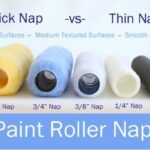
A 3/4 nap roller is a paint roller with a medium-thick, 3/4-inch fiber cover designed for applying paint to surfaces with slight texture, such as lightly textured walls, ceilings, or smooth masonry. The “nap” refers to the length of the fibers that hold and distribute paint; a 3/4-inch nap provides good paint coverage without leaving streaks, making it ideal for semi-smooth surfaces where a balance between coverage and smooth finish is needed. For very smooth surfaces, shorter naps are better, while rough surfaces require longer naps.
The Best 3/4 Nap Roller for Rough Surfaces
If you are painting masonry, deep-textured ceilings, or rough-sawn wood, a standard 3/8″ roller won’t cut it. You need a 3/4″ nap to “bridge” the gaps in the surface texture.
Top Pick: Wooster Brush Super/Fab 3/4-Inch Nap
The Wooster Super/Fab is widely considered the best 3/4 nap roller because of its high-capacity fabric. It picks up a massive amount of paint and releases it evenly without “matting down” halfway through the project.
Pro Tip: Because a 3/4 nap holds so much paint, it can be heavy. Use a sturdy roller frame to avoid wrist fatigue.
Best for: Brick, cinder block, stucco, and “popcorn” textures.
Durability: The solvent-resistant core means you can use it with latex or oil-based paints.
A 3/4 nap roller is a thick, high-capacity paint roller for rough surfaces.
If you want a fast, even coat on brick, stucco, or textured walls, this tool shines. In this guide, I explain what is a 3/4 nap roller, when to use it, and how to get pro results without mess or waste. I’ve used these rollers on homes, rentals, and commercial jobs. I’ll share practical tips, pitfalls to avoid, and simple steps that help you paint with confidence.
What Is a 1/4 Nap Roller?– When and Why to Use It
Understanding the 3/4-Inch Nap: What It Means and Why It Matters
Nap is the length of the fabric fibers on a roller cover. A 3/4-inch nap is long, so it holds more paint and reaches into dips and grooves. That is why it works on rough or porous surfaces.
When someone asks what is a 3/4 nap roller, I say it is a cover made for texture. Think of it like a deep-pile carpet. It grabs paint and pushes it into cracks with less effort. If you still wonder what is a 3/4 nap roller compared to others, it is the go-to for exteriors, masonry, and heavy primers.
Roller covers use different fabrics. Microfiber gives smooth laydown and less lint. Polyester is durable and budget friendly. Lambswool holds a lot of paint and feels smooth, but it can shed with cheap cores. Shed-resistant builds help reduce fuzz in your finish
When to Use a 3/4 Nap Roller
Use a 3/4-inch nap when the surface is rough, uneven, or very absorbent. The longer fibers press paint into voids and speed up coverage.
Great matches include:
- Brick and block where mortar lines need fill
- Stucco with heavy or medium texture
- Popcorn ceilings and knockdown texture
- Rough wood siding and fences
- Aged concrete, CMU, and stone
- Exterior walls that need thick coats or primer
Paint types that pair well:
- Exterior acrylics and elastomerics
- Masonry paint and block fillers
- Bonding and stain-blocking primers
- Heavy-duty fence or deck coatings
If you ask what is a 3/4 nap roller best for, think rough, thirsty, and bumpy. It is not ideal for smooth doors or cabinets. It can leave a heavier stipple on fine surfaces.
What Is a 3/8 Nap Roller?– Ideal Surfaces and Professional Painting Advice
Pros and Cons of a 3/4 Nap Roller
Pros:
- High paint load for fewer trips to the tray
- Reaches cracks and texture fast
- Great for primers and thick coatings
- Saves time on big, rough areas
Cons:
- Heavier stipple on smooth surfaces
- More spatter if you roll too fast or dry
- Can waste paint on tight, smooth trim
- May shed if you buy poor-quality covers
When people ask what is a 3/4 nap roller good at, the easy answer is speed on rough walls. But it trades a little finesse for that speed.
How to Choose the Right 3/4 Nap Roller Cover
Pick a cover that matches your paint and surface. My rule is to buy the best cover you can. It pays off with fewer lint issues and better flow.
Key choices:
- Fabric type. Microfiber for smoother laydown. Polyester for value and durability. Lambswool for top capacity and buttery feel.
- Core quality. Look for a solvent-resistant core that will not deform in hot or harsh paints.
- Width. Nine inches is standard for walls. Four inches for tight spots. Eighteen inches saves time on big expanses but needs a sturdy frame.
- Shed resistance. Choose shedless or low-shed for darker colors and critical finishes.
A quick test in store helps. Tug the fibers. If they shed right away, skip it. If you need a simple answer to what is a 3/4 nap roller that lasts, it is a high-quality microfiber or lambswool cover with a strong core.
Step-by-Step: How to Paint with a 3/4 Nap Roller
Follow these steps for clean, even coats.
- Prep the surface. Clean off dust and chalk. Prime bare or porous areas.
- Dampen the cover. Rinse with water for latex or mineral spirits for oil, then spin out. This reduces lint and helps loading.
- Load the roller. Roll through the well of the tray and up the ramp. Do not bury it. Aim for even saturation.
- Start with a W or M pattern. This spreads paint without lines.
- Back-roll. Even out the area with gentle, long passes. Keep a wet edge to avoid lap marks.
- Watch pressure. Let the roller do the work. Too much pressure drives paint out the sides.
- Cut in and detail. Use a brush or a smaller roller for edges and tight spots.
When friends ask what is a 3/4 nap roller technique that avoids mess, I say roll slower than you think and keep the cover wet. Dry rolling causes spatter.
Finish Quality, Coverage, and Texture Expectations
A 3/4-inch nap lays a thicker film than short naps. Expect a light to medium stipple on most surfaces. On very rough walls, that stipple looks even and hides minor flaws.
Coverage depends on the paint, surface, and your pace. Rough masonry will drink the first coat. Plan for an extra gallon on big exterior jobs. For block, a primer or block filler first saves time on the finish coat.
If your goal is a glass-smooth look, use a 1/4 to 3/8 nap after you build coverage. If your goal is fast, durable coverage, a 3/4 nap is your best start. This is one more way to explain what is a 3/4 nap roller in practice: it is a coverage builder, not a fine finisher.
How Do I Prevent Streaks With a Nap Roller? Techniques for Smooth, Avoid Lap Marks and Uneven Paint
Cleaning, Care, and Reuse Tips
Good covers get better after the first wash. Treat them well and you can reuse many times.
- For latex paint, wash with warm water and mild soap. Work until water runs clear.
- For oil-based paint, use the right solvent. Follow safety rules and dispose of waste by local rules.
- Spin or shake out water. Stand the cover on end to dry so fibers do not mat.
- Store clean and dry in a bag or wrap. Keep dust off the fibers.
If someone asks what is a 3/4 nap roller maintenance routine, it is simple: clean right away, do not let paint dry in the fibers, and protect the cover from dirt.
Common Mistakes and How to Avoid Them
Avoid these pitfalls I see often on job sites.
- Rolling too fast. This throws paint. Slow your pace and keep the cover wet.
- Using on the wrong surface. On smooth doors, switch to 1/4 or 3/8 nap.
- Skipping primer on porous walls. The finish coat will look patchy.
- Overloading the roller. Drips and sags hide in texture. Load, then roll off the extra on the tray ramp.
- Ignoring lap times. Keep a wet edge. Work small zones and blend edges.
If you wonder what is a 3/4 nap roller problem most people face, it is spatter. The cure is slower rolling, steady pressure, and proper loading.
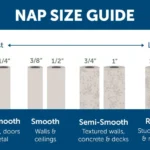
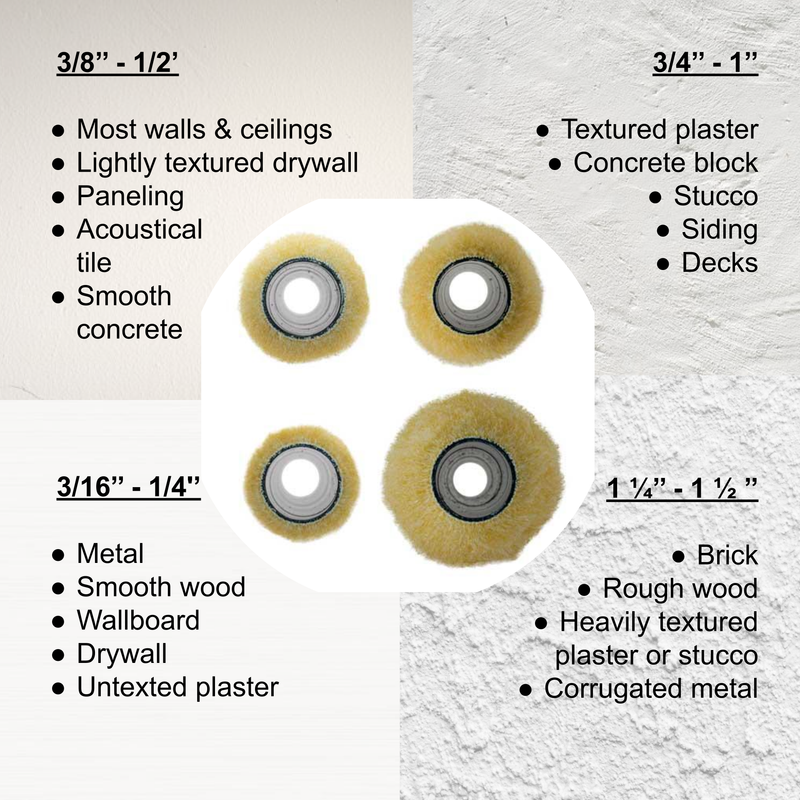
3/4 Nap vs Other Nap Sizes: Quick Comparison
Each nap has a best use. Think of them like tires for different roads.
- 1/4 inch. Super smooth. Doors and cabinets.
- 3/8 inch. Smooth to light texture. Walls and ceilings with normal drywall.
- 1/2 inch. Light to medium texture. Most interior walls and ceilings.
- 3/4 inch. Medium to rough texture. Brick, stucco, siding.
- 1 inch or more. Very rough surfaces. Heavy texture or block fillers.
So, what is a 3/4 nap roller advantage over 3/8? More capacity and reach. What is a 3/4 nap roller downside? A heavier stipple on smooth walls.
Safety, Setup, and Job Planning
Plan the job so you work clean and safe.
- Protect nearby areas. Mask edges, cover floors, and move or cover plants.
- Ventilate. Use fans and open windows. Follow low-VOC options where possible.
- Wear eye protection and a cap. Long naps can flick tiny dots of paint.
- Check weather. On exterior work, avoid hot sun and strong wind.
- Stage your tools. Extra covers, a frame, tray liners, and a pole keep you moving.
A final reminder for anyone still asking what is a 3/4 nap roller in a pro setup. It is your production tool for rough work. It shines when paired with good prep, a solid pole, and the right paint.
Frequently Asked Questions of what is a 3/4 nap roller
What does 3/4 nap mean on a roller?
It means the fabric pile is three-quarters of an inch long. That length holds more paint and reaches into rough textures.
What surfaces need a 3/4 nap roller?
Use it on brick, stucco, rough wood, popcorn ceilings, and masonry. It pushes paint into grooves and pores.
Can I use a 3/4 nap roller on smooth walls?
You can, but expect more texture. For smooth drywall or doors, step down to 3/8 or 1/4.
Does a 3/4 nap roller cause more spatter?
It can if you roll too fast or run it dry. Load well, roll slower, and use steady pressure to cut spatter.
What paint works best with a 3/4 nap roller?
Exterior acrylics, masonry paints, primers, and elastomerics. Thick coatings pair well with the long fibers.
How do I prevent lint from a 3/4 nap roller?
Choose shed-resistant covers and pre-wet and spin the roller. A quick tape pass can remove loose fibers.
Will a 3/4 nap roller save time?
Yes on rough or porous surfaces. It reduces trips to the tray and speeds coverage.
Conclusion
A 3/4 nap roller is a workhorse for rough and thirsty surfaces. It loads heavy, reaches deep, and gets big jobs done fast. Use it on brick, stucco, and textured walls, and switch to a shorter nap when you want a fine finish.
Grab a quality cover, follow the steps here, and test on a small spot first. You will learn fast what works on your surface. Ready to paint smarter? Try the right nap size, share your results, and subscribe for more hands-on guides.