
A 3/8 nap roller is a paint roller with a 3/8-inch thick fabric or foam cover designed to hold and apply paint evenly on smooth to semi-smooth surfaces like walls, doors, and cabinets. The “nap” refers to the thickness of the roller fibers, which affects how much paint it holds and how it spreads. A 3/8-inch nap strikes a balance between coverage and smooth finish, making it ideal for interior walls, ceilings, and light-textured surfaces without leaving heavy roller marks.
Top Recommended 3/8 Nap Rollers on Amazon
Top Performance Best Value (Multi-Pack) Professional Choice Purdy White Dove 3/8″ Bates 3/8″ Roller Covers Wooster Pro/Doo-Z Virtually lint-free; the smoothest finish. Great for DIYers doing multiple rooms. High density; holds the most paint per dip.
If you have ever asked what is a 3/8 nap roller, you are in the right place. I’ve used this roller size on hundreds of interior walls, doors, and ceilings. In this guide, I’ll show you exactly when to choose it, how to use it for a clean finish, and what to avoid so your paint job looks pro-level without stress.
The Smooth Finish Secret: What is a 3/8 nap roller?
A 3/8 nap roller is a paint roller cover with fibers that are three-eighths of an inch long. Nap is simply the pile length. Shorter nap means a smoother finish. Longer nap means more texture and more paint capacity.
When people ask what is a 3/8 nap roller, the simple answer is that it’s the go-to, medium nap for most interior walls. It balances paint pickup with a smooth look on drywall, plaster, primed wood, and ceilings with very light texture. It works great with most interior latex paints, including flat, eggshell, and satin.
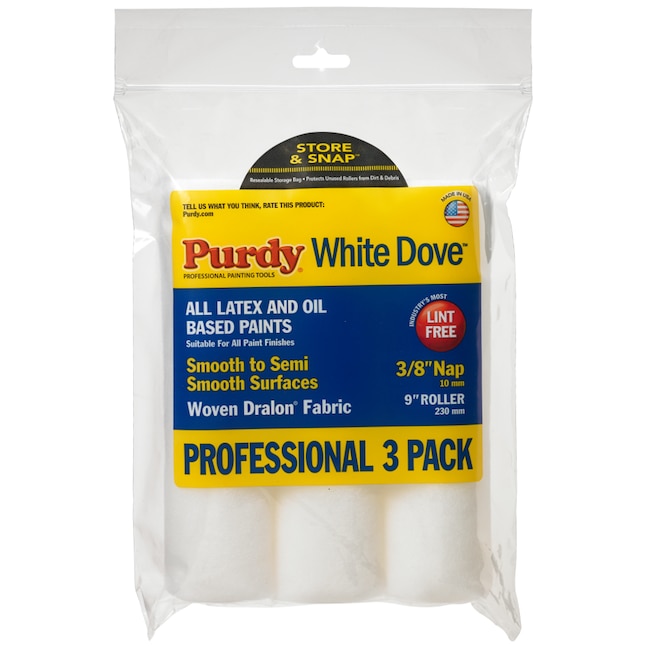
Understanding what is a 3/8 nap roller helps you pick the right fabric too. Woven microfiber or woven polyester gives a smooth, low-shed finish. Knit covers hold more paint but can add a touch more texture. Most painters pair a 9-inch 3/8 nap roller with a quality frame and a tray or a 5-gallon bucket with a grid.
Pro tip from my jobs: new drywall with a good primer and a quality 3/8 nap roller lays down an even coat fast, with less spatter than longer naps.
3/8 or 1/2 Nap Roller – Expert Tips for Paint Coverage & Finish
When to use a 3/8 nap roller
If you are wondering what is a 3/8 nap roller best for, think smooth to lightly textured surfaces where you want a clean, even finish.
Use it on:
- Drywall and plaster that are smooth or have a light orange-peel texture
- Primed wood trim and doors when you want low texture
- Ceilings that are not heavy popcorn
- Interior latex paints in flat, matte, eggshell, or satin
Avoid it on:
- Very rough stucco or heavy popcorn ceilings
- Deep knockdown textures or brick where a 1/2 inch or 3/4 inch nap is better
- Ultra-high-gloss enamel on doors or cabinets where a 1/4 inch nap or a sprayer gives a glassy look
From experience, I reach for a 3/8 nap roller in living rooms, bedrooms, and hallways. It covers fast and still keeps the surface smooth. I only switch to 1/2 inch when the wall texture is deeper or the paint is very thick.
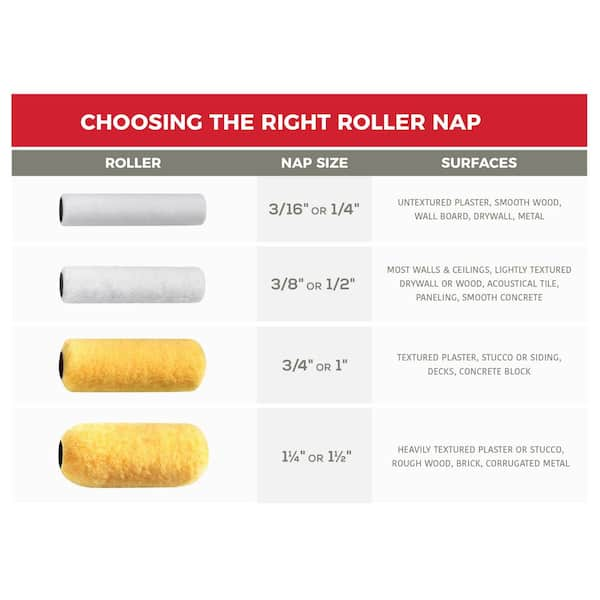
3/8 nap vs other nap sizes
People ask what is a 3/8 nap roller compared to other sizes. Here is a simple way to think about it.
- 1/4 inch nap: Best for ultra-smooth surfaces. Doors, cabinets, and metal. Very fine finish, low capacity.
- 3/8 inch nap: Best for most walls and ceilings. Smooth to light texture. Balanced capacity and finish.
- 1/2 inch nap: Best for light to medium texture. More paint pickup. Slightly more stipple.
- 3/4 inch and 1 inch nap: Best for rough surfaces like stucco, masonry, and heavy textures. High capacity, more texture.
In short, what is a 3/8 nap roller good at? It is the middle ground. It gives you speed without a heavy stipple. If I am unsure, I start with 3/8 and adjust after a test patch.
Fabric types and quality features for a 3/8 nap roller
Fabric matters as much as nap. When choosing what is a 3/8 nap roller cover to buy, look for these options.
Best fabric types:
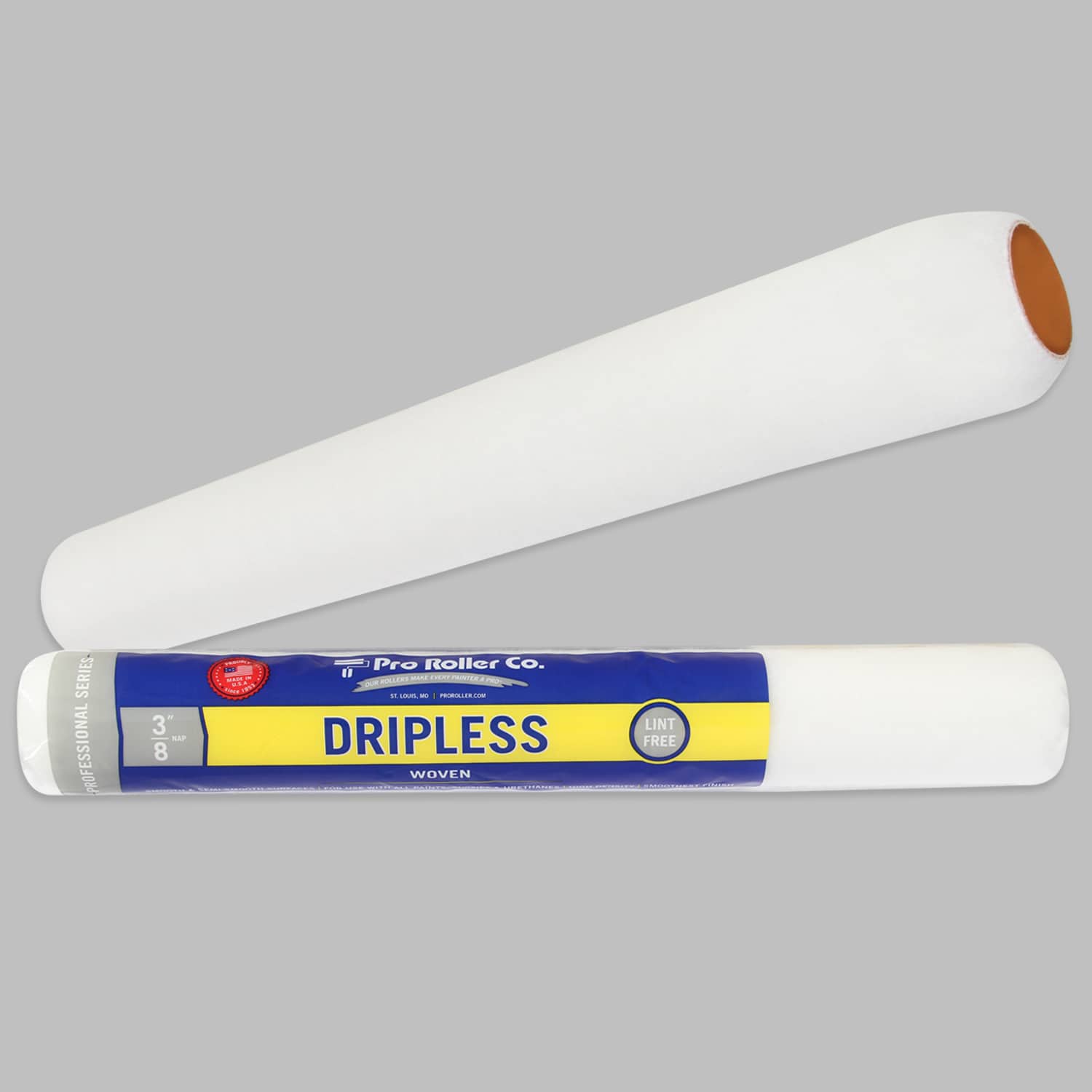
- Woven microfiber: Smoothest finish, low lint, great for walls and ceilings.
- Woven polyester or nylon: Durable, shed-resistant, consistent finish.
- Knit polyester: Holds more paint, can leave more texture, fine for quick coverage.
- Lambswool: High capacity, nice flow, can shed if low quality. More common in longer naps.
Quality features to check:
- Shed-resistant rating: Reduces lint in the paint film.
- Dense, even pile: Avoid covers that look sparse or fuzzy out of the sleeve.
- Rigid core: Phenolic or strong plastic cores resist water and solvents.
- Beveled ends: Helps reduce lap lines at the edges.
On my jobs, a 3/8 inch woven microfiber cover has become my default for modern latex. It rolls smooth and sheds less, which means fewer touch-ups.
What size roller do professional painters use?– Nap Length & Surface Recommendations
Step-by-step: How to paint with a 3/8 nap roller
Before you start, know what is a 3/8 nap roller designed to do: lay down an even coat with a fine, soft texture.
- Prep the surface. Fill holes, sand smooth, and dust off. Prime if needed.
- De-lint the cover. Wrap with painter’s tape and pull it off to remove loose fibers.
- Load the roller. Dip and roll on a tray or a grid until the cover is saturated but not dripping.
- Work in sections. Roll a 3 by 3 foot area. Use a gentle W or M pattern, then smooth out in light, even strokes.
- Keep a wet edge. Overlap each pass by about one-third to avoid lap lines.
- Roll off the edges. Light pressure on the last pass will blend lines.
- Back-roll as needed. For ceilings and primers, a quick light back-roll evens the texture.
- Let it dry. Follow the label for recoat times. Most latex needs 2 to 4 hours.
- Apply a second coat. It evens the color and hides missed spots.
Tip from the field: If you see heavy texture, you are pressing too hard or the cover is too dry. Reload and ease up.
Finish expectations and troubleshooting
What is a 3/8 nap roller finish like? Expect a fine, soft stipple that dries to a smooth look on most walls.
Common issues and quick fixes:
- Lap lines: Keep a wet edge and overlap each pass. Roll in the same direction to finish.
- Orange peel texture: The paint may be too thick or drying too fast. Add conditioner as allowed by the label or work smaller sections.
- Spatter: Roll slower, and do not overfill the cover. Woven microfiber helps reduce spatter.
- Sheen flashes: Use the same pressure and direction for final passes. Maintain even film thickness.
- Roller marks at edges: Use beveled covers and reduce pressure on the last pass.
Most flaws are linked to how you use what is a 3/8 nap roller, not the nap itself. A light touch and steady pace solve most issues.
Care, cleaning, and storage
To extend the life of what is a 3/8 nap roller cover, clean it right after use.
For water-based paints:
- Scrape excess paint back into the can.
- Rinse in warm water. Work the fibers with your hand until the water runs clear.
- Wash with mild soap, rinse well, and spin out water.
- Stand on end or hang to dry. Store in a clean bag.
For oil-based paints:
- Use the proper solvent per the label.
- Rinse until clean, then wash with soap and water.
- Dry fully before storing.
Short break tip: Wrap the loaded cover tight in plastic or foil to keep it wet for a few hours. For next-day use, refrigerate the wrapped roller and let it warm up before painting.
Cost, sizes, and buying tips
If you search what is a 3/8 nap roller at the store, you will find many options.
Typical ranges:
- Covers: About 3 to 12 dollars each, depending on fabric and brand.
- Frames: About 6 to 20 dollars. Look for a sturdy cage and a comfort grip.
- Sizes: 4 and 6 inch mini rollers for trim, 9 inch for walls, 14 and 18 inch for big areas.
Smart buying tips:
- Choose woven microfiber or woven polyester for walls.
- Check for dense, even fibers and a solid core.
- Buy two covers per color. Swap mid-job to keep the finish even.
- Pair with a quality extension pole for speed and safety.
Safety, ventilation, and sustainability
Paint safe and clean.
- Ventilate the room. Open windows and use a fan if needed.
- Check the label for VOCs and recoat times. Thicker, low-VOC paints may need more dry time.
- Never pour solvent down the drain. Follow local rules for disposal.
- Clean latex covers with water. Reuse covers when you can to reduce waste.
Frequently Asked Questions of what is a 3/8 nap roller
What is a 3/8 nap roller, in simple terms?
It is a medium-length roller cover used for smooth to lightly textured walls. It balances paint pickup and a smooth finish for most interior work.
Is a 3/8 nap roller good for ceilings?
Yes, if the ceiling is smooth or has a light texture. For heavy popcorn, move up to a 1/2 inch or 3/4 inch nap.
Which paints work best with a 3/8 nap roller?
Most interior latex paints in flat, eggshell, and satin work great. Semi-gloss can work too, but keep pressure light to reduce texture.
Will a 3/8 nap roller leave texture on walls?
It leaves a fine, soft stipple that dries smooth on most surfaces. If you see heavy texture, lighten your pressure or switch to a woven microfiber cover.
How do I avoid roller marks with a 3/8 nap roller?
Keep a wet edge, overlap passes, and finish each section in one direction. Do not overwork drying paint, and follow the recoat time.
Can I use a 3/8 nap roller on doors and trim?
You can, but a 1/4 inch nap or a foam roller gives a smoother enamel finish. For cabinets and high-gloss, spraying often looks best.
How long does a 3/8 nap roller cover last?
With good cleaning, a quality cover can last for many rooms. Replace it if it sheds, mats, or leaves uneven texture.
Conclusion
Now you know what is a 3/8 nap roller and why it is the default choice for most walls. It offers the right mix of speed, control, and a smooth finish on everyday surfaces.
Pick a quality woven cover, follow the simple steps above, and keep a wet edge. You will get a crisp, even coat that looks like a pro did it. Ready to paint with confidence? Try the 3/8 nap on your next room, and share your results or questions in the comments.
Related posts:
 What size roller do professional painters use?– Nap Length & Surface Recommendations
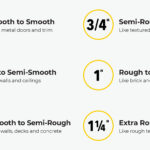 What Is a Roller Nap? – Choosing the Perfect Roller for Walls and Ceilingswhat is a roller nap?
 What Is Zinsser Gardz Used For? (2025) – Sealing Drywall, Repairs & Problem Surfaces
 Recommended Moisture Level for Paint – Ideal Percentages for Wood, Walls & Concrete