
Paint fume extractors are ventilation devices that capture and filter harmful paint vapors.
If you work with paint, you breathe more than color. You breathe vapors, mist, and tiny dust. That is why knowing what is paint fume extractors matters. In this guide, I break down how they work, what to buy, and how to use them right. You will get clear steps, expert tips, and lessons I learned on real shop floors.
What Are Paint Fume Extractors and How They Work
Paint fume extractors are local exhaust systems. They pull paint vapors and overspray from the air at the source. The air passes through filters and goes back clean. Some units also vent the air outside.
They use fans to create airflow. A hood, nozzle, or arm captures the fume. Filters trap particles and adsorb odors. Good capture needs enough airflow and a short distance to the source.
The core idea is simple. Capture at the source. Control the flow. Filter the air. Release clean air or exhaust it. This lowers exposure to VOCs, isocyanates, and fine particles from sanding and spraying. Paint fume extractors reduce risk and keep your shop fresh.
Why Paint Fumes Are Harmful
Most paints release volatile organic compounds. These VOCs can irritate eyes, lungs, and skin. Some can hurt the liver and nervous system over time. Two common VOCs are toluene and xylene.
Two-part paints and clear coats may contain isocyanates. These can trigger asthma and strong lung reactions. Even low levels can bother you if you spray often.
Fine paint mist and sanding dust also add load to your lungs. Short bursts can cause headaches and nausea. Long exposure can harm health. Paint fume extractors help cut these risks in both home and pro shops.
Types of Paint Fume Extractors
Different tasks need different tools. Here are the most common types of paint fume extractors.
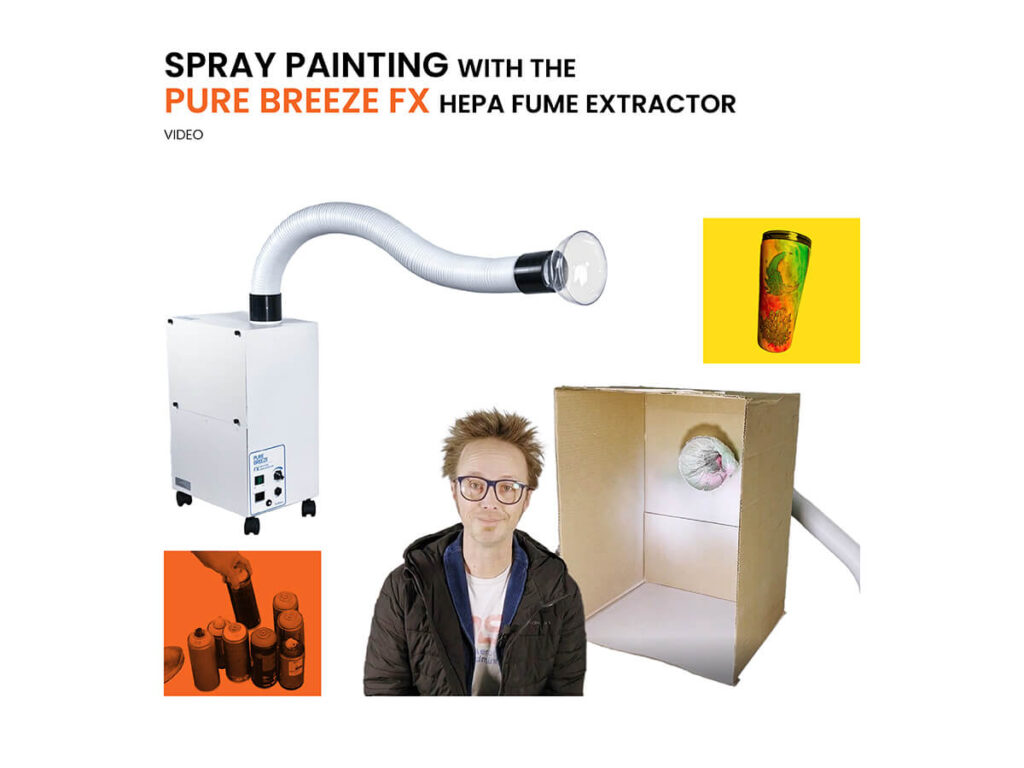
Portable benchtop units
Small box units sit near model work, trim touch-ups, or airbrushing. They are easy to move. They work best for small parts and light duty.
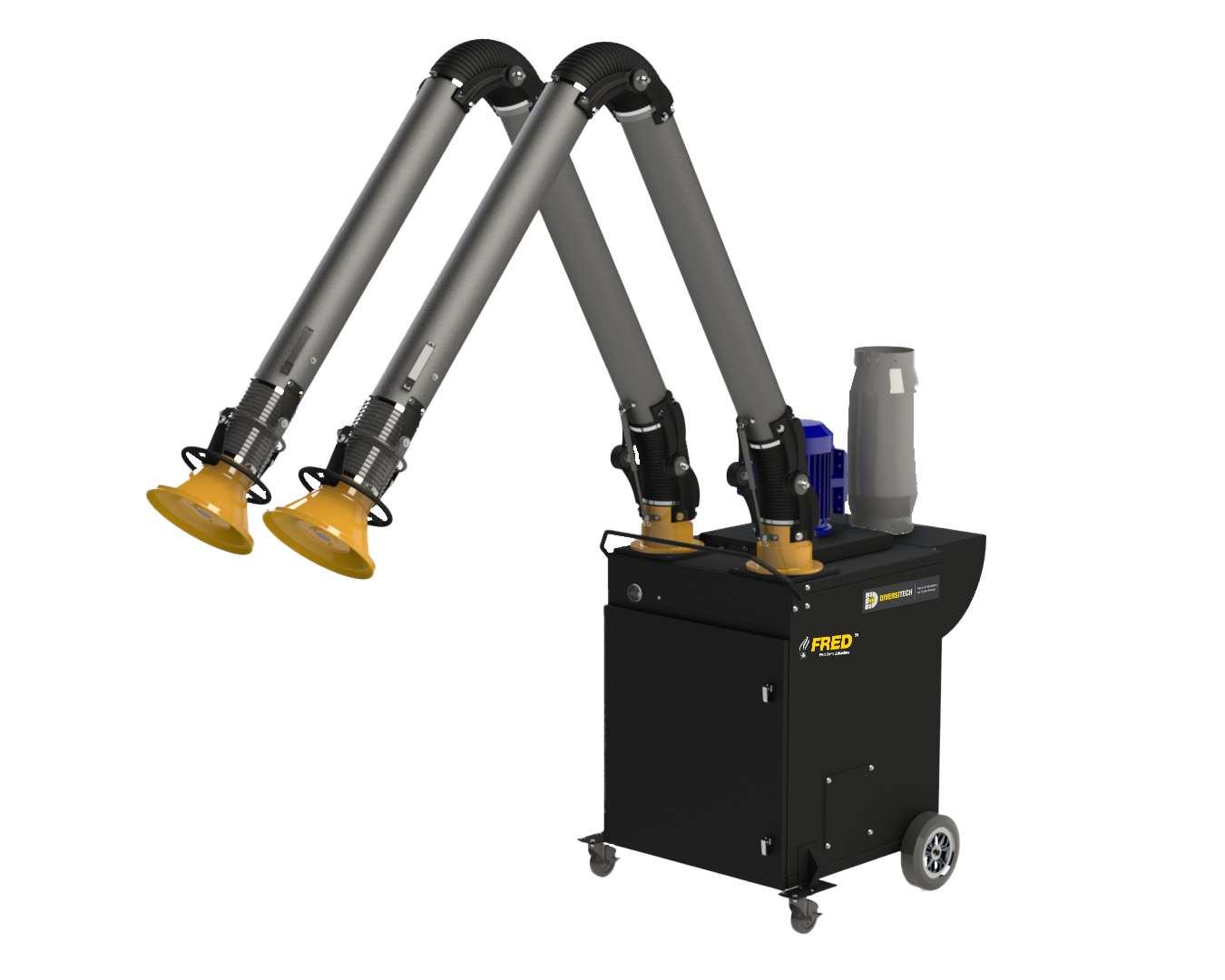
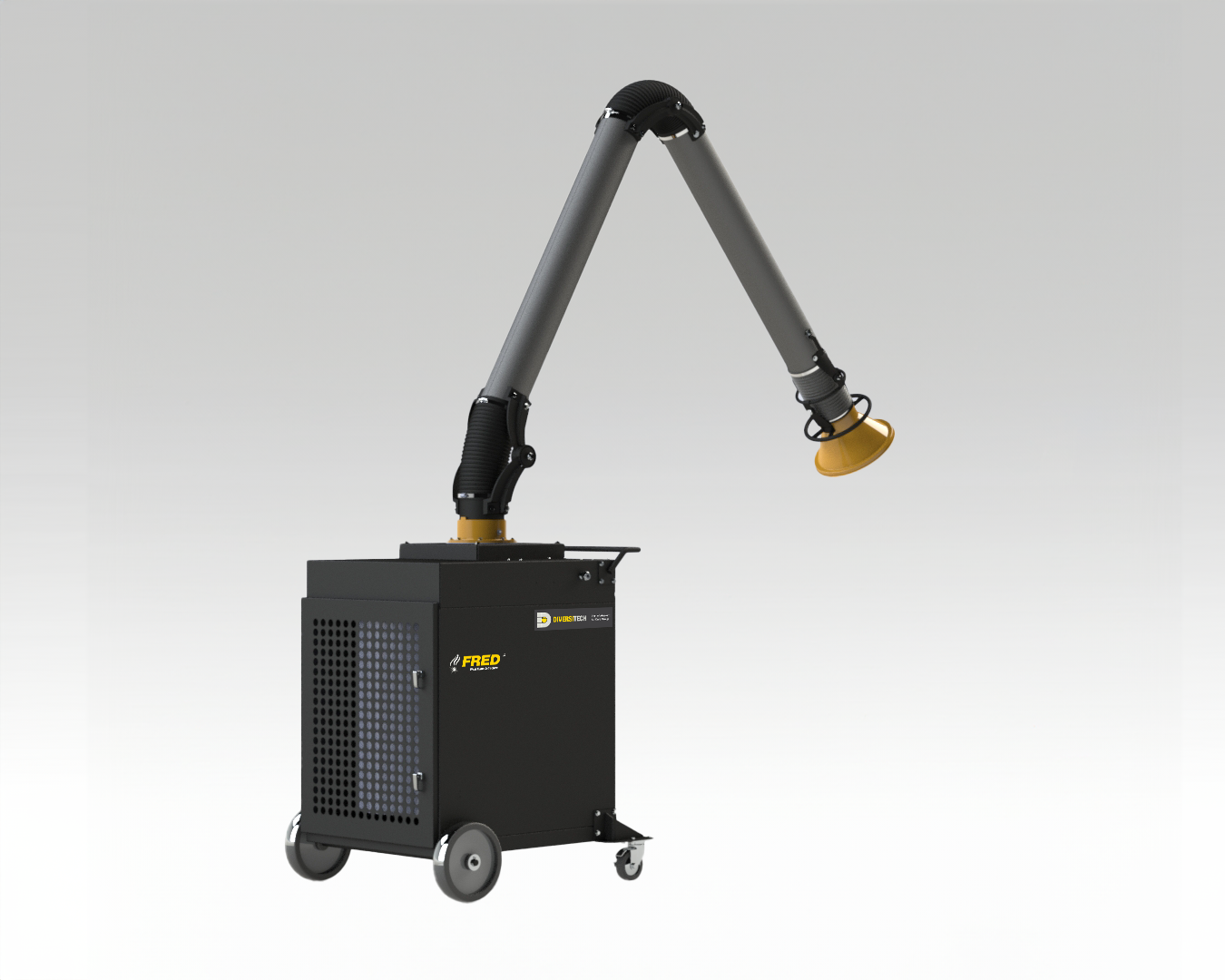
Movable fume arms
These have a hood on a flexible arm. You can aim the hood at the spray or sanding spot. They suit worktables and medium jobs.
Downdraft tables and spray booths
A downdraft pulls air through a slotted table. It is great for sanding. Spray booths pull air through large filters. They control overspray and protect the whole space.
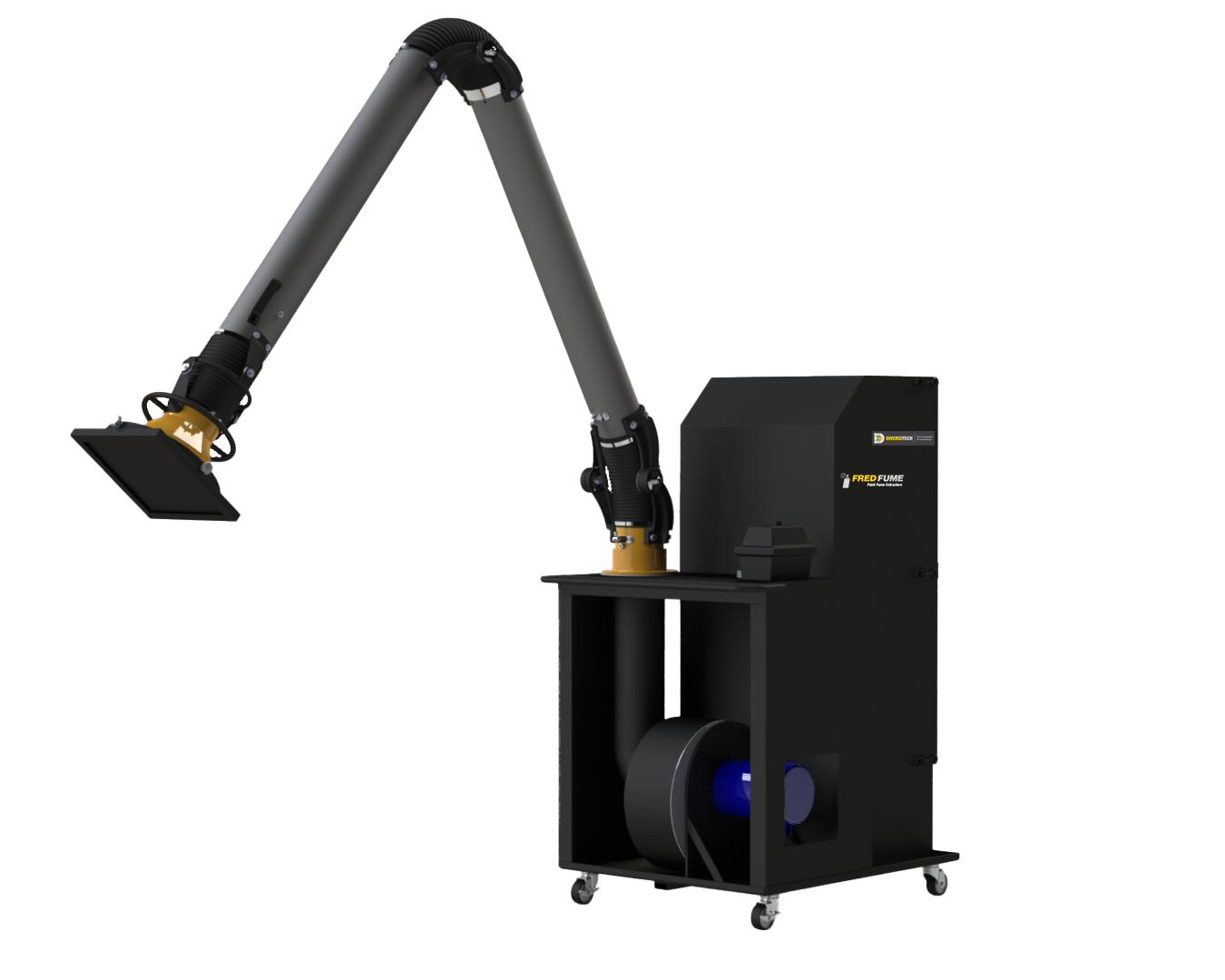
Central ducted systems
These link many hoods to one fan. They suit large shops. They need design and duct work, but they move a lot of air with less noise.

Core Components and Filtration Stages
A good system is more than a fan. These parts do the hard work.
Pre-filters
These catch big dust and overspray first. They protect the main filter and cut costs. Replace them often to keep airflow strong.
HEPA filters
HEPA captures very fine particles. It is key for sanding dust and overspray. Look for H13 or better for high capture rates.
Activated carbon
Carbon absorbs VOCs and odors. More carbon mass means longer life. It helps with solvents, thinners, and enamel smells.
Spark arrestors, fans, and sensors
Spark screens help when sanding metal. EC fans save energy and let you dial flow. Some units add VOC sensors and filter change lights.
How to Size and Select the Right Unit
Pick paint fume extractors based on task, space, and rules. A unit that is too small will not protect you. A unit that is too big will waste energy.
Use these points to guide your choice:
- Airflow and capture velocity. For vapors and light overspray, aim near 100 to 200 feet per minute at the hood face. Larger booths need even flow across the opening.
- Distance to source. Halve the distance and you may quadruple capture. Keep the hood close.
- Filter setup. Choose pre-filter plus HEPA plus carbon for mixed paint and sanding work.
- Duty cycle. Check rated hours per day. Heavy shops need stronger fans and bigger filters.
- Noise. Quieter fans help in small rooms. Good duct design reduces hiss and roar.
- Power and venting. Recirculating units are simple. Ducted units remove heat and odors outside but need make-up air.
Best Respirator for Paint Fumes: These 5 Respirators Are the Only Ones That Work
Setup, Best Practices, and Real-Life Tips
I have set up paint fume extractors in hobby rooms and auto shops. Small changes gave big wins. Keep the hood 2 to 8 inches from the spray. Angle it so air crosses the fume path. Do not block flow with your hands or tools.
Use simple tests. A strip of tissue near the hood shows airflow. If it hangs limp, move the hood closer or raise the fan speed. Mark the sweet spot on the bench with tape.
More tips that work:
- Spray across the hood, not into it. This avoids bounce-back.
- Keep fresh filters on hand. Change pre-filters often to save your HEPA and carbon.
- Seal leaks in ducts with foil tape. Small leaks kill capture.
- For isocyanate paints, wear a supplied-air respirator. Carbon alone is not enough.
Maintenance, Costs, and Lifespan
Plan for filter costs. Pre-filters may last weeks. HEPA and carbon may last months, based on use. Heavy solvent jobs chew through carbon faster.
Make a simple schedule:
- Check pressure gauge weekly. A rise means clogged filters.
- Swap pre-filters when dirty. This keeps flow high and saves money.
- Log changes and hours. This helps forecast costs and avoids surprise downtime.
Fans can last years with light care. Keep intakes clear. Vacuum dust build-up. Tighten clamps and check wheels on mobile units once a quarter.
Safety, Standards, and Compliance
Rules differ by place and job type. Many shops follow exposure limits for VOCs and isocyanates. Spray booths often target about 100 feet per minute across the booth face. Local codes may set duct and spark rules.
Good practice includes:
- Local exhaust as the first line of control.
- Fit-test for respirators when needed.
- Fire-safe filters and grounded ducts where sparks may occur.
- Records of filter swaps and airflow checks.
When in doubt, ask a safety pro. Paint fume extractors are one part of a full safety plan.
Common Mistakes to Avoid
These errors show up again and again. They are easy to fix.
- Hood too far away. Move it close and aim it right.
- Relying on carbon only. Use a full filter stack for paint and dust.
- Ignoring make-up air. If air cannot get in, fume will not get out.
- Skipping maintenance. Clogged filters make noise but do little work.
- Buying by CFM alone. Hood design and capture speed matter more.
Who Needs Paint Fume Extractors
Paint fume extractors help many users. If you smell paint, you may need one.
They are useful for:
- Auto body and repair shops
- Woodworkers who finish cabinets or guitars
- Artists and crafters who airbrush or spray paint
- Makers who 3D print and paint models
- DIY users with a garage shop or spare room
Cleaner air means fewer headaches, better focus, and less residue on tools and walls.
Buying Checklist and Recommended Specs
Use this short list when you shop. It keeps needs clear and avoids regret buys.
- Task type. Light airbrush, trim work, or full spray gun use.
- Airflow control. Variable speed with clear CFM range at the hood.
- Filters. Pre-filter plus HEPA plus at least 8 to 20 pounds of carbon for strong vapor loads.
- Noise. Under 70 dB at working speed if you share space.
- Mobility. Locking casters and a stable arm for flexible shops.
- Power. Standard outlets, low amp draw, and energy-smart fans.
- Proof. Test data for capture and filter ratings from the maker.
If possible, demo the unit. Bring your paint and test capture at your real distance.
Frequently Asked Questions of what is paint fume extractors
What is a paint fume extractor?
It is a device that captures paint vapors and overspray at the source. It filters the air and returns it clean or vents it outside.
Do I still need a respirator with paint fume extractors?
Often yes, especially with isocyanate paints. Local exhaust reduces exposure, but a respirator adds personal protection.
Will a carbon filter remove all paint smells?
Carbon reduces most odors, but it can saturate fast with heavy solvent use. Replace it on schedule and keep the hood close for best results.
How close should the hood be to the work?
Aim for 2 to 8 inches from the spray or sanding point. Closer is better, as capture drops fast with distance.
Can I use one extractor for sanding and spraying?
Yes, if it has a pre-filter, HEPA, and carbon. Change pre-filters often to protect the HEPA and keep airflow steady.
What size extractor do I need for a small garage?
A portable arm unit with adjustable speed usually works. Make sure it can reach 100 to 200 feet per minute at the hood.
Are paint fume extractors loud?
Most are as loud as a vacuum at high speed. Quieter models use EC fans and larger ducts.
Conclusion
Paint fume extractors make paint work safer, cleaner, and more pleasant. They pull fumes and dust where they start, filter them well, and protect your lungs and space. With the right size, setup, and care, they are a simple win for any shop.
Pick a unit that fits your task, place the hood close, and maintain the filters. Take the next step today. Compare two models, test airflow at your bench, and choose the one that keeps your air clear. If you found this helpful, subscribe for more shop safety tips or leave a question in the comments.
Related posts:
 Pensulata vs Stucco: 5 Reasons Why Pensulata is Better (And 3 Reasons Why Stucco Still Wins)
 How to Test Paint Colors Without Painting the Wall: 15 Proven Methods
 Affordable Ways To Test Paint Colors Without Full Cans– Quick & Easy,Avoid Mistakes
 Best Paint for MDF Furniture Without Sanding – No Prep, Professional Results