
If you’ve ever tried to paint a wall, refinish furniture, or clean brushes after a big project, you’ve probably heard the term paint thinner. But what is paint thinner, really? If you’re feeling confused or worried about using it safely, you’re not alone. I remember the first time I used paint thinner, my hands smelled for days and I wasn’t sure if I was doing things right. Now, after years of DIY projects and helping others, I’ve learned a lot about this handy but powerful liquid. Let’s take a friendly, practical look at paint thinner—what it is, how it works, where it shines, and what you need to watch out for.
Best Paint Thinner: Top 5 Paint Thinners That Make Any Paint Flow Like Butter
What Is Paint Thinner? (direct Answer)
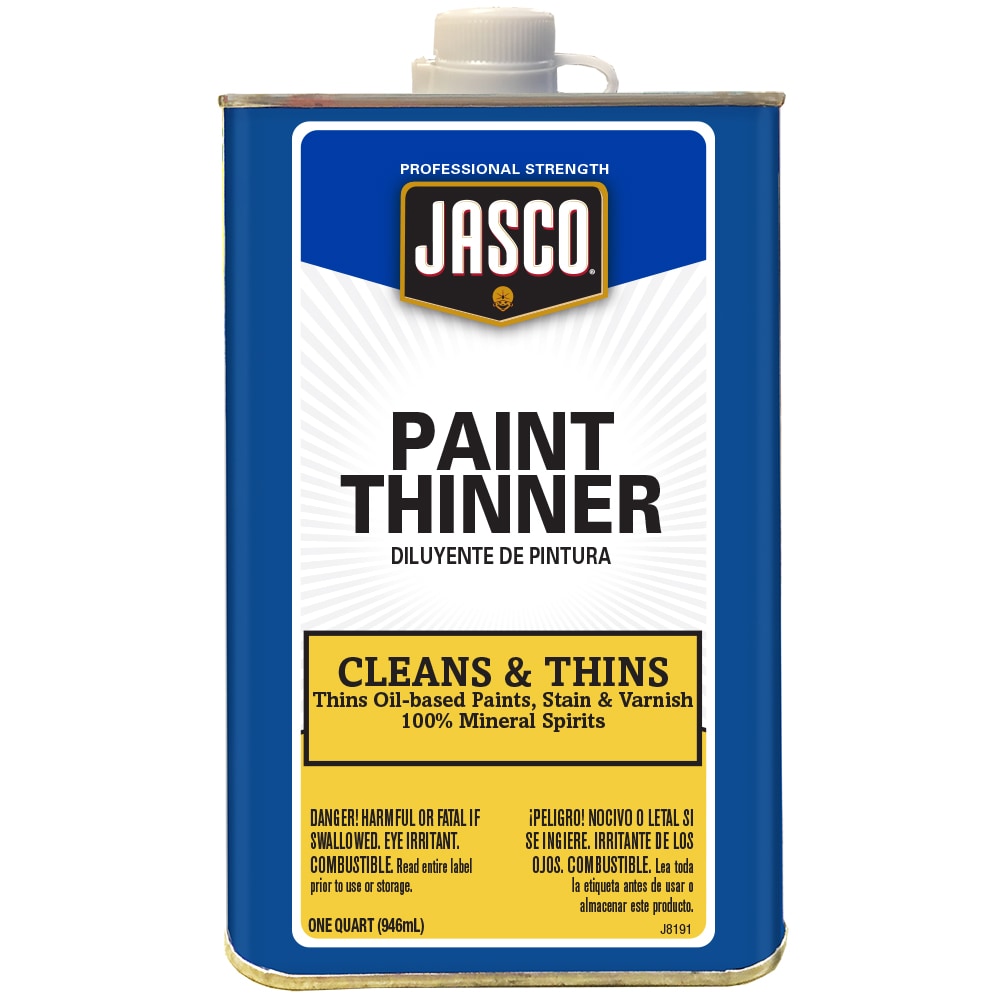
Paint thinner is a liquid solvent used to dilute oil-based paints and clean painting tools. It helps make thick paint easier to spread and removes sticky residues from brushes and rollers. Paint thinner is usually made from chemicals like mineral spirits, acetone, or turpentine. It’s not used for water-based paints, only for oil-based formulas.
Whenever I tackle an oil paint job, paint thinner is like my secret weapon—it saves time and keeps my tools in good shape. But it’s also strong stuff, so you need to handle it with care.
Types Of Paint Thinner
Paint thinner isn’t just one product. There are several types, each with its own job and personality. Understanding the differences can help you pick the right one for your project.
1. Mineral Spirits
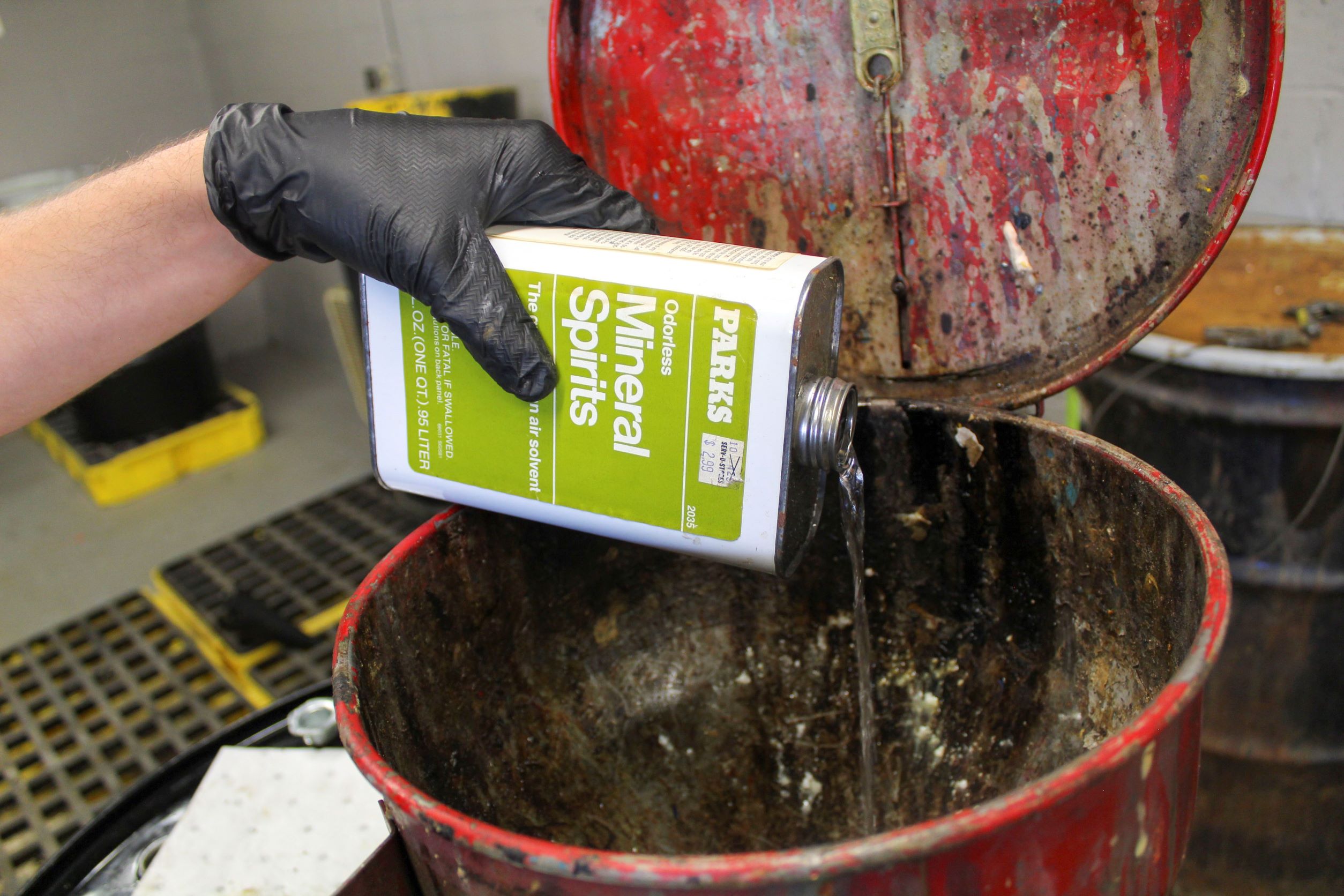
Mineral spirits are the most common paint thinner. They’re made from petroleum and are less harsh than pure turpentine. I use mineral spirits for cleaning brushes or thinning oil-based paint. They don’t have a strong smell and are safer for indoor use.
2. Turpentine
Turpentine comes from tree resin. It has a powerful scent and is very effective at dissolving paint. Artists often use turpentine for oil paints, but it’s more expensive and can cause headaches if you don’t have good ventilation.
3. Acetone
Acetone is a fast-evaporating solvent. You’ll find it in nail polish remover. It’s great for cleaning up dried paint and stubborn stains, but can damage plastics and isn’t always best for thinning paint.
4. Naphtha
Naphtha is another petroleum-based solvent. It’s stronger than mineral spirits but dries faster. I use naphtha if I want a smooth finish and quick drying, like for furniture.
5. Toluene And Xylene
These are strong, industrial solvents. They’re used for heavy-duty paint removal and cleaning. I avoid them for home projects because they can be dangerous without proper protection.
6. Lacquer Thinner
Lacquer thinner is a blend of solvents meant for thinning lacquer paints and cleaning lacquered surfaces. It’s very aggressive and works fast, but it’s not good for oil paints.
7. Odorless Paint Thinner
If you’re sensitive to smells, odorless paint thinner is helpful. It’s refined to remove most odors, though it’s a bit pricier and sometimes less effective.
Quick Comparison
Here’s a simple table showing the differences between common paint thinners:
| Type | Main Use | Smell | Strength | Safety |
|---|---|---|---|---|
| Mineral Spirits | Thinning oil paint, cleaning tools | Mild | Moderate | Safer |
| Turpentine | Artists, oil paint | Strong | Strong | Needs good ventilation |
| Acetone | Removing dried paint | Sharp | Very strong | Use with care |
| Naphtha | Furniture, quick drying | Moderate | Strong | Use with care |
| Lacquer Thinner | Lacquer paints | Very strong | Very strong | Use with caution |
How Does Paint Thinner Work?
Paint thinner breaks down the thick oils in paint, making them flow better and stick less. When you add paint thinner to oil-based paint, it lowers the viscosity (thickness), so you can spread paint smoothly and evenly. If you dip a brush in paint thinner, it dissolves the sticky paint, helping you clean it fast.
I’ve seen paint thinner save brushes that looked ruined. It’s like magic—one minute the bristles are stiff, the next they’re soft and ready for the next job.
The science is simple: paint thinner molecules mix with paint molecules, breaking their bonds and making the paint less sticky. This also helps paint dry faster and prevents clumps.
Uses Of Paint Thinner
Paint thinner isn’t just for thinning paint. It’s a true multitasker around the workshop and home.
1. Thinning Oil-based Paints
The main job is to make thick paint easier to apply. If you try to paint with oil-based paint straight from the can, it’s sticky and uneven. Adding paint thinner lets you roll or brush smoothly.
2. Cleaning Brushes And Tools
After painting, brushes are covered in gunk. Paint thinner dissolves the paint, so you can rinse and reuse your tools. I always clean my brushes this way—it saves money and keeps my tools lasting longer.
3. Removing Paint Spills
If you spill paint on a floor or clothes, paint thinner can help clean it up. Just remember: it works best on oil-based paint, not water-based.
4. Preparing Surfaces
Paint thinner can remove greasy residues before painting, helping new paint stick better. I wipe surfaces with thinner before painting furniture or metal.
5. Degreasing
Some people use paint thinner to degrease machinery or metal parts. It cuts through oily buildup fast.
6. Stripping Old Paint
Paint thinner softens old paint, making it easier to scrape off. I’ve used it to refresh old doors and window frames.
7. Cleaning Spray Guns
If you use a paint sprayer, paint thinner is essential for cleaning the nozzle and lines.
Common Mistakes
- Using paint thinner on water-based paint (it won’t work)
- Adding too much thinner (makes paint too runny)
- Not wearing gloves (can cause skin irritation)
- Using in closed spaces (dangerous fumes)
Safety And Health Considerations
Paint thinner is strong stuff. It can be dangerous if not used with care. I always remind friends to read the label and follow safety steps.
Direct Answer
Paint thinner can cause health risks if inhaled or touched. Always use it in a well-ventilated area, wear gloves, and keep away from children and pets.
Key Safety Tips
- Always work with paint thinner outdoors or near open windows.
- Wear gloves and, if possible, goggles to protect skin and eyes.
- Don’t let paint thinner touch your skin for long—wash off right away.
- Keep paint thinner in a sealed container, away from heat or flame.
- Never pour paint thinner down the drain—it pollutes water.
Health Risks
Paint thinner can irritate your skin, eyes, and lungs. Inhaling fumes may cause headaches, dizziness, or nausea. Long-term exposure can harm your liver or nervous system.
According to the U.S. Environmental Protection Agency, some paint thinners contain chemicals linked to cancer and other health issues. Always check the label and use the safest option for your project.
Real-life Experience
Once, I forgot to ventilate my workspace. After an hour, I felt dizzy and had a headache. That taught me to always open windows and take breaks.
Environmental Impact Of Paint Thinner
Paint thinner isn’t just tough on your skin—it’s tough on the planet. How you use and dispose of it matters.
Direct Answer
Paint thinner can pollute water and soil if not disposed of correctly. Always take leftover paint thinner to a hazardous waste center.
Pollution Data
Each year, millions of liters of paint thinner are used worldwide. Improper disposal can contaminate drinking water and harm animals. In the United States, paint and solvent waste account for about 15% of household hazardous waste.
Tips For Responsible Use
- Buy only what you need.
- Store leftovers in a sealed container.
- Reuse paint thinner—let paint settle, pour off clear liquid, and use again.
- Take old paint thinner to a hazardous waste collection site.
Example
I keep a jar for used paint thinner. After cleaning brushes, I let the solids settle, then pour off the clear thinner for next time. It saves money and keeps my trash safer.
Paint Thinner Vs. Other Solvents
Not all solvents are paint thinners. Let’s see how paint thinner compares to other common products.
Direct Answer
Paint thinner is made for oil-based paint, while other solvents have different jobs and chemical strengths.
Solvent Comparison Table
| Solvent | Best For | Evaporation Rate | Common Uses | Hazards |
|---|---|---|---|---|
| Paint Thinner | Oil-based paint | Moderate | Thinning, cleaning | Fumes, skin irritation |
| Acetone | Removing adhesives | Fast | Nail polish remover | Highly flammable |
| Isopropyl Alcohol | Disinfecting | Fast | Medical, cleaning | Mild irritation |
| Turpentine | Artist paints | Slow | Thinning, cleaning | Strong fumes |
| Water | Latex paint | Slow | Thinning latex paints | Safe |
Key Differences
- Paint thinner is not suitable for water-based paints.
- Acetone is stronger but evaporates quickly.
- Water is safest but only works for latex or acrylic paints.
How To Use Paint Thinner Safely
If you’re new to paint thinner, it can feel intimidating. Here’s my step-by-step method, learned through trial and error:
Direct Answer
To use paint thinner safely, follow these steps: choose the right type, measure carefully, work in a ventilated area, wear protective gear, and clean up responsibly.
Step-by-step Guide
- Choose the right thinner for your paint type (oil-based only).
- Read the paint can’s instructions—some brands recommend a specific thinner.
- Pour paint thinner slowly into paint, stirring as you go. Start with small amounts—usually 1 part thinner to 3 parts paint.
- Test the mixture on a small surface. If it spreads easily, you’re good. If it’s too thin, add more paint.
- Clean brushes by soaking them in paint thinner, then rinsing with soap and water.
- Work with windows open or outdoors.
- Wear gloves and an old shirt—paint thinner can ruin clothes.
- Store leftover thinner in a tightly closed container.
Common Beginner Mistakes
- Adding too much thinner—ruins paint consistency.
- Using paint thinner on latex paint—won’t work, causes mess.
- Forgetting to ventilate—fumes build up fast.
- Mixing types of paint thinner—can cause unpredictable results.
:max_bytes(150000):strip_icc()/SPR-difference-between-lacquer-thinner-and-paint-thinner-5195075-HERO-8f0eb1d34a694a0a953f5346a133ddaf.jpg)
Storage And Disposal Guidelines
Paint thinner can last a long time if stored properly, but it can also cause accidents. Here’s how I keep things safe at home.
Direct Answer
Store paint thinner in a cool, dry place away from heat and flames. Dispose of it at hazardous waste centers—not down the drain.
Storage Tips
- Use the original container with the label.
- Keep lids tightly closed.
- Store away from children, pets, and food.
- Place containers on a shelf, not the floor (avoids spills).
Disposal Tips
- Never pour leftover thinner into sinks, toilets, or outside.
- Let paint solids settle, reuse the clear liquid.
- For disposal, contact your local hazardous waste center.
Example
In my garage, I keep paint thinner on a high shelf, far from anything electrical. I label containers with the purchase date so I know when they’re getting old.
Pros And Cons Of Paint Thinner
Like every tool, paint thinner has ups and downs. Here’s what I’ve learned after years of using it.
Direct Answer
Paint thinner is great for thinning oil paint and cleaning tools, but it has safety and environmental risks.
Pros
- Makes oil-based paint easier to use
- Cleans brushes and tools fast
- Removes tough stains and spills
- Helps prepare surfaces for painting
- Can be reused if handled carefully
Cons
- Dangerous fumes and health risks
- Can cause skin irritation
- Not suitable for water-based paints
- Disposal needs special care
- Some types are expensive
Paint Thinner In Art And Industry
Paint thinner isn’t just for DIY. Artists and industries rely on it too.
Direct Answer
Artists use paint thinner to mix and clean oil paints, while industries use it for degreasing and cleaning machines.
Art
Artists value paint thinner for creating smooth brush strokes and cleaning up after painting. Turpentine is a classic choice, but mineral spirits are popular for their mild smell.
Industry
Factories use paint thinner to clean machinery, remove grease, and strip old paint. In 2022, the global paint thinner market was valued at over $1. 3 billion, showing its importance.
Example
A friend who restores old cars swears by paint thinner for cleaning engine parts. In art school, we used mineral spirits to keep brushes soft and paints flowing.
Alternatives To Paint Thinner
If you’re worried about health or the environment, there are gentler options.
Direct Answer
Eco-friendly alternatives to paint thinner include citrus-based solvents and soy-based cleaners.
Alternatives Table
| Alternative | Main Ingredient | Strength | Safety | Best For |
|---|---|---|---|---|
| Citrus Solvent | Orange oil | Mild | Safe | Cleaning brushes |
| Soy-Based Cleaner | Soy oil | Mild | Safe | Thinning paint |
| Vegetable Oil | Plant oil | Mild | Safe | Cleaning brushes |
| Water | H2O | Only for latex paint | Safe | Latex paints |
Insights
Eco-friendly thinners work well for cleaning but may not be strong enough for tough jobs. I’ve used citrus solvent for small art projects—it smells nice but takes longer to work.
Frequently Asked Questions
What Is The Difference Between Paint Thinner And Mineral Spirits?
Paint thinner is a broad term, while mineral spirits are a specific type of paint thinner made from petroleum. Mineral spirits are milder, less smelly, and safer for indoor use.
Can I Use Paint Thinner With Water-based Paint?
No, paint thinner is only for oil-based paints. Water-based paints should be thinned with water.
How Do I Dispose Of Paint Thinner Safely?
Take used paint thinner to a hazardous waste center. Never pour it down the drain or into the ground.
Is Paint Thinner Dangerous To Breathe?
Yes, paint thinner fumes can cause headaches, dizziness, and long-term health issues. Always use it in a ventilated area.
Are There Eco-friendly Alternatives To Paint Thinner?
Yes, you can use citrus-based solvents or soy-based cleaners. They are safer for you and the environment, but may not work for heavy-duty cleaning.
Paint thinner is powerful, but it’s not mysterious. With careful use and respect, it’s a helpful partner for painting, cleaning, and more. If you’re starting out, take your time, follow safety steps, and don’t be afraid to ask questions. Whether you’re an artist, DIYer, or just curious, knowing how paint thinner works can make your next project smoother, safer, and smarter. For more technical details, see the Wikipedia article on paint thinner.
Related posts:
 Spray Paint Temperature Range: Your Complete Guide to Perfect Outdoor Finishes
 Best Paint Thinner: Top 5 Paint Thinners That Make Any Paint Flow Like Butter
 Is Paint Thinner a Solvent? The Answer Might Surprise You
 Best Thinner for Citadel Paints: Top 5 Thinners That Make Citadel Paints Airbrush‑Ready