
What Nap Roller for Textured Ceiling?
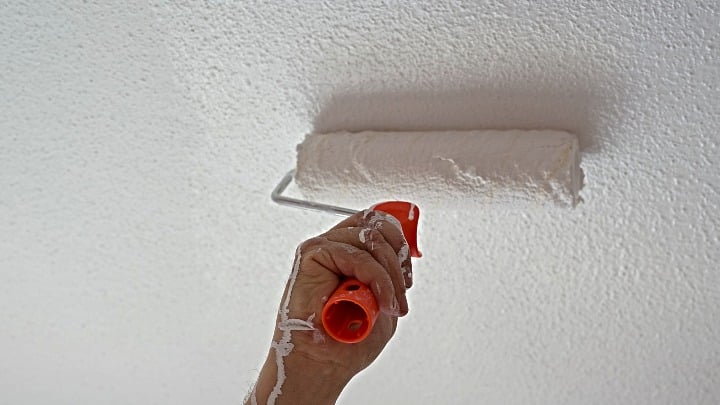
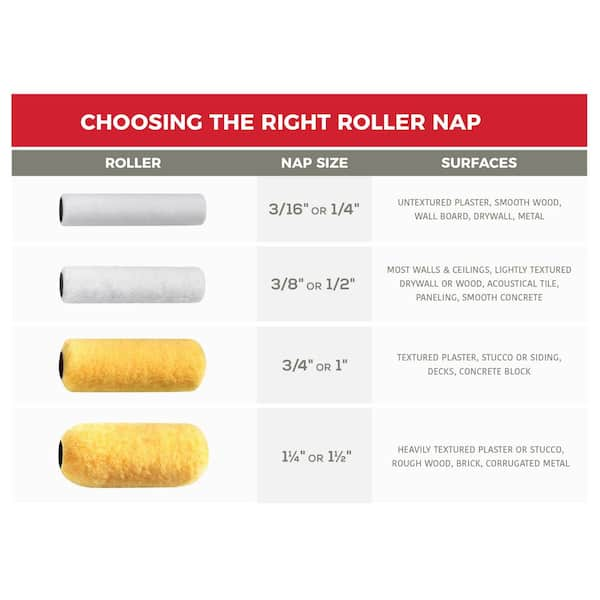
For textured ceilings, use a thicker nap roller (¾-inch to 1¼-inch) to ensure paint gets into all the crevices and uneven surfaces. The deeper nap holds more paint and reaches into the bumps and ridges of the texture better than a standard short-nap roller. A 1-inch nap is often a good balance for most popcorn or knockdown textured ceilings. Always choose a high-quality roller cover to reduce lint and achieve a more even finish.
Best Nap Rollers for Textured Ceilings (By Use Case)
Wooster Super Fab ¾″ Nap Roller – Best overall for textured ceilings; holds more paint and reaches deep grooves with fewer passes.
Purdy Pro-Extra Colossus 1¼″ Nap Roller – Best for heavy or popcorn textures; extra-thick nap fills deep crevices fast.
Wooster 9/16″ Microfiber Roller Cover – Best for moderate texture; balances coverage and control with less splatter.
Purdy White Dove ¾″ Nap Roller – Best for smooth-to-light textured ceilings; delivers even coverage with a clean finish.
Pro Grade Microfiber ½″ Nap Roller – Best budget option for lightly textured ceilings; good paint pickup at a lower cost.
Use a 3/4 to 1-1/4 inch nap roller for most textured ceilings.
If you want clean coverage without drips, the right nap matters. In this guide, I show you what nap roller for textured ceiling jobs based on texture depth, paint type, and your skill level. I’ve rolled hundreds of ceilings, from light orange peel to heavy popcorn. You’ll learn the why, not just the what, so you can paint once and love the result.
How roller nap works and why it matters
Nap is the thickness of the roller cover fibers. Longer nap holds more paint. It also reaches into peaks and dips on a textured surface.
Short nap leaves light coats. It can skip over high spots. Long nap plants paint in the low spots and evens the sheen. That is the core idea behind what nap roller for textured ceiling choices. Get the nap wrong, and you see misses, lines, and splatter.
For ceilings, gravity adds risk. A nap that is too short makes you push hard. That leads to drips and streaks. A nap that is too long can sling paint if you roll too fast.
Identify your ceiling texture before you choose
Not all textures are the same. Check yours first.
- Light orange peel. Fine, sandy bumps with shallow pits.
- Medium orange peel. Visible bumps you can feel with a hand.
- Knockdown. Highs flattened with a trowel, with small plateaus.
- Popcorn. Curds vary from small to large.
- Stomp or skip trowel. Broad, raised waves and ridges.
This step guides what nap roller for textured ceiling you should pick. If you are not sure, start with 3/4 inch. Then test a small area.
The quick chart: what nap roller for textured ceiling
Here is the simple rule set I use on jobs.
- Light orange peel or slight stipple: 1/2 inch nap. Good reach without excess paint.
- Medium orange peel and light knockdown: 3/4 inch nap. The best all‑around pick.
- Heavy knockdown or small popcorn: 1 inch nap. Fills valleys with fewer passes.
- Large popcorn or heavy stomp: 1-1/4 inch to 1-1/2 inch nap. Needs slow, steady rolling.
If you are asking what nap roller for textured ceiling when using thicker paints, go up a size. If you use thin paint, stay at the lower end. I test with two covers on site. That small trial can save hours.
Roller cover materials that work best
Nap length is not the only choice. The fabric matters a lot.
- Microfiber. My top pick for most textures. It holds paint well and sheds less. It levels nicely at 3/4 to 1 inch.
- Woven polyester or nylon. Durable and budget friendly. Good at 1/2 to 1 inch. Slightly more orange peel than microfiber.
- Lambswool. Great load and release, very fast. Best for pros. It can shed if cheap or new. Ideal at 3/4 to 1-1/4 inch.
- Foam. Not for texture. It skates on high spots and traps air.
If you wonder what nap roller for textured ceiling with eggshell or semi‑gloss, microfiber helps keep lap marks down. Lambswool is great for flat paints in big rooms.
Paint, primer, and prep for textured ceilings
Paint type and prep affect nap choice too.
- Use flat or ultra‑flat on ceilings. It hides flaws.
- Thick, high solids paints cover texture fast. Pair with 3/4 to 1-1/4 inch nap.
- Prime repairs and stains with a stain‑blocking primer.
- Dust the ceiling with a soft brush or vacuum.
- Seal loose popcorn with a bonding primer before paint.
A quick test roll tells you what nap roller for textured ceiling paint works best. If the roller drags, step up the nap or add a bit more open time.
What Nap Roller To Use On Popcorn Ceiling?-Pro Painter Tips
:max_bytes(150000):strip_icc()/hide-flaws-with-stipple-texture-4121027_hero-c88911f8621a48f9bb03e6556ecf6670.jpg)
Pro technique: how to roll a textured ceiling cleanly
Good tools help. Technique seals the deal.
- Use an extension pole. Your shoulders will thank you.
- Load the cover well. Use a grid bucket for large rooms.
- Start one foot off the wall. Roll a W, then fill it in.
- Cross‑roll each section. Light pressure. Let the nap do the work.
- Keep a wet edge. Do not stop mid‑panel.
- Back‑roll lightly to even the sheen.
- Cut edges first, then blend with the roller while still wet.
If you still ask what nap roller for textured ceiling after testing, choose 3/4 inch microfiber. Then use slow, steady passes. Speed throws paint.
Common mistakes and simple fixes
I see the same errors on many jobs. Here is how to avoid them.
- Using 3/8 inch on texture. It will skip and cause streaks.
- Rolling too fast with 1+ inch nap. That slings paint. Slow down.
- Dry rolling. Reload more often. Keep the cover wet, not dripping.
- Pressing hard. That flattens the nap and leaves marks.
- Skipping primer on dusty popcorn. It will shed and blotch.
When in doubt about what nap roller for textured ceiling mistakes to avoid, remember this: longer nap, lighter touch, slower pace.
Thick Vs Thin Roller Nap– Expert Tips for Smooth, Even Paint Coverage
Cleanup, care, and reusability
A clean cover works better. It also sheds less.
- For latex paint. Rinse in warm water. Spin it dry. Store upright.
- For oil paint. Use mineral spirits. Wash after with soap and water.
- For lambswool. Comb the fibers. Let it air dry fully.
- Wrap in plastic between coats to keep it wet.
- Retire covers that mat down or shed.
I keep a labeled bin by nap size. It makes the next what nap roller for textured ceiling job fast and easy.
Budget and buying guide
You do not need the most expensive cover. You need the right one.
- Good microfiber 3/4 inch: mid price. Great value for most ceilings.
- Heavy texture kits 1 to 1-1/4 inch: slightly higher cost. Saves time.
- Sturdy 5‑wire roller frame: smoother spin and even pressure.
- Threaded extension pole: aluminum or fiberglass. Locking tip is a plus.
One more tip. Buy two covers in the same nap. Swap mid‑job to keep the finish even. This simple move solves many what nap roller for textured ceiling worries.
Foam Roller Vs Nap Roller- Disastrous Mistakes That Ruin Your Paint
Frequently Asked Questions of what nap roller for textured ceiling
What nap roller for textured ceiling with light orange peel?
Use a 1/2 inch nap. It gives enough reach without extra texture or splatter.
What nap roller for textured ceiling if I have heavy knockdown?
Choose a 1 inch nap. It loads more paint and fills the low spots with fewer passes.
What nap roller for textured ceiling when using flat ceiling paint?
A 3/4 inch microfiber is ideal. It reduces lap lines and covers well.
What nap roller for textured ceiling if my popcorn is very chunky?
Go with 1-1/4 to 1-1/2 inch nap. Roll slow to avoid slinging paint.
What nap roller for textured ceiling when I need to hide stains?
Prime first, then use a 3/4 to 1 inch nap. That combo hides stains and evens the sheen.
Conclusion
Pick the nap to match the texture, not the label. For most textured ceilings, a 3/4 inch microfiber wins on control, coverage, and clean edges. Step up to 1 inch or more for deep knockdown or popcorn, and slow your roll.
Try a small test patch, lock in the right nap, and finish the room with confidence. Ready to tackle your ceiling? Put these tips to work, share your results, and subscribe for more pro‑level, plain‑English paint guides.
Related posts:
 What Nap Roller To Use On Popcorn Ceiling?-Pro Painter Tips for Smooth Results
 What Is a Roller Nap? – Choosing the Perfect Roller for Walls and Ceilingswhat is a roller nap?
 Foam Roller Vs Nap Roller- Disastrous Mistakes That Ruin Your Paint
 Nap Roller Vs Microfiber- Costly Blunders That Ruin Your Walls